7 Reasons Credit Cards Are Declined And How To Fix Them
Understand why your credit card was declined and learn how to prevent it from happening again.
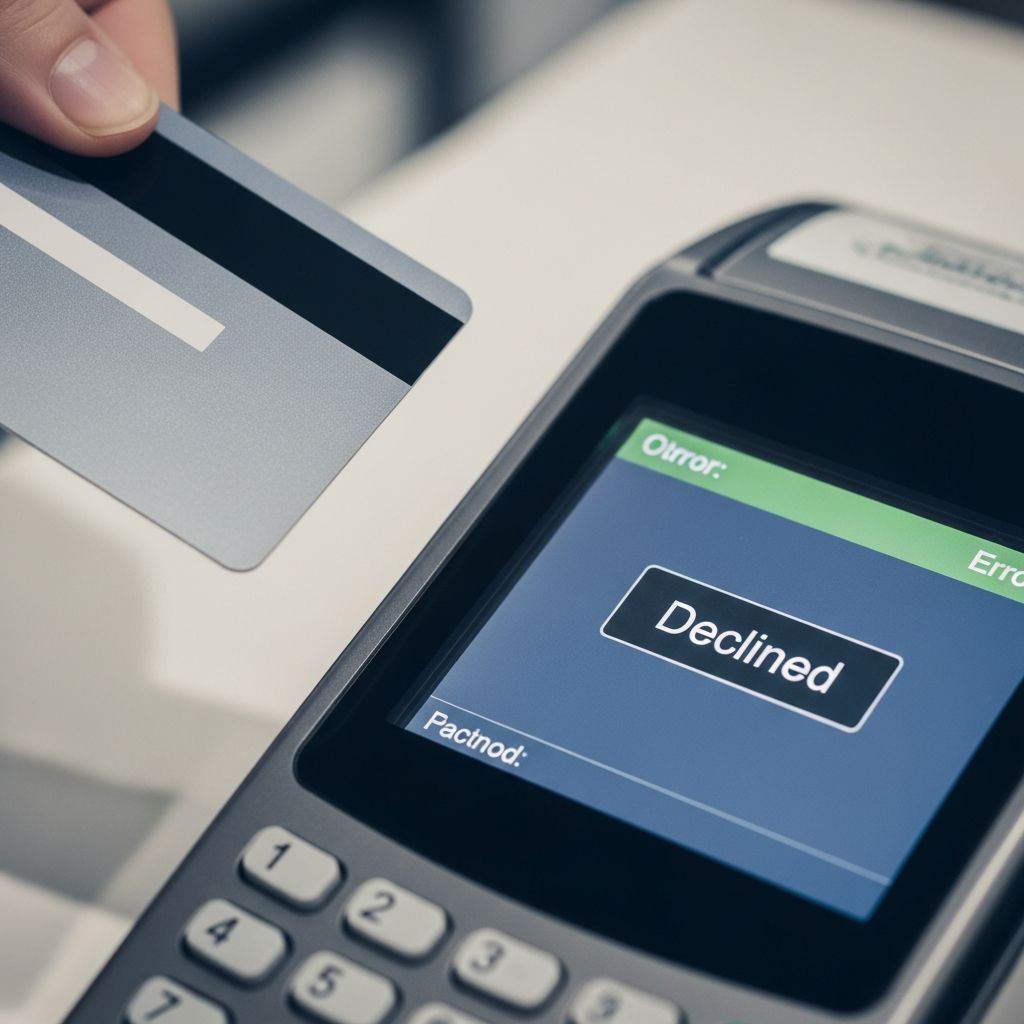
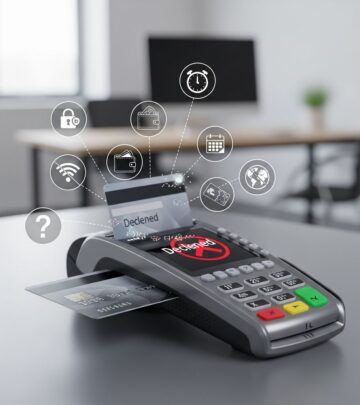
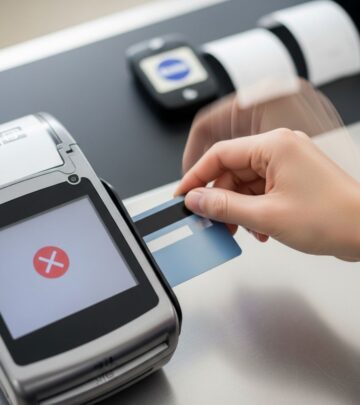
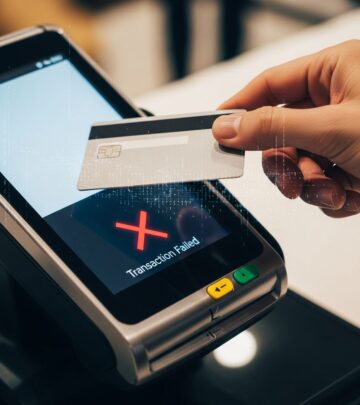
You’re standing at the checkout counter, ready to complete your purchase. You hand over your credit card with confidence, but moments later, the cashier delivers the disappointing news: your card has been declined. It’s an embarrassing and frustrating experience that can leave you scrambling for an alternative payment method. The good news is that credit card declines are common, and most of the time, they can be resolved quickly once you understand what caused them.
If you’ve experienced a declined credit card, don’t panic. There are several predictable reasons why this happens, and understanding each one can help you prevent it from occurring in the future. Let’s explore the seven most common reasons your credit card might be declined and what you can do about it.
Key Takeaways
- Credit card declines are typically caused by maxed-out credit limits, fraud protection triggers, outdated information, or missed payments
- Many declined transactions can be resolved with a quick call to your card issuer
- Notifying your issuer in advance of large purchases or travel can help prevent unnecessary declines
- Expired or deactivated cards will almost always result in a decline at the point of sale
- Keeping your account information current and payments on time significantly reduces the risk of declines
1. You Met Your Credit Limit
One of the most straightforward reasons your credit card might be declined is that you’ve reached your credit limit. Your credit limit is the maximum amount of credit your issuer has agreed to extend to you. This number can be found in your cardmember agreement or by contacting your issuer directly.
When you attempt to make a purchase that would push your balance beyond this limit, your transaction will be denied. This is a protective measure by the card issuer to prevent you from borrowing more than they’re willing to allow.
How to Resolve This: The simplest solution is to pay down your balance before making additional purchases. You can make a payment online through your card issuer’s website, via phone, or through their mobile app. Once your balance drops below your limit, your card should work normally again. If you consistently find yourself hitting your credit limit, you might consider requesting a credit limit increase from your issuer.
2. Your Large Purchase Was Flagged as Fraud
Credit card issuers employ sophisticated fraud detection systems that monitor account activity for unusual patterns. If you make a purchase that’s significantly larger than your typical spending or outside your normal purchasing habits, the issuer’s system may flag it as potentially fraudulent activity.
Similarly, any major deviation from your ordinary spending patterns can trigger fraud protection protocols. The issuer may temporarily freeze your account to protect you from unauthorized charges, which results in your card being declined even though the purchase is legitimate.
How to Resolve This: The best way to prevent this issue is to notify your credit card issuer in advance of any significant purchases or changes in your spending patterns. Many issuers allow you to set travel dates or alert them about planned large purchases through their mobile app or website. If your card is declined due to fraud concerns, call the number on the back of your card immediately to verify the transaction. The issuer can then lift the freeze and allow your purchase to go through.
3. You Entered Incorrect Payment Information
When making purchases online or through a mobile application, it’s surprisingly easy to mistype information. A single digit entered incorrectly on your credit card number, an error in your expiration date, or a mistake in your security code can all result in a declined transaction.
Another common culprit is an outdated billing address. If your registered billing address doesn’t match what you entered during checkout, the payment processor may reject the transaction as a security measure. This is particularly common if you’ve recently moved and haven’t updated your information with your card issuer.
How to Resolve This: Take time to carefully re-enter your information, double-checking each digit of your card number, expiration date, and CVV code. Verify that your billing address is current and matches exactly what your card issuer has on file. If you’ve recently moved, update your address with your issuer as soon as possible. Many issuers allow address updates through their online banking portal or mobile app.
4. You Missed a Payment
Your payment history is crucial to maintaining a healthy credit card account. If you miss a payment, even by a few days, your issuer may mark your account and could decline future transactions as a penalty.
The consequences depend on how long you’ve been delinquent. A first-time missed payment might trigger a decline, especially if you’re only a few days past the due date. Repeated missed payments can result in consistent declines, account suspension, or even account closure. Additionally, you’ll likely be charged late fees each time you miss a payment, which only increases the amount you owe.
How to Resolve This: If you’ve missed a payment, act quickly. You can often pay the missed amount plus any late fees online through your issuer’s website. Alternatively, call your issuer to discuss the situation. Many issuers are willing to work with customers to arrange payment plans or waive fees if you have a good payment history overall. Moving forward, set up automatic payments or payment reminders to ensure you never miss a due date again.
5. You’re Using an Expired or Deactivated Credit Card
Every credit card has an expiration date printed on its face. When you reach that date, your card officially expires and can no longer be used for transactions. Attempting to use an expired card will result in an almost certain decline at checkout.
Similarly, if you’ve reported your card as lost or had it replaced due to fraud concerns, your old card may be deactivated. Using a deactivated card will also result in a declined transaction. This is a security feature designed to protect your account.
How to Resolve This: You should begin looking for your replacement card in the mail about three to six months before your current card expires. Most issuers send replacement cards automatically as your expiration date approaches. Once you receive your new card, activate it immediately—you don’t need to wait until your old card expires. Update any automatic payment arrangements with your new card information to avoid missed payments on important subscriptions or bills.
6. You’re Traveling and Haven’t Notified Your Issuer
When you use your credit card in a location that’s significantly different from your usual spending geography, your issuer may interpret this as suspicious activity. If you’re traveling, especially internationally, your card is more likely to be declined unless your issuer is aware of your travel plans.
How to Resolve This: Before you travel, contact your credit card issuer to inform them of your destination and the dates you’ll be away. Most issuers have a simple process for adding travel alerts to your account, which can be done through their mobile app, website, or by calling customer service. This alerts their fraud detection team to expect transactions from that location and helps prevent your card from being incorrectly flagged as fraudulent.
7. Your Account Has Been Closed or Flagged
In some cases, your credit card issuer may have closed your account or flagged it for various reasons, such as a significant drop in your credit score due to missed payments or delinquent accounts. If your account is closed, your card will be declined at the point of sale.
How to Resolve This: Contact your issuer immediately to find out why your account was closed. If it was due to missed payments or delinquency, work on bringing your account current. If your account was closed due to inactivity or terms you didn’t accept, you may be able to reopen it by contacting customer service and addressing any underlying issues.
General Steps to Take When Your Card Is Declined
If your credit card is declined, follow these steps to resolve the issue:
- Stay calm and don’t immediately assume there’s a major problem with your account
- Ask the merchant if there was an error or if you can try the transaction again
- Call your card issuer using the number on the back of your card to verify what triggered the decline
- Have your card information ready when you call to speed up the verification process
- Ask the issuer what steps you need to take to resolve the issue and reuse your card
- Request a temporary card number or arrangements if you need to make the purchase immediately
- Follow up to ensure the issue is resolved before attempting another purchase
Frequently Asked Questions
Q: Will a declined credit card affect my credit score?
A: No, a single declined transaction will not affect your credit score. However, if the decline is due to missed payments, those missed payments will be reported to the credit bureaus and will damage your credit score. The decline itself is just a symptom of an underlying issue that may impact your score.
Q: How long does a fraud hold typically last?
A: A fraud hold can last anywhere from a few minutes to several hours or even days, depending on your issuer’s policies and the nature of the flagged transaction. Once you verify the transaction with your issuer, the hold is usually lifted immediately, allowing you to use your card normally.
Q: Can I prevent my card from being declined?
A: Yes, you can take several preventive measures. Keep your balance well below your credit limit, make all payments on time, update your personal information with your issuer, notify them of travel plans, and avoid unusual spending patterns. These steps will significantly reduce the likelihood of your card being declined.
Q: What should I do if my card is declined abroad?
A: First, contact your card issuer using the emergency number on the back of your card or the number listed on their website. Let them know you’re traveling and verify that your card is active. If the issue can’t be resolved immediately, ask your issuer about emergency cash advances or other options. Consider carrying a backup payment method when traveling internationally.
Q: How often should I update my billing address?
A: You should update your billing address with your credit card issuer immediately after moving. Changes to your address can take several days to process in your issuer’s system, so make the update well before making online purchases from your new location.
Q: Can I dispute a declined transaction?
A: A simple decline usually doesn’t require a dispute—it’s a security measure preventing an unauthorized charge. However, if you believe the decline was in error or if you were charged a fee for the declined transaction, you can contact your issuer to discuss the situation. If you were actually charged for a declined transaction, you have the right to dispute that charge.
Conclusion
Having your credit card declined is frustrating, but it’s usually not a catastrophic problem. In most cases, the issue can be resolved with a quick phone call to your issuer. By understanding these seven common reasons why cards are declined, you can take proactive steps to prevent the situation from happening in the first place. Keep your credit limit in check, maintain good payment habits, stay in contact with your issuer about major changes, and always keep your account information current. These simple practices will help ensure that your credit card works smoothly whenever you need it.
References
- 7 Reasons Credit Cards Are Declined — Bankrate. 2025. https://www.bankrate.com/credit-cards/advice/reasons-credit-card-declined/
- What To Do When Your Credit Card Application Is Denied — Bankrate. 2025. https://www.bankrate.com/credit-cards/news/next-steps-credit-card-application-denied/
- I Have Good Credit. Why Don’t I Qualify For That Card? — Bankrate. 2025. https://www.bankrate.com/credit-cards/advice/good-credit-still-rejected-for-card/
- Does Applying For A Credit Card Hurt Your Credit? — Bankrate. 2025. https://www.bankrate.com/credit-cards/advice/how-a-new-credit-card-can-affect-your-credit-score/
- You Have a Problem With Your Credit Card Issuer. What Can You Do? — Bankrate. 2025. https://www.bankrate.com/credit-cards/advice/problem-with-card-issuer-what-to-do/
Similar Articles








Read full bio of medha deb