Reasons Your Credit Card APR Suddenly Rose
Discover the top triggers behind unexpected credit card APR hikes and proven strategies to lower your rates and regain control.
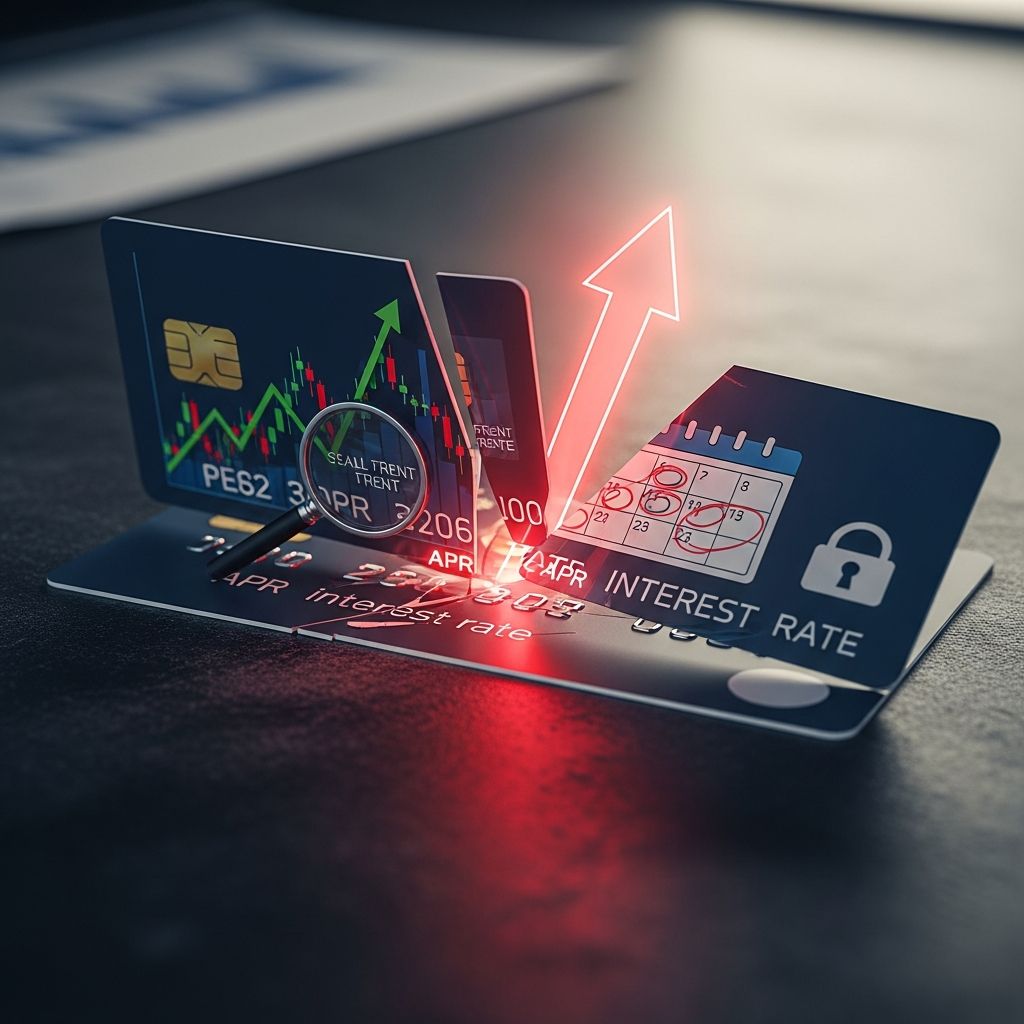
Your credit card’s annual percentage rate (APR) represents the cost of borrowing money on that card, calculated as a yearly percentage of your balance. When it spikes unexpectedly, it can significantly inflate your monthly payments and total debt burden. Understanding the triggers behind these changes empowers you to respond effectively and prevent further escalation.
Understanding Credit Card APR Basics
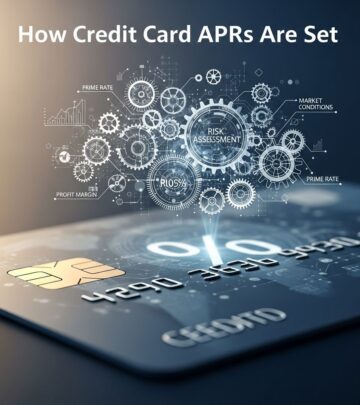
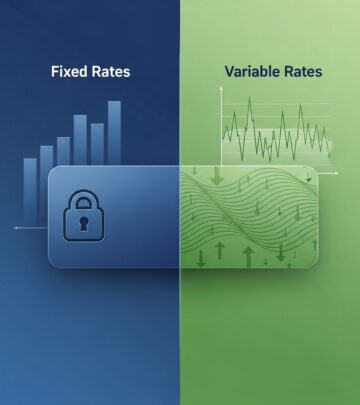
Most credit cards feature
variable APRs
, which fluctuate based on an index like the prime rate plus a margin set by the issuer. The prime rate, in turn, closely follows the Federal Reserve’s federal funds rate—the benchmark for overnight bank lending. Fixed APRs are rarer and less responsive to market shifts. Knowing this distinction is crucial, as variable rates comprise the vast majority of cards.APR applies differently to purchases, balance transfers, and cash advances, often with separate rates. Penalty APRs, which can exceed 29.99%, activate under specific adverse conditions and impact new purchases or existing balances.
Prime Rate Fluctuations: The Primary Culprit
The most widespread reason for APR increases is a rise in the
prime rate
, driven by Federal Reserve policy adjustments to curb inflation. From 2022 to 2023, the Fed hiked the federal funds rate aggressively, pushing the prime rate upward and elevating average credit card APRs to nearly 21%—almost double levels from a decade prior.Experts note that credit card rates track the prime rate “almost in lockstep,” with issuers quickly passing on hikes but delaying reductions. For instance, if your APR is prime plus 15% and prime rises from 4.5% to 5.25%, your rate jumps from 19.5% to 20.25% automatically, without 45 days’ notice for variable rates. This affects nearly all variable-rate cards, making it unavoidable for most consumers.
“Credit card APRs rose quickly because they’re tied to the economy, but they stay high because issuers choose not to lower them. High rates aren’t just economic, they’re strategic.” — Howard Dvorkin, Debt.com
Payment Delays Trigger Penalty Rates
Missing payments by 60 days or more invokes a
penalty APR
, one of the few scenarios allowing issuers to raise rates on existing balances under the Credit CARD Act of 2009. This rate, often the highest on your statement, applies to new purchases and can persist until you demonstrate consistent on-time payments for six months or more.Even 30-day delinquencies incur late fees and credit score damage, indirectly raising future APRs by signaling higher risk. In 2026, with delinquency rates climbing amid economic pressures, issuers are vigilant.
- 60+ days late: Penalty APR activates on current and future balances.
- Repeated lateness: Prolongs high penalty rates.
- Credit impact: Lowers score, prompting account reviews.
Introductory Offers Expiring
Promotional 0% or low APRs for balance transfers or purchases typically last 6-21 months. Upon expiration, your rate reverts to the standard purchase APR, often 15-29% based on your creditworthiness at approval. Issuers notify you 45 days in advance for non-variable changes, but the jump feels abrupt if you’ve grown accustomed to low costs.
| Promo Type | Typical Duration | Post-Expiration APR Range |
|---|---|---|
| Balance Transfer | 12-21 months | 15-25% |
| Purchase Intro | 6-12 months | 18-29% |
| Cash Advance | Immediate | 25-29.99% |
This shift underscores the need for a payoff plan before the promo ends.
Credit Profile Deterioration
A significant drop in your credit score prompts issuers to reassess risk and hike APRs, as they view you as more likely to default. FICO scores below 670 often correlate with higher rates; recent data shows U.S. averages declining with rising utilization.
Issuers monitor scores continuously and must provide 45 days’ notice for such changes, allowing an opt-out (though it risks account closure). High utilization—over 30% of limits—exacerbates this, as it signals overextension.
High Balances and Utilization Risks
Carrying balances exceeding 30% of your limit or nearing credit maximums flags you as high-risk, potentially triggering APR increases on new transactions. Issuers may view this as unsustainable debt, especially if payments falter.
In 2026, with average utilization up, this factor contributes to sustained high rates.
Workout Agreements and Cash Advances
Failing a debt workout agreement—temporary reduced terms for hardship—can lead to APR hikes upon noncompliance. Similarly, recent cash advances activate higher cash advance APRs (often 25%+), separate from purchase rates.
Strategies to Combat APR Increases
Don’t panic—proactive steps can mitigate damage:
- Pay on time always: Avoid penalty APRs; set autopay for minimums.
- Request a rate reduction: Call your issuer citing good history; success rates improve with strong payment records.
- Balance transfer to 0% promo: Move debt to a new card with intro offers, but plan payoff.
- Boost credit score: Lower utilization, dispute errors, add positive history.
- Debt consolidation: Personal loans or counseling for high debt.
If prime rates fall, variable APRs may decrease, though issuers adjust slowly.
Legal Safeguards for Consumers
The Credit CARD Act mandates 45 days’ notice for most APR changes (except variable/prime-linked or penalty), opt-out rights, and caps on penalty hikes. Review statements and Schumer Box for details.
FAQs: Credit Card APR Increases
Can my APR rise without notice?
Yes, for variable rates tied to prime or penalty APRs after 60-day delinquency—no advance notice required.
How long does penalty APR last?
Until six consecutive on-time payments, then it reverts.
Will paying off promo debt avoid hikes?
Yes, eliminating balances prevents interest accrual regardless of APR.
Does closing cards help lower APRs?
No—it may raise utilization and scores, worsening rates.
Are fixed APRs immune to changes?
Rarely offered; even they can change with 45 days’ notice for risk.
Long-Term Prevention Tips
Build habits like paying in full monthly, keeping utilization under 10%, monitoring scores via free tools, and shopping rates annually. Economic shifts like Fed cuts could ease rates in 2026, but personal discipline is key.
References
- Why are credit card rates so high right now? Here’s what experts say. — CBS News. 2026. https://www.cbsnews.com/news/why-are-credit-card-rates-so-high-2026-what-experts-say/
- Reasons a Credit Card APR Can Increase or Decrease. — SoFi. Accessed 2026. https://www.sofi.com/learn/content/what-can-increase-credit-card-apr/
- Why Did My Interest Rate Go Up On My Credit Card? — Bankrate. Accessed 2026. https://www.bankrate.com/credit-cards/news/what-to-do-after-card-apr-increase/
- 5 Times Your Credit Card Issuer Can Raise Your Interest Rate. — NerdWallet. Accessed 2026. https://www.nerdwallet.com/credit-cards/learn/credit-card-issuer-raising-interest-rate-5-times
- When and Why Your Credit Card Interest Rate Can Go Up. — FDIC.gov (Primary). 2023-02-15. https://www.fdic.gov/consumer-resource-center/when-and-why-your-credit-card-interest-rate-can-go
Similar Articles








Read full bio of Sneha Tete