7 Reasons Your Card Got Declined and How to Fix It
Learn why your card was declined and discover practical solutions to prevent embarrassing checkout moments.
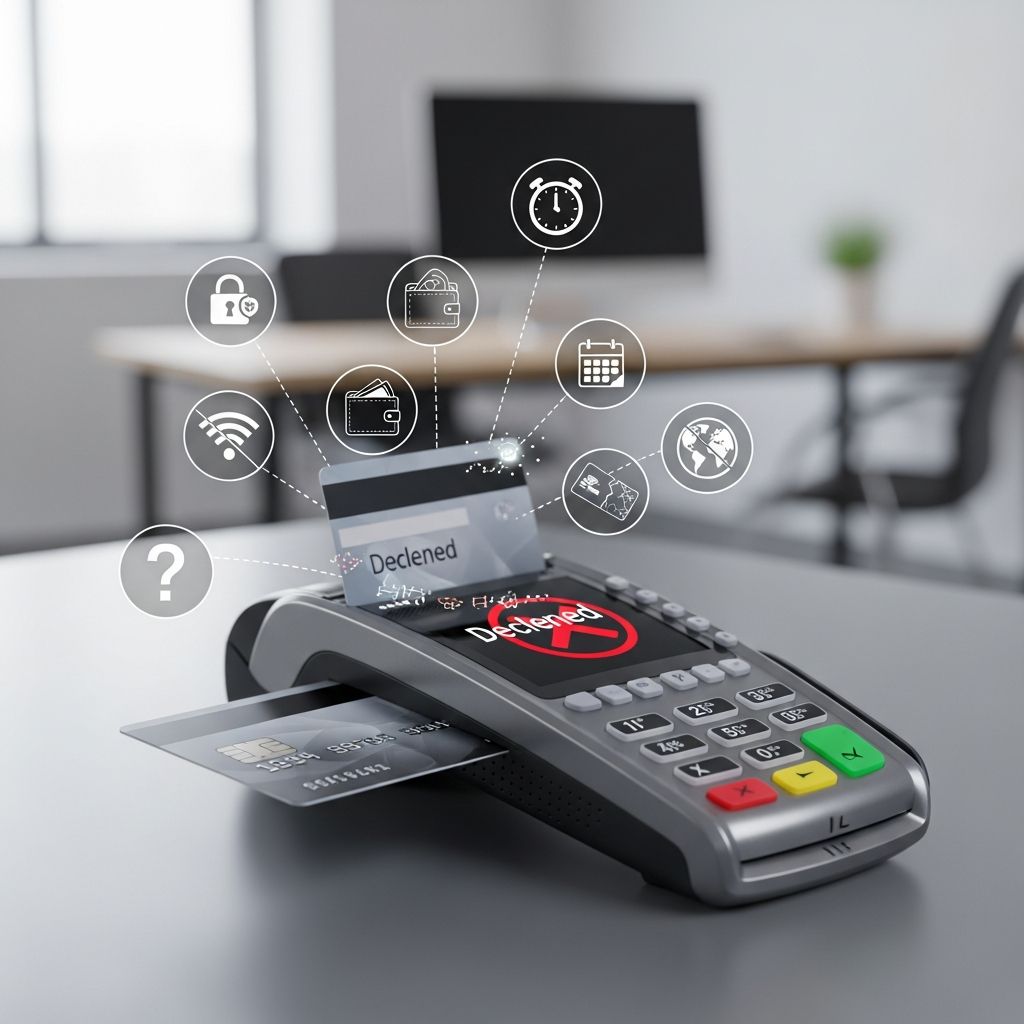
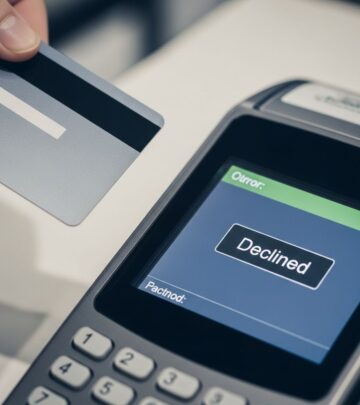
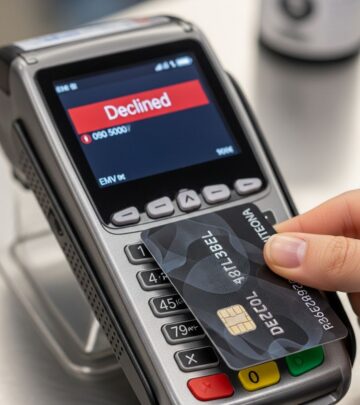
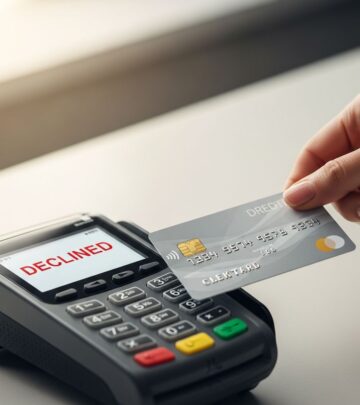
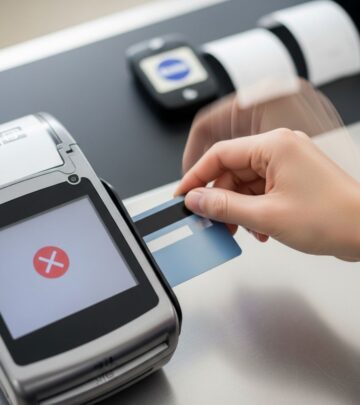
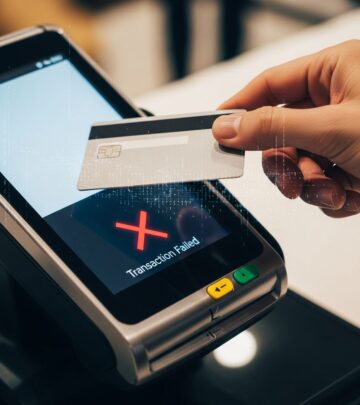
Getting your card declined at the checkout register ranks quite high among the most embarrassing personal finance problems. Holding up a long line of impatient shoppers or missing a window to land an online discount deal during a major sale event can create cringe-worthy money moments that can ruin your entire day. Beyond having insufficient funds on your credit or debit card, there are several reasons why your card transaction didn’t go through. Understanding these reasons and knowing how to fix them can save you from future embarrassment and financial frustration.
Understanding Card Declines
Card declines happen more often than you might think. When your card gets declined, it can be due to various reasons ranging from simple technical issues to more serious financial concerns. The good news is that most card declines are preventable once you understand what triggers them. By learning about the seven most common reasons for card declines and implementing the recommended solutions, you can significantly reduce the likelihood of facing this frustrating situation in the future.
1. Missing Payments
One of the most common reasons your card gets declined is because you’ve missed a payment. Approximately 6% of Americans admit they have been late making a credit card payment, and the consequences can be immediate. Depending on the terms of your card, an issuer can reserve the right to deactivate your card with as little as one missed payment. Some retailers, such as gas station chains or clothing stores, issue cards that require you to pay back a balance in full by the deadline in order to continue using the card in the next billing cycle.
How to Fix It
- Call the customer service line of your card issuer immediately and ask how much you need to pay to get the card reactivated
- If you have a positive payment history with the issuer or a substantial reason for the late payment, such as a medical emergency, request a waiver of any applicable late payment fees
- Make the required payment as soon as possible to restore your card’s functionality
- Prevent future missed payments by setting up a recurring automatic payment through your bank’s checking account or the card’s online payment portal for at least the required monthly minimum
- Set calendar reminders for payment due dates to stay on top of your obligations
2. Getting a Hold on Your Card
When you use your card to buy gas, rent a car, or book a hotel room, you may receive a hold on your account to ensure that you have sufficient funds to make your payment. These holds can be problematic because they temporarily reduce your available credit. For example, you may want to pump only $30 worth of gas, but the automatic payment terminal can put a hold of up to $125 on your card. If you only have $50 of available credit left, you may get declined for the $30 transaction you intended to make.
The timing of the release of these holds varies from issuer to issuer, meaning you might inadvertently exceed your current balance. This creates a frustrating situation where your card gets declined even though you technically have funds available once the hold is released.
How to Fix It
- At the gas station, pay with your debit card at the cashier inside before filling up to avoid the pump hold entirely
- When planning to use your debit card at a hotel or car rental agency, call ahead and inquire what the amount of the hold would be so you can budget accordingly
- Ask if the company accepts a cash deposit instead of a card hold, allowing you to get cash back right away instead of waiting for a hold to clear
- Consider using a credit card instead of a debit card for these types of transactions, as the financial impact of holds is less significant
- Keep track of pending holds on your account and monitor your available balance accordingly
3. Chip Card Reader Compatibility Issues
Getting used to your new chip card may take time. Some chip-enabled card readers won’t accept your chip debit or credit card when you try to swipe the magnetic stripe. Additionally, removing your chip card before receiving the on-screen prompt to do so can result in your payment being declined. While these issues represent a small inconvenience, understanding them can help you avoid unnecessary declines.
How to Fix It
- Always insert your chip card into the chip reader rather than swiping it
- Wait for the on-screen prompt before removing your card from the reader
- If a chip reader doesn’t work, ask the cashier for an alternative payment method or request they swipe your card manually
- Keep your card information updated in case magnetic stripe reading is needed as a backup
4. Fraud Protection Triggered
In response to increasing card fraud, many issuers pay close attention to purchases that are outside of your regular spending pattern. Your bank’s fraud detection system is designed to protect you, but it can sometimes flag legitimate transactions as suspicious. For example, if you have a history of paying a web hosting provider located in Sweden via PayPal but suddenly decide to use your credit card instead, the transaction might not go through. You’ll likely receive an SMS from your credit union’s fraud department asking to confirm the charge.
Another common way to trigger fraud protection is when using your credit card abroad without informing your financial institution about your travel plans. If you suddenly make purchases in a different country without notifying your bank, the system may automatically decline transactions to prevent fraud.
How to Fix It
- Inform your bank before traveling internationally or making unusual purchases in different locations
- Keep your contact information current so you can easily respond to fraud alerts
- When you receive a fraud alert, respond promptly to confirm the transaction is legitimate
- Review your account activity regularly to monitor for suspicious charges and patterns
- Maintain communication with your issuer about any significant changes to your spending habits
5. Forgotten Annual Fees
You know you still had at least $100 in available balance on your credit card, so why was your card declined? You probably forgot about the annual fee. In 2014, the average annual fee of credit cards was $163. If your card balance runs very close to the limit, you run the risk of having insufficient funds when the annual fee is charged. This can push your account over the credit limit, resulting in a declined transaction.
Annual fees are often overlooked because they charge automatically without warning, and many cardholders don’t anticipate this expense when managing their available balance.
How to Fix It
- Review your card’s terms and conditions to understand all fees that apply to your account
- Set a reminder for a month before the date of the annual fee so that you can cover it during your previous billing cycle’s payment
- Make a payment to cover the fee when it’s charged to restore your available credit immediately
- Consider switching to a card with no annual fee if you don’t use enough rewards to justify the cost
- Watch out for other fees beyond annual charges that could limit your available funds, such as foreign transaction fees or balance transfer fees
6. Maxed-Out Credit Limit
One of the most straightforward reasons for card decline is reaching your credit limit. When you try to purchase an item that will put you over your available credit limit, your credit card will be declined. This is a protective measure implemented by card issuers to prevent you from overspending beyond your agreed-upon limit.
How to Fix It
- Make a payment immediately to reduce your balance and increase your available credit
- Request a credit limit increase from your card issuer if you consistently need more credit
- Monitor your spending to ensure you don’t approach your credit limit
- Consider using multiple cards with different limits to spread your spending
7. Data Entry Errors and Technical Issues
Sometimes your card gets declined simply due to data entry errors or technical issues. Entering an incorrect card number, expiration date, CVV, or billing address can trigger a decline. Additionally, the payment processing system may experience temporary technical glitches that prevent transactions from going through.
How to Fix It
- Double-check all card information before submitting a payment, including card number, expiration date, and CVV
- Verify that your billing address matches exactly what’s on file with your card issuer
- Try the transaction again if it fails due to a technical issue
- Contact the merchant or your bank if errors persist across multiple attempts
- Use a different device or browser if technical issues continue
Quick Comparison: Common Decline Reasons and Solutions
| Decline Reason | Primary Cause | Quick Fix | Prevention Strategy |
|---|---|---|---|
| Missed Payment | Late or overdue balance | Call issuer and pay immediately | Set automatic payments |
| Card Hold | Pre-authorization hold on funds | Pay inside at cashier or call hotel/rental | Plan ahead for holds |
| Chip Card Issue | Card insertion or removal timing | Wait for prompt before removing | Insert chip correctly |
| Fraud Alert | Unusual spending pattern detected | Confirm transaction with issuer | Notify bank of travel plans |
| Annual Fee | Fee charged without available balance | Make payment to cover fee | Set annual fee reminders |
| Maxed Credit Limit | Balance at or above credit limit | Make immediate payment | Monitor account balance |
| Data Entry Error | Incorrect card or billing information | Verify and resubmit details | Double-check before submitting |
Best Practices to Prevent Card Declines
Prevention is always better than dealing with the embarrassment and inconvenience of a declined card. By implementing these best practices, you can minimize the likelihood of experiencing a card decline:
- Monitor your account regularly and set up account alerts for important transactions or balance thresholds
- Maintain automatic payments to ensure you never miss a payment deadline
- Keep your contact information current with your card issuer so you can receive fraud alerts immediately
- Review your card’s terms and conditions to understand all applicable fees
- Communicate with your issuer about major life changes, such as travel plans or address changes
- Keep your available balance well below your credit limit to account for unexpected fees or holds
- Use secure, verified payment methods when making online transactions
Frequently Asked Questions
Q: How long does it take for a card decline due to fraud to be resolved?
A: Once you confirm that a flagged transaction is legitimate with your card issuer, the decline is typically lifted immediately, and the transaction will process. If fraud is confirmed, your issuer will begin an investigation and may issue you a new card.
Q: Can I negotiate to have an annual fee waived?
A: Yes, if you have a good payment history and strong relationship with your card issuer, you can call and request a waiver of the annual fee. Be polite and explain your situation, and the issuer may waive it as a courtesy to retain your business.
Q: What should I do if my card is declined due to insufficient funds?
A: Make a payment to your account immediately to increase your available balance. If the decline was due to a temporary hold, wait for the hold to clear and try again. If it’s due to your balance being at or near your limit, consider reducing your spending or requesting a credit limit increase.
Q: How can I check my available credit before making a purchase?
A: Most card issuers provide access to your account balance through their mobile app, website, or by calling customer service. Check your available balance before making large purchases to avoid declines.
Q: Will a declined card transaction affect my credit score?
A: A simple decline does not directly affect your credit score. However, if the decline is due to a missed payment or delinquency, your credit score may be negatively impacted. Always make payments on time to protect your credit.
Q: What’s the difference between a card decline and a fraud hold?
A: A card decline means the transaction is rejected and won’t process. A fraud hold temporarily locks your account while the issuer investigates suspicious activity. Once fraud is cleared, holds are typically released within 24-48 hours.
Taking Control of Your Financial Security
Card declines are frustrating, but they’re often preventable. By understanding the seven most common reasons your card might get declined and implementing the recommended solutions, you can take control of your financial transactions. Stay proactive by monitoring your account, communicating with your issuer, and managing your spending responsibly. Remember that your card issuer’s fraud protection measures are in place to protect you, and a little communication can resolve most decline situations quickly.
References
- 7 Reasons Your Card Got Declined (And How to Fix It) — Wise Bread. Accessed January 2026. https://www.wisebread.com/7-reasons-your-card-got-declined-and-how-to-fix-it
- Why a Credit Card Gets Declined — Bread Financial. Accessed January 2026. https://www.breadfinancial.com/en/financial-education/understanding-credit/why-credit-card-declined.html
- Card Declines: Reasons and Solutions — Platinum Payments. Accessed January 2026. https://platinumpayments.com/card-declines/
Similar Articles








Read full bio of medha deb