Real Property: Definition, Types, and Legal Rights
Comprehensive guide to real property: Understanding land ownership, types, and legal implications.
What Is Real Property?
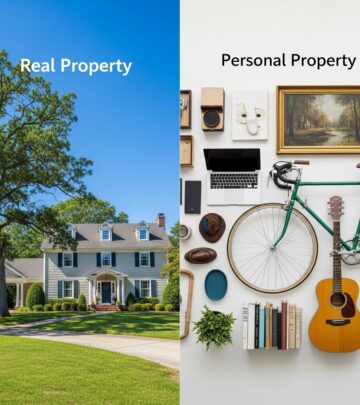
Real property refers to land and anything permanently attached to it, including buildings, structures, and natural resources such as minerals, water, timber, and crops. Unlike personal property, which consists of movable items like vehicles, furniture, or jewelry, real property is immovable and forms the foundation of wealth accumulation and economic stability for individuals and businesses alike.
In legal terms, real property encompasses not only the physical land and structures but also the rights and interests associated with owning that land. This broader definition makes real property a complex asset class with significant legal, financial, and personal implications. The concept of real property is foundational to property law and distinguishes between what can be owned as a fixed asset versus what can be easily transferred or moved.
Real property is generally considered one of the most valuable assets a person can acquire, as it typically appreciates over time. The value of real estate serves as a leading indicator of an economy’s health, with millions of jobs in home improvement, development, lending, insurance, and related businesses directly impacted by the real estate market.
Real Property vs. Personal Property
Understanding the distinction between real and personal property is essential for legal, tax, and investment purposes. This classification affects how assets are taxed, inherited, transferred, and protected under law.
Key Differences
Real Property consists of land and anything permanently attached to it. These are fixed assets that cannot be easily moved or altered. Real property includes buildings, structures, natural resources, and the rights associated with land ownership.
Personal Property includes movable items or possessions not fixed to land. Personal property encompasses both tangible items—such as vehicles, boats, jewelry, and furniture—and intangible assets like stocks, bonds, patents, and copyrights.
The key distinction lies in permanence and attachment. If an item is permanently affixed to land or comes with the land, it’s considered real property. If it can be moved or doesn’t naturally belong to the land, it’s personal property.
Types of Real Property
Real property is categorized into several distinct types based on its use and characteristics. Understanding these categories is crucial for investors, homeowners, and business professionals.
Residential Real Estate
Residential real estate is used for occupation and living purposes. It comprises everything from single-family homes to multi-family rental units and can even include portable dwellings like houseboats.
Common types of residential properties include:
- Single-family homes – detached houses owned and occupied by one family
- Multi-family units – apartment buildings or complexes with multiple separate living spaces
- Townhouses or rowhouses – a number of single or multi-unit buildings in a continuous row with shared walls and no intervening space
- Condominiums – individual units within a building or complex where common areas are jointly owned and shared
- Estates – very large properties comprising buildings, supporting farmland, and woods
While owning and occupying an individual home won’t generate rental income, your property can develop significant equity over time. As your home’s value increases and you pay down your mortgage, your equity rises, giving you a valuable asset that can be leveraged for other financial objectives.
Commercial Real Estate
Commercial real estate is used to conduct business or professional activities and generate income through commercial means. This typically involves the owner leasing property to other businesses, which provides revenue. The owner may also operate their own business on the property.
Examples of commercial real estate include office buildings, retail stores, shopping centers, hotels, restaurants, and other income-producing properties. Commercial properties are specifically designed to turn a profit through tenant leases and business operations.
Industrial Real Estate
Industrial real estate is similar to commercial property in that it’s also intended to turn a profit. This category includes farms, mines, factories, warehouses, and manufacturing facilities. Industrial properties are typically larger in scale and designed for production, storage, or resource extraction.
Industrial real estate serves as the backbone of manufacturing and production economies, providing spaces for businesses to operate at scale.
Land
Undeveloped land can be held vacant for future development or used to generate income through grazing, timber, agriculture, or other uses. Even separate from other functional uses, land tends to increase in value over time, making it a consistently strategic investment. Raw land investments appeal to those seeking long-term appreciation or future development opportunities.
Components of Real Property
Real property extends beyond just the land itself. It includes several distinct components that collectively define the scope of ownership and rights:
- Land – The most basic form of real property, including rights that extend below the surface (mineral rights) and above (air rights)
- Buildings and Structures – Any buildings, homes, or other structures permanently affixed to the land
- Fixtures – Items that were once personal property but have become permanently attached to real property, such as built-in bookshelves or furnaces
- Agricultural Properties – Farms and orchards, including the land and permanent fixtures used for farming operations
- Natural Resources – Oil reserves, mineral deposits, and timber standing on the land, which can be subject to separate rights and ownership
- Water Rights – Rights to water bodies or use of water resources for residential, agricultural, or commercial purposes
Ownership and Transfer of Real Property
In the United States, the transfer, owning, or acquisition of real property can occur through various legal entities, including business corporations, individuals, nonprofit corporations, fiduciaries, or any legal entity as seen within the law of each U.S. state.
Purchasing Real Property
Purchasing real property, such as a traditional single-family home, is generally facilitated by a licensed real estate agent, broker, and/or attorney specializing in real estate transactions. For most people, purchasing real property requires financing through a mortgage, which is a real-estate-specific loan backed or insured by either the federal government or a private lender.
Those with sufficient capital can purchase real estate outright in cash, but this represents a minority of transactions in the residential market.
Real Property Rights
Real property rights are significantly more complex and extensive than rights associated with personal property. These rights differentiate real property from personal property in important ways.
Key property rights include:
- Mineral Rights – The right to extract and benefit from minerals beneath the surface of the property
- Air Rights – The right to use the airspace above the property, increasingly valuable in urban development
- Water Rights – Rights to use, divert, or benefit from water resources on or adjacent to the property
- Use Rights – The ability to use the property for specific purposes defined by zoning laws and deed restrictions
- Transfer Rights – The ability to sell, lease, or transfer the property to others
These rights can be subdivided and sold separately, providing flexibility in property ownership and investment strategies.
Real Property Investment
Real property represents one of the most accessible and popular investment vehicles for building wealth. There are several approaches to investing in real property:
Buy-and-Hold Strategy
Real estate can be purchased as a buy-and-hold asset, which aims to generate income through short-term, long-term, or vacation rentals. This strategy emphasizes long-term appreciation and steady rental income.
House Flipping
House flipping is another common form of real estate investing, in which the buyer adds value to a purchased property and then sells it for a profit. This strategy focuses on short-term gains through property improvements and resale.
Passive Real Estate Investing
If investing in real estate on your own presents too much risk, it’s possible to purchase a fractional share of a property or asset through a syndication, partnership, or investment fund. This diversifies risk and provides equity and distributions to all partners. This approach is often called passive real estate investing, as you don’t directly manage the property; your money is put to work by experienced investors.
Financing Options
Purchasing real estate for investment can be done out-of-pocket, through traditional lending sources like banks, or via sources like hard money lenders and private lenders. More innovative solutions—such as real estate crowdfunding platforms—also allow investors to acquire real estate in alternative ways.
Real Property Appraisal and Valuation
Real property appraisal is the process of developing an opinion of value for real property. Professional appraisals are essential for purchase transactions, refinancing, insurance purposes, and tax assessments. Appraisers consider numerous factors including location, condition, comparable sales, income potential, and market conditions.
Frequently Asked Questions
Q: What is the main difference between real property and personal property?
A: Real property consists of land and anything permanently attached to it, while personal property includes movable items like vehicles, furniture, and jewelry. Real property is fixed and immovable, whereas personal property can be transferred and relocated.
Q: Can mineral rights be sold separately from the land?
A: Yes, mineral rights and other real property rights like air rights and water rights can be subdivided and sold separately from the main property, providing flexibility in ownership and investment strategies.
Q: What are the best strategies for investing in real estate?
A: Common strategies include buy-and-hold for rental income, house flipping for short-term gains, and passive investing through partnerships or crowdfunding. The best strategy depends on your capital, risk tolerance, and investment goals.
Q: How does real property appreciation affect personal wealth?
A: Real property typically appreciates over time, increasing your equity in the property. As you pay down your mortgage and the property value increases, you build wealth and gain a valuable asset you can leverage for other financial objectives.
Q: Who typically facilitates the purchase of real property?
A: Licensed real estate agents, brokers, and attorneys specializing in real estate transactions typically facilitate property purchases. They guide buyers through the process and ensure proper legal documentation.
Q: What financing options are available for real estate investment?
A: Options include traditional bank mortgages for residential purchases, commercial loans for business properties, hard money lenders for investment properties, private lenders, and emerging solutions like real estate crowdfunding platforms.
References
- Real estate — Wikipedia. Accessed 2025. https://en.wikipedia.org/wiki/Real_estate
- Real Estate Explained: Definition And Types — Bankrate. 2024. https://www.bankrate.com/real-estate/what-is-real-estate/
- Understanding Real Property: Definition, Rights, and Key Examples — University of Pittsburgh School of Law. 2024. https://online.law.pitt.edu/blog/understanding-real-property
Similar Articles








Read full bio of Sneha Tete