Real Estate: What It Is and How It Works
Master the fundamentals of real estate: definitions, types, investments, and market dynamics explained.

What Is Real Estate?
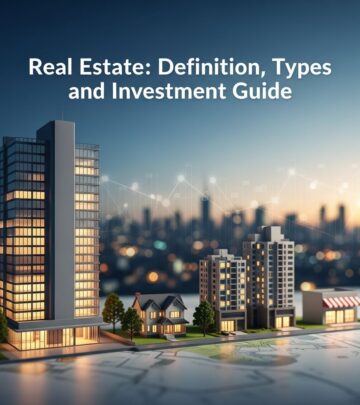
Real estate represents one of the most significant asset classes in the global economy, affecting millions of individuals, businesses, and governments. At its core, real estate refers to a piece of land and any permanent structures affixed to it, whether natural or man-made. This foundational concept extends beyond simple physical structures to encompass a comprehensive bundle of rights, responsibilities, and economic opportunities.
The term “real estate” is derived from two Latin words: “real,” meaning relating to land property as opposed to personal property, and “estate,” meaning the interest or right a person has in that land property. Real estate is fundamentally different from personal property—items that are not permanently attached to land, such as vehicles, jewelry, furniture, or farm equipment. Understanding this distinction is crucial for anyone entering the real estate market, whether as a buyer, seller, investor, or professional.
Real estate includes not only the physical land but also all permanent improvements on it, such as houses, office buildings, warehouses, and shopping centers. Additionally, it encompasses natural resources on the property, including minerals, water, crops, timber, and even air rights above the land and underground rights below it. This comprehensive definition reflects the multifaceted nature of real estate as both a tangible asset and a complex legal construct.
Understanding Real Property Rights
The foundation of real estate ownership rests on the concept of property rights. Property rights define the legal ownership and use of land and structures, granting individuals, businesses, and governments the authority to buy, sell, lease, and develop real property. These rights are essential to understanding how the real estate market functions and what it means to own property.
Property rights encompass several critical dimensions:
- Right of possession: The ability to occupy and control the property
- Right of use: The authority to utilize the property in ways permitted by law and local regulations
- Right of disposal: The power to sell, lease, or transfer ownership to others
- Right to improvements: The ability to make permanent modifications and enhancements to the property
- Air and underground rights: Ownership of space above and below the land surface, varying by jurisdiction
These property rights enable the economic growth and development that characterizes modern real estate markets. When individuals understand and can exercise these rights, they can make informed decisions about purchasing, investing, or developing property. Different jurisdictions may have varying rules regarding these rights, particularly concerning air rights, mineral rights, and water rights, making it essential to understand local regulations before making property decisions.
Major Types of Real Estate
The real estate market encompasses diverse property types, each with distinct characteristics, purposes, and investment potential. Understanding these categories is essential for investors, buyers, and professionals navigating the real estate landscape.
Residential Real Estate
Residential real estate consists of properties designed for individuals and families to live in. This category represents the most familiar type of real estate to most people, encompassing properties used for personal living spaces. Common types of residential properties include:
- Single-family homes
- Condominiums and apartments
- Townhouses and rowhouses
- Multifamily residential buildings
- Mobile homes and manufactured housing
Residential properties are typically purchased or rented by individuals for personal use, providing shelter and creating a sense of community. However, residential real estate also offers significant investment opportunities. Investors may purchase single-family homes to rent to tenants, generating monthly income while building equity. Others employ fix-and-flip strategies, purchasing undervalued properties, renovating them, and selling them for profit. The residential sector remains the most accessible entry point for individual real estate investors and continues to appreciate over time, making it a valuable long-term investment for wealth building.
Commercial Real Estate
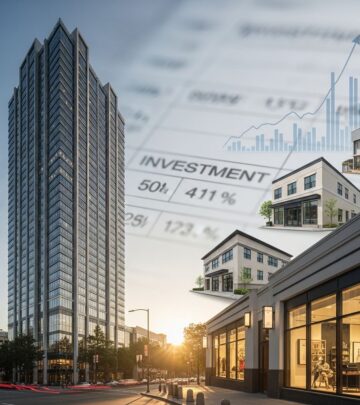
Commercial real estate is intended for business purposes and accommodates various commercial activities such as retail operations, office spaces, and hospitality services. This sector encompasses a wide range of properties with distinct purposes and revenue models. Major categories include:
- Retail properties (shopping centers, strip malls, standalone stores)
- Office buildings and corporate campuses
- Hotels and hospitality properties
- Medical offices and professional buildings
- Mixed-use developments combining retail, office, and residential
Investors in commercial real estate generate income through lease agreements with tenants, capitalizing on business operations and consumer demand. Commercial properties typically command higher prices than residential properties but offer potential for substantial returns through long-term appreciation and consistent rental income. Commercial real estate investments generally require more capital, expertise, and management involvement than residential properties, making them more suitable for experienced investors or investment groups.
Industrial Real Estate
Industrial real estate encompasses properties used for manufacturing, warehousing, and distribution purposes. This category has experienced tremendous growth due to the expansion of e-commerce and the global supply chain. Industrial properties include manufacturing facilities, warehouses, distribution centers, and logistics hubs. These properties often require specific infrastructure, including loading docks, specialized electrical systems, and extensive parking for commercial vehicles.
Land and Vacant Properties
Land real estate refers to properties without structures or improvements, encompassing vacant land, undeveloped land, and properties with natural resources. This category offers unique investment opportunities and development potential depending on location, zoning regulations, and market demand. Investors may purchase land for future development, agricultural use, or speculative purposes. Land investments typically require lower acquisition costs but demand patience and understanding of local development potential and zoning laws.
Real Estate vs. Personal Property
A critical distinction in real estate understanding involves differentiating between real property and personal property. Real estate specifically refers to land and any permanent structures on it, focusing on the physical aspects of the land and buildings. Personal property, conversely, includes all other tangible and intangible assets not permanently attached to land.
Examples clarify this distinction: if you own a home with a garage permanently attached to it, both the home and garage constitute real property. However, a movable picnic table in your backyard, despite being on your property, remains classified as personal property because it is not permanently affixed to the land. Similarly, vehicles, boats, jewelry, and farm equipment are all personal property. This distinction has significant legal and tax implications, as real property and personal property are treated differently in terms of ownership rights, taxation, and legal transfers.
How the Real Estate Market Works
The real estate market operates as a complex system involving buyers, sellers, investors, lenders, and professionals working together to facilitate property transactions and development. Understanding this market dynamic is essential for anyone considering purchasing, selling, or investing in real estate.
The Role of Real Estate Professionals
Real estate professionals play crucial roles in facilitating transactions and property management. These professionals include:
- Real estate agents: Licensed professionals who represent buyers or sellers in property transactions
- Real estate brokers: Agents with additional licensing and experience who oversee transactions and manage other agents
- Property managers: Professionals who manage rental properties on behalf of owners, handling tenant relations and maintenance
- Real estate investors: Individuals or entities who purchase properties for income or appreciation
- Real estate appraisers: Professionals who determine property values for lending and valuation purposes
Market Dynamics and Economic Indicators
The value of real estate is a leading indicator of an economy’s health, reflecting broader economic conditions and consumer confidence. Real estate markets are influenced by numerous factors including interest rates, employment levels, population growth, and inflation. When economic conditions are strong, real estate values typically appreciate, encouraging investment and development. Conversely, economic downturns often result in declining property values and reduced market activity.
Millions of jobs in home improvement, development, lending, insurance, and related businesses are directly impacted by the real estate market. The housing market particularly influences consumer spending and economic growth, making real estate central to broader economic performance.
Real Estate as an Investment
Real estate investment offers individuals and businesses opportunities to generate passive income and build long-term wealth. Unlike stocks or bonds, real estate provides tangible assets that produce ongoing income streams while appreciating over time. Several investment strategies exist within real estate:
Buy-and-Hold Strategy
This long-term approach involves purchasing property and holding it for extended periods, benefiting from appreciation while collecting rental income. Property values typically appreciate over time, building equity for investors. This strategy works well for those with patient, long-term investment horizons and sufficient capital for property acquisition and maintenance.
Fix-and-Flip Strategy
Investors purchase undervalued or distressed properties, renovate them, and resell them for profit. This strategy requires knowledge of construction, renovation costs, and market values, but can generate substantial returns in shorter timeframes compared to buy-and-hold approaches.
Rental Income Strategy
Property owners generate ongoing income by renting residential or commercial properties to tenants. This strategy provides consistent cash flow while building long-term wealth through property appreciation and mortgage paydown.
Real Estate Investment Trusts (REITs)
For investors seeking real estate exposure without direct property management, Real Estate Investment Trusts offer opportunities to invest in professionally managed real estate portfolios. REITs provide liquidity and diversification unavailable with direct property ownership.
Why Real Estate Matters Economically
Real estate is generally one of the most valuable assets a person can acquire as it typically appreciates over time. This appreciation, combined with the ability to leverage borrowed capital through mortgages, makes real estate an powerful wealth-building tool. Homeownership rates, rental markets, and property development rates all reflect broader economic health and consumer confidence.
The real estate sector’s economic importance extends beyond individual wealth building. Real estate development drives job creation, stimulates local economies, and shapes community development. Infrastructure investment, construction employment, and related service industries all depend on healthy real estate markets. Understanding real estate’s economic significance helps investors and stakeholders appreciate its role in broader economic systems and growth.
Frequently Asked Questions
Q: What is the difference between real estate and real property?
A: Real estate and real property are closely related terms often used interchangeably. Real estate typically refers to the land and any permanent structures on it, while real property is the legal term describing ownership rights and interests in that land and structures. Real property encompasses the legal and financial interests, while real estate emphasizes the physical aspects of land and buildings.
Q: Can I invest in real estate with limited capital?
A: Yes, there are several ways to invest in real estate with limited capital. Real Estate Investment Trusts (REITs) allow investment with minimal capital. Additionally, house hacking involves purchasing a multifamily property, living in one unit, and renting others to cover expenses. Real estate crowdfunding platforms also enable smaller investments in larger properties.
Q: How do property rights affect real estate ownership?
A: Property rights define what you can and cannot do with your real estate. They establish your legal authority to use, modify, lease, or sell the property. Property rights also include air rights above and underground rights below the property, though these vary by jurisdiction. Understanding these rights is essential before purchasing property.
Q: What factors influence real estate values?
A: Real estate values are influenced by numerous factors including location, property condition, local economic conditions, interest rates, supply and demand dynamics, neighborhood development, school quality, and proximity to amenities. Market cycles, employment levels, and broader economic indicators also significantly impact property values.
Q: Is real estate a good long-term investment?
A: Real estate has historically been a sound long-term investment for building wealth. Properties typically appreciate over time, provide rental income, offer tax benefits, and allow leverage through mortgage financing. However, real estate requires capital, management, and patience, making it more suitable for certain investors than others.
Q: What is the difference between commercial and residential real estate?
A: Residential real estate consists of properties where people live, including single-family homes, apartments, and condominiums. Commercial real estate is used for business purposes, including office buildings, retail spaces, and hotels. Commercial properties typically involve larger investments but offer potential for substantial returns through tenant leases.
References
- Real Estate Simplified: Definition and Types — GK Law. Accessed November 2025. https://gklaw.ca/real-estate-simplified-definition-and-types/
- Real Estate — Wikipedia. Accessed November 2025. https://en.wikipedia.org/wiki/Real_estate
- Real Estate Explained: Definition And Types — Bankrate. Accessed November 2025. https://www.bankrate.com/real-estate/what-is-real-estate/
- What Is Real Estate? Learn The Basics In Our Beginner’s Guide — Real Estate Skills. Accessed November 2025. https://www.realestateskills.com/blog/what-is-real-estate
- What is Real Estate? A Comprehensive Guide for Beginners — G2 Learn. Accessed November 2025. https://learn.g2.com/what-is-real-estate
Similar Articles








Read full bio of Sneha Tete