Real Estate Supply and Demand: Market Dynamics Explained
Master the forces driving real estate markets: understand supply, demand, and price dynamics.

Understanding Real Estate Supply and Demand
The real estate market operates on fundamental economic principles that determine how properties are valued, bought, and sold. Supply and demand represent the core forces that shape market conditions, influencing everything from home prices to market availability. Understanding these dynamics is essential for anyone involved in real estate, whether as an investor, buyer, seller, or financial advisor. The interaction between available properties and buyer interest creates market conditions that range from highly favorable for sellers to advantageous for buyers.
What Is Demand in Real Estate?
Demand in the real estate market refers to the number of people willing and able to purchase properties at various price points. This is not simply about interest in real estate—it represents actual purchasing power combined with genuine intent to buy. Demand fluctuates based on numerous economic and social factors that affect buyers’ ability and willingness to enter the market.
Key Factors Driving Real Estate Demand
Several critical factors influence the level of demand in real estate markets:
- Interest Rates: Lower mortgage rates reduce borrowing costs, making homeownership more affordable and attracting more buyers to the market. Conversely, rising interest rates increase monthly payments, reducing demand.
- Employment Levels: Strong job markets with stable employment growth increase buyer confidence and purchasing power. When unemployment rises, demand typically contracts.
- Population Growth and Demographics: Increasing populations, particularly young professionals and first-time homebuyers, naturally increase housing demand in growing areas.
- Income Growth: Rising incomes enable more people to afford homes and invest in real estate. Real income levels directly correlate with purchasing power.
- Consumer Confidence: When people feel optimistic about economic conditions, they are more likely to make large purchases like homes. Economic uncertainty dampens demand.
- Government Policies: Tax incentives, first-time homebuyer programs, and relaxed lending regulations can substantially increase demand.
- Inflation: While moderate inflation can support property values, excessive inflation erodes purchasing power and affordability.
Understanding Supply in Real Estate
Supply refers to the total number of properties available for purchase or rent at any given time. Unlike demand, which can increase quickly through changing economic conditions, supply adjusts more slowly. The housing supply is constrained by physical, regulatory, and economic limitations that prevent rapid expansion.
Factors Influencing Real Estate Supply
Multiple elements impact the availability of properties in the market:
- Construction Rates: The pace of new home construction directly adds to available inventory. High construction rates increase supply, while slow construction reduces it.
- Land Availability and Zoning Laws: Regulatory restrictions and limited developable land constrain how many new properties can be built in specific areas.
- Material and Labor Costs: Rising construction expenses reduce developer profitability and incentive to build, limiting supply growth.
- Existing Homeowner Behavior: When property owners choose not to sell, inventory shrinks. Economic uncertainty often causes owners to hold properties rather than listing them.
- Natural Disasters and Economic Downturns: Unexpected events can damage housing stock and discourage new development, reducing supply.
- Developer Profitability: When developers cannot achieve adequate profit margins, they reduce construction activity, limiting new supply.
The Supply and Demand Relationship
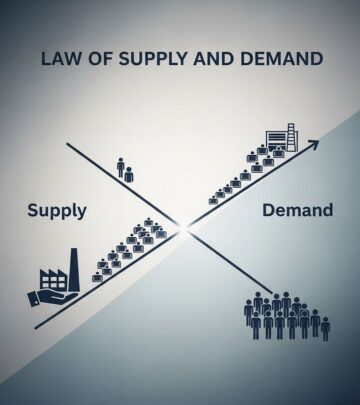
The real estate market reaches equilibrium when supply and demand align—when the number of available properties matches buyer interest at prevailing prices. However, perfect equilibrium rarely exists. Instead, markets constantly fluctuate between conditions favoring buyers and conditions favoring sellers.
Seller’s Market Conditions
When demand significantly exceeds supply, the market favors sellers. Properties sell quickly, buyers compete through bidding wars, and prices rise substantially. These conditions typically emerge when population growth accelerates, interest rates drop, or employment increases while new construction cannot keep pace. In seller’s markets, multiple offers become common, negotiations favor property owners, and price appreciation accelerates.
Buyer’s Market Conditions
Conversely, when supply exceeds demand, buyers gain negotiating advantage. Inventory sits longer on the market, prices stabilize or decline, and buyers can be more selective. Buyer’s markets often develop during economic recessions, periods of high interest rates, or when new construction outpaces population growth. These conditions provide opportunities for careful buyers to negotiate favorable terms.
Market Equilibrium and Price Discovery
Real estate prices adjust to reflect the balance between supply and demand at any moment. When demand increases relative to supply, prices rise. When supply expands faster than demand grows, prices decline. This price mechanism communicates market conditions to both buyers and sellers, directing resources toward areas with strong demand and available investment opportunities.
In balanced markets, typically five to six months of inventory exists—meaning that at the current sales pace, all available homes could sell within that timeframe. This balanced condition represents neither a strong buyer’s nor seller’s market, with relatively stable prices and normal negotiation dynamics.
Market Cycles and Disruptions
Real estate markets experience recurring cycles as supply and demand relationships shift. Understanding these patterns helps investors and buyers anticipate market movements.
Housing Shortages
When demand persistently exceeds supply in specific markets, housing shortages develop. This situation creates competitive bidding, rapid price appreciation, and frustrated buyers unable to find available properties. Shortages often persist in desirable urban areas where regulatory restrictions limit development and land scarcity constrains expansion.
Housing Bubbles
Speculative buying or artificially stimulated demand can create unsustainable price increases disconnected from fundamental value. When prices rise faster than incomes or rents justify, bubbles form. These eventually correct through price declines, reduced demand, or increased supply. The 2008 financial crisis illustrated how housing bubbles can collapse catastrophically when underlying demand cannot support inflated prices.
Market Corrections
As prices increase, affordability declines, reducing demand. This natural correction mechanism gradually balances markets. When homes become unaffordable relative to incomes, fewer buyers qualify for mortgages, demand falls, and prices stabilize. These corrections, while sometimes painful for current owners, create affordability for future buyers.
External Forces Reshaping Supply and Demand
Beyond fundamental economic factors, external shocks can dramatically alter supply and demand dynamics.
Economic Disruptions
Recessions and downturns reduce employment and consumer confidence, immediately dampening demand. During such periods, fewer people qualify for mortgages, and existing owners may defer selling. Supply can actually increase as foreclosures add inventory, creating severe imbalances.
Pandemic Effects and Shifting Preferences
The COVID-19 pandemic dramatically reshaped real estate demand patterns. Remote work capabilities shifted preferences from urban apartments to suburban homes with space for home offices and outdoor areas. This redistribution of demand created localized shortages in desirable suburbs while increasing vacancies in urban centers, demonstrating how non-economic factors can fundamentally alter market geography.
Government Intervention
Policies directly influence market dynamics through rent controls, housing subsidies, zoning modifications, and lending regulations. While intended to improve affordability, such interventions can have unintended consequences—rent controls may reduce new supply development, while overly relaxed lending can inflate demand unsustainably.
Regional Supply and Demand Variations
Real estate markets are fundamentally local. Supply and demand conditions vary dramatically between regions based on population growth, economic development, and regulatory environment. Dense urban areas often experience inelastic supply—prices rise sharply because development constraints limit how much new construction can occur. Conversely, areas with abundant land and permissive zoning experience more elastic supply, where price increases quickly stimulate new construction.
For every 1% increase in population, home prices typically increase approximately 0.03%. This relationship highlights how population dynamics directly translate into real estate value creation. Fast-growing regions like technology hubs and healthcare-centered areas experience sustained price appreciation, while declining regions often experience stagnation or price reduction.
Supply Elasticity and Price Dynamics
The responsiveness of housing supply to price changes—known as supply elasticity—significantly affects how prices adjust. In areas with elastic supply, rising prices quickly trigger new construction that increases inventory, moderating further price increases. In areas with inelastic supply, price increases cannot be met with additional construction, causing prices to rise more dramatically.
Urban areas with strong preservation laws, limited developable land, or restrictive zoning typically have inelastic supply. These locations—including London, Bristol, and Manchester—have experienced faster house price appreciation over the past decade precisely because supply cannot easily adjust to increased demand.
Investment Implications of Supply and Demand
Understanding supply and demand dynamics is crucial for real estate investors. Markets with growing populations and constrained supply offer better appreciation potential. Areas with oversupply and stagnant demand present risks of price depreciation. Successful investors analyze local demographics, regulatory environments, and development pipelines to identify markets where supply and demand favor returns.
Multifamily housing and student accommodation sectors particularly demonstrate how demographic trends create investment opportunities. Young populations drive demand for rental housing, while limited new construction creates supply constraints that support rental rate growth and property appreciation.
Looking Forward: Market Predictions
Interest rates will continue influencing market conditions in 2025, as they fundamentally affect affordability. Employment markets remain critical—strong job creation supports housing demand, while economic uncertainty dampens it. Technology hubs and healthcare-centered cities are expected to experience continued demand strength due to favorable employment growth.
In large cities experiencing housing shortages, property values will likely continue appreciating as supply constraints persist. Meanwhile, the multifamily sector, particularly purpose-built student housing, should continue benefiting from demographic tailwinds and limited new supply growth.
Frequently Asked Questions
Q: How do interest rates affect real estate supply and demand?
A: Lower interest rates reduce mortgage payments, making homeownership more affordable and increasing demand. Higher rates increase monthly payments, reducing affordability and dampening demand. Interest rates are among the most powerful demand shifters in real estate markets.
Q: What is a balanced real estate market?
A: A balanced market has equal numbers of buyers and sellers with five to six months of inventory available. At the current sales pace, this inventory would take five to six months to sell completely, creating stable conditions for both parties.
Q: Why do some areas experience faster house price appreciation than others?
A: Areas with inelastic supply—limited land, restrictive zoning, or preservation laws—experience faster price appreciation because supply cannot easily adjust to increased demand. Dense urban areas like London and Manchester exemplify this dynamic.
Q: How do external shocks like pandemics affect real estate supply and demand?
A: Major disruptions can dramatically shift demand patterns geographically and by property type. The COVID-19 pandemic increased demand for suburban homes with space and decreased demand for urban apartments, creating regional supply-demand imbalances.
Q: What impact does population growth have on real estate prices?
A: Population growth directly increases housing demand. Research indicates that for every 1% increase in population, home prices typically increase by approximately 0.03%. Growing populations, especially in desirable areas, consistently drive demand and increase property values.
Q: How do government policies influence real estate supply and demand?
A: Government interventions such as zoning regulations, rent controls, tax incentives, lending standards, and housing subsidies directly shape market conditions. While intended to improve affordability or stimulate development, these policies can have complex, sometimes unintended consequences on supply and demand dynamics.
References
- How Supply and Demand Effect the Housing Market — Hay’s Home Sales. 2025. https://www.hayshomesales.com/blog/how-supply-and-demand-effect-the-housing-market/
- 10 Key Factors That Drive the Real Estate Market — Nitya Capital. 2025. https://nityacapital.com/real-estate-affect-economy/
- How does supply and demand affect the housing market? — London School of Economics Executive Education. 2024. https://www.lse.ac.uk/study-at-lse/executive-education/insights/articles/how-does-supply-and-demand-affect-the-housing-market
- Housing Supply and Demand — Saylor Foundation. 2024. https://saylordotorg.github.io/text_macroeconomics-theory-through-applications/s08-01-housing-supply-and-demand.html
- The Economics of Real Estate: 13 Factors that Affect Home Values — Homes.com. 2025. https://www.homes.com/learn/factors-that-affect-home-values/
Similar Articles








Read full bio of medha deb