Real Estate Broker vs. Agent: Key Differences Explained
Understand the critical differences between real estate brokers and agents to make informed decisions.

Real Estate Broker vs. Agent: Understanding the Key Differences
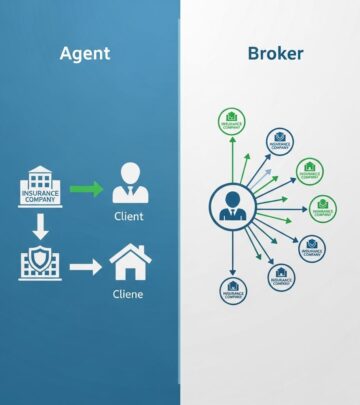
When navigating the real estate market, whether you’re buying or selling a property, you’ll likely encounter both real estate agents and brokers. While these terms are sometimes used interchangeably, they represent distinct professional roles with different qualifications, responsibilities, and capabilities. Understanding the differences between a real estate broker and a real estate agent is essential for making informed decisions about whom to work with and what services you can expect.
What Is a Real Estate Agent?
A real estate agent is a licensed professional who helps clients buy, sell, or lease properties. To become an agent, individuals must complete state-mandated coursework and pass a licensing examination. Real estate agents serve as intermediaries between buyers and sellers, providing guidance about market conditions, property values, and negotiation strategies.
One of the most important distinctions about real estate agents is that they cannot work independently. An agent must work under a real estate broker or within a brokerage firm. This relationship is fundamental to how the industry operates—brokers provide the legal framework and oversight that allows agents to conduct business legally and ethically. The broker essentially sponsors the agent’s license and ensures compliance with state and federal regulations.
What Is a Real Estate Broker?
A real estate broker is also a licensed professional, but with enhanced qualifications and broader authority. Brokers have undergone additional training and licensing requirements beyond those required for agents, which enables them to take on greater legal and financial responsibilities. Unlike agents, brokers have the ability to work independently or establish their own brokerage firm where they can hire and manage other agents.
Brokers are responsible for ensuring that real estate transactions comply with state and federal laws. This includes verifying that all paperwork is completed correctly, money is properly transferred through escrow accounts, and records are accurately filed with appropriate authorities. Brokers also have the ability to manage escrow accounts and move money in and out of these accounts—a responsibility that agents do not have.
Key Differences Between Brokers and Agents
Licensing and Education Requirements
The licensing requirements for brokers are more extensive than those for agents. While agents must complete a certain number of coursework hours and pass a licensing exam, brokers face more rigorous examination processes and additional educational requirements. Many brokers are also licensed agents, meaning they hold both credentials simultaneously. This advanced training prepares brokers to handle complex legal and financial aspects of real estate transactions that agents are not equipped to manage independently.
Independence and Management Authority
A fundamental difference between brokers and agents lies in their ability to work independently. Real estate agents must work under a broker’s sponsorship and supervision. The broker provides support, guidance, and resources necessary for agents to conduct their business. In exchange, the brokerage typically takes a portion of the agent’s commission earnings.
Brokers, conversely, can operate independently and establish their own brokerage firms. They have the authority to hire, train, and manage other agents. This independence allows brokers to build their own businesses and expand their operations without relying on another broker’s oversight.
Legal and Financial Responsibilities
While both agents and brokers work within real estate transactions, the scope of their responsibilities differs significantly. Agents focus on the sales and marketing aspects—educating clients about market conditions, showing properties, coordinating with other professionals, and negotiating on behalf of their clients. Brokers handle these functions as well but also manage the technical and legal dimensions of transactions.
Brokers ensure compliance with all applicable laws, manage escrow accounts, prepare and file contracts, and oversee record-keeping and reporting to authorities. They can help clients navigate complex matters such as title issues, zoning regulations, and legal considerations that might require specialized knowledge.
Compensation Structures
How Agents Are Paid
Real estate agents are compensated on a commission basis, meaning they only receive payment when they successfully close a transaction. The commission is typically calculated as a percentage of the home’s final sale price. The standard commission range in the industry is between 2.5 and 3 percent, though this can be negotiated. On a $300,000 home sale, for example, an agent might earn around $7,500 to $9,000 in commission.
It’s important to note that agents can negotiate their commission rates with clients before signing an agreement. While not all agents are willing to lower their rates, many will consider discussions about commission structure. Some agents also accept flat fees instead of percentage-based commissions, though this is less common.
How Brokers Are Paid
Brokers typically earn more money than agents because they benefit from multiple revenue streams. When a broker has agents working under them, the broker receives a portion of each agent’s commission. Additionally, when a broker works independently on a transaction, they keep the entire commission without sharing it with other brokers or their own brokerage.
This compensation structure means that a broker who owns a brokerage firm can potentially earn double the commission on a sale—once from their own work as an agent and again as the broker overseeing the transaction. According to industry data, real estate brokers’ median annual salaries typically exceed agents’ salaries by approximately $10,000 or more, reflecting their ability to earn from multiple sources.
Regional Salary Variations
The earning potential for both agents and brokers varies significantly by geographic location. Factors such as cost of living, population density, local industries, and market conditions all influence income levels. For instance, real estate professionals in the District of Columbia may earn nearly $20,000 more annually than those in Colorado, reflecting regional market dynamics and property values.
Compensation Table: Agents vs. Brokers
| Aspect | Real Estate Agent | Real Estate Broker |
|---|---|---|
| Primary Income Source | Commission from own sales | Commission from own sales + agent commissions |
| Commission Range | 2.5-3% of sale price | Varies; typically higher due to multiple streams |
| Median Annual Salary | Approximately $99,178 | Approximately $109,000+ |
| Commission Sharing | Shares with brokerage | May receive from agents’ transactions |
How Agents and Brokers Work Together
In most real estate transactions, agents and brokers work collaboratively. When a client contacts an agent to buy or sell a property, the agent represents the client while operating under the broker’s legal and regulatory framework. The broker ensures that all transactions follow applicable laws and regulations.
In some scenarios, brokers may serve as initial contact points for large commercial developments or complex transactions. A broker might then delegate specific tasks to one of their agents, such as finding buyers or marketing properties. This division of labor allows the broker to focus on oversight and complex legal matters while agents handle day-to-day client interactions and property showings.
Brokers also serve as mentors and guides for their agents. They help agents navigate complex financial situations, work through intricate legal details during negotiations, and provide training on best practices. This relationship ensures that clients receive professional service while brokers maintain quality control and regulatory compliance across their operations.
Real Estate Brokers vs. Mortgage Brokers
It’s crucial to distinguish between real estate brokers and mortgage brokers, as these are entirely different professions. A real estate broker facilitates the transaction between buyer and seller, managing the entire buying or selling process. A mortgage broker, by contrast, works exclusively with financing matters, serving as an intermediary between borrowers and lenders.
Mortgage brokers help borrowers qualify for mortgages, whether for new purchases or refinances. They work directly with both consumers and financial institutions to arrange loan terms and conditions. While real estate brokers ensure the property transaction proceeds smoothly, mortgage brokers handle the financial side of the transaction. Many real estate professionals work with mortgage brokers to ensure their clients can secure appropriate financing.
Choosing Between an Agent and a Broker
When deciding whether to work with an agent or broker, consider your specific needs. For straightforward property transactions, a qualified real estate agent working under a reputable broker is typically sufficient. Agents have the skills to educate you about market conditions, guide you toward suitable properties, coordinate with other professionals, and negotiate effectively on your behalf.
If your transaction involves complex legal or financial matters—such as unusual title issues, zoning complications, or intricate contract negotiations—working with a broker directly may be advantageous. Brokers can provide specialized guidance on these technical aspects and often have deeper expertise in navigating complicated scenarios.
Remember that both agents and brokers operate on commission, so working with a broker won’t necessarily cost you more than working with an agent. Commission rates should be negotiated upfront before signing any agreement, regardless of whether you’re working with an agent or broker.
Frequently Asked Questions
Q: Can a real estate agent work independently?
A: No, real estate agents must work under a broker or brokerage firm. They cannot operate independently. However, brokers can work independently and establish their own brokerage firms.
Q: How much more do brokers earn compared to agents?
A: Brokers typically earn $10,000 or more annually compared to agents, depending on the region and their business structure. A broker who owns their brokerage can earn commission from their own transactions plus a portion of their agents’ commissions.
Q: Is a license required for both agents and brokers?
A: Yes, both require state licenses, but brokers must complete more extensive training and pass more rigorous examinations than agents. Licensing requirements vary by state.
Q: Can I negotiate commission rates with an agent or broker?
A: Yes, commission rates can typically be negotiated before signing an agreement. While not all professionals will lower their rates, it’s worth discussing, especially for higher-priced properties where even small percentage reductions can save substantial amounts.
Q: What responsibilities do brokers have that agents don’t?
A: Brokers handle legal compliance, escrow account management, contract preparation and filing, and regulatory record-keeping. They ensure transactions comply with state and federal laws. Agents focus primarily on sales and marketing.
Q: Are brokers required to have agent licenses as well?
A: Many brokers are also licensed agents, though not all are required to be. Many brokers maintain agent licenses to stay current with market practices and transaction requirements.
Q: What’s the difference between a real estate broker and a mortgage broker?
A: Real estate brokers manage the buying or selling transaction between parties and handle property-related matters. Mortgage brokers work exclusively with financing, helping borrowers secure loans from lenders.
Q: Should I work with a broker instead of an agent?
A: For most standard transactions, a qualified agent is sufficient. Consider working with a broker if your transaction involves complex legal or financial matters that require specialized expertise.
References
- Real Estate Agent Vs. Realtor Vs. Broker — Bankrate. 2025. https://www.bankrate.com/real-estate/real-estate-broker-vs-agent/
- What Is A Real Estate Broker, And What Do They Do? — Bankrate. 2025. https://www.bankrate.com/real-estate/what-is-a-real-estate-broker/
- Definition: What Is A Real Estate Agent? — Bankrate. 2025. https://www.bankrate.com/real-estate/what-is-a-real-estate-agent/
- Types of Real Estate Agents: Which One Is Best for You? — Bankrate. 2025. https://www.bankrate.com/real-estate/types-of-agents/
- What’s the Difference Between a Real Estate Agent and a Broker? — KAPRE. 2025. https://www.kapre.com/resources/real-estate/difference-between-real-estate-agent-broker
- Real Estate Broker vs. Agent: Job Roles, Differences, and Salaries — Coursera. 2025. https://www.coursera.org/articles/real-estate-broker-vs-agent
Similar Articles








Read full bio of Sneha Tete