Real Estate Agent vs. Broker: Key Differences
Discover the essential distinctions between real estate agents and brokers, from licensing to roles and compensation in property transactions.

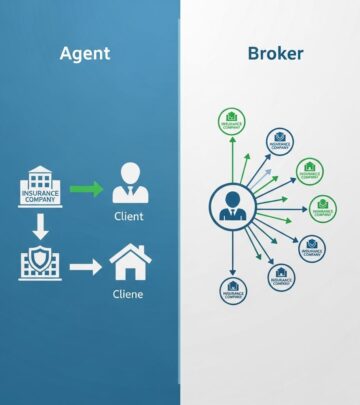
Navigating the real estate market requires understanding the professionals who guide transactions. Real estate agents and brokers both facilitate property deals, but their qualifications, authority, and roles diverge significantly. Agents typically operate under supervision, focusing on client matchmaking and negotiations, while brokers hold advanced licenses enabling independent practice, oversight of teams, and legal-financial handling.
Understanding Licensing Pathways
Entry into real estate begins with becoming an agent, a foundational step demanding specific education and exams. Aspiring agents complete pre-licensing courses—often 60 to 90 hours depending on the state—covering topics like property law, contracts, and ethics. Passing a state exam grants the agent license, but practice requires affiliation with a licensed broker.
Advancing to broker status marks a substantial escalation in commitment. Candidates must accumulate years of agent experience, usually two to three full-time years, alongside advanced coursework of 120+ hours. Broker exams probe deeper into management, finance, and supervision. This rigorous path equips brokers for greater accountability.
- Agent Requirements: Pre-licensing education, state exam, broker sponsorship.
- Broker Requirements: Agent experience, additional education, advanced exam.
State variations exist; for instance, Washington labels initial licensees as “brokers” and superiors as “managing brokers,” but the hierarchy remains consistent nationally.
Core Responsibilities of Real Estate Agents
Agents serve as the frontline in property transactions, bridging buyers and sellers. Their duties center on market navigation and deal facilitation without independent legal authority.
Buyer’s agents scout listings via the Multiple Listing Service (MLS), schedule viewings, and analyze neighborhoods to match client preferences. They assist with preapprovals from lenders and negotiate offers, counteroffers, and contingencies like inspections. Seller’s agents, conversely, stage properties, market via online platforms and open houses, and screen potential buyers for qualifications.
Both culminate in closing coordination: paperwork assembly, repair negotiations post-inspection, and walkthroughs. Agents ensure smooth handoffs but defer escrow and disputes to supervising brokers.
| Agent Role | Key Tasks |
|---|---|
| Buyer’s Agent | Property search, financing guidance, offer negotiation, closing support |
| Seller’s Agent | Marketing, buyer qualification, pricing strategy, contract management |
Expanded Scope for Real Estate Brokers
Brokers encompass all agent functions with augmented capabilities. Their license permits solo operations, bypassing supervision needs.
Many brokers lead firms, recruiting and training agents while splitting commissions. They bear legal liability for team actions, mandating oversight of compliance, ethics, and transaction integrity. Financially, brokers manage escrow accounts—holding deposits until closing—and resolve disputes through mediation.
Broker types refine these roles:
- Principal/Designated Broker: Oversees entire office compliance, ultimate legal responsible party.
- Managing Broker: Handles daily operations, agent training, administrative duties.
- Associate Broker: Holds broker license but works under another, focusing on client transactions independently.
This structure allows brokers to scale operations or specialize in high-value deals.
Compensation Structures Compared
Earnings hinge on commissions, typically 5-6% of sale price split between buyer/seller sides. Agents share their portion—often 30-50%—with their brokerage, reflecting supervision costs.
Brokers negotiating better splits, sometimes 70-100%, especially independents or team leaders retaining overrides from supervisees. Principal brokers may draw salaries atop commissions. Experience and volume dictate totals; top producers exceed six figures annually.
| Professional | Typical Commission Split | Additional Income |
|---|---|---|
| Agent | 50-70% of side commission | None |
| Associate Broker | 70-90% of side commission | Limited |
| Managing/Principal Broker | 100% + overrides | Salary possible |
Teamwork Dynamics in Real Estate
Agents and brokers collaborate seamlessly within brokerages. New agents leverage broker mentorship for complex scenarios like multi-offer bids or title issues. Brokers delegate routine tasks, focusing on oversight and growth.
Clients benefit from this synergy: agents deliver personalized service, brokers ensure regulatory adherence. In large firms, designated brokers anchor accountability without daily involvement.
Choosing the Right Professional for Your Needs
Buyers/sellers ponder: agent or broker? Most transactions suit skilled agents, whose supervision guarantees quality. Seek brokers for intricate deals involving disputes, commercial properties, or firm establishment.
Verify licenses via state portals, review track records on platforms like Zillow, and interview for communication fit. Dual representation by one professional demands broker-level impartiality.
Frequently Asked Questions
Can a real estate agent operate without a broker?
No, agents must affiliate with a brokerage; brokers can function independently.
How long to upgrade from agent to broker?
Typically 2-3 years of experience plus education/exam.
Are all brokers also Realtors?
No, Realtor denotes National Association of Realtors membership; brokers/agents may or may not join.
Do brokers earn more than agents?
Often yes, via better splits and management fees, but top agents outperform average brokers.
What if my state uses different terms?
Check local regulations; core distinctions persist despite nomenclature like Washington’s broker levels.
Navigating Career Advancement in Real Estate
Professionals eyeing progression value broker status for autonomy and income potential. Continuous education, networking via associations, and niche specialization (e.g., luxury, investments) accelerate success. Market shifts, like digital tools and remote closings, demand adaptability from both levels.
For consumers, grasping these nuances empowers informed partnerships, streamlining property quests amid competitive landscapes.
References
- Real Estate Broker vs. Agent: What’s the Difference? — Zillow. 2023-10-15. https://www.zillow.com/learn/real-estate-broker-vs-agent/
- Real Estate Agent vs. Real Estate Broker – What’s the Difference? — VanEd. 2024-02-20. https://www.vaned.com/blog/difference-between-real-estate-agent-and-broker
- Agent, Broker, Realtor: What’s the Difference? — Realtor.com. 2024-05-10. https://www.realtor.com/guides/the-ultimate-real-estate-glossary-for-homebuyers/agent-broker-realtor-whats-the-difference/
- Real estate broker vs. agent: Differences explained — Rocket Mortgage. 2024-03-05. https://www.rocketmortgage.com/learn/real-estate-broker-vs-agent
- What’s the Difference Between a Real Estate Agent and a Broker? — Kaplan Real Estate Education. 2023-11-28. https://www.kapre.com/resources/real-estate/difference-between-real-estate-agent-broker
Similar Articles








Read full bio of Sneha Tete