Real Estate Agent Fees And Commissions Guide
Understanding realtor commissions: Current rates, negotiation tips, and how they impact your home sale.
Understanding Real Estate Agent Commissions
Real estate transactions represent some of the largest financial decisions homeowners make in their lifetime. A crucial component of these transactions is understanding how real estate agent commissions work. The commission structure has undergone significant changes in recent years, and it’s essential for both buyers and sellers to understand the current landscape before entering into an agreement with a real estate professional.
The national average real estate agent commission currently stands at 5.57 percent total, according to September 2025 data. This represents a shift from the traditional model that has governed real estate transactions for decades. Understanding how these commissions are calculated, who pays them, and how they can be negotiated is critical for anyone buying or selling property.
How Real Estate Agent Commissions Work
Real estate agents typically work on a commission basis rather than earning a salary. This means their compensation is directly tied to the sale price of the property they help sell. The higher the home’s sale price, the more money the agents involved in the transaction will earn. This incentive structure has been the standard in the real estate industry for many years.
Traditionally, the seller paid the commission fees for both the seller’s agent and the buyer’s agent, with the total typically ranging from 5 to 6 percent of the home’s sale price. However, this model changed dramatically in 2024 following a significant lawsuit settlement involving the National Association of Realtors (NAR) and several major brokerages. Under the new structure, the terms of who pays which commission are now negotiated upfront between the parties involved in the transaction.
Commission Rates and Calculations
Each agent involved in a real estate transaction typically earns between 2.5 and 3 percent of the home’s sale price as their commission. On most transactions, this breaks down to approximately 2.5 percent for the seller’s agent and 2.5 percent for the buyer’s agent, totaling around 5 percent. However, these rates are negotiable, and the exact percentage varies based on several factors including the region, the specific brokerage firm, and the individual agent’s agreement.
To illustrate how these commissions work in practice, consider the following example: On a $250,000 home sale with a 5 percent total commission, the total commission would be $12,500, with each agent receiving $6,250. On a higher-priced property, such as a $1,000,000 sale, that same 5 percent rate would yield $50,000 in total commissions, with each agent earning $25,000.
Commission Examples by Sale Price
| Home’s Sale Price | Seller’s Agent Commission (2.5%) | Buyer’s Agent Commission (2.5%) | Total Commission (5%) |
|---|---|---|---|
| $250,000 | $6,250 | $6,250 | $12,500 |
| $500,000 | $12,500 | $12,500 | $25,000 |
| $750,000 | $18,750 | $18,750 | $37,500 |
| $1,000,000 | $25,000 | $25,000 | $50,000 |
National and State Commission Rates
Commission rates vary significantly across different regions of the United States. The national average provides a baseline, but individual states often have different average rates based on local market conditions, competition levels, and regional real estate practices. Understanding your specific state’s average can help you know whether you’re being offered a competitive rate.
Various states report different average commission rates. For instance, some states maintain higher average rates while others have seen more competitive pressure leading to lower averages. These variations reflect differences in real estate market dynamics, the prevalence of discount brokers, and regional negotiating norms. When selling a home, it’s important to research your state’s average commission rate to ensure you’re getting a fair deal.
State-by-State Commission Rates
| State | Total Average Commission Rate |
|---|---|
| Alabama | 5.93% |
| Alaska | 5.03% |
| Arizona | 5.26% |
| Arkansas | 5.65% |
| California | 5.03% |
| Colorado | 5.65% |
| Pennsylvania | 5.81% |
| Rhode Island | 5.62% |
| South Carolina | 5.65% |
| South Dakota | 5.70% |
| Tennessee | 6.00% |
| Texas | 5.85% |
| Utah | 5.61% |
| Vermont | 5.62% |
Recent Changes to Commission Structure
A major shift in how real estate commissions operate took effect in 2024 following a settlement between the National Association of Realtors and several major brokerages. This change fundamentally altered the traditional commission model that had been in place for decades. Under the previous system, sellers almost universally paid the commission for both their own agent and the buyer’s agent, typically totaling 5 to 6 percent of the home’s sale price.
The new commission structure introduced greater transparency and flexibility. Rather than the default arrangement where sellers pay both commissions, the terms of who pays which commission are now negotiated upfront and agreed upon before the transaction proceeds. This means sellers may choose to pay their buyer’s agent commission, or they may negotiate to have the buyer pay their own agent’s commission. This flexibility has introduced more variability into the market and has empowered both buyers and sellers to negotiate more favorable terms.
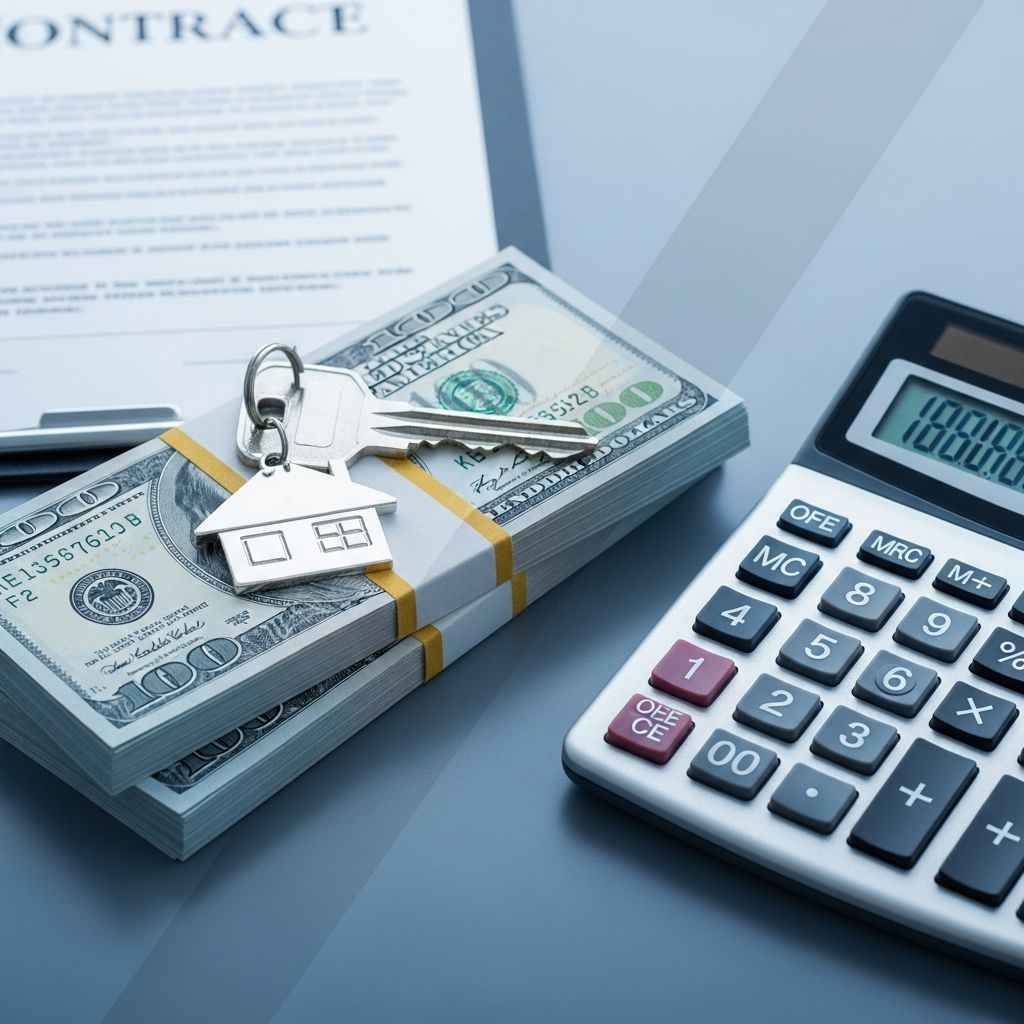
One of the most important takeaways from these changes is the need for clarity in your contract. Your purchase or sale agreement should spell out explicitly who is paying which commission and exactly how much each party is responsible for. This clarity helps prevent misunderstandings and disputes down the road.
Factors That Affect Commission Rates
While commission rates typically fall within the 2.5 to 3 percent range per agent, several factors can influence the actual commission you pay. The most obvious factor is the property’s sale price—higher-priced homes generate larger commissions, which can sometimes create an incentive to negotiate a lower percentage on luxury properties.
The local real estate market also plays a significant role. In competitive markets with many agents and brokerages, commission rates tend to be lower as brokers compete for business. In less competitive markets, rates may remain closer to traditional levels. Additionally, the specific brokerage firm an agent works for can influence commission rates, as different firms have different standard rates and policies.
The condition and desirability of your property also matter. If you’re selling a home in a highly sought-after area with strong buyer demand, or if you already have an interested buyer, your agent may not need to invest as much effort to facilitate the sale. In such cases, proposing a slightly lower commission rate is often reasonable.
Negotiating Real Estate Commissions
One of the most important things to understand about real estate commissions is that they are negotiable. Just as with most aspects of a real estate transaction, commission rates are not set in stone. Smart sellers take the time to negotiate with potential agents before signing a listing agreement.
When negotiating commissions, it helps to have done your research. Know the average commission rate in your area and for similar properties. If you’re selling a straightforward property in a strong market, you may be able to negotiate a rate below the local average. On the other hand, if your property presents challenges—such as needing repairs, being in a less desirable location, or requiring significant marketing—an agent may justify a standard or higher-than-average rate.
Another strategy is to make the agent’s job easier. If you’re selling in a highly sought-after area, already have interested buyers, or your home is exceptionally well-maintained and priced competitively, emphasize these factors when negotiating. These circumstances reduce the amount of work an agent must do to earn their commission, making it reasonable to propose a lower rate.
Low-Commission and Flat-Fee Alternatives
For sellers looking to reduce their costs, several alternatives to traditional commission structures exist. Low-commission realtors may charge as little as 1 to 1.5 percent of the sale price, compared to the traditional 2.5 to 3 percent. On a $300,000 home, a 1.5 percent fee would be $4,500, compared to an average 2.74 percent fee of $8,220—a savings of more than $3,700.
Flat-fee arrangements represent another alternative. Rather than paying a percentage of the sale price, you pay a fixed fee regardless of how much your home sells for. These flat fees typically range from $3,000 to $5,000. This approach can result in significant savings, particularly on higher-priced homes. For example, on a home selling for $425,000, a 6 percent commission would total more than $25,500, far exceeding a typical flat fee.
Understanding Who Pays the Commission
Traditionally, sellers have borne the cost of all commissions involved in a transaction. However, under the new commission structure that took effect in 2024, this is no longer an automatic arrangement. The current model requires negotiation between buyers and sellers regarding who pays which commission.
As a seller, you may choose to pay your buyer’s agent commission, or you may negotiate to have the buyer cover their own agent’s costs. This flexibility provides sellers with more control over their transaction costs. However, it also introduces complexity, making it essential to have clear written agreements that specify exactly who is responsible for paying each commission component.
It’s crucial to understand that commission fees are typically not paid until the sale closes. This means even though you may negotiate a commission percentage at the beginning of the transaction, you won’t actually pay the commission until the deal is finalized and the deed is transferred.
Frequently Asked Questions
Q: What is the typical real estate agent commission rate?
A: Real estate agents typically earn between 2.5 and 3 percent of the home’s sale price. On most transactions, this is split evenly between the seller’s agent and the buyer’s agent, with each receiving approximately 2.5 percent. However, these rates are negotiable and can vary based on location, market conditions, and individual circumstances.
Q: When do I have to pay the real estate agent commission?
A: Real estate commissions are paid when the sale closes. The funds come from the sale proceeds, and the broker typically handles the distribution to the individual agents involved in the transaction.
Q: Can I negotiate real estate agent commissions?
A: Yes, real estate commissions are negotiable. You can discuss commission rates with potential agents before signing a listing agreement. Having done research on local rates and being prepared to explain why a lower rate is justified can help in negotiations.
Q: Who pays real estate agent commissions?
A: Under the new commission structure that took effect in 2024, commission payment terms are negotiated between buyers and sellers. Traditionally, sellers paid both commissions, but this is no longer automatic. Your contract should clearly specify who is responsible for paying each commission component.
Q: What are low-commission agents?
A: Low-commission agents charge below-market rates, typically 1 to 1.5 percent instead of the traditional 2.5 to 3 percent. These agents can help you save thousands of dollars, though they may provide fewer services than traditional agents.
Q: How much would I save with a lower commission rate?
A: On a $300,000 home, reducing the commission from an average 2.74 percent ($8,220) to 1.5 percent ($4,500) would save you more than $3,700. On higher-priced homes, the savings become even more substantial.
Q: What is a flat-fee real estate arrangement?
A: A flat-fee arrangement involves paying a fixed fee—typically between $3,000 and $5,000—regardless of the home’s sale price. This approach can save money on higher-priced homes where a percentage-based commission would exceed the flat fee.
References
- Real Estate Agent Fees And Commissions — Bankrate. 2025-09-01. https://www.bankrate.com/real-estate/realtor-fees/
- Low-Commission Realtors: Are They Worth It? — Bankrate. 2025-02-01. https://www.bankrate.com/real-estate/low-commission-real-estate-agents/
- What Is A Flat Fee In Real Estate? — Bankrate. 2025-02-01. https://www.bankrate.com/real-estate/flat-fee/
- How to successfully negotiate real estate commissions — Bankrate. 2024-12-01. https://www.bankrate.com/real-estate/negotiate-real-estate-commission/
- What Real Estate Commission Changes Mean For Consumers — Bankrate. 2024-10-01. https://www.bankrate.com/real-estate/real-estate-commission-changes/
- Realtor Fees And Real Estate Commissions in Virginia — Bankrate. 2024-12-01. https://www.bankrate.com/real-estate/commissions/virginia/
- How Much Does It Cost To Sell A House? — Bankrate. 2024-11-01. https://www.bankrate.com/real-estate/how-much-does-it-cost-to-sell-house/
Similar Articles








Read full bio of medha deb