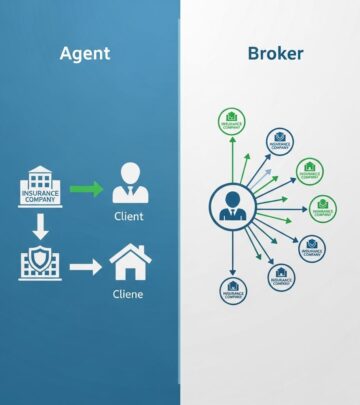
Real Estate Agent, Broker, and Realtor: Key Differences
Understand the distinctions between real estate agents, brokers, and realtors in your property transactions.

The real estate industry uses several titles that can confuse buyers and sellers navigating property transactions. Understanding the distinctions between a real estate agent, broker, and realtor is essential for anyone buying or selling property. While these terms are sometimes used interchangeably in casual conversation, they represent different levels of licensing, responsibilities, and professional credentials within the real estate profession.
Understanding the Real Estate Professional Hierarchy
The real estate industry operates on a hierarchical structure where professionals hold different license levels based on their education, experience, and examination results. At the foundation of this hierarchy is the real estate agent, followed by the real estate broker, and then various specialized broker roles. Understanding where each professional fits within this structure helps clients identify who they’re working with and what level of responsibility that person carries.
Each level in this hierarchy requires more extensive training, education, and regulatory compliance than the level below it. This progression ensures that professionals who manage transactions or supervise other agents have deeper knowledge of real estate law, ethics, and business practices. The distinctions matter because they directly affect how transactions are managed and who bears legal responsibility for ensuring compliance with real estate regulations.
What is a Real Estate Agent?
A real estate agent is a licensed professional who represents either buyers or sellers in property transactions. To become a real estate agent, a person must complete a prelicensing course, pass a state-administered licensing exam, and comply with their state’s ongoing education requirements. Real estate agents are sometimes referred to as salespeople or sales associates within the industry.
The fundamental characteristic of a real estate agent is that they must work under the supervision of a licensed real estate broker. Agents cannot practice independently or manage their own transactions without broker oversight. This supervisory requirement is a key distinction from brokers, who can operate independently or manage their own firms.
Responsibilities of Real Estate Agents
Real estate agents handle numerous tasks throughout the buying and selling process. Their primary responsibilities include:
- Listing Properties: Agents list properties for sale, market them to potential buyers, and coordinate open houses and showings.
- Finding Properties: Agents search for properties that match buyers’ needs and preferences.
- Submitting Offers: Agents prepare and submit purchase offers on behalf of buyers and negotiate terms until both parties agree.
- Finalizing Purchases: Agents guide clients through the closing process, including paperwork completion, inspection coordination, and repair negotiations.
- Providing Market Analysis: Agents offer comparative market analysis to help clients understand property values in their area.
- Advising Clients: Agents provide guidance throughout the transaction and may recommend other professionals such as mortgage brokers, inspectors, or attorneys.
Real Estate Agent Compensation
Real estate agents typically earn commission-based compensation calculated as a percentage of the sale price. In most real estate transactions, the seller pays the total commission, which typically ranges around 6% of the sales price. This commission is divided between the listing agent (who represents the seller) and the buyer’s agent (who represents the buyer), usually in a 50/50 split, though this can vary by market and agreement.
However, agents must share their portion of the commission with their sponsoring broker. The exact split between agent and broker varies depending on the brokerage firm, the agent’s experience level, negotiated agreements, and the specific commission structure. New agents typically receive a smaller percentage of commissions, while experienced agents may negotiate better splits. As a result, agents often have less control over their final compensation compared to brokers.
What is a Real Estate Broker?
A real estate broker is a licensed professional who has completed additional education and passed a broker licensing examination beyond what is required for real estate agents. Brokers represent an advanced level of licensure in the real estate industry. In most states, becoming a broker requires completing specific continuing education courses and accumulating a minimum amount of experience as a real estate agent before sitting for the broker examination.
The broker license represents a significant step up in terms of legal responsibility and capability. While brokers can perform all the duties that agents perform, they are also authorized to operate independently without supervision and to supervise and manage other real estate agents. This is the fundamental distinction that separates brokers from agents.
Responsibilities of Real Estate Brokers
Brokers carry heightened responsibilities compared to agents. Their duties include:
- Independent Practice: Brokers can conduct real estate transactions independently without requiring the supervision of another broker.
- Legal Transaction Oversight: Brokers are legally responsible for ensuring all transactions are lawful, properly documented, and ethically conducted.
- Agent Supervision: Brokers supervise and manage real estate agents, providing guidance, training, and mentoring.
- Compliance Management: Brokers implement procedures to ensure agents comply with state and national real estate laws and ethical standards.
- Financial Accountability: Brokers are responsible for managing client funds, trust accounts, and ensuring accurate financial reporting.
- Business Operations: Brokers manage the business aspects of their brokerage, including hiring, training, and administrative functions.
Types of Real Estate Brokers
The broker license encompasses several distinct roles within a real estate organization:
| Broker Type | Primary Responsibilities | Scope of Authority |
|---|---|---|
| Principal/Designated Broker | Oversees all operations and transactions within the brokerage firm. Each real estate office must have a principal broker designated as legally responsible for all activities. | Highest authority within the firm; ultimately responsible for regulatory compliance |
| Managing Broker | Handles day-to-day operations, hiring decisions, agent training, and administrative management. Takes a hands-on approach to office management. | Reports to principal broker; manages staff and day-to-day transactions |
| Associate Broker | Holds a broker license but works under a managing broker. Not responsible for supervising other agents in most cases. | Limited authority; typically assists with transaction volume and client services |
Real Estate Broker Compensation
Real estate brokers earn compensation through two primary methods. First, they receive a percentage of commissions earned by the agents they supervise or employ. Second, brokers keep 100% of the commission they earn from transactions they personally conduct. Because brokers can both work directly with clients and earn from their agents’ activities, they typically earn more annually than individual agents. When brokers work directly with clients, they often negotiate a better commission split with their brokerage, sometimes keeping the full commission since they don’t need to share with supervising brokers.
What is a Realtor?
The term “Realtor” is distinctly different from “real estate agent” and “real estate broker.” A Realtor is a registered trademark of the National Association of Realtors (NAR), a trade organization and professional association. Not all real estate agents or brokers are Realtors. To become a Realtor, a real estate professional must join the National Association of Realtors, pay membership dues, and adhere to the organization’s strict code of ethics.
Realtors can be either agents or brokers. A Realtor agent is an agent who is NAR member. A Realtor broker is a broker who maintains NAR membership. The designation “Realtor” indicates professional standards and ethical compliance, but it doesn’t change the person’s underlying licensing level or primary responsibilities.
Benefits and Requirements of NAR Membership
Becoming a Realtor through the National Association of Realtors provides several benefits and carries specific requirements. Members must commit to following the NAR Code of Ethics, which establishes high standards for professional conduct, honesty, and accountability in real estate transactions. Members agree to treat all parties fairly, disclose all material facts, and maintain confidentiality where appropriate.
NAR membership provides access to the Multiple Listing Service (MLS), which is an essential tool in real estate transactions. The MLS is a comprehensive database of property listings that allows agents to search for properties, list their clients’ properties, and access detailed information about comparable properties. NAR membership also provides professional development opportunities, networking events, and access to real estate market data and research.
Key Differences Summary
The primary differences among these three professional designations center on licensing levels, legal responsibilities, supervisory capabilities, and professional credentials. Understanding these distinctions helps clients identify the appropriate professional for their needs and understand what authority and responsibilities that person carries.
Licensing and Education Requirements
Real estate agents must complete a prelicensing course and pass a state examination. Real estate brokers must complete additional education beyond the agent level and pass a broker examination, which includes more advanced study of contracts, ethics, taxes, and insurance. Realtors must meet either agent or broker licensing requirements and additionally join the National Association of Realtors and commit to their code of ethics.
Supervision and Independence
Real estate agents must work under the supervision of a licensed broker and cannot practice independently. Real estate brokers can practice independently and manage their own transactions without external supervision. Brokers can also supervise and manage other agents. Realtors operate at the same independence level as their underlying license (agent or broker) but with the additional ethical obligations of NAR membership.
Legal Responsibility
Real estate agents bear responsibility for their individual actions but operate under their broker’s oversight. Real estate brokers bear legal responsibility for all transactions they conduct personally and for ensuring that all agents they supervise comply with real estate regulations and ethical standards. Principal brokers bear ultimate legal responsibility for all activities within their brokerage.
Compensation Structure
Real estate agents typically earn less overall because they must share commissions with their sponsoring broker and have limited control over their compensation structure. Real estate brokers typically earn more because they receive commissions from their own transactions and from agents they supervise. Realtors’ compensation remains based on their underlying licensing level and role within their organization.
Choosing the Right Professional
When buying or selling property, understanding these distinctions helps you make informed decisions about working relationships. Most homebuyers and sellers work directly with real estate agents, who handle the day-to-day transaction details. Brokers typically work behind the scenes managing the transaction process and supervising agents, though some brokers also work directly with clients.
For buyers, it’s important to know that you typically don’t pay the buyer’s agent directly—the seller’s listing agent’s commission covers both the listing agent and buyer’s agent, split according to market norms or specific agreements. For sellers, understanding the commission structure and your agent’s backing broker helps ensure professional transaction management.
Whether working with an agent, broker, or Realtor, verify their current licensing status with your state’s real estate regulatory authority. If you prefer working with a member of the National Association of Realtors, specifically ask whether your agent or broker holds Realtor designation and maintains current NAR membership.
Frequently Asked Questions
Q: Can all real estate agents become brokers?
A: Most real estate agents can become brokers if they meet their state’s specific requirements, which typically include completing additional education, gaining a minimum amount of experience as an agent, and passing a broker licensing exam. However, specific requirements vary by state.
Q: Is a Realtor better than a non-Realtor agent?
A: Not necessarily better, but different. Realtors have committed to the NAR Code of Ethics and have access to MLS databases and professional resources. Non-Realtor agents may still be highly competent, but they don’t have NAR membership obligations or benefits.
Q: Do I need to hire a broker or can I just work with an agent?
A: For most residential transactions, working with a real estate agent is appropriate. Agents handle property searches, showings, negotiations, and transaction coordination under broker oversight. You typically won’t directly hire a broker unless you’re looking for specialized commercial services or have unique transaction needs.
Q: Can a broker work as an agent?
A: Yes, brokers can perform all duties that agents perform. Some brokers work directly with clients as agents while also managing other agents and overseeing brokerage operations.
Q: How do state regulations affect these distinctions?
A: Each state sets its own real estate licensing requirements, education standards, and professional regulations. While the general hierarchy of agent, broker, and Realtor applies in most states, specific requirements and terminology may vary. Some states use different terms or have unique licensing structures.
Q: What happens if I have a problem with my agent?
A: You should first address concerns with your agent or their managing broker. If issues aren’t resolved, you can file a complaint with your state’s real estate regulatory authority. If your agent is a Realtor, you can also file a complaint with the National Association of Realtors’ ethics committee.
References
- Real Estate Professional Licensing and Supervision — National Association of Realtors. 2024-11-01. https://www.nar.realtor/
- State Real Estate Commission Regulations — Council of Residential Specialists. 2024-10-15. https://www.crs.com/
- Real Estate Agent and Broker Licensing Standards — Association of Real Estate License Law Officials (ARELLO). 2024-09-20. https://www.arello.org/
- Code of Ethics and Professional Standards — National Association of Realtors. 2024-11-01. https://www.nar.realtor/about-nar/governing-documents/code-of-ethics
- Multiple Listing Service Standards — National Association of Realtors. 2024-10-30. https://www.nar.realtor/resource-centers/research-and-statistics/research-services
Similar Articles








Read full bio of Sneha Tete