Razor-Razorblade Model: Definition, Strategy & Examples
Master the razor-razorblade pricing strategy that generates recurring revenue.
Razor-Razorblade Model: Definition, How It Works, and Examples
The razor-razorblade model, also known as the razor and blades business model or the bait-and-hook model, is a pricing and marketing strategy designed to generate reliable, recurring income by locking consumers onto a proprietary platform or tool for an extended period. This strategy is commonly employed with consumable goods and has become one of the most effective business models for creating long-term customer relationships and maximizing lifetime value.
The concept operates on a simple yet powerful principle: a company sells an initial product at a low price, at cost, or even at a loss, while the real profit comes from selling complementary consumable products at premium prices. The strategy mirrors the original razor blade industry, where companies sold razors inexpensively but charged significantly more for replacement blades that customers needed to keep purchasing.
How the Razor-Razorblade Model Works
The razor-razorblade model functions through a multi-stage customer acquisition and retention process. First, companies reduce the initial price barrier to entry, making the primary product highly attractive to consumers. This low upfront cost encourages customer adoption and overcomes price objections that might otherwise prevent purchase decisions.
Once customers own the primary product, they become dependent on purchasing compatible consumable goods. The manufacturer designs these consumables to be exclusive to their system, either through patents, trademarks, proprietary designs, or contracts. This exclusivity ensures that customers cannot easily switch to cheaper alternatives without abandoning their initial investment.
The second stage focuses on habit formation. Companies work to transform purchases of consumable products into habitual behavior rather than one-time transactions. Through marketing, convenience, and brand loyalty, customers develop the expectation of regularly purchasing replacement items. This habitual purchasing pattern generates steady, predictable revenue streams that far exceed the initial product’s profit margins.
Key Characteristics of the Model
Several defining features make the razor-razorblade model effective:
- Low Initial Cost: The primary product is priced competitively or below cost to attract customers and reduce purchase hesitation.
- High Consumable Pricing: Replacement products command premium prices, sometimes at the highest levels in their respective industries.
- Proprietary Systems: Intellectual property protection prevents customers from using cheaper third-party alternatives.
- Recurring Revenue: The model generates predictable, ongoing revenue from repeat purchases.
- Customer Lock-in: Once invested in the primary product, customers face switching costs that make alternatives less attractive.
Real-World Examples of the Razor-Razorblade Model
Gaming Industry
The gaming industry represents one of the most successful applications of this model. Video game consoles like the PlayStation, Xbox, and Nintendo Switch are sold at minimal profit margins or at a loss. Microsoft, for example, makes no profit on Xbox One X consoles sold at approximately $499, but generates around $7 in profit from each $60 video game sold. Additionally, console manufacturers profit from online subscription services, digital purchases, and in-game transactions. This strategy ensures that after recovering initial hardware losses, the company captures substantial margins from the software ecosystem.
Coffee Machine Industry
Keurig and Nespresso exemplify the model in the coffee industry. Both companies price their coffee-making machines attractively to encourage adoption. However, the real revenue driver comes from proprietary coffee pods and capsules, which are priced at the highest levels in the industry. Customers who purchase a Keurig machine are locked into buying K-Cup pods, while Nespresso users must purchase branded capsules. This creates recurring revenue that far exceeds hardware sales.
Telecommunications Industry
Mobile service providers regularly give away smartphones or sell them below cost to new customers. However, these providers recoup their investment and generate substantial profits through monthly subscription fees, data charges, and service plans. The device itself becomes less important than the ongoing service relationship.
Printer Industry
Printer manufacturers sell devices at cost, at a loss, or at low profit margins, knowing that ink cartridges will generate significant recurring revenue. Printers become commoditized products, while ink cartridges command premium prices with high profit margins.
Gillette and Razor Blades
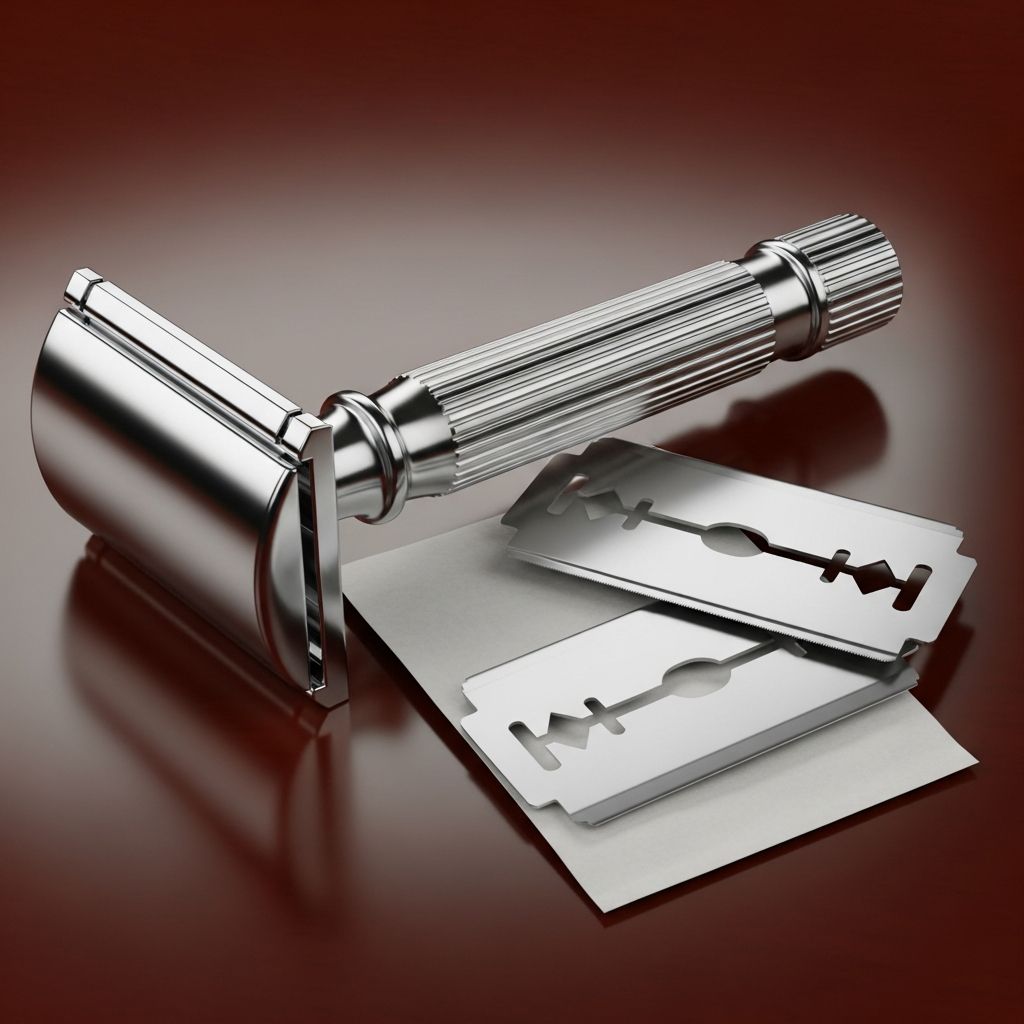
The model’s namesake comes from Gillette’s original strategy of selling razors at competitive prices while charging premium prices for replacement blades. This pioneering approach became the template for countless other industries and remains relevant today.
Advantages of the Razor-Razorblade Model
Reduced Upfront Price Barrier
By lowering the initial purchase price, companies overcome customer hesitation and accelerate adoption rates. Consumers are more willing to try new products when the financial risk is minimal.
Predictable Revenue Streams
Once customers adopt the primary product, manufacturers can reliably forecast revenue from consumable sales. This predictability enables better financial planning and investment in innovation.
Increased Customer Lifetime Value
Although individual consumable sales may seem small, the cumulative value of repeat purchases over a customer’s lifetime can be enormous. A customer who purchases video games for a console over several years generates far more revenue than the console sale itself.
Competitive Advantage Through Intellectual Property
Patents, trademarks, and proprietary designs protect manufacturers from competition. Until Keurig’s K-Cup patent expired in 2012, the company enjoyed substantial profits and stock price appreciation without competitive pressure. Intellectual property protection creates barriers that prevent competitors from quickly eroding market share.
Customer Switching Costs
Once invested in a proprietary system, customers face high switching costs if they want to adopt a competitor’s product. This switching cost dynamic ensures customer retention and reduces churn.
Challenges and Disadvantages
Intellectual Property Expiration
When patents expire, competitors can enter the market with compatible products. After Keurig’s K-Cup patent expired in 2012, competitors flooded the market with alternative pods, eroding Keurig’s profit margins and market share significantly.
Vulnerability to Disruption
Direct-to-consumer business models have disrupted traditional razor-razorblade companies. Dollar Shave Club challenged Gillette’s dominance by offering high-quality razors at lower subscription prices, directly targeting the high margins and feature creep of the incumbent. Unilever subsequently acquired Dollar Shave Club for approximately $1 billion, demonstrating how disruption can threaten established players.
Increased Competition
Once a company achieves success with the razor-razorblade model, competitors quickly adopt similar strategies. The pressure to win intensifies exponentially as market participants compete for customers and margins compress.
Customer Perception and Trust
Consumers must believe that the proprietary system offers genuine value superior to cheaper alternatives. If quality differences aren’t apparent or communicated effectively, customers will switch to lower-priced competitors.
Regulatory and Legal Risks
Companies that use intellectual property protection aggressively to prevent competition may face antitrust scrutiny or legal challenges. Regulators increasingly examine whether such practices harm consumer welfare.
The Reverse Razor-Razorblade Model
Some firms find success inverting the traditional model. In the reverse razor-razorblade model, companies sell consumable goods at or below cost while pricing durable goods at high profit margins. This approach works when the durable good has long replacement cycles or limited market size, making consumable volume the key to profitability.
Comparison with Similar Business Models
| Business Model | Primary Product Price | Revenue Source | Customer Lock-in | Best For |
|---|---|---|---|---|
| Razor-Razorblade | Low/At Cost | Consumables & Add-ons | High | Hardware with consumables |
| Freemium | Free | Premium Features & Upgrades | Medium | Digital services |
| Subscription | Recurring Fee | Monthly/Annual Subscriptions | Medium | Ongoing services |
| Traditional Retail | Full Margin | Product Sales | Low | One-time purchases |
Best Practices for Implementation
Build Strong Intellectual Property Protection
Secure patents, trademarks, and trade secrets to protect your consumable products. Strong IP protection creates the barrier necessary to prevent cheap competitors from undermining your margins.
Focus on Customer Experience
Ensure that your proprietary system genuinely delivers superior value. Quality, reliability, and convenience must justify premium pricing and prevent customer defection.
Develop Clear Communication Strategy
Educate customers about the total cost of ownership. Transparency about long-term costs builds trust and reduces buyer’s remorse after purchase.
Monitor Competitive Threats
Continuously scan the market for disruptors and potential patent challenges. Innovate regularly to stay ahead of competitors and maintain perceived value.
Optimize Pricing Strategy
Carefully balance initial product pricing with consumable pricing. Too high consumable pricing may encourage customers to seek alternatives, while too low pricing undermines profitability.
Frequently Asked Questions
Q: Why is the model called the razor-razorblade model?
A: The model takes its name from Gillette’s pioneering strategy of selling razors at low prices while charging premium prices for replacement blades. This approach became the template for numerous other industries and the terminology stuck.
Q: How is the razor-razorblade model different from the freemium model?
A: While both models involve offering something at a discount or free, the razor-razorblade model specifically involves physical products with mandatory consumables, while freemium models typically involve digital services with optional upgrades and premium features.
Q: Can the razor-razorblade model work without intellectual property protection?
A: Intellectual property protection significantly strengthens the model by creating barriers to competition. Without it, competitors can easily enter with compatible consumables, eroding margins. However, brand loyalty and superior quality can partially compensate for weaker IP protection.
Q: What happens when patents expire?
A: When patents expire, competitors can enter the market with compatible products, increasing price competition. This typically reduces profit margins substantially, as evidenced by Keurig’s experience after their K-Cup patent expired in 2012.
Q: Is the razor-razorblade model still relevant in the digital age?
A: Yes, the model remains highly relevant. Modern applications include gaming platforms, software licensing, mobile services, and cloud computing subscriptions. Digital and physical businesses continue to leverage this strategy effectively.
References
- Razor-Razorblade Model: Definition, How It Works, and Examples — Investopedia. 2024. https://www.investopedia.com/terms/r/razor-razorblademodel.asp
- Business Model: Razorblade — Reason Street. 2024. https://reasonstreet.co/business-model-razorblade-2/
- Razor and Blades Model: What Is It and What Benefits Does It Possess? — TechFunnel. 2024. https://www.techfunnel.com/martech/razor-and-blades-model-what-is-it-and-what-benefits-does-it-possess/
- Razor Blade Business Model: Definition & Strategy — Study.com. 2024. https://study.com/academy/lesson/razor-blade-business-model-definition-strategy.html
Similar Articles








Read full bio of Sneha Tete