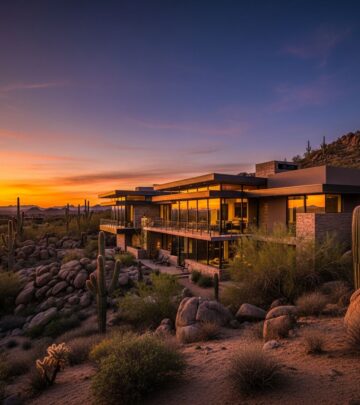
Ranch-Style Homes: 5 Essential Tips For Buying Or Building
Discover the timeless appeal, practical advantages, and modern adaptations of ranch-style homes for effortless single-level living.
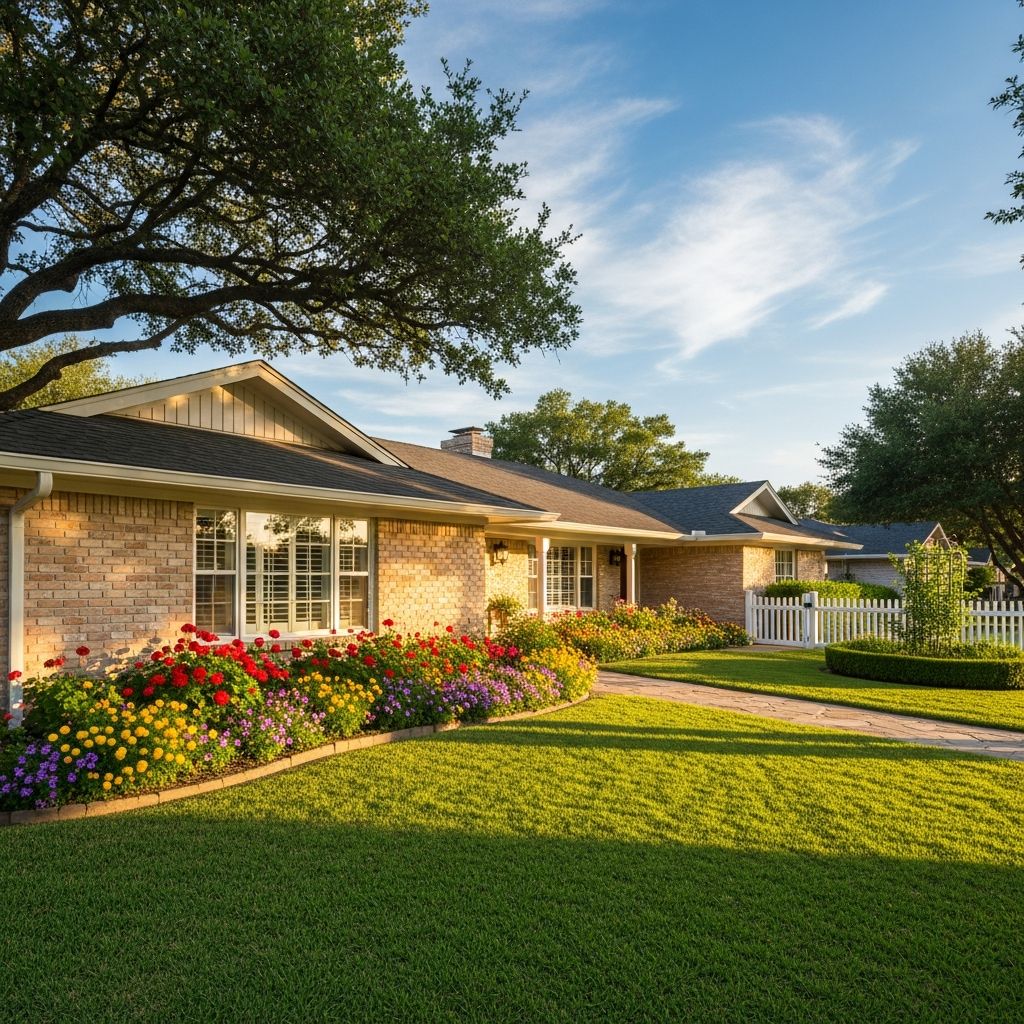
Ranch-style homes offer a practical, spacious, and versatile living solution that has endured for decades. Characterized by their single-story layout, these residences prioritize accessibility, open spaces, and a strong connection to the outdoors, making them suitable for diverse lifestyles from young families to retirees.
Origins and Evolution of Ranch Architecture
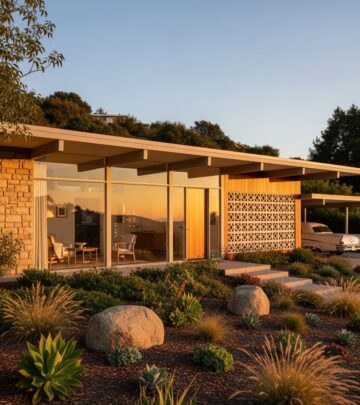
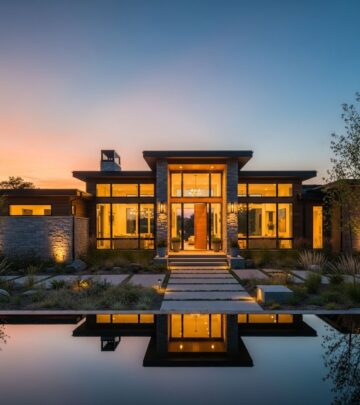
The ranch-style home emerged in the United States during the mid-20th century, drawing inspiration from the sprawling ranches of the American West and early California ranchos. Post-World War II suburban expansion popularized this design, as it aligned with the era’s emphasis on casual living and automobile-centric neighborhoods. Architects like Cliff May pioneered the style, incorporating low profiles, wide eaves, and sliding glass doors to blend indoor comfort with natural surroundings.
Over time, ranch homes have evolved. Early models featured simple, rectangular footprints with attached garages. Modern iterations incorporate contemporary elements such as vaulted ceilings, energy-efficient materials, and smart home integrations while retaining core principles of functionality and flow.
Defining Characteristics of Ranch-Style Residences
Ranch homes are instantly recognizable by several hallmark features that contribute to their enduring popularity:
- Single-Story Design: All living areas on one level eliminate stairs, enhancing safety and ease of movement.
- Low-Pitched Roofs: Gentle slopes with wide overhangs provide shade and a grounded aesthetic.
- Open Floor Plans: Fewer interior walls create seamless transitions between kitchen, dining, and living areas.
- Horizontal Emphasis: Long, low profiles with extensive fenestration (large windows and doors) maximize natural light.
- Attached Garage: Often side-loaded or rear-facing to preserve curb appeal.
- Outdoor Integration: Patios, porches, and courtyards extend living spaces beyond the interior.
These elements combine to foster an airy, expansive feel, even in modestly sized homes typically ranging from 1,500 to 2,500 square feet.
Key Advantages of Choosing a Ranch Home
Ranch-style homes deliver numerous benefits that appeal to a broad audience. Their design promotes convenience, efficiency, and lifestyle flexibility.
Accessibility and Aging in Place
Without stairs, ranch homes are inherently accessible, ideal for individuals with mobility challenges, young children, or those planning long-term residency. Features like wide doorways, zero-step entries, and single-level bathrooms support aging in place, reducing future modification costs. New parents appreciate the constant line-of-sight supervision, minimizing risks associated with multi-level homes.
Superior Energy Efficiency
A compact footprint simplifies heating and cooling, as heat distribution occurs evenly without vertical temperature gradients common in two-story houses. Lower roofs and fewer stories reduce energy demands for climate control, while large windows can be fitted with high-efficiency glazing to optimize passive solar gain.
Effortless Indoor-Outdoor Connection
Ranch layouts excel at blurring boundaries between inside and out. Expansive sliding doors and covered patios create fluid transitions, perfect for entertaining, gardening, or relaxation. This design suits mild climates, encouraging year-round outdoor use and fostering a sense of harmony with nature.
Simplified Maintenance and Customization
Single-story construction eases exterior upkeep—no ladders needed for roof, gutters, or windows. Renovations are straightforward with fewer load-bearing walls, allowing easy reconfiguration of spaces for home offices, gyms, or guest suites. Noise isolation improves too, as there’s no overhead foot traffic.
| Benefit | Description | Ideal For |
|---|---|---|
| Accessibility | No stairs, wide halls | Families, seniors |
| Energy Savings | Even temp control | Eco-conscious buyers |
| Open Flow | Connected spaces | Entertainers |
| Maintenance Ease | Low roof access | Busy professionals |
Potential Drawbacks to Consider
While advantageous, ranch homes have limitations. Their larger footprints demand bigger lots, potentially increasing land costs in urban areas. Privacy can be an issue if bedrooms face the street, and resale appeal may vary by market—some buyers prefer multi-story grandeur.
- Larger lot requirements raise expenses.
- Potential for street-facing bedrooms lacking privacy.
- Higher initial build costs due to foundation size.
Modern Twists on Classic Ranch Designs
Today’s ranch homes blend nostalgia with innovation. Popular updates include:
- Vaulted ceilings and clerestory windows for height illusion.
- Smart thermostats and solar panels for sustainability.
- Split-bedroom layouts for privacy.
- Bonus rooms over garages for storage or offices.
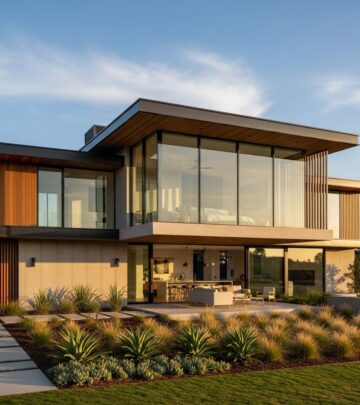
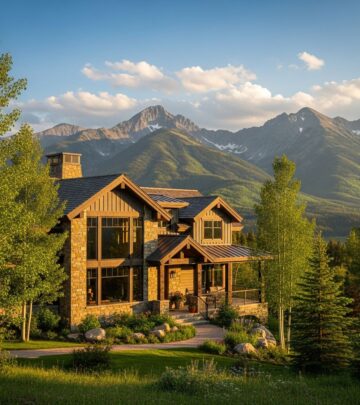
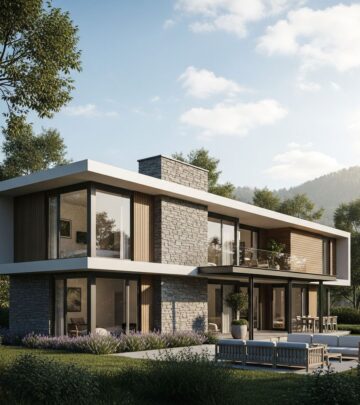
Styles range from midcentury modern revivals to farmhouse hybrids, often featuring stone accents, metal roofs, and professional-grade kitchens.
Financial Aspects: Cost and Value
Ranch homes offer strong value through lower construction complexity—simpler plumbing, electrical, and HVAC systems cut build costs by 10-20% compared to two-stories. Resale holds steady in family-oriented suburbs, with premiums for updated, open-concept models. Financing via mortgages considers single-story efficiency, potentially lowering insurance due to reduced fire spread risk.
Tips for Buying or Building a Ranch Home
- Assess Lot Size: Ensure adequate space for the horizontal spread.
- Prioritize Orientation: South-facing for light, backyard privacy.
- Plan for Expansion: Include flexible spaces.
- Check Local Codes: Verify slab foundation suitability.
- Inspect Energy Features: Look for insulation, windows.
Frequently Asked Questions (FAQs)
What makes a house a ranch style?
A ranch-style house is single-story with an open layout, low roof, and emphasis on horizontal lines and outdoor access.
Are ranch homes energy efficient?
Yes, their single level allows uniform heating/cooling, reducing bills.
Can you add a second story to a ranch home?
Often yes, due to sturdy slab foundations, but costs and codes apply.
Who are ranch homes best for?
Families, retirees, and those valuing accessibility and open living.
How much do ranch homes cost?
Varies by location; typically $200-$400/sq ft to build, less maintenance long-term.
Ranch-style homes continue to thrive for their blend of practicality and charm, adapting seamlessly to modern needs while honoring timeless design principles.
References
- Ranch-Style Homes: 5 Benefits of Single-Story Living — House Plan Gallery. 2023. https://houseplangallery.com/blogs/news/ranch-style-homes-5-benefits-of-single-story-living
- The Benefits of Ranch Style Homes — Eastwood Homes. 2024-01-15. https://www.eastwoodhomes.com/blog/what-are-the-benefits-of-a-ranch-style-home
- Exploring Ranch House Architecture: Key Elements and Inspirations — Archival Designs. 2023-05-20. https://archivaldesigns.com/blogs/house-plan-news/exploring-ranch-house-architecture-key-elements-and-inspirations
- 6 Benefits of a Ranch Style Home [Plus: 3 Disadvantages to Look For] — GTG Custom Home Builders. 2024. https://www.gtgcustomhomebuilders.com/new-jersey-custom-home-building-blog/pros-cons-ranch-style-floor-plan
- 10 Advantages of the Humble Ranch House — Houzz. 2018-06-12. https://www.houzz.com/magazine/10-advantages-of-the-humble-ranch-house-stsetivw-vs~16733969
- What Is a Ranch Style House? The Most Common Characteristics — K. Hovnanian Homes. 2023. https://www.khov.com/blog/what-is-a-ranch-style-house/
- Pros and Cons of Ranch Style Homes — Madison Homebuilders. 2024-02-10. https://madisonhomebuilders.com/blog/pros-and-cons-of-ranch-style-homes/
Similar Articles








Read full bio of Sneha Tete