Raising Rabbits for Meat: Cost, Legalities & How to Start
Complete guide to starting a rabbit meat farm: costs, legalities, profitability, and ethical considerations.
Raising Rabbits for Meat: A Comprehensive Guide to Getting Started
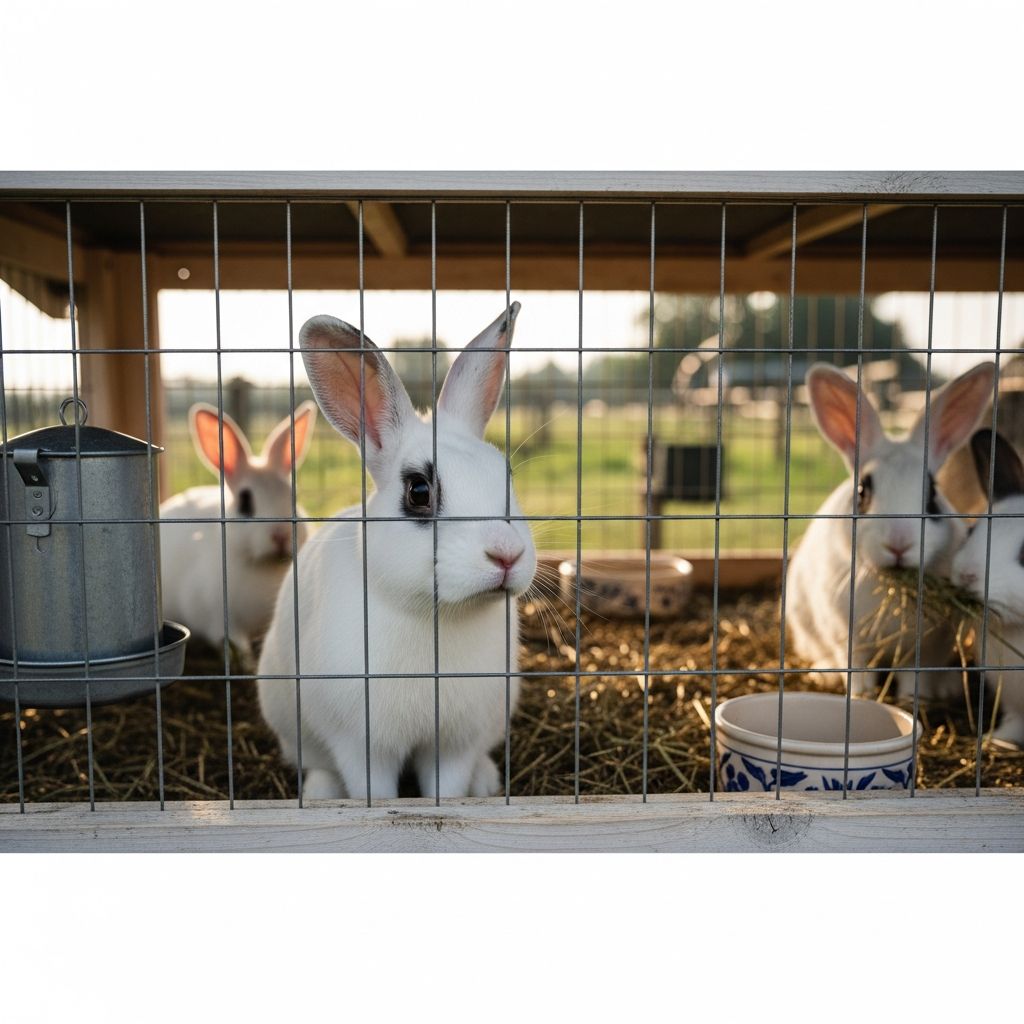
Raising rabbits for meat has become an increasingly popular option for homesteaders, urban farmers, and those seeking to control their food sources. Unlike traditional livestock farming, rabbit farming requires minimal space, relatively low initial investment, and offers ethical advantages over commercial meat production. Whether you’re looking to supplement your family’s food supply or develop a small-scale business, understanding the fundamentals of rabbit meat farming is essential for success.
Understanding Rabbit Meat Costs and Breeds
What Does a Meat Rabbit Cost?
Starting a rabbit meat operation doesn’t require a significant financial commitment compared to other livestock enterprises. Meat rabbits are considerably more affordable than many people expect. New Zealand rabbits, one of the most popular meat breeds, can cost as little as $35 per animal, while non-pedigreed Flemish giants typically range from $20 to $50 each. These prices contrast sharply with pet rabbits sourced from shelters, which often carry adoption fees between $50 and $100.
The cost of individual rabbits varies based on age and maturity. Younger rabbits almost always cost less than fully mature specimens since they produce less meat and carry higher mortality risk during rearing. You can purchase rabbits as young as four weeks old, just days after weaning, allowing you to reduce the rearing timeline and initial investment.
For a minimal operation, you’ll need to acquire one buck (male) and two does (females) to establish a breeding program. This three-rabbit minimum aligns well with many municipal codes that restrict non-permitted backyard farms to three adult rabbits. Expect to invest at least $100 total for three healthy adult rabbits, though premium breeds or show-quality specimens will command higher prices.
Market Prices for Rabbit Meat
Understanding Pricing Structures
The profitability of rabbit meat farming depends heavily on how you process and sell your meat. Commercial meat processors typically pay between $1 to $2.50 per pound for live rabbits, though these facilities usually aren’t USDA-certified, which can limit your options.
If you process rabbit meat on-site, you can command premium prices ranging from $5 to $10 per pound, depending on quality and presentation. However, scaling to this level requires appropriate space, equipment, and legal authorization. Small operations often struggle to find butchers or independent meat markets willing to purchase limited quantities, making direct consumer sales or live-selling surplus rabbits more practical.
Processing fees through commercial facilities typically range from $4 to $7 per pound when you factor in the difference between retail meat costs and what processors pay for live rabbits. You can often negotiate better rates—potentially $2.50 to $3 per pound—if you establish recurring or bulk processing arrangements.
Profitability and Market Considerations
Is Rabbit Farming Actually Profitable?
The honest answer is that rabbit farming is rarely highly profitable on a small scale, but it can be financially beneficial when approached correctly. According to industry assessments, a backyard meat rabbit breeder can generate modest income if resourceful and hardworking, though few succeed in replacing full-time employment through rabbits alone.
Research indicates that sustaining a full-time living from rabbit farming requires an efficient setup with at least 200 working does, along with the infrastructure and management systems to support such an operation. At this scale, you’ll process over 100 pounds of feed daily, making feed efficiency and waste prevention critical concerns.
Finding Your Market
Success in rabbit meat farming depends critically on identifying and securing reliable markets before you invest heavily in breeding stock. The reality is that rabbits remain a specialty food item with limited consumer awareness in many regions, making marketing challenging.
Potential markets include:
Pet and Specialty Animal Food: Selling rabbits for snake, reptile, and dog food requires no USDA restrictions and can be lucrative. One documented rabbitry generated such high demand for dog food at $4 per pound that they nearly overwhelmed their production capacity. You can butcher and sell rabbits at various ages and sizes to accommodate different animal dietary needs.
Direct Sales to Consumers: Live sales to individuals or at farmers markets can generate higher per-pound revenues, though this requires navigating local regulations and often involves time-intensive marketing efforts.
Restaurant and Institutional Sales: Some middlemen specialize in purchasing live rabbits, butchering them, and selling to restaurants. While this approach reduces your per-rabbit revenue compared to direct restaurant sales, it eliminates processing labor and allows flexible delivery schedules.
Secondary Markets: Tanned furs, compost from manure, and vermicomposting worms (red worms or fishing worms) can provide supplementary income streams that maximize your rabbit operation’s profitability.
Legal Requirements and Regulations
Understanding USDA Regulations
Rabbit meat regulations vary significantly by location but typically depend on whether you’re selling meat and how it’s processed. In states like Maine, any rabbit meat sold commercially must be slaughtered and packaged by USDA-approved facilities with special rabbit processing stamps (approximately $5 per rabbit). This requirement, combined with state mobile vendor licenses, freezer inspections, and farm liability insurance, creates substantial regulatory overhead for small operations.
You can raise rabbits for personal consumption without these restrictions, making home processing attractive if you’re farming primarily for family food security. Processing your own meat eliminates regulatory compliance costs and allows you to control the entire production process.
Local Zoning and Municipal Codes
Many municipalities restrict backyard livestock operations, often limiting non-permitted farms to three adult rabbits. Before investing in breeding stock, verify your local ordinances to ensure compliance. Some areas require special permits or licenses even for small-scale operations.
Pros of Raising Rabbits for Meat
Ethical and Environmental Benefits
For conscientious consumers seeking alternatives to industrial meat production, rabbit farming offers significant ethical advantages. Hand-raised rabbits represent a transparent food source where you control housing conditions, feed quality, and slaughter methods—something impossible with commercial meat operations. You know the animal’s complete history, treatment, whether medications were used, and how it was processed and stored.
From an environmental perspective, rabbits require substantially less feed, water, and space than traditional livestock while producing nutrient-rich meat. Their manure serves as excellent compost, creating a closed-loop system that minimizes waste.
Cost Efficiency for Personal Consumption
Raising rabbits for home consumption can meaningfully reduce grocery bills over time. Each doe should successfully produce 36 fryers annually (six litters of six fryers each) for the operation’s meat costs to equal or undercut supermarket prices. This efficiency makes backyard rabbit farming an attractive option for cost-conscious families.
Low Space Requirements
Unlike beef cattle, dairy goats, or chickens in volume, rabbits require minimal space. A small backyard can accommodate breeding stock and growing fryers, making rabbit farming accessible to urban and suburban homesteaders.
Essential Equipment and Setup
Cages and Feeders
Successful rabbit operations demand quality equipment designed to minimize feed waste. Cages must include feeders that dispense adequate portions without allowing rabbits to dig feed out or tip bowls over. Wasted feed directly reduces profitability, making feeder design a critical investment consideration.
Start with solid, well-constructed equipment rather than salvaged or budget alternatives. Cheap cages often harbor health issues and breeding problems that make them expensive to maintain long-term.
Breeding Stock Selection
Purchase breeding rabbits from reputable sources rather than buying cull rabbits or inferior stock from local sale barns. While budget purchases seem attractive, they often carry hidden health problems, genetic issues, or behavioral defects that compromise productivity. Investing in show-quality or at least healthy, well-bred animals prevents future complications and supports breeding success.
Frequently Asked Questions
Q: Can I make a full-time income from rabbit farming?
A: Full-time rabbit farming is possible but requires substantial scale (typically 200+ breeding does) and significant infrastructure investment. Most small backyard operations generate modest supplementary income or reduce food costs rather than replace primary employment.
Q: What’s the minimum startup investment for rabbit farming?
A: A minimal operation can start with as little as $100 for three adult rabbits and basic cages, though most successful operations invest $500-$1,500 initially for quality equipment and breeding stock.
Q: Do I need USDA certification to sell rabbit meat?
A: Requirements vary by location and sales method. Home processing for personal use requires no certification. Selling processed meat typically requires USDA-approved facilities. Selling live rabbits for pet food or to processors usually has fewer restrictions.
Q: How quickly can I start producing meat rabbits?
A: Rabbits reach meat weight (4-6 pounds) at 8-12 weeks of age. With adult breeding stock, you can produce your first meat fryers within 3-4 months of starting.
Q: What’s the best way to avoid rabbit farming scams?
A: Avoid schemes offering to buy back rabbits you purchase from them. Never sign buyback agreements, as many operators refuse payment or charge excessive shipping costs that exceed the animal’s value. Start with quality local stock and established relationships.
Q: Can rabbits be profitable as a secondary operation?
A: Yes, rabbits work well as a secondary enterprise on existing farms. They generate meaningful income without requiring the intensive management that primary livestock operations demand, especially when you’ve already established secure markets.
Getting Started: Practical Steps
Step One: Research Your Local Market
Before purchasing any rabbits, identify potential buyers and market demand in your area. Contact local restaurants, pet food suppliers, farmers markets, and specialty food retailers to gauge interest and pricing.
Step Two: Verify Local Regulations
Confirm zoning restrictions, required licenses, and processing regulations before investing. Contact your local agricultural extension office or municipal government to understand specific requirements.
Step Three: Secure Quality Breeding Stock
Invest in healthy, well-bred rabbits from reputable breeders rather than budget alternatives. Quality stock is more productive and requires less corrective management.
Step Four: Start Small and Scale Gradually
Begin with the minimum breeding stock (one buck and two does) and grow as market demand increases. Small-scale starts reduce financial risk if markets don’t develop as expected while allowing you to refine operations before major expansion.
Step Five: Establish Waste-Prevention Systems
Implement quality feeders and management practices that minimize feed waste. Wasted feed directly undermines profitability on small operations where margins are thin.
Conclusion
Raising rabbits for meat offers genuine benefits for homesteaders seeking ethical, sustainable food sources and modest supplementary income. While full-time profitability remains elusive for small operations, thoughtful management, reliable markets, and realistic expectations make rabbit farming a viable and rewarding pursuit. Success depends less on volume than on quality decisions: purchasing healthy breeding stock, securing markets before expansion, investing in quality equipment, and starting small while scaling gradually as demand confirms viability. For those willing to do the work with appropriate management practices, rabbit farming provides tangible returns through cost reduction, ethical food production, and potential income generation.
References
- Making Money with Rabbits — Rise and Shine Rabbitry. https://riseandshinerabbitry.com
- Raising Rabbits for Meat – Cost, Legalities & How to Start Farming — Money Crashers. https://www.moneycrashers.com/raising-rabbits-meat-farming/
- Raising rabbits for profit — Backwoods Home Magazine. https://www.backwoodshome.com/raising-rabbits-for-profit/
- Is Raising Meat Rabbits Profitable? — Agricultural sustainability analysis. https://rabbittalk.com
Similar Articles








Read full bio of medha deb