Rainwater Harvesting: 4 Practical Ways To Save Money
Harvest rainwater to slash water bills, boost sustainability, and gain water independence with smart, cost-saving systems.
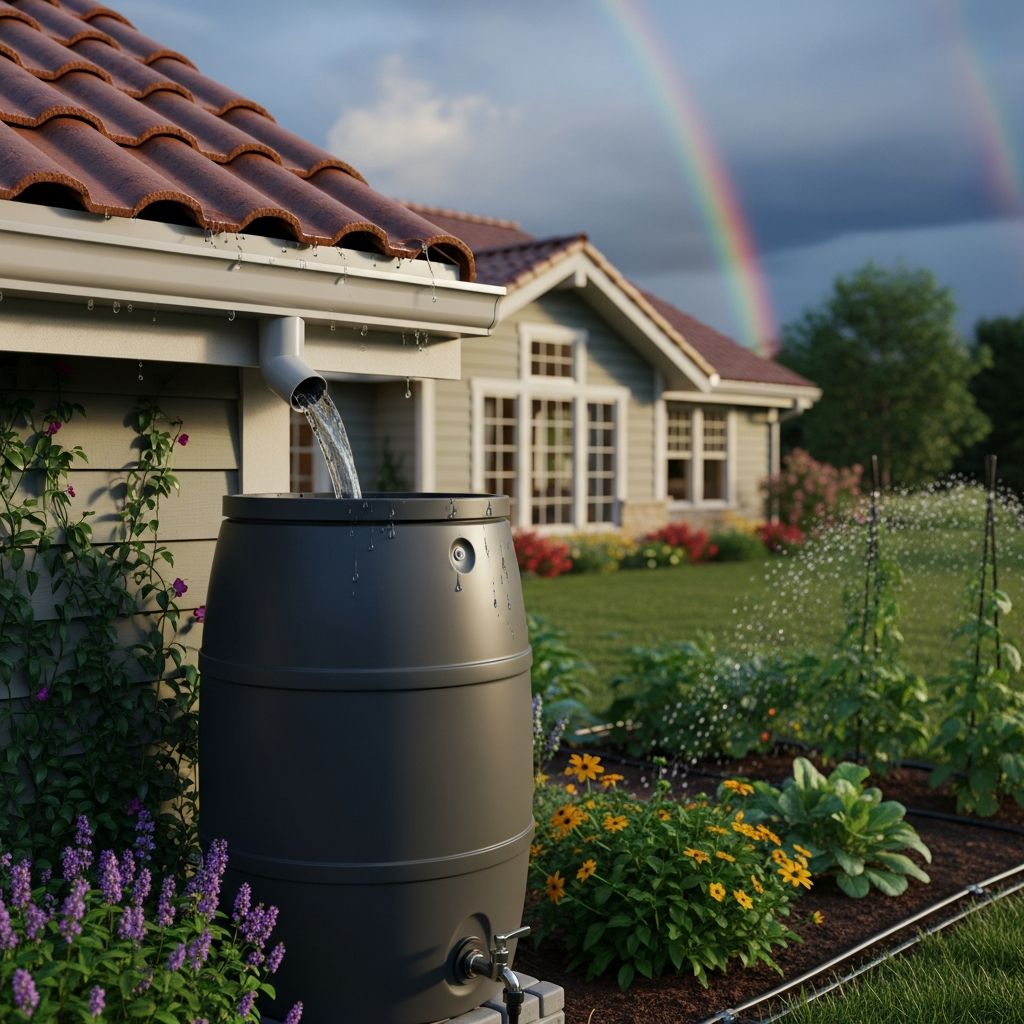
Rainwater harvesting captures free rainwater from your roof for uses like gardening, toilet flushing, and laundry, potentially slashing your water bill by up to 40% while promoting sustainability and water security.
What Is Rainwater Harvesting?
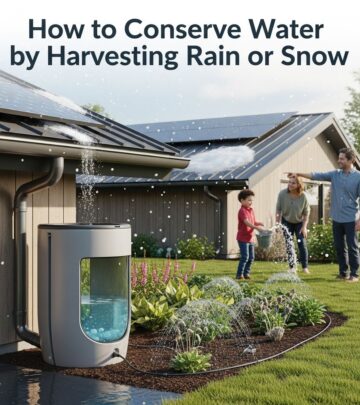
Rainwater harvesting involves collecting and storing rainwater that falls on your roof, preventing it from becoming stormwater runoff. This free resource can replace municipal water for non-potable needs, reducing reliance on treated supplies and lowering utility costs.
The process is simple: rainwater flows from gutters into filters and storage tanks. Basic systems use rain barrels, while advanced setups include pumps and treatment for broader applications. Homeowners in water-scarce areas like the U.S., Australia, and New Zealand report substantial savings, with systems paying for themselves in 5-15 years.
Benefits of Rainwater Harvesting
Rainwater harvesting delivers financial, environmental, and practical advantages that make it a smart investment for homeowners.
Save Money on Water Bills
By diverting rainwater to outdoor irrigation, toilet flushing, and laundry, households can cut municipal water use by 30-50%, translating to hundreds of dollars annually. In drought-prone U.S. areas like Los Angeles, savings offset rising rates; Australian studies show up to $4.60 per kiloliter saved in Brisbane.
One Pacific Northwest project yielded $32,500 in 10-year savings by replacing $1,000 monthly garden watering costs with harvested rain. Overall, up to 40% bill reductions are common, with low-maintenance systems ensuring long-term ROI.
Environmental Advantages
- Reduces stormwater runoff: Captures rain on-site, preventing erosion, flooding, and pollution in local waterways.
- Conserves municipal resources: Eases demand on treatment plants, saving energy for pumping and processing.
- Supports ecosystems: Provides soft, chemical-free water ideal for plants, reducing fertilizer leaching.
Boosts Property Value and Resilience
Eco-friendly features like rainwater systems appeal to buyers, increasing home value. They also provide backup during restrictions or droughts, ensuring water for essentials. In regions with unpredictable weather, this builds self-sufficiency.
How Much Can You Save with Rainwater Harvesting?
Savings vary by location, rainfall, system size, and usage, but data shows compelling returns.
| Factor | Average Savings | Example |
|---|---|---|
| Water Bill Reduction | Up to 40% | $35/month summer savings |
| Annual Household Savings | $200-$1,000+ | 50% cut in metered areas |
| 10-Year Total | $10,000-$35,000 | Garden irrigation replacement |
| Payback Period | 5-15 years | Depends on incentives |
In South East Queensland, widespread adoption could save communities $3.5 billion by 2056 through reduced infrastructure needs. U.S. rebates accelerate ROI in many states.
Rainwater Harvesting System Costs
Costs range from basic to advanced, fitting various budgets.
- First Flush Diverters: $50-$200. Divert initial dirty runoff for cleaner water.
- Rain Barrels/Drums: $70-$150 each. Ideal for small gardens; link multiples for more capacity.
- Complete Systems: $2,000-$10,000+. Include pumps, filters, and large tanks (1,000-10,000 gallons) for whole-home use.
- Installation: $500-$2,000 DIY vs. professional, plus permits if required.
Low ongoing costs (minimal maintenance) ensure quick payback. Advanced tech like smart sensors optimizes usage.
Is Rainwater Harvesting Legal?
Legality varies: most U.S. states allow it, but some like Colorado restrict collection. Check local codes—many offer incentives. Australia and New Zealand widely support it with rebates.
Rainwater Harvesting Incentives and Rebates
- Tax Credits: Federal and state programs for green upgrades.
- Grants/Rebates: Up to 50% off in drought areas (e.g., California, Texas).
- Utility Discounts: Reduced rates for conservation efforts.
These cut upfront costs, shortening payback to under 10 years.
Best Practices for Rainwater Harvesting
- Site Assessment: Calculate roof size, rainfall, and usage needs.
- Quality Components: Use UV-resistant tanks, leaf screens, and filters.
- Maintenance: Clean gutters seasonally; test water annually.
- Integration: Automate with pumps for toilets/laundry.
Rainwater Harvesting FAQs
Is rainwater safe to use?
For non-potable uses, yes after basic filtration. Add UV treatment for broader safety.
How big a tank do I need?
Depends on rainfall and usage: 500-2,000 gallons for average homes.
Does it work in dry climates?
Yes, stores excess for dry periods; best with sufficient annual rain.
Can I drink harvested rainwater?
Possible with full treatment, but not recommended without professional setup.
What’s the ROI?
5-15 years, faster with incentives and high usage.
Get Started with Rainwater Harvesting
Start small with barrels, scale up for bigger savings. Consult locals for tailored advice and rebates. Harvesting rainwater isn’t just eco-friendly—it’s a proven way to save thousands while securing your water future.
References
- Rainwater Harvesting: Unlocking Hidden Cost Savings for Homeowners — Smart Water Online. 2025-07-10. https://smartwateronline.com/news/rainwater-harvesting-unlocking-hidden-cost-savings-for-homeowners
- Rainwater Harvesting ROI Guide 2024 — Thrive Lot. 2024. https://www.thrivelot.com/resources/rainwater-harvesting-roi-guide-2024
- Is rainwater harvesting worth it in 2026? — Premier Tech Aqua. 2026. https://www.premiertechaqua.com/en-us/blog/rainwater-harvesting-worth-it
- Save $35,000 in 10 Years with a Rain Collection System — Product Water. N/A. https://productwater.com/save-35000-in-10-years-with-a-rain-collection-system-the-smart-water-solution/
- How Rainwater Harvesting Can Reduce Your Water Bill — Rainwater Services. N/A. https://www.rainwaterservices.com/how-rainwater-harvesting-can-reduce-your-water-bill/
- Advantages & Benefits of Rainwater Harvesting — Rainwater Management Solutions. N/A. https://rainwatermanagement.com/blogs/news/benefits-of-rainwater-harvesting
Similar Articles








Read full bio of medha deb