Radford University: Profile, Rankings & Admissions
Comprehensive guide to Radford University admissions, costs, rankings, and student life.
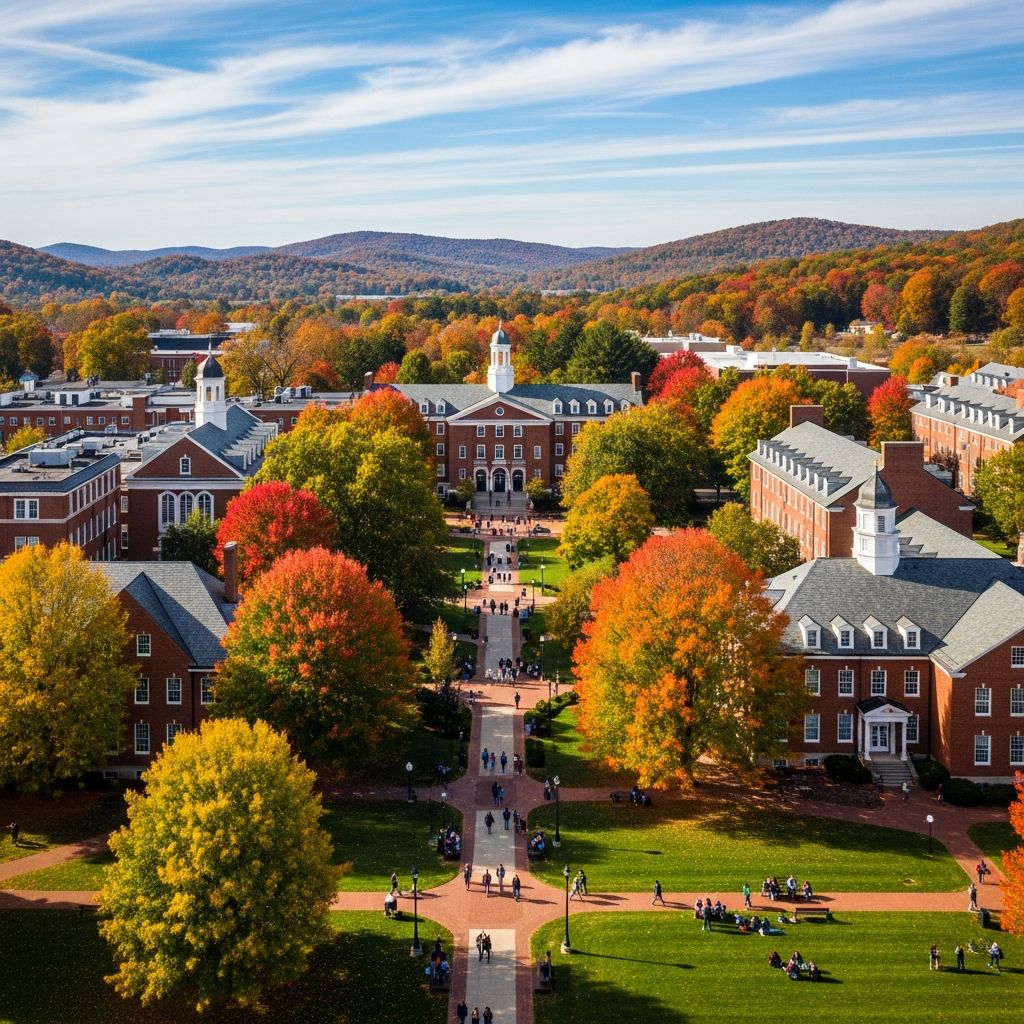
Radford University: A Comprehensive College Profile
Radford University stands as a prominent public comprehensive institution located in Radford, Virginia, approximately 45 miles west of Roanoke. Founded in 1910 as a teachers’ college for women, the university has evolved significantly over more than a century to become a coeducational institution offering diverse academic programs across multiple colleges. With its commitment to student-centered education and affordable tuition, Radford has established itself as an accessible option for students seeking quality higher education in the Commonwealth of Virginia.
The university’s transformation from a women’s normal school to a comprehensive research institution reflects its dedication to expanding educational opportunities. In 1979, Radford achieved university status, further solidifying its academic standing. Today, the institution enrolls thousands of students and maintains a strong reputation for personalized education and accessible faculty, making it an attractive choice for both traditional and non-traditional learners.
Academic Programs and Colleges
Radford University offers an extensive range of academic programs organized through five primary colleges, each providing specialized education across various disciplines:
– College of Arts and Sciences- College of Business and Economics- College of Education and Human Development- College of Health and Human Services- College of Visual and Performing Arts
The university is particularly renowned for its strong business, nursing, education, and interior design programs. Business programs attract over 1,500 majors, supported by the state-of-the-art Kyle Hall, a $44 million complex that opened in August 2012. This facility features advanced laboratories, modern classrooms, and a trading room equipped with real-time stock data and financial research capabilities.
In a significant institutional advancement, Radford was designated as a doctoral/professional university by the Carnegie Commission in 2022, the first such classification in the university’s history. The institution now offers six doctoral degrees across its main campus and Radford University Carilion, reflecting its commitment to advanced scholarship and research.
Admissions and Acceptance Rates
Radford University maintains an acceptance rate of 91%, reflecting its commitment to accessibility and inclusive admissions practices. This high acceptance rate makes Radford an attainable option for many prospective students who may not qualify for more selective institutions. The university welcomes applications from students with varying academic backgrounds and considers each applicant’s individual strengths and potential for success.
Prospective students interested in applying should prepare standard application materials, including transcripts, standardized test scores, and personal essays. The admissions office emphasizes that students come first, making the application process student-friendly and supportive throughout evaluation.
Estimated Costs and Financial Considerations
For the 2025-2026 academic year, Radford University’s estimated full price of attendance is $30,270, positioning it as one of Virginia’s more affordable public universities. When accounting for average financial aid packages, the estimated price after aid decreases to $19,400, making the institution increasingly accessible to students from various socioeconomic backgrounds.
The following table illustrates Radford’s cost structure compared to the admission and graduation metrics:
| Metric | Value |
|---|---|
| Acceptance Rate | 91% |
| Est. Full Price (2025-26) | $30,270 |
| Est. Price with Average Aid | $19,400 |
| Graduation Rate | 60% |
These costs include tuition, fees, room, board, and other standard educational expenses. The significant reduction between the full price and average aid demonstrates Radford’s commitment to helping students finance their education.
Financial Aid and Scholarship Opportunities
Radford University offers comprehensive financial aid through multiple channels, ensuring that cost does not prevent qualified students from attending. The university administers federal, state, and institutional financial aid programs to support student access and affordability.
The university maintains an extensive donor-funded scholarship program, with more than $3 million available annually from over 500 individual scholarships. Students can access these opportunities through a centralized application portal, simplifying the process of identifying and applying for scholarships that match their profiles and circumstances.
Key financial aid resources include:
– Federal student loans and grants- State-funded financial aid programs- Merit-based scholarships for strong academic performers- Need-based financial aid packages- Donor-funded scholarships tailored to specific criteria- Work-study opportunities on campus
Students should complete their Free Application for Federal Student Aid (FAFSA) for the 2025-2026 academic year using Radford University’s school code 3732. The financial aid office provides ongoing support through OneCampus, allowing students to check account status, view aid packages, and track disbursements 24/7.
Faculty and Student Experience
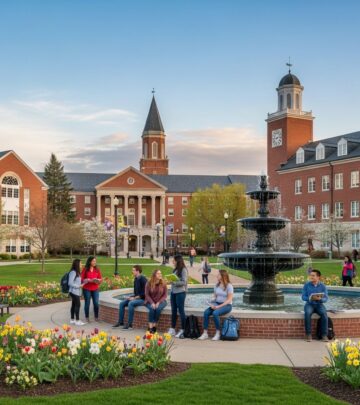
Radford University’s greatest strength lies in its dedicated faculty members who prioritize student success and engagement. Professors at the institution are widely recognized as personable, affable, and genuinely committed to teaching rather than simply fulfilling obligations. Students report that faculty members are easily accessible, responsive to questions, and invested in student learning outcomes.
The university’s midsized student population creates an ideal environment for academic interaction. Classes are notably smaller than those at large research universities, enabling students to receive meaningful one-on-one attention from instructors. Communication majors, sociology majors, and other students consistently praise the personal connections they develop with faculty members, creating relationships that extend beyond the classroom.
While general education classes have received mixed reviews from students, with some criticizing instructors who rely heavily on PowerPoint presentations, the overall teaching culture emphasizes active engagement and personalized instruction. The administration is generally described as helpful and accessible, with decision-makers who genuinely care about student welfare and institutional improvement.
Campus Facilities and Location
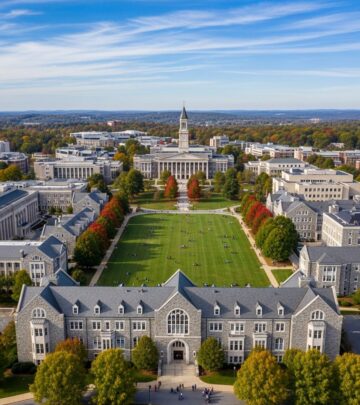
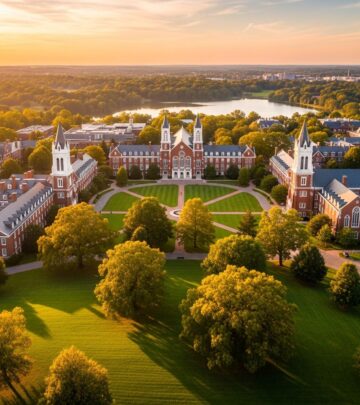
Radford’s 177-acre campus provides ample space for academic buildings, residence halls, recreational facilities, and outdoor spaces. The campus is located in Radford, a community in Southwest Virginia that offers small-town charm while remaining close to larger regional centers like Roanoke.
Recent campus improvements reflect the university’s commitment to modern facilities and learning environments. Kyle Hall, the College of Business and Economics building completed in 2012, exemplifies this investment in student success. Additionally, the Artis College of Science and Technology and the Davis College of Business and Economics represent ongoing enhancements to campus infrastructure and academic spaces.
Graduation Rates and Student Success
Radford University reports a graduation rate of 60%, measured as degree completion within six years for both transfer students and first-time students. This metric reflects the university’s focus on student retention and completion, with support services designed to help students navigate the challenges of higher education and reach their academic goals.
Early career earnings data indicates that graduates earn median salaries approximately 10 years after initial enrollment, demonstrating the long-term value of a Radford degree. The university tracks alumni success across various industries and professions, celebrating the achievements of graduates who contribute to their communities and advance their careers.
Innovative Programs and Partnerships
Radford University has positioned itself as an innovator in higher education through several forward-thinking initiatives. In Fall 2017, the university launched IMPACT, a competency-based program targeting adult learners with specialized focus areas including cybersecurity, geospatial intelligence, and education. Notably, Radford became the first public university in Virginia to launch a competency-based education program, demonstrating institutional leadership in alternative educational delivery models.
The U.S. Department of Education recognized this innovative approach by awarding Radford a $13.8 million grant, the largest in the university’s history, to support the IMPACT program’s expansion and development.
In 2019, Radford University expanded its health sciences offerings through a strategic merger with Jefferson College of Health Sciences in collaboration with Carilion Clinic. This partnership created Radford University Carilion, bringing additional academic programs and clinical opportunities to the institution. The merger allowed Radford to enroll its first cohort of students in the newly integrated health sciences programs in Fall 2019.
Institutional History and Evolution
Radford’s journey from a State Normal and Industrial School for Women established in 1911 to a comprehensive doctoral/professional university reflects decades of institutional growth and adaptation. Dr. John Preston McConnell, appointed as the institution’s first president in 1911, established a foundational commitment to equal opportunity that continues to define the university’s mission today.
Throughout the 20th century, Radford overcame significant challenges, including wartime enrollment fluctuations and a brief affiliation with Virginia Polytechnic Institute (1943-1964) as the Women’s Division. The 1972 transition to coeducation marked a transformative moment, expanding educational access and opportunities. The 1970s also brought the adoption of the Highlanders athletic nickname, celebrating the Scottish heritage of Southwest Virginia.
The university’s recognition as a doctoral institution in 2022 represents the culmination of decades of academic advancement and expanding research capabilities. This designation elevates Radford’s national profile and opens new possibilities for graduate education and scholarly inquiry.
Economic Impact and Community Engagement
Beyond its academic mission, Radford University significantly contributes to the Commonwealth of Virginia’s economic development. According to recent economic impact studies, the university generates millions of dollars annually through direct spending, employment, and community engagement initiatives. Faculty, staff, and students inject substantial resources into the local and regional economy, supporting businesses and fostering economic vitality in Southwest Virginia.
Frequently Asked Questions
Q: What is Radford University’s acceptance rate?
A: Radford University maintains a 91% acceptance rate, making it an accessible institution for many prospective students seeking quality higher education in Virginia.
Q: How much does it cost to attend Radford University?
A: The estimated full price for the 2025-2026 academic year is $30,270. However, with average financial aid, the estimated cost decreases to $19,400, making it one of Virginia’s more affordable public universities.
Q: What are Radford’s strongest academic programs?
A: Radford is particularly recognized for its business, nursing, education, and interior design programs. The university also offers unique opportunities through its competency-based IMPACT program in cybersecurity and geospatial intelligence.
Q: How much financial aid is available at Radford?
A: More than $3 million from over 500 donor-funded scholarships is available annually. Additionally, Radford administers federal and state financial aid programs to support student access and affordability.
Q: What is Radford’s graduation rate?
A: Radford University reports a 60% graduation rate, measured as degree completion within six years for both transfer and first-time students.
Q: Does Radford offer graduate programs?
A: Yes. Radford was designated as a doctoral/professional university by the Carnegie Commission in 2022 and now offers six doctoral degrees across its main campus and Radford University Carilion.
Q: What makes Radford’s faculty distinctive?
A: Radford’s faculty is known for being personable, affable, and genuinely committed to teaching. Professors are easily accessible, responsive to students, and invested in individual student success through smaller class sizes and personalized attention.
References
- Radford University: All Opportunities — Radford University. 2025. https://radford.academicworks.com
- Financial Aid — Radford University. 2025. https://www.radford.edu/financial-aid/index.html
- History — Radford University. 2024. https://www.radford.edu/about/history.html
- Radford University Overview — CollegeData. 2024. https://www.collegedata.com/college-search/Radford-University
- Radford University brings millions of dollars to the Commonwealth — WSLS. 2024-02-06. https://www.wsls.com/news/local/2024/02/06/radford-university-brings-millions-of-dollars-to-the-commonwealth/
Similar Articles








Read full bio of medha deb