Here’s How Much Money I Saved by Quitting Coffee
Discover the surprising savings and life improvements from ditching coffee, plus practical tips to quit your habit and reclaim your wallet.
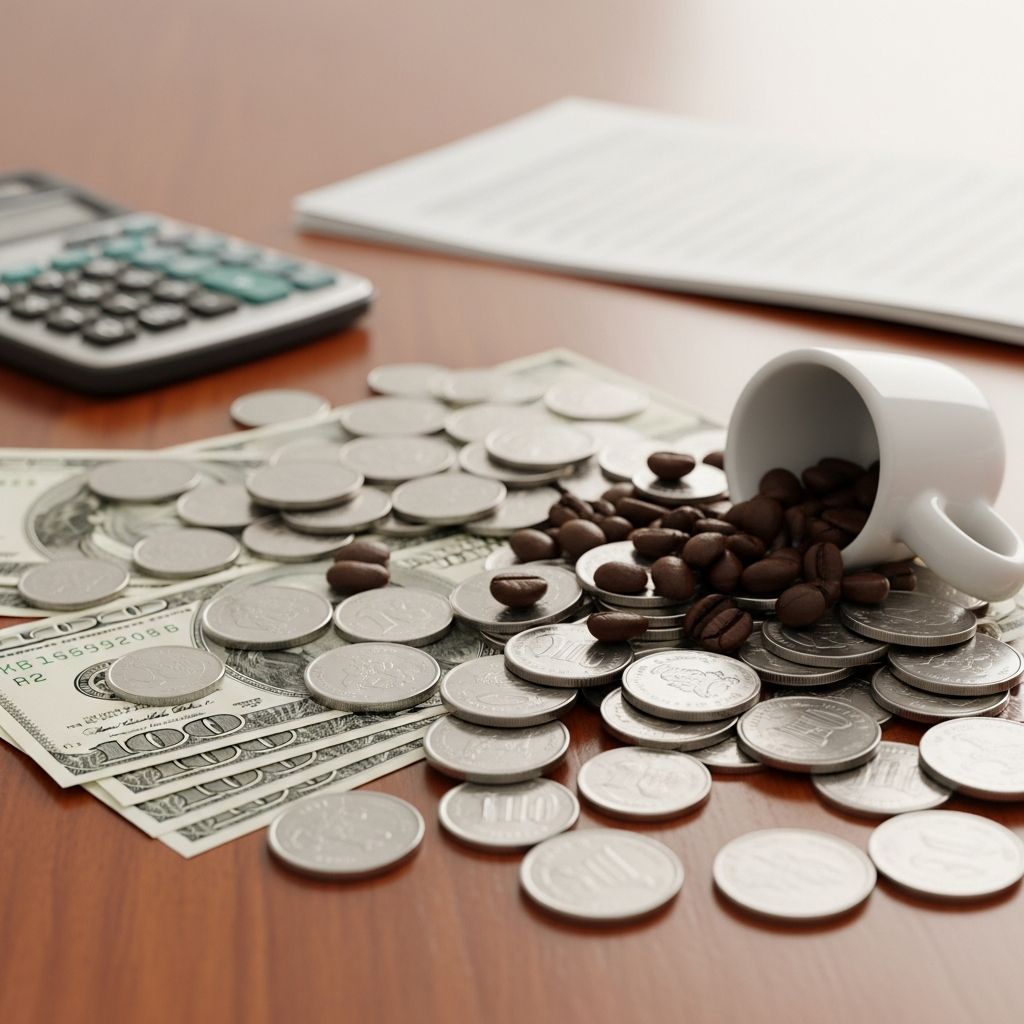
Coffee was once the cornerstone of my daily routine, dictating my mornings, complicating road trips, and sparking impromptu grocery store runs with a mandatory Starbucks detour just to tide me over. As a self-proclaimed Penny Hoarder, the financial drain from this habit finally pushed me to quit. Two months caffeine-free later, I’ve not only reclaimed my peace but also pocketed substantial savings that feel like free vacations. This journey wasn’t easy, but the rewards—financial, physical, and mental—make it worthwhile. In this article, we’ll dive into the exact dollars saved, real-world cost comparisons for different coffee habits, and my no-nonsense strategies for kicking the bean to the curb.
How Much Money Will I Save by Giving Up Coffee?
Quitting coffee eliminated more than just a beverage; it severed an anchor that tied my day to mood swings, insomnia, and unnecessary expenses. Now, I sleep soundly, feel more balanced, and enjoy a smug sense of superiority over those still enslaved by the ‘black-eyed monster.’ But the real win for budget-conscious folks like us? The money. Let’s break it down with cold, hard numbers.
My habit was straightforward: brewing black coffee at home, consuming about a pound of beans weekly, supplemented by occasional free office cups or grab-and-go options. I wasn’t splurging on artisanal roasts but favored reliable picks like Dunkin’ Donuts Original Blend or slightly pricier grocery store beans. For simplicity, we’ll use Dunkin’s pricing as the baseline.
A one-pound bag of Dunkin’ Original Blend costs $8.99. At one bag per week for 52 weeks, that’s $467.48 annually before tax. This amount fueled roughly two 16-ounce cups daily. Factoring in a modest 9.5% sales tax (common in many U.S. states), my total spend last year hit $512.48—money now staying in my pocket. That’s equivalent to a full extra vacation, like our proven $300 road trip for two.
| Coffee Habit | Weekly Cost | Annual Cost (Pre-Tax) | Annual Cost (w/ 9.5% Tax) | Equivalent Savings |
|---|---|---|---|---|
| Home Brew (1 lb/week, $8.99/lb) | $8.99 | $467.48 | $512.48 | 1 Vacation |
| Daily Cafe ($3.50/cup, 2 cups/day) | $49 | $2,548 | $2,790.66 | 9+ Vacations |
| Office + Cafe Mix (1 home + 1 cafe/day) | $12.49 | $649.48 | $711.33 | 2 Vacations |
These figures are conservative. Coffee lovers rarely skip weekends, holidays, or vacations, inflating real costs further. Imagine redirecting $512 into high-yield savings, travel funds, or debt payoff— the compound interest alone could add hundreds more over time.
What if your routine differs? Daily cafe runs at $3.50 per cup (a medium drip at Starbucks or Dunkin) for two cups total $7 daily, or $49 weekly. Over 52 weeks, that’s $2,548 pre-tax, ballooning to $2,790 with tax. My two-cup home habit would’ve equated to $750 yearly at cafe prices; no skips push it to $1,058.50. That’s two dream getaways funded purely by skipping the latte line.
Beyond direct costs, consider hidden expenses: coffee makers ($50-100 every few years), filters, travel mugs, and impulse buys during cafe visits (pastries add $2-5 each). Quitting unravels this web, freeing cash flow immediately. According to the U.S. Bureau of Labor Statistics’ 2024 Consumer Expenditure Survey, average household coffee spending exceeds $200 yearly, but heavy users like us skew much higher—often $500+ as in my case.
How I Gave Up Coffee (Sorry, There’s No Secret Here)
Ditching coffee promises vacations, emergency funds, or investments—but it’s tough. The aroma evokes grandma’s kitchen, the warmth comforts like a hug, and that buzz kickstarts a foggy brain. There’s no magic pill or hack; my success stemmed from gritty persistence and practical tweaks. If you’re ready to save hundreds (or thousands), here’s exactly what worked over my two-month detox and beyond.
1. Time and Moderation
I didn’t cold-turkey after six caffeine-packed years. Gradual reduction built tolerance for life without it. Two years ago, post-midnight brews triggered panic attacks, so I cut off at midnight. Starting a 9-to-5 job a year later shifted my cutoff to 5 p.m., then noon, finally 2 p.m. This retrained my sleep cycle, proving real energy trumps artificial jolts. Patience pays: rushing amplifies withdrawal misery.
2. Ride Out Withdrawal
Caffeine withdrawal peaks fast—headaches, fatigue, irritability hit hardest days 1-3. Thankfully, it’s milder than nicotine or alcohol quits. Extra-strength Tylenol managed my headaches; by day three, they vanished. Hydration, rest, and light activity eased the fog. Per Mayo Clinic guidelines, symptoms resolve in 2-9 days; most feel normal within a week. Stock pain relievers and plan low-stakes days.
3. Good Food and Exercise (or at Least Movement)
Post-headache, drowsiness lingered as my brain adjusted to natural energy. Combat this with nutrient-dense meals: oats, nuts, fruits for steady fuel. Protein-rich breakfasts (eggs, yogurt) sustained me better than coffee ever did. Movement was key—brisk walks, yoga, or home workouts boosted endorphins naturally. Aim for 30 minutes daily; it rewires your energy without crashes.
- Breakfast swaps: Overnight oats with nuts ($1/serving) vs. coffee + pastry ($5).
- Movement ideas: 20-minute walks (free), bodyweight circuits, or dance breaks.
- Pro tip: Track energy in a journal to see improvements.
4. Herbal Tea
Coffee snobs scorn herbal tea folk, but desperation breeds converts. Now, I’m team chamomile. It mimics the ritual—warm mug, soothing steam—without jitters. Favorites: peppermint for digestion, ginger for zing, rooibos for richness. Bags cost $0.20-0.50 each vs. coffee’s $1+ per cup. Brew strong for that ‘coffee-like’ boldness. Saturday mornings now pair tea with books; holiday treats get cinnamon spice. Bonus: many aid sleep and health, per NIH studies on herbal benefits.
Other rituals helped too: morning stretches replace brewing, podcasts fill commute buzz, and water bottles curb false hunger. Donate gear—my coffee maker hit Goodwill after three days—to commit. Partner skepticism turned to awe at week two; enlist support for accountability.
Other Benefits Beyond the Savings
Money’s the headline, but quitting unlocked more. Deeper sleep erased insomnia; no 2 a.m. jitters mean refreshed mornings. Mood stabilized—no crashes or snippy outbursts. Road trips simplified sans bathroom hunts. Health perks include better hydration, reduced acid reflux (common in 30% of drinkers per gastroenterology reports), and whiter teeth. Mentally, reclaiming routine fostered discipline applicable to other habits like mindless shopping.
Potential Savings Scenarios for You
Not everyone brews at home. Here’s a personalized calculator vibe:
- Light user (1 cup/day, home): $200-300/year saved.
- Heavy cafe-goer (3 cups/day): $2,000+ annually.
- Family of 4: Scale my math x4 for $2,000+ collective savings.
Redirect to Roth IRA contributions, kids’ college funds, or fun like Priceline deals. Compound at 5% interest, $500 becomes $528 year one, snowballing fast.
Frequently Asked Questions (FAQs)
Is quitting coffee really worth the savings?
Yes—for my habit, $512/year; cafe addicts save thousands. Weigh your spend via bank statements.
How long does caffeine withdrawal last?
2-9 days typically, with headaches peaking early. Tylenol and hydration help.
What herbal teas replace coffee best?
Chamomile for calm, peppermint for pep, rooibos for robustness—all under $0.50/cup.
Will I miss the coffee ritual?
Initially yes, but tea or hot cocoa fills the gap. Donate gear to cut temptation.
Any health risks to quitting cold turkey?
Rare; taper if heavy user. Consult doctor for underlying issues.
Final Thoughts on Your Coffee-Free Future
Quitting coffee transformed my life and ledger. No secret—just time, grit, and smart swaps. Tally your costs, start tapering, and watch savings brew. Your wallet (and waistline) will thank you.
References
- Here’s How Much Money I Saved by Quitting Coffee — The Penny Hoarder. 2023. https://www.thepennyhoarder.com/save-money/quitting-coffee-saving-money/
- Consumer Expenditure Survey 2024 — U.S. Bureau of Labor Statistics. 2024-09-10. https://www.bls.gov/cex/
- Caffeine Withdrawal — Mayo Clinic. 2025-01-05. https://www.mayoclinic.org/healthy-lifestyle/nutrition-and-healthy-eating/in-depth/caffeine/art-20045678
- Herbal Tea Health Benefits — National Institutes of Health (NIH). 2024-11-15. https://ods.od.nih.gov/factsheets/HerbalSupplements-HealthProfessional/
Similar Articles








Read full bio of medha deb