15 Quick Clothing and Shoe Repair Fixes You Should Own
Master essential wardrobe repair techniques to extend garment life and save money.
Wardrobe emergencies happen at the most inconvenient times. A run in your pantyhose right before an important meeting, a broken heel cap while you’re out of the house, or a stuck zipper on your favorite jacket—these clothing disasters don’t have to derail your day. By keeping a well-stocked collection of repair supplies and learning simple fix-it techniques, you can tackle most common clothing and shoe problems quickly and inexpensively. Over the years, many of us have accumulated practical solutions to these everyday sartorial crises. Here are 15 essential clothing and shoe repair fixes that can save you money, time, and embarrassment.
1. Pantyhose and Nylon Runs
A run in your pantyhose or nylons is one of the most common wardrobe emergencies, especially when you’re already at work or heading to an important event. The best solution is to keep a spare pair in your desk drawer or bag as backup. However, if even that backup pair fails you, don’t panic. A quick squirt of hairspray applied directly to the run will stop it from spreading further. If you don’t have hairspray available, clear nail polish works equally well. Both solutions work by sealing the fibers and preventing the run from traveling. Keep in mind that both hairspray and nail polish have strong odors, so apply the fix quickly and allow adequate drying time before moving around. For best results, apply the product immediately when you notice the run beginning.
2. Instant Seamstress Kit Essentials
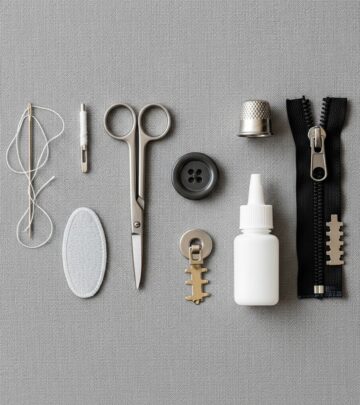
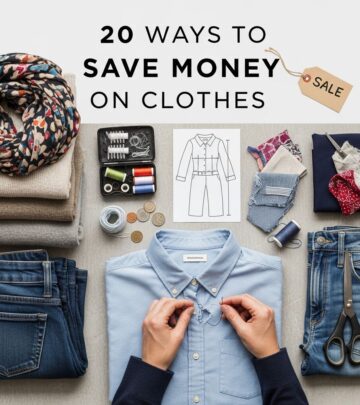
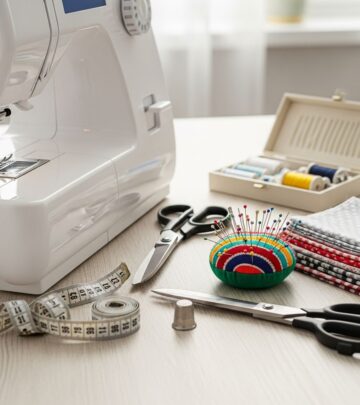
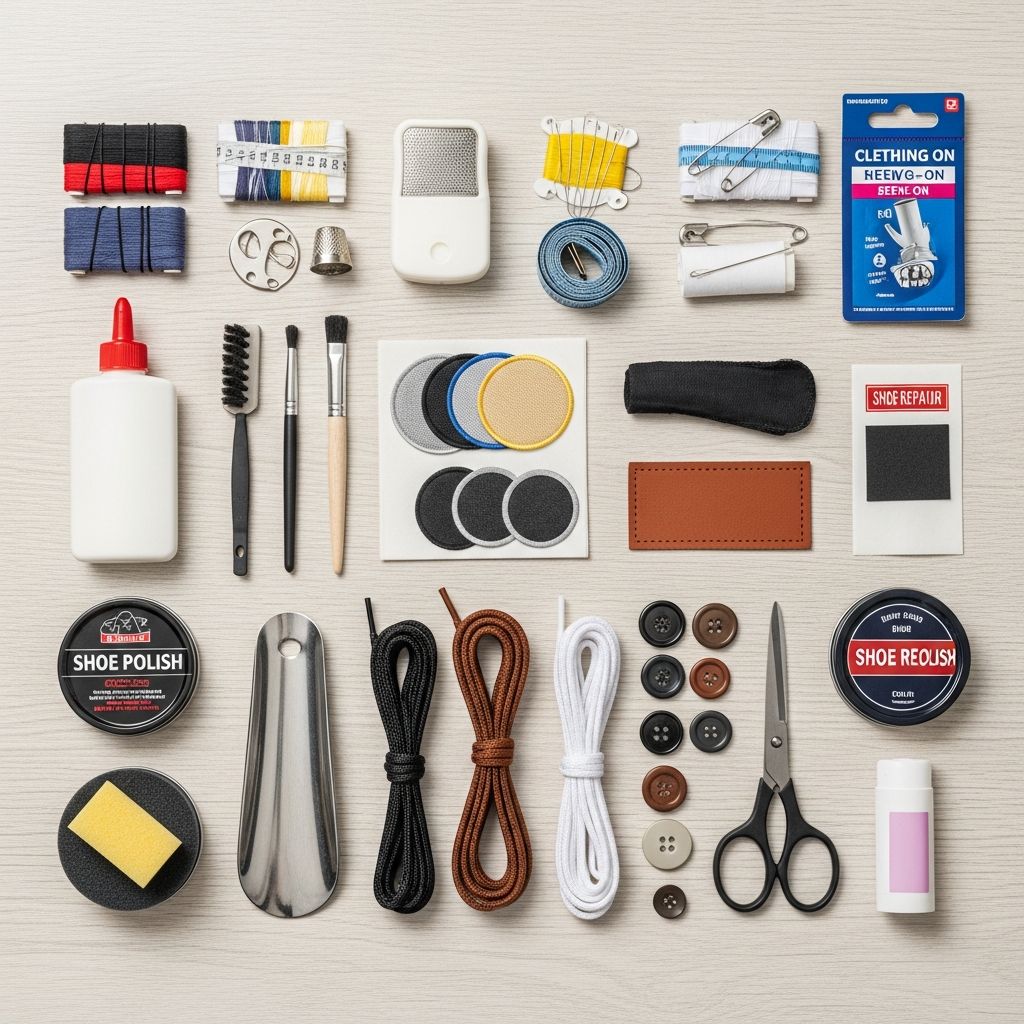
Every person should maintain a basic sewing kit for quick repairs. A well-stocked sewing kit is one of the most requested items from colleagues and friends facing clothing emergencies. Your essential kit should include a needle and thread in various colors, a tape measure, small scissors, and an assortment of buttons. These items address the majority of common clothing repairs. A tape measure is particularly useful for ensuring hems and alterations are the correct length. Having multiple button colors on hand means you can quickly replace a missing button without needing to search for a matching one. Keep your sewing kit easily accessible in a desk drawer, your car, or at home so you can reach for it whenever a quick repair is needed.
3. Broken Heel Caps
One of the most frustrating wardrobe emergencies is a broken heel cap on your dress shoes. These tend to break at the worst possible times—never at home where you can calmly address the issue, but always when you’re at work or on your way somewhere important. A broken heel cap leaves you limping and clicking around, requiring constant explanation to curious onlookers. The good news is that replacing a heel cap is inexpensive and requires minimal investment. Replacement heel caps are readily available online and in shoe repair shops. By keeping a few heel caps in your possession or knowing where to quickly purchase them, you can avoid the discomfort and embarrassment of walking on a damaged heel. Simply purchase heel caps in the size and style that matches your most-worn shoes, and keep them on hand for emergencies.
4. Sole Repair and Replacement
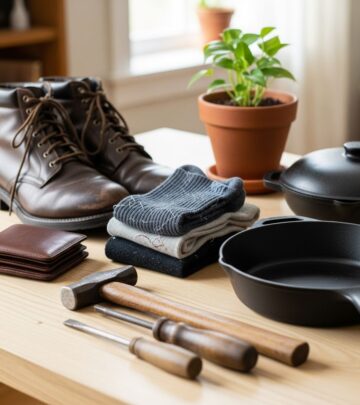
If your shoe soles are worn out, you may be able to save money by attempting the repair yourself rather than purchasing new shoes. Quality sole repair kits are available, and some even feature rubber made by reputable manufacturers like Goodyear. These repair solutions work on both dress shoes and boots, making them versatile additions to your repair toolkit. However, for more complex sole damage, consider taking your shoes to a professional repair shop. Professional re-soling can often be done for a fraction of the cost of purchasing new shoes, especially if you own expensive or well-made footwear. A professional cobbler has the expertise to properly assess sole damage and determine whether repair or replacement is the best option. Learning to evaluate whether a repair is worthwhile versus purchasing new shoes is an important skill for extending your wardrobe’s lifespan.
5. Leather Scuff and Scratch Repair
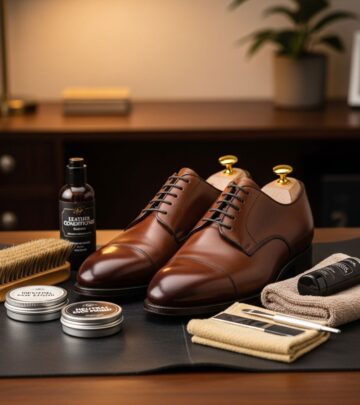
It’s disappointing to invest in quality leather shoes only to have them scuffed or scratched. Rather than accepting these imperfections or discarding otherwise good shoes, consider using a leather repair product. These products allow you to match the color of your leather items, and many even let you mix your own custom color for a perfect match. The versatility of leather repair products extends beyond shoes—they also work on leather furniture, car seats, coats, and handbags. By keeping a leather repair kit on hand, you can quickly address minor damage before it becomes more noticeable. For deeper scratches or damage, you may want to test the product on a hidden area first to ensure color matching is accurate.
6. Snags and Holes in Sweaters
Accidentally snagging a favorite sweater and putting a hole in it doesn’t mean the garment is ruined. Small holes can be fixed with just a simple sewing needle, while larger holes may require a crochet needle for proper repair. The repair technique varies depending on the size and location of the damage. For minor snags where the fabric is torn but not missing, you can carefully realign the fibers and secure them with small stitches. Larger holes may benefit from a patch applied to the interior of the sweater, which is invisible when wearing. Crochet needles are particularly effective for repairing knit fabrics because they can work with loops of yarn more easily than traditional sewing needles. By addressing sweater damage quickly, you can prevent small holes from expanding and causing more significant problems.
7. Stuck Zippers
A stuck zipper can render an otherwise perfect jacket, dress, or bag unwearable. Before attempting complex solutions, try the simplest fix first: locate a #2 pencil and gently rub the lead along the teeth of the zipper. The graphite from the pencil acts as a lubricant and may be all that’s needed to get the zipper working smoothly again. If the pencil method doesn’t solve the problem, you’ll need to explore more advanced techniques. Various online resources and videos provide detailed instructions for un-sticking stubborn zippers, including using soap, wax, or specialized zipper lubricants. The key is to approach the problem gently to avoid causing further damage to the zipper mechanism. Most zippers can be successfully repaired with patience and the right technique.
8. Eyeglass Repair Kits
Losing a screw in your glasses when you’re nowhere near an optometrist can be genuinely miserable, affecting your ability to see clearly and enjoy your day. An inexpensive eyeglass repair kit is an excellent investment for anyone who wears glasses or has family members who do. These kits are compact and portable, making them perfect for keeping at home, in your car, at the office, or even bringing on vacation. An eyeglass repair kit typically includes tiny screws in various sizes, a small screwdriver, and sometimes replacement nose pads or other common parts. The investment is minimal, and the peace of mind knowing you can quickly fix minor eyeglass problems is invaluable. Many people who regularly travel with their eyeglass repair kits report using them repeatedly and finding them essential for managing eyewear emergencies.
9. Stain Removal Wipes
Spills and stains happen unexpectedly, and having a quick solution on hand can prevent permanent damage to your clothing. Portable stain removal wipes are designed to fit easily in your purse, bag, or desk drawer, making them convenient to carry wherever you go. These wipes allow you to address stains immediately, before they set into the fabric. Common culprits like mustard, coffee, wine, and grease can all cause visible stains, but quick action with a stain removal wipe can significantly improve your chances of successfully removing the mark. While these wipes are not a permanent solution—you’ll still need to properly wash the garment later—they serve as an excellent temporary fix that prevents stains from becoming permanent. Keep several packs of stain removal wipes in different locations so you always have access to one when needed.
10. Packing Tape for Temporary Hem Fixes
A fallen or torn hem can be embarrassing and make you self-conscious about your appearance. If you’re in a pinch and need a quick fix, raid the office supply cabinet for packing tape. Packing tape can securely hold a hem in place until you have time to properly sew it. Simply fold the hem to the correct position and apply tape along the inside to hold it firmly. This temporary solution works particularly well for dress pants, skirts, and other items where the hem won’t be frequently flexed. However, resist the temptation to use a stapler, which will damage the fabric and potentially cause injury. Packing tape provides a secure, non-damaging temporary solution that can last for several days or even longer, depending on the garment and how frequently it’s worn.
11. Shoe Goo for Sole and Heel Damage
When your favorite sneakers start showing signs of age—such as the soles beginning to separate or flap—it doesn’t necessarily mean they’re ready for the trash. Shoe Goo is an inexpensive, waterproof adhesive solution that can extend the life of your shoes significantly. The product works by filling gaps between separating soles and the shoe body, and it hardens to create a durable bond. While the repair does require an overnight drying period, the results can make shoes feel almost as good as new. Shoe Goo also works effectively on broken high heels and other shoe damage. The product is particularly valuable for people who find a favorite pair of shoes they want to keep wearing despite wear and tear. Given its low cost and effectiveness, Shoe Goo should be a staple in every repair kit.
12. Safety Pins for Emergency Fixes
Safety pins are one of the most versatile and inexpensive repair tools you can own. They can temporarily secure a loose button, hold a torn seam together, keep a broken zipper from sliding down, or prevent a gap in a top from showing undergarments. Having an assortment of safety pins in different sizes provides solutions for numerous clothing emergencies. Safety pins are so useful and inexpensive that it’s worth keeping them in multiple locations: your desk, car, purse, and home. In a pinch, a safety pin can save you from a wardrobe malfunction and allow you to go about your day without distraction or embarrassment. While safety pins are temporary solutions and shouldn’t replace proper sewing repairs, they’re invaluable for emergency situations.
13. Button Replacement
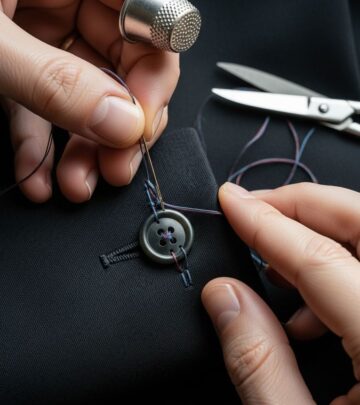
A missing or loose button is one of the easiest clothing repairs to complete, yet many people delay this simple fix. By keeping an assortment of buttons in your sewing kit, you can quickly replace a missing button without needing to find a matching button or visit a tailor. Learn the basic technique for sewing a button securely, and you’ll be able to handle this repair in just a few minutes. Having multiple button colors and styles on hand means you can often find a close match, or you can use a decorative button that complements your garment. Regular button maintenance—checking for loose buttons before they fall off—can prevent the loss of buttons in the first place.
14. Professional Shoe Re-soling
For expensive or beloved shoes, professional re-soling at a cobbler’s shop is often worth the investment. While DIY sole repair works for minor damage, professional re-soling can breathe new life into worn shoes at a fraction of the cost of replacement. A skilled cobbler has specialized equipment and expertise that ensures a quality repair. If you own high-quality shoes that you love but that have worn soles, consulting a professional repair service is often the best option. Many people are surprised to learn how affordable professional repairs can be compared to purchasing new shoes, especially when the shoes are of good quality otherwise.
15. Preventive Maintenance and Care
Beyond emergency repairs, preventive maintenance extends the life of your clothing and shoes. Simple practices like properly cleaning items, storing them correctly, and addressing small damage before it worsens can significantly extend the wearable life of garments. Regular maintenance, such as polishing leather shoes and protecting canvas items with fabric protector, helps keep pieces looking new longer. Understanding which items can be handwashed despite dry-clean labels can also save money and reduce wear from professional cleaning. By adopting a mindset of caring for your possessions and addressing problems early, you’ll find that your wardrobe lasts substantially longer than it otherwise would.
Frequently Asked Questions (FAQs)
Q: What’s the most essential item for a basic clothing repair kit?
A: A needle and thread in basic colors (black, white, and neutral tones) form the foundation of any repair kit. These items address the majority of common repairs from loose buttons to small tears.
Q: How can I stop a run in pantyhose from spreading?
A: Apply hairspray or clear nail polish directly to the run to seal the fibers and prevent further spreading. Allow adequate drying time before wearing the pantyhose.
Q: Is it worth repairing shoes or should I buy new ones?
A: For quality shoes, repair is often worthwhile. Professional re-soling typically costs a fraction of new shoe purchases, especially for expensive or well-made footwear. Evaluate based on the shoe’s quality and your emotional attachment to the pair.
Q: What should I do about a broken heel cap?
A: Purchase replacement heel caps that match your shoe size and style. These are inexpensive and easy to install, often solving the problem quickly and preventing uncomfortable limping.
Q: Can I fix a stuck zipper with household items?
A: Yes, start with a #2 pencil by gently rubbing the graphite along the zipper teeth to lubricate it. If that doesn’t work, try graphite powder, soap, or wax for additional lubrication.
Q: How long does Shoe Goo take to dry?
A: Shoe Goo requires at least overnight drying time (typically 24 hours) for a complete cure. During this time, don’t wear the shoes to ensure the adhesive bonds properly.
Q: What portable items should I carry for quick clothing repairs?
A: Essential portable items include safety pins, stain removal wipes, a small sewing kit, and spare pantyhose. These items address most common wardrobe emergencies when you’re away from home.
References
- 15 Quick Clothing and Shoe Repair Fixes You Should Own — Wise Bread. Accessed January 12, 2026. https://www.wisebread.com/15-quick-clothing-and-shoe-repair-fixes-you-should-own
- Things Wear Out — Wise Bread. Accessed January 12, 2026. https://www.wisebread.com/things-wear-out
Similar Articles








Read full bio of medha deb