Quick Cash Solutions: Finding Emergency Loans
Discover reliable borrowing options when unexpected expenses strike your finances.

Financial emergencies can strike without warning—a car breakdown, unexpected medical bill, or urgent home repair can derail your budget and create immediate stress. When these situations arise, having access to emergency loans provides a safety net to address pressing financial needs. Understanding the landscape of available borrowing options, evaluating different lender types, and knowing what to look for in loan terms can help you make informed decisions during challenging times.
Understanding Emergency Borrowing Fundamentals
An emergency loan represents any borrowing arrangement designed to provide rapid access to cash when unexpected expenses occur. These financial products serve a critical function in personal finance by bridging the gap between immediate needs and available resources. Unlike traditional loans that may take weeks to process, emergency lending solutions prioritize speed and accessibility, recognizing that people facing urgent situations cannot afford lengthy approval processes.
The emergency lending market has evolved significantly, offering diverse options tailored to different financial profiles and circumstances. Whether you have excellent credit or are rebuilding your credit history, viable borrowing solutions exist to help you navigate unexpected financial challenges. The key lies in understanding which options align with your specific situation, credit standing, and ability to repay borrowed funds.
Primary Categories of Emergency Borrowing Solutions
Several distinct types of emergency loans serve different purposes and appeal to borrowers with varying financial profiles. Each option carries unique characteristics regarding interest rates, approval timelines, credit requirements, and repayment flexibility.
Personal Loans for Immediate Needs
Personal loans stand out as one of the most versatile emergency borrowing options available today. These unsecured loans can be deployed for virtually any legitimate purpose—medical expenses, vehicle repairs, home improvements, or other unexpected costs. The flexibility in usage makes personal loans particularly attractive for emergency situations where you need cash without restrictions on how you deploy the funds.
The approval process for personal loans typically moves quickly, with many lenders offering same-day or next-day funding once your application receives approval. Interest rates on personal loans generally fall below credit card rates, making them a more economical choice for borrowers seeking to minimize interest expenses. Repayment terms frequently range from two to seven years, providing borrowers with manageable monthly payments aligned with their financial capacity.
Personal loans are available from multiple sources, including online lenders, traditional banks, credit unions, and peer-to-peer lending platforms. This diversity ensures that borrowers with different credit profiles can find accessible options, with some lenders accepting applicants with credit scores as low as 300.
Credit Card Cash Advances
Credit card cash advances offer an immediately accessible borrowing mechanism for cardholders facing sudden financial needs. If you maintain an active credit card account, you can typically access cash advances without a separate application process, making this option extremely convenient during emergencies.
However, cash advances come with notable disadvantages. Interest rates on cash advances typically exceed standard credit card purchase rates, frequently exceeding 20 percent or more. Additionally, most credit card issuers charge upfront fees for cash advances, and these advances do not benefit from grace periods that typically apply to regular credit card purchases. Interest accrues immediately, making cash advances an expensive emergency borrowing solution despite their convenience.
Payday Loans and Alternative Solutions
Payday loans represent a high-speed borrowing option designed for individuals who need immediate cash with minimal application requirements. These short-term loans operate on the premise that borrowers will repay the full amount when their next paycheck arrives. The approval process moves exceptionally quickly, often within hours, and credit checks may not be required.
The trade-off for speed and accessibility comes in the form of extremely high costs. Payday loans can carry effective annual interest rates reaching 400 percent or higher. Beyond the stated interest rate, additional fees compound borrowing costs, and if you cannot repay the full balance when due, rollover fees can accumulate rapidly, creating a debt spiral that becomes increasingly difficult to escape.
Title Loans and Secured Borrowing
Title loans leverage vehicle ownership to secure borrowed funds, allowing borrowers to access cash by temporarily surrendering their vehicle title. While this option can provide faster access to larger loan amounts, it carries significant risk—defaulting on a title loan means losing your vehicle entirely, potentially creating additional financial hardship.
Evaluating Lender Options and Loan Characteristics
The emergency lending market includes diverse lenders, each offering distinct advantages and serving specific borrower populations. Understanding what different lenders bring to the table helps you identify the most suitable option for your circumstances.
Online Personal Loan Specialists
Online lenders have revolutionized emergency borrowing by eliminating geographical barriers and streamlining application processes. These platforms typically offer:
- Rapid approval timelines, frequently delivering funding within 24 hours
- Competitive interest rates that often undercut traditional banking institutions
- Flexible credit score requirements, with many lenders accepting applicants with fair or limited credit history
- Transparent fee structures with minimal hidden charges
- Flexible repayment terms extending from short durations to seven years
Popular online lenders in the emergency lending space have received strong ratings from consumer finance platforms, with borrowers praising their accessibility and efficiency.
Traditional Financial Institutions
Banks and credit unions remain viable sources for emergency borrowing, particularly if you maintain existing relationships with these institutions. Speaking directly with your bank or credit union about emergency borrowing options can yield advantages including:
Direct deposit into your existing account, potentially accelerating fund availability compared to transfer-based systems. Established customers may qualify for preferential interest rates reflecting their history and account standing. Personalized service from loan officers who understand your financial profile. However, traditional institutions often move more slowly than online lenders and may have stricter credit requirements, making them better suited for less urgent situations.
Critical Factors in Emergency Loan Selection
When evaluating emergency lending options, several fundamental considerations should guide your decision-making process.
Interest Rate Comparison and Cost Analysis
Interest rates vary substantially across lending options, directly impacting the total amount you’ll repay. Comparing annual percentage rates (APRs) across different lenders provides crucial insight into borrowing costs. Personal loans typically carry rates starting around 6.7 percent and extending to 35.99 percent depending on creditworthiness and lender. Payday loans, by contrast, can exceed 400 percent annually. Even small differences in interest rates compound significantly over longer loan terms, making careful comparison essential.
Loan Amount Accessibility
Your borrowing needs may influence which loan type serves you best. Personal loans typically provide amounts ranging from $1,000 to $50,000 or higher, making them suitable for substantial emergency expenses. Credit card cash advances are limited to your available credit line but may be insufficient for major emergencies. Payday loans typically offer smaller amounts, generally under $1,500. If you require more than $1,000, personal loans often represent the most viable option.
Repayment Term Flexibility
Repayment terms significantly affect your monthly budget impact. Payday loans demand repayment within weeks, while personal loans may extend repayment across years, substantially reducing monthly payment obligations. Before committing to any loan, verify you can comfortably manage payments throughout the entire term.
Credit Score Requirements
Different lenders maintain varying minimum credit score requirements. Online lenders increasingly serve borrowers with limited credit history or fair credit scores, with some accepting applications from individuals with scores as low as 300. If your credit score has been damaged, exploring lenders specializing in fair-credit borrowing can expand your options.
Beyond Traditional Loans: Alternative Emergency Funding Approaches
Before committing to borrowed funds, consider alternative emergency funding sources that might better serve your situation.
Tapping Existing Emergency Reserves
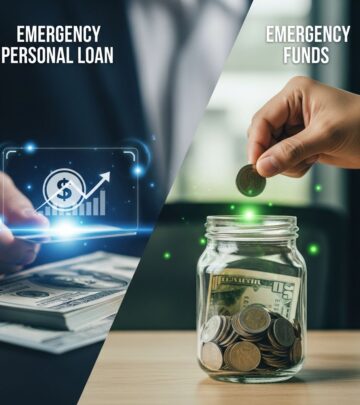
If you have previously established an emergency savings fund, deploying these resources during genuine emergencies allows you to address urgent needs without incurring interest expenses or borrowing costs. Using saved emergency funds preserves this financial cushion for future needs but avoids the ongoing costs associated with loan repayment.
Negotiating with Service Providers
Many service providers, creditors, and medical facilities understand that individuals occasionally face temporary financial hardship. Before accepting a loan, contact relevant parties to discuss temporary payment arrangements, extended timelines, or hardship programs that might address your immediate need without requiring new debt.
Developing Your Emergency Lending Strategy
Selecting the right emergency loan requires thoughtful evaluation of your specific circumstances. Consider these strategic steps:
Assess Your Actual Need
Determine precisely how much money you require. Overborrowing extends repayment obligations and increases total interest costs, while underborrowing leaves you facing continued financial strain.
Evaluate Your Repayment Capacity
Honestly assess your ability to make loan payments on schedule. Factor in existing financial obligations and ensure borrowed funds will not create unmanageable payment burdens that lead to default.
Compare Multiple Lenders
Don’t accept the first loan offer. Comparing rates, terms, and fees across multiple lenders frequently reveals significantly better options. Many lenders allow preliminary rate quotes without hard credit inquiries, enabling comparison shopping without credit score impact.
Read Terms Thoroughly
Before signing loan documents, understand all terms including interest rates, fees, repayment schedules, and any penalties for early payoff or late payments. Hidden fees can substantially increase borrowing costs.
Frequently Asked Questions About Emergency Loans
How quickly can I receive emergency loan funds?
Many online personal loan lenders provide same-day or next-day funding once approval is obtained. Payday loans often fund within hours. Traditional bank loans typically take longer, sometimes requiring several business days.
Can I get an emergency loan with bad credit?
Yes. Several lenders specialize in serving borrowers with fair or limited credit history. While interest rates may be higher than those for excellent-credit borrowers, emergency loans remain accessible across the credit spectrum.
What’s the difference between personal loans and payday loans?
Personal loans typically offer larger amounts, lower interest rates, and longer repayment terms. Payday loans provide faster approval but carry much higher costs and require repayment within weeks. Personal loans are generally the more economical choice.
Should I consider a home equity loan for emergency funding?
Home equity loans typically carry lower interest rates but require extended processing time, making them unsuitable for true emergencies. Additionally, defaulting on a home equity loan risks losing your home, making them a last-resort option only for non-urgent borrowing needs.
Are there fees associated with emergency loans?
Yes. Many loans include origination fees, typically ranging from 1 to 10 percent of the loan amount, though many online lenders advertise no fees. Always review fee structures before accepting any loan offer.
References
- Best Emergency Loans of March 2026 — Credible. 2026. https://www.credible.com/personal-loan/best-emergency-loans
- Best Emergency Loan Rates In February 2026 — Bankrate. 2026. https://www.bankrate.com/loans/personal-loans/emergency-loans/
- Emergency Loans and Alternatives: 5 Options to Consider — Discover. 2026. https://www.discover.com/personal-loans/resources/learn-about-personal-loans/what-to-do-in-a-financial-emergency/
- Emergency Loans: Where to Get the Best Ones — Experian. 2026. https://www.experian.com/blogs/ask-experian/emergency-loans-where-to-get-the-best-ones/
Similar Articles








Read full bio of Sneha Tete