Quantity Demanded: Economics Definition and Examples
Understanding quantity demanded and its role in supply and demand dynamics.
Quantity Demanded: Definition and Economic Importance
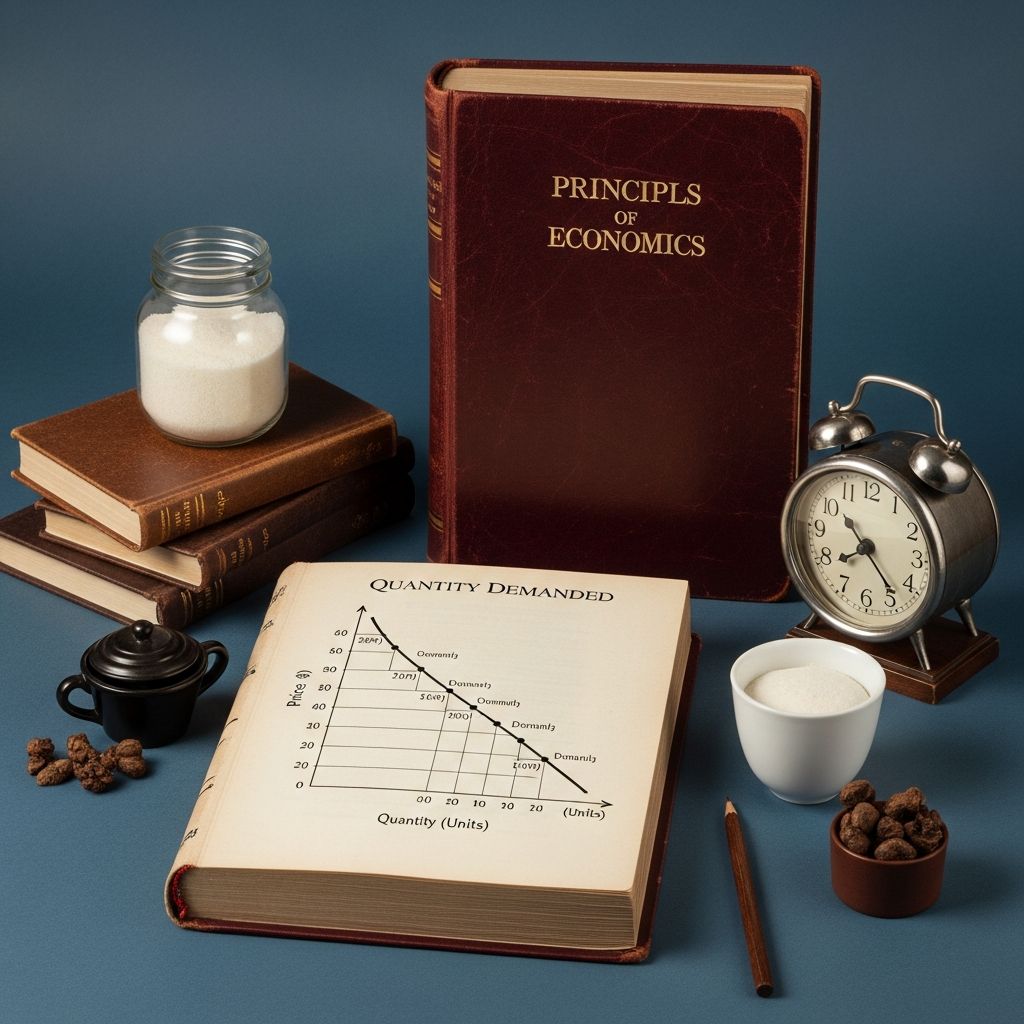
Quantity demanded is a fundamental concept in microeconomics that refers to the total amount of a good or service that consumers are willing and able to purchase at a specific price level during a given period. This concept is crucial for understanding how markets function, how prices are determined, and how consumer behavior responds to price changes. Unlike demand, which represents the entire relationship between price and quantity, quantity demanded refers to a specific point on the demand curve corresponding to a particular price.
Understanding quantity demanded is essential for businesses, policymakers, and economists because it helps predict market behavior, forecast revenue, and make informed decisions about production levels and pricing strategies. When analyzing markets, economists carefully distinguish between changes in quantity demanded and changes in overall demand, as these have different implications for market dynamics.
Key Differences: Quantity Demanded vs. Demand
Many people use the terms “quantity demanded” and “demand” interchangeably, but in economics, they have distinct meanings that are important to understand.
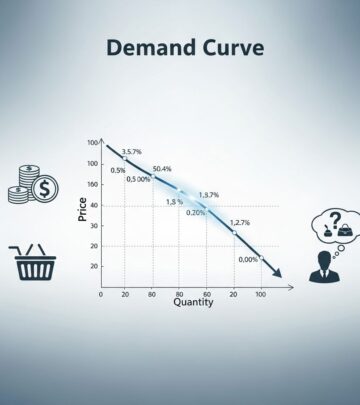
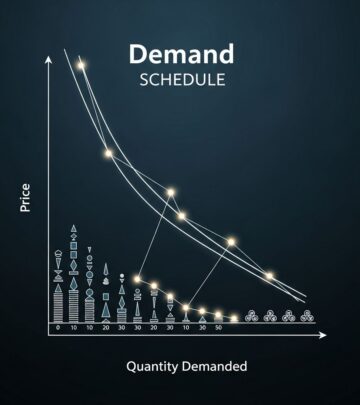
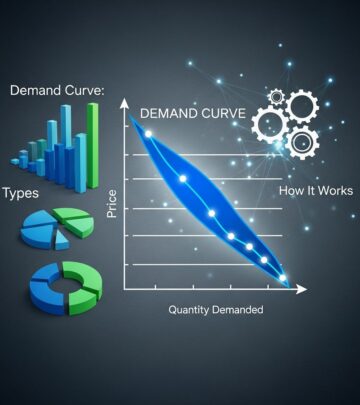
Demand refers to the entire relationship between price and the quantity of a good that consumers want to purchase. It represents the complete picture of consumer willingness across all price levels, typically illustrated as a downward-sloping curve on a graph. Demand encompasses all possible combinations of prices and quantities.
Quantity demanded, by contrast, is a specific measurement at a particular price point. It represents just one point on the demand curve. When we say “quantity demanded increased,” we typically mean consumers want to buy more at the same price, which indicates a shift in demand rather than a movement along the demand curve.
This distinction becomes critical when analyzing market changes. A movement along the demand curve (change in quantity demanded) results from a price change, while a shift in the entire demand curve (change in demand) results from other factors such as changes in consumer preferences, income, or market conditions.
The Law of Demand and Quantity Demanded
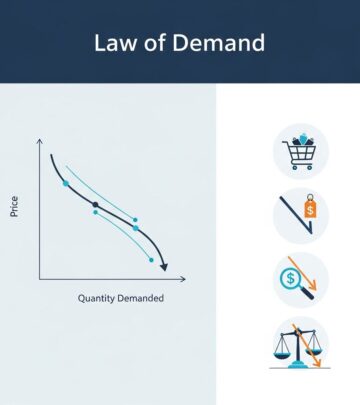
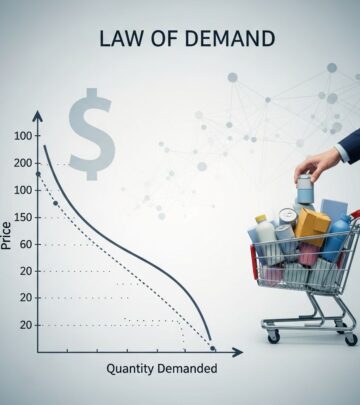
The law of demand is a fundamental principle in economics stating that, all else being equal, as the price of a good increases, the quantity demanded decreases, and vice versa. This inverse relationship between price and quantity demanded is one of the most reliable patterns observed in markets across different time periods and geographic locations.
This inverse relationship occurs for several reasons. First, when prices increase, consumers experience a substitution effect, meaning they switch to alternative products that serve similar purposes but cost less. Second, higher prices reduce consumer purchasing power, meaning their income can buy less, leading to a income effect where they purchase fewer goods overall. Third, some consumers may exit the market entirely if prices become too high relative to their budgets.
Understanding the law of demand helps businesses anticipate how consumers will respond to price changes and helps policymakers understand the potential consequences of price controls or taxes on consumer behavior and market equilibrium.
Factors That Influence Quantity Demanded
While price is the primary determinant of quantity demanded shown on a standard demand curve, numerous other factors can shift the entire demand curve, thereby changing quantity demanded at every price level.
Consumer Income
Changes in consumer income significantly affect quantity demanded. When income increases, consumers typically have more purchasing power and demand more goods, especially normal goods. Conversely, when income decreases, quantity demanded for normal goods typically falls. However, for inferior goods (products people buy less of as income rises, like budget fast food), the relationship is reversed. Economic recessions, employment changes, and wage adjustments all influence consumer income and therefore quantity demanded across the economy.
Consumer Preferences and Tastes
Shifts in consumer preferences can dramatically change quantity demanded for specific products. Cultural trends, fashion cycles, health consciousness, and lifestyle changes all influence what consumers want to buy. For example, the growing preference for plant-based foods has increased quantity demanded for vegetarian and vegan products. Marketing campaigns, celebrity endorsements, and social media trends can rapidly shift consumer preferences and affect quantity demanded.
Prices of Related Goods
The prices of substitute goods and complementary goods affect quantity demanded. Substitute goods are products that serve similar purposes, like butter and margarine. When the price of a substitute increases, quantity demanded for the original product typically increases as consumers switch to the cheaper alternative. Complementary goods are products typically purchased together, like hot dogs and hot dog buns. When the price of a complement increases, quantity demanded for the original product often decreases.
Expectations About the Future
Consumer expectations about future prices, income, and economic conditions influence current quantity demanded. If consumers expect prices to increase in the future, they may increase current quantity demanded to avoid higher future prices. Conversely, if they expect a recession and potential job loss, they might reduce current quantity demanded. Similarly, expectations about future income changes affect current purchasing decisions.
Number of Consumers in the Market
The size of the consumer population directly affects total quantity demanded in a market. Population growth increases quantity demanded for most goods, while population decline decreases it. Market expansion into new geographic areas increases the potential consumer base and total quantity demanded. Migration patterns and demographic changes influence the number of consumers in specific markets.
Seasonal Factors and Timing
Many products experience seasonal variations in quantity demanded. Winter clothing sees increased demand in cold months, while beach supplies see higher demand in summer. Holiday seasons typically increase quantity demanded for gifts and festive products. Understanding these patterns helps businesses manage inventory and production schedules effectively.
Price Elasticity of Demand
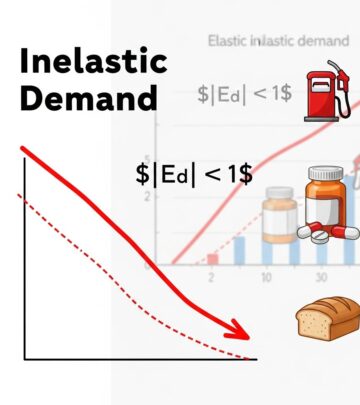
Price elasticity of demand measures how sensitive quantity demanded is to price changes. It quantifies the percentage change in quantity demanded resulting from a one percent change in price. This metric helps businesses and economists understand whether demand is elastic (responsive to price changes) or inelastic (relatively unresponsive).
Products with elastic demand, like luxury goods or items with many substitutes, show large changes in quantity demanded when prices change slightly. Products with inelastic demand, like essential medicines or basic necessities, show relatively small changes in quantity demanded even when prices change significantly. Understanding elasticity helps businesses determine optimal pricing strategies and predict revenue impacts of price changes.
Movement Along the Demand Curve vs. Shifts in Demand
It is essential to distinguish between these two types of changes in quantity demanded:
Movement along the demand curve occurs when quantity demanded changes solely due to price changes. The demand curve itself remains stationary. For example, if a product’s price decreases and consumers respond by buying more, we observe a movement down along the demand curve.
Shifts in the demand curve occur when quantity demanded changes at every price level due to factors other than price, such as income changes, preference shifts, or changes in related prices. These shifts move the entire curve right (increase in demand) or left (decrease in demand).
This distinction is crucial for economic analysis because it helps identify what caused market changes and predict future market behavior more accurately.
Real-World Examples of Quantity Demanded
Technology Products
When Apple releases a new iPhone at a high initial price, quantity demanded may be limited to early adopters and high-income consumers. As the price gradually decreases over time, quantity demanded increases as more price-sensitive consumers enter the market. When newer models are released, demand for older models may shift, changing quantity demanded at every price point.
Fuel Markets
Gasoline demonstrates how quantity demanded responds to price changes. During periods of high fuel prices, consumers reduce driving, carpool more, or switch to fuel-efficient vehicles, decreasing quantity demanded. Conversely, when prices drop significantly, consumers increase driving, and quantity demanded rises. External factors like hybrid vehicle availability and public transportation improvements shift the entire demand curve for gasoline.
Food and Beverages
Restaurant demand fluctuates based on prices and numerous other factors. A fine dining establishment raises prices, reducing quantity demanded from budget-conscious consumers but potentially maintaining demand from high-income customers. Fast-casual restaurants with moderate prices maintain higher quantity demanded across broader income groups. Seasonal preferences, health trends, and new cuisine popularity all shift quantity demanded in the food industry.
Measuring and Analyzing Quantity Demanded
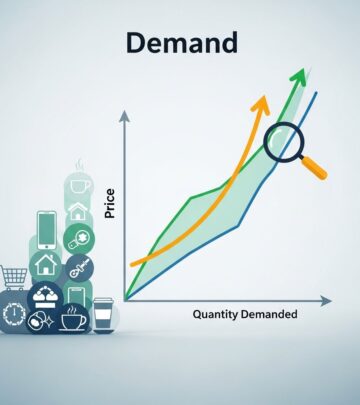
Economists and market researchers use various methods to measure and analyze quantity demanded. Point-of-sale data from retailers provides direct information about actual quantities purchased at specific prices. Consumer surveys ask potential customers about hypothetical purchase quantities at different prices. Statistical regression analysis examines historical data to estimate the relationship between prices and quantities demanded. Market experiments test consumer responses to price changes in controlled settings.
These measurements help create demand curves that graphically represent the relationship between price and quantity demanded. By analyzing these curves, businesses can identify optimal pricing strategies, forecast revenue under different scenarios, and understand competitive dynamics in their markets.
Quantity Demanded in Different Market Structures
How quantity demanded functions varies across different market structures. In perfect competition with many sellers, individual firms are price takers with horizontal demand curves, meaning they must sell at the market price or lose all quantity demanded. In monopolistic competition, firms have some pricing power, and their demand curves slope downward. In monopolies, the firm faces the entire market demand curve and can significantly influence quantity demanded through pricing decisions.
Understanding quantity demanded within different market structures helps firms develop appropriate strategies. Competitive firms focus on cost management, while monopolies must carefully balance price and quantity demanded to maximize profit.
Frequently Asked Questions
Q: How does quantity demanded differ from supply?
A: Quantity demanded represents how much consumers want to buy at a specific price, while quantity supplied represents how much producers are willing to sell at that price. Market equilibrium occurs where quantity demanded equals quantity supplied.
Q: What happens when quantity demanded exceeds quantity supplied?
A: When quantity demanded exceeds quantity supplied, a shortage occurs. This typically puts upward pressure on prices, encouraging producers to increase quantity supplied and consumers to reduce quantity demanded until equilibrium is reached.
Q: Can quantity demanded be negative?
A: No, quantity demanded cannot be negative. Quantity demanded represents actual or potential purchases, which cannot be negative values. However, quantity demanded can be zero if prices are prohibitively high.
Q: How do taxes affect quantity demanded?
A: Taxes increase the effective price consumers pay, typically reducing quantity demanded. The extent of reduction depends on price elasticity of demand for the taxed product.
Q: Why is understanding quantity demanded important for businesses?
A: Understanding quantity demanded helps businesses optimize pricing strategies, forecast revenue, plan production levels, manage inventory, and respond effectively to market changes and competition.
References
- Quantity Demanded — Under30CEO. 2024. https://www.under30ceo.com/terms/quantity-demanded/
- Principles of Microeconomics — OpenStax. 2024. https://openstax.org/details/books/principles-microeconomics-3e
- Consumer Behavior and Price Elasticity — Federal Reserve Economic Data (FRED). 2025. https://fred.stlouisfed.org/
- Market Demand and Supply Analysis — U.S. Bureau of Labor Statistics. 2025. https://www.bls.gov/
- Introduction to Economics — Khan Academy. 2024. https://www.khanacademy.org/economics-finance-domain/microeconomics
Similar Articles








Read full bio of medha deb