Put Idle Cash To Work In 2026: 5-Step Action Plan
Unlock the potential of your sitting cash with proven strategies for growth, income, and security in today's evolving markets.
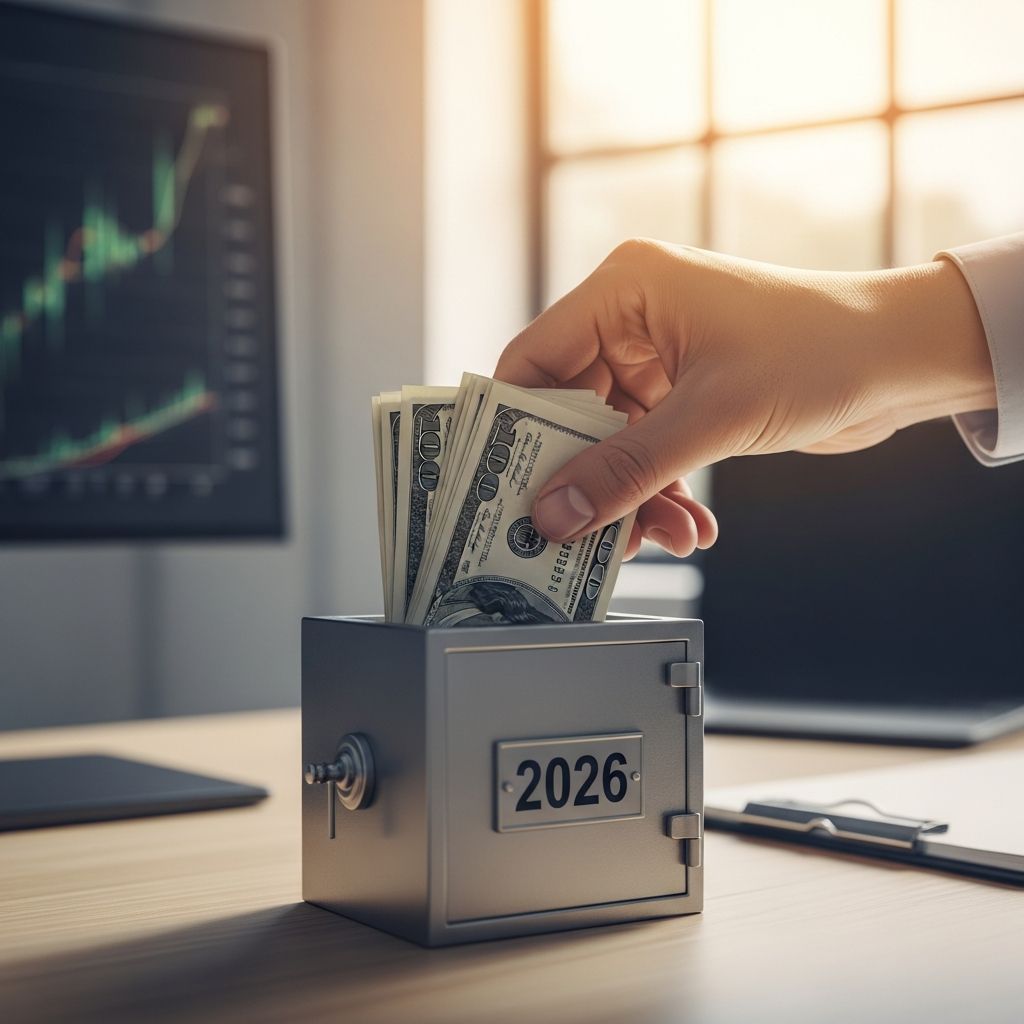
In an era of fluctuating interest rates and economic uncertainty, letting cash sit idle in a traditional savings account means missing out on growth opportunities. With projections of further rate adjustments in 2026, savvy individuals are shifting funds into vehicles that offer better yields, liquidity, and long-term appreciation. This guide explores practical steps to activate your cash reserves, balancing safety with potential returns.
Assess Your Cash Position First
Before deploying funds, evaluate your financial foundation. Determine how much cash represents an emergency buffer—typically 3-6 months of living expenses—and keep it highly liquid. Excess beyond this can be allocated strategically based on time horizons: short-term (under 12 months), medium-term (1-3 years), or long-term (3+ years).
- Emergency Fund: Prioritize accessibility and capital preservation in high-yield accounts.
- Short-Term Goals: Opt for low-volatility options like money market funds.
- Long-Term Wealth Building: Embrace equities and diversified portfolios for compounded growth.
This tiered approach ensures you protect essentials while positioning the rest for optimal performance amid expected rate compressions.
Low-Risk Options for Immediate Yield
For conservative savers, high-yield savings accounts and money market funds provide superior returns over standard banks without sacrificing safety. These vehicles invest in short-term, high-quality debt, delivering modest interest while maintaining liquidity—often with same-day withdrawals.
| Option | Typical Yield (2026 Est.) | Liquidity | Risk Level |
|---|---|---|---|
| High-Yield Savings | 3-4.5% APY | Immediate | Very Low |
| Money Market Funds | 3-5% | 1-Day | Low |
| Short-Term CDs | 4-5% | Penalty for Early Withdrawal | Low |
As Federal Reserve cuts continue, yields may dip, but they still outpace inflation and traditional savings. Quality bonds, especially short-duration government securities, offer similar stability with potential for price appreciation if rates fall further.
Diversify into Passive Income Generators
Passive income streams turn idle cash into recurring payouts with minimal ongoing effort. Dividend-paying stocks from established companies provide quarterly income alongside capital growth. Select firms with consistent payout histories in stable sectors like utilities or consumer goods.
Exchange-Traded Funds (ETFs) simplify diversification by tracking indices or sectors. Bond ETFs yield steady interest, while equity income ETFs blend growth and dividends. Their low fees—often under 0.2% annually—enhance net returns compared to active funds.
- Dividend ETFs: Focus on high-yield indices for 3-5% annual payouts.
- Sector ETFs: Target growth areas like technology or renewables for balanced exposure.
- Bond ETFs: Government and investment-grade options for income with downside protection.
Equity Strategies for Long-Term Growth
Historical data shows equities outperform cash over 10-20 year periods by wide margins—often exceeding 200 times in cumulative returns since the 1920s. For 2026, phase into large-cap and mid-cap stocks via index funds to capture broad market upside while mitigating single-stock risk.
Equity income strategies in regions like Switzerland or Southeast Asia emphasize dividends from quality firms, enhancing portfolio yields without excessive volatility. Systematic investing—dollar-cost averaging monthly contributions—reduces timing risks and builds positions during dips.
Alternative Avenues: Real Assets and Lending
Beyond traditional markets, consider gold ETFs for inflation hedging and portfolio ballast. These track physical gold prices without storage hassles, offering stability during equity downturns.
Peer-to-peer lending or loan investment platforms allow cash deployment into diversified borrower loans, generating 5-8% returns. Online real estate platforms enable fractional ownership in properties, yielding rental income passively. For tech-savvy users, crypto staking provides yields on stablecoins, though with higher volatility.
Phased Deployment: A Smart Entry Strategy
Rather than lump-sum investing, phase cash into markets over 6-12 months. This averages purchase costs and buys more shares during corrections. UBS recommends building diversified portfolios gradually, incorporating quality bonds and equity income for resilience.
Rebalancing annually—adjusting allocations back to targets—maintains discipline. Research from BlackRock highlights that systematic rebalancing outperforms cash hoarding across cycles.
Risks and Mitigation Tactics
No strategy is risk-free. Interest rate shifts impact bond values, market volatility affects equities, and inflation erodes cash purchasing power. Mitigate by:
- Diversifying across asset classes (60/40 stock/bond split for moderates).
- Maintaining 10-20% in cash equivalents for opportunities.
- Using stop-loss orders or trailing protections on riskier holdings.
Match investments to your risk tolerance: conservatives favor fixed income (70%+), while aggressives tilt equities (70%+).
Tax-Efficient Structures
Maximize after-tax returns with tax-advantaged accounts like IRAs or 401(k)s for long-term holdings. Municipal bonds offer tax-free income for high earners. Harvest losses annually to offset gains, improving net performance.
Technology’s Role in Cash Optimization
Fintech apps automate transfers to high-yield accounts, robo-advisors build customized portfolios, and AI tools forecast optimal entry points. These reduce friction from idle balances, aligning with 2026 wealth trends.
Common Pitfalls to Avoid
- Chasing Yields Blindly: High returns often signal high risk—vet underlying assets.
- Market Timing: Data favors time in market over timing the market.
- Neglecting Fees: Choose low-cost index products over high-fee actives.
- Inflation Ignorance: Ensure real returns (yield minus inflation) remain positive.
Building Your 2026 Action Plan
1. Inventory cash and categorize by horizon.
2. Allocate emergency funds to high-yield savings.
3. Invest medium-term in bonds/money markets.
4. Deploy long-term into diversified ETFs/stocks.
5. Monitor quarterly and rebalance yearly.
This framework, backed by institutional insights, positions you for sustained wealth accumulation.
Frequently Asked Questions
What is the best place for idle cash in 2026?
High-yield savings or money market funds for short-term; diversified ETFs for longer horizons, depending on risk tolerance.
Will interest rates drop further in 2026?
Projections indicate continued cuts, compressing savings yields—prompting shifts to investments.
How much should I keep in cash?
3-6 months expenses liquid; invest the rest based on goals.
Are ETFs safe for beginners?
Yes, broad-market ETFs offer diversification and low costs, ideal starters.
Can I generate passive income quickly?
Dividend stocks and bond funds start payouts soon, compounding over time.
References
- What to Do With Cash in 2026: Save, Invest, or Wait? — Surmount.ai. 2026. https://surmount.ai/blogs/what-to-do-with-cash-2026-save-invest-or-wait
- 15 passive income ideas to build your wealth in 2026 — Mintos. 2026. https://www.mintos.com/blog/passive-income-ideas/
- Liquidity What should investors do with cash in 2026? — UBS Wealth Management. 2026. https://www.ubs.com/global/en/wealthmanagement/insights/marketnews/article.3008623.html
- Smart Ways to Use Idle Money | Grow Wealth in 2026 — 5paisa. 2026. https://www.5paisa.com/blog/ways-to-put-your-money-to-work
- 10 Wealth Management Trends Shaping 2026 — Oliver Wyman. 2025-12. https://www.oliverwyman.com/our-expertise/insights/2025/dec/wealth-management-trends-2026.html
Similar Articles








Read full bio of medha deb