Purdue University Main Campus: Rankings, Academics & Campus Life
Explore Purdue's distinguished main campus: rankings, programs, costs, and student life.
Purdue University Main Campus Profile
Purdue University stands as one of the nation’s premier public research institutions, consistently recognized for academic excellence and innovation. Located in West Lafayette, Indiana, Purdue’s main campus represents a beacon of higher education with a rich history spanning over 150 years. Founded in 1869 by Lafayette businessman John Purdue, who donated both land and capital to establish a college focused on science, technology, and agriculture, the university has evolved into a world-class research institution. The flagship West Lafayette campus serves as the heart of the Purdue University system, drawing thousands of students annually who seek transformative educational experiences and groundbreaking research opportunities.
Campus Overview and Location
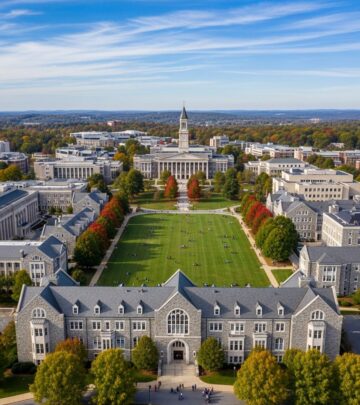
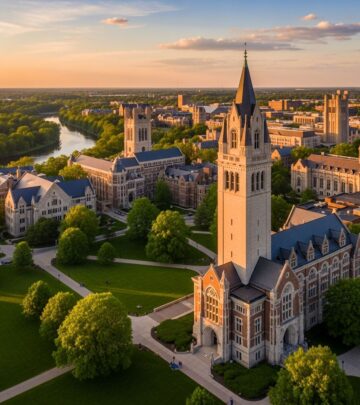
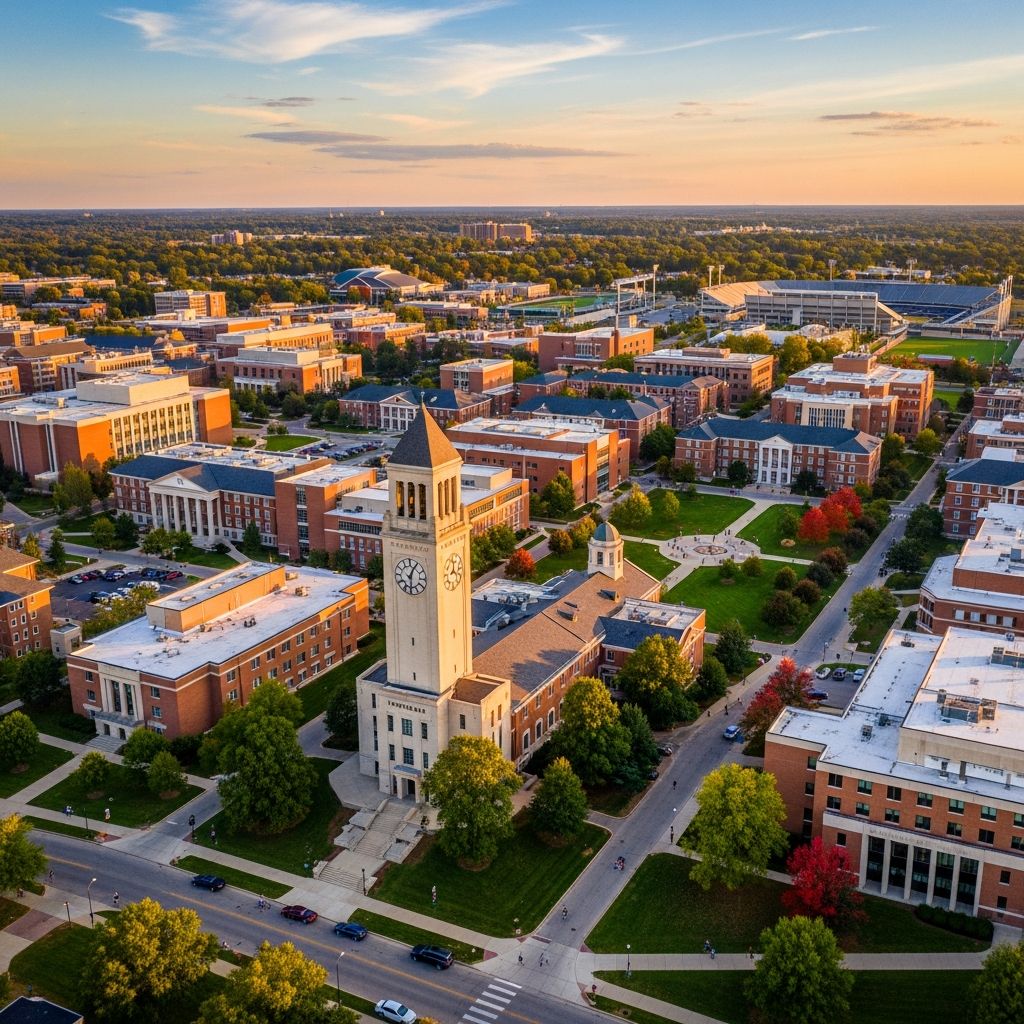
Situated in the picturesque town of West Lafayette, Indiana, Purdue University’s main campus occupies nearly 2,500 acres near the western bank of the Wabash River. The campus benefits from its strategic location in a region known for technological innovation and business development. West Lafayette itself is a small city with a population of approximately 45,872 residents, providing students with a collegial atmosphere while maintaining proximity to larger metropolitan areas. The campus geography is thoughtfully organized, with Mitch Daniels Boulevard (formerly State Street) dividing the northern and southern portions of the campus into distinct functional zones.
The physical layout reflects careful urban planning designed for student success. Academic buildings concentrate on the eastern and southern sections of campus, while residence halls and intramural fields occupy the western portions. Athletic facilities and recreational venues cluster in the northern areas, creating natural gathering spaces for the community. An extensive system of underground tunnels protects pedestrians from harsh weather conditions—snow, ice, wind, rain, and UV exposure—facilitating seamless movement between buildings throughout the year.
Academic Structure and Colleges
Purdue University’s main campus comprises 13 distinct colleges and schools, offering comprehensive academic opportunities across numerous disciplines. This diverse collegiate structure enables students to pursue specialized education in fields ranging from engineering and agriculture to business, health sciences, and liberal arts. The university’s commitment to academic rigor and research excellence is evident in the breadth and depth of programs available to undergraduate and graduate students alike.
The campus hosts over 400 research laboratories, positioning Purdue as a significant contributor to scientific advancement and technological innovation. Students engage in meaningful research opportunities across multiple domains including agriculture, business, education, engineering, environmental science, and healthcare. This emphasis on research creates an intellectually vibrant campus environment where discovery and learning extend far beyond traditional classroom settings.
Student Population and Campus Life
The main campus enrolls approximately 16,423 students, creating a dynamic and diverse community of learners and researchers. With an international student population of over 9,000, Purdue cultivates a truly global academic environment where cultural exchange and international perspectives enrich the educational experience. The student-to-faculty ratio of 14:1 ensures meaningful interactions between students and instructors, facilitating personalized attention and mentorship.
Housing and Residential Life: One-third of undergraduate students reside in university-owned residential facilities, with Purdue providing over 10,000 residential spaces. The western campus houses modern dormitories and living-learning communities designed to foster peer collaboration and academic growth. The Cary Quadrangle stands out as one of the nation’s largest all-male housing units, accommodating hundreds of students in a close-knit residential setting.
Religious and Cultural Organizations: Purdue maintains active religious and cultural organizations serving Catholic, Islamic, Jewish, and other faith communities. These organizations provide spiritual guidance, cultural events, and community support, helping students navigate their academic journey while maintaining their personal values and traditions.
Campus Landmarks and Architecture
Purdue’s campus features distinctive architectural landmarks that define the university’s identity and serve as gathering spaces for the community.
The Purdue Mall and Engineering Fountain: At the heart of campus lies the Purdue Mall, the central quad designed to connect the academic campus with Ross-Ade Stadium. The Engineering Mall, as it is commonly known due to its proximity to engineering buildings, features the iconic 38-foot Engineering Fountain as its most prominent feature. This concrete monument has become symbolic of Purdue’s engineering heritage and attracts students and visitors throughout the year.
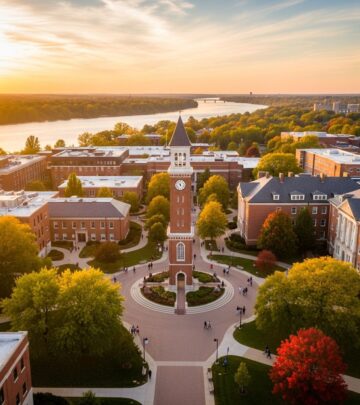
The Bell Tower: Standing majestically between Stadium and Centennial Malls, the Purdue Bell Tower serves as an iconic symbol of the university, appearing on numerous Purdue logos and the official seals of Lafayette and West Lafayette. The bell tower’s presence reinforces Purdue’s deep roots in the community and its lasting legacy.
Elliott Hall of Music: Located southwest of the Stadium Mall, the Edward C. Elliott Hall of Music ranks among the world’s largest proscenium theaters. This architectural marvel serves as headquarters for Purdue’s broadcasting operations and was historically the base for Purdue Bands and Orchestras until the completion of the Marc and Sharon Hagle Hall in 2022. The venue regularly hosts world-class performances and cultural events.
University Hall: The only remaining structure from the original six-building campus, University Hall began construction in 1871 and was dedicated in 1877. Originally known as “The Main Building,” it housed the president’s office, chapel, and classrooms. At John Purdue’s request, he was interred in the adjacent Memorial Mall, directly across from University Hall’s main entrance, creating a permanent connection between the founder and the institution.
Memorial Mall and Historic Significance
The Purdue Memorial Mall, located south of the main Purdue Mall, represents the original campus section and serves as a popular gathering spot for students. This historic area is surrounded by buildings dedicated to academic and cultural pursuits. Felix Haas Hall, constructed in 1909 as Memorial Gymnasium, honors the 17 Purdue community members who perished in the tragic Purdue Wreck railroad accident of 1903. Following renovation in 1985, the structure now houses the computer science and statistics departments, carrying forward Purdue’s commitment to technological innovation.
The Purdue Memorial Union, adjacent to the Memorial Mall, functions as the student union building and community hub. The adjacent Union Club Hotel provides accommodation for visitors and special events, reinforcing the campus’s role as a complete residential and educational community.
South Campus Facilities
The area south of Mitch Daniels Boulevard encompasses Purdue’s agricultural, fine arts, life sciences, and veterinary buildings, representing the university’s commitment to diverse academic disciplines. The Krannert School of Management operates in this region, preparing business leaders through rigorous curriculum and experiential learning. The Horticulture Gardens provide both educational opportunities and aesthetic beauty to the campus environment.
Discovery Park, a major research and innovation complex, drives entrepreneurial ventures and interdisciplinary collaboration. Lyles Porter Hall houses healthcare facilities and classroom space within the College of Health and Human Sciences, alongside the West Lafayette branch of the Indiana University School of Medicine, creating synergies between medical education and research.
Athletic Facilities and Recreation
Purdue’s athletic infrastructure reflects the university’s commitment to student wellness and competitive excellence. Located in the northern campus section on land purchased through the generosity of industrialist David E. Ross and author George Ade during the 1920s, major athletic venues include:
Ross-Ade Stadium: Home to Purdue football, this iconic venue has hosted countless memorable games and serves as a gathering place for the Purdue community and alumni.
Mackey Arena: The primary basketball facility hosts Purdue men’s and women’s basketball teams, providing modern amenities for competition and training.
Lambert Fieldhouse: Dedicated to indoor track and field events, Lambert Fieldhouse supports Purdue’s Olympic-sport programs and student-athletes.
Córdova Recreational Sports Center: Built in 1957, the Córdova Center holds the distinction of being the first building in the nation created exclusively for university recreational needs. This pioneering facility set a precedent for student wellness facilities across American higher education.
The Slayter Center of Performing Arts rounds out the northern campus facilities, providing venues for theatrical productions, dance performances, and cultural events that enrich student life.
Purdue’s Multi-Campus System
While the West Lafayette campus serves as the flagship, Purdue maintains a systemwide presence with additional locations in Indianapolis, Fort Wayne, Hammond, and Westville, Indiana. On July 1, 2024, Purdue launched Purdue University in Indianapolis, an extension of the West Lafayette campus following the formal separation from Indiana University–Purdue University Indianapolis. This new campus occupies a 28-acre footprint in downtown Indianapolis, featuring space in existing engineering and technology buildings with established partnerships throughout the metropolitan area.
Campus Culture and Student Experience
Purdue’s campus culture emphasizes innovation, collaboration, and community engagement. With over 30 musical ensembles and two art galleries, the campus offers extensive opportunities for artistic expression and cultural enrichment. The vibrant student life extends beyond academics, incorporating clubs, organizations, intramural sports, and social events that build lasting friendships and leadership skills.
The campus reputation for quality of life, safety, and accessibility to high-tech corporations makes it an attractive destination for students seeking comprehensive university experiences. The proximity to major technology companies and research facilities creates internship and employment opportunities that enhance students’ professional development.
Frequently Asked Questions About Purdue University Main Campus
Q: What makes Purdue University’s main campus distinctive?
A: Purdue’s West Lafayette campus distinguishes itself through its comprehensive research infrastructure, with over 400 laboratories supporting innovation across multiple disciplines. The 2,500-acre campus provides modern facilities, strong academic programs across 13 colleges, and a vibrant community culture. The university’s commitment to science, technology, engineering, and mathematics aligns with regional economic development and career opportunities.
Q: How is the campus organized geographically?
A: The campus is divided by Mitch Daniels Boulevard into northern and southern sections. Academic buildings concentrate on the eastern and southern portions, residence halls occupy the western areas, and athletic facilities cluster in the north. An extensive underground tunnel system connects buildings, protecting pedestrians from harsh weather year-round.
Q: What housing options are available for students?
A: Purdue provides over 10,000 residential spaces, accommodating one-third of undergraduate students in university-owned facilities. Housing options range from traditional dormitories to specialized living-learning communities and the Cary Quadrangle, one of the nation’s largest all-male housing units, fostering peer collaboration and community bonds.
Q: Are there opportunities for religious and cultural participation?
A: Yes. Purdue maintains active religious and cultural organizations serving diverse faith communities including Catholic, Islamic, and Jewish traditions. These organizations provide spiritual support, cultural events, and community resources, helping students maintain their personal values while pursuing academic excellence.
Q: What recreational facilities does the campus offer?
A: Purdue features comprehensive recreational infrastructure including the historic Córdova Recreational Sports Center, multiple athletic venues (Ross-Ade Stadium, Mackey Arena, Lambert Fieldhouse), and extensive intramural facilities. The Slayter Center provides performance and cultural venues, supporting diverse student interests.
Q: How does the campus support research and innovation?
A: With over 400 research laboratories across campus, Purdue provides students with exceptional opportunities to engage in cutting-edge research. The university emphasizes interdisciplinary collaboration, with facilities like Discovery Park fostering entrepreneurial ventures and innovation across multiple academic domains.
References
- Purdue University Campus Life: Photos, Videos, Location — Shiksha. 2024. https://www.shiksha.com/studyabroad/usa/universities/purdue-university/campus
- Purdue University — Wikipedia. 2025. https://en.wikipedia.org/wiki/Purdue_University
Similar Articles








Read full bio of Sneha Tete