Purchasing Vehicles With Existing Liens: 5 Safe Ways To Buy
Navigate the complexities of buying a car burdened by a lien with proven strategies to secure clear ownership and avoid financial pitfalls.
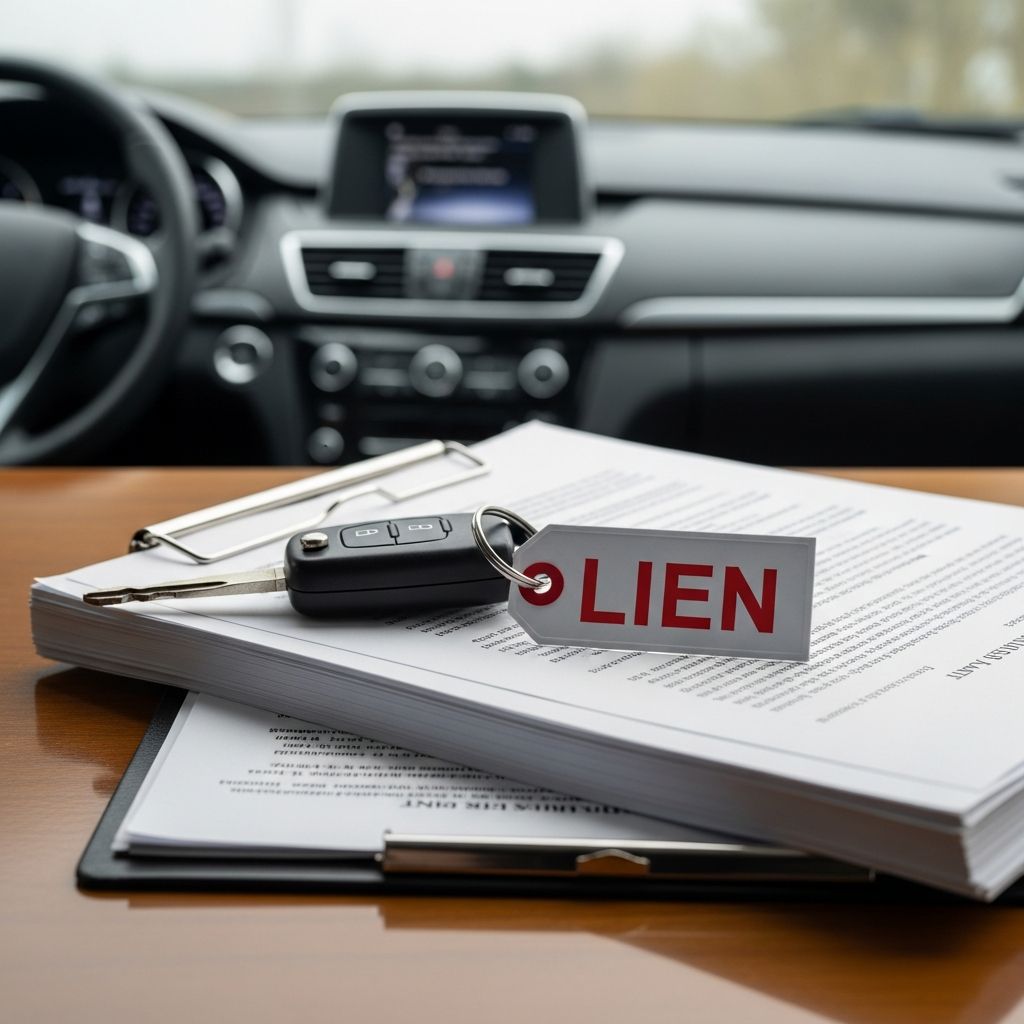
Acquiring a used vehicle from a private seller often involves navigating legal hurdles, particularly when the car carries an active lien. A lien represents a lender’s legal right to the vehicle until the associated loan is settled, complicating the ownership transfer. This comprehensive guide outlines practical approaches to complete such purchases securely, minimizing risks like fraud or incomplete title clearance.
Understanding Liens in Vehicle Ownership
A lien on a car arises when a buyer finances the purchase through a loan, granting the lender a security interest in the vehicle. This notation on the title ensures the lender can reclaim the asset if payments cease. Until full repayment, the lender holds primary claim, even if the borrower possesses the car.
Liens serve as protection for financial institutions, classifying auto loans as secured debt. Upon loan completion, the lienholder issues a release, clearing the title for unrestricted transfer. Sellers must address this before or during the sale to enable legal handover to the new owner.
- Key traits of vehicle liens: Legal claim by lender, prevents clear title transfer, requires payoff for release.
- Common in financed purchases, especially recent models with outstanding balances.
- Impacts sales by necessitating coordination between buyer, seller, and lienholder.
Detecting and Verifying Liens Before Purchase
Before committing funds, confirm any liens through reliable channels. Request the Vehicle Identification Number (VIN) from the seller and cross-check with official databases. State Departments of Motor Vehicles (DMVs) provide lien searches, often online or in-person.
Additionally, utilize the National Motor Vehicle Title Information System (NMVTIS) for nationwide records. Third-party vehicle history reports from reputable providers reveal liens, accident history, and title status, offering comprehensive insights.
| Method | Access | Cost | Details Provided |
|---|---|---|---|
| DMV Search | State-specific online/in-person | Low/none | Lienholder name, status |
| NMVTIS | Federal database via approved sites | $5–$10 | National title/lien history |
| Vehicle History Report | Online services | $20–$50 | Liens, accidents, ownership |
These steps uncover hidden liens, including cases where sellers cleared loans but paperwork lags. Insist on lien release documentation to proceed safely.
Strategic Options for Handling Liens During Sale
Option 1: Seller Clears the Lien Pre-Sale
The most straightforward path involves the seller settling their loan independently before handover. Post-payoff, the lender mails a clear title, which the seller then transfers. This method suits patient buyers, as processing spans 7–45 days depending on the lender.
Drawbacks include delays and seller reluctance if underwater (owing more than vehicle value). Verify payoff via direct lender contact.
Option 2: Buyer Directly Pays the Lienholder
For faster resolution, buyers can remit payoff directly to the lender, disbursing remainder to the seller. Obtain the exact payoff quote from the lienholder, including fees. Cash buyers negotiate price knowing true equity.
Ideal for cash deals: Contact lienholder for balance, agree terms with seller, execute payments simultaneously. Physical lender branches facilitate immediate title signing and release.
Option 3: Financing Through a New Loan
New buyers financing via private party auto loans inform their lender of the lien. The financing institution coordinates payoff, sending funds to the existing lienholder and equity to the seller. Post-clearance, the new lender assumes lien status on the title.
This streamlines processes for financed purchases, ensuring title routes correctly. Provide bill of sale and odometer statements to all parties.
Option 4: Loan Assumption
Rarely, buyers assume the existing loan, stepping into the seller’s payments. Sellers query lenders for assumability; approved buyers undergo credit checks and submit documentation. Not widely offered, but viable for favorable rates.
Option 5: Escrow and Third-Party Services
Escrow services hold buyer funds, releasing payoff to lienholder upon title confirmation, then balance to seller. Platforms like specialized auto escrow handle coordination, receiving titles directly for security.
Benefits include reduced fraud risk, legal drive permissions during waits, and handling underwater scenarios via seller supplements.
Essential Legal Documents and Protections
Secure written agreements detailing price, payoff amounts, timelines, and contingencies. Key documents include:
- Bill of sale with VIN, descriptions, signatures.
- Odometer disclosure statement.
- Lien payoff verification and release.
- Title application for DMV registration.
Conduct mechanical inspections and appraisals to affirm value. For liens, prioritize title clarity over verbal assurances.
State Variations and DMV Procedures
Procedures differ by state; some mandate lienholder presence at closing, others permit electronic filings. Post-purchase, apply for registration and title promptly, including lienholder details if financing. Massachusetts exemplifies: Submit applications with accurate lien info.
Research local DMV rules to avoid registration delays or penalties.
Common Pitfalls and Risk Mitigation
Avoid paying sellers upfront without title safeguards—funds may vanish without loan settlement. Watch for “paid but unreleased” liens requiring seller proof.
Underwater vehicles demand seller equity contributions. Always retain records for disputes.
FAQs
Is it legal to buy a car with a lien?
Yes, provided the lien is cleared prior to title transfer, via payoff or assumption.
How do I check for liens?
Use DMV, NMVTIS, or vehicle reports with the VIN.
What if the seller owes more than the sale price?
Seller covers difference; escrow services manage this securely.
Can I drive the car during lien payoff wait?
Often no, until title clears; some states issue temps via escrow.
How long for lien release?
7–45 days typically; direct payoff accelerates.
Final Considerations for Confident Purchases
Buying lien-encumbered vehicles demands diligence but unlocks deals on quality cars. Prioritize verification, documented coordination, and protections like escrow for seamless ownership transfer. With these tactics, secure your investment effectively.
References
- How To Buy A Car With A Lien: Your Guide To Protecting Yourself — Bankrate. 2023-10-15. https://www.bankrate.com/loans/auto-loans/buying-a-car-with-a-lien/
- How to Buy a Car With a Lien — Experian. 2024-05-22. https://www.experian.com/blogs/ask-experian/how-to-buy-a-car-with-a-lien/
- How to Buy a Car With a Lien — Capital One. 2024-02-14. https://www.capitalone.com/cars/learn/managing-your-money-wisely/how-to-buy-a-car-with-a-lien/1524
- Buying a car with a lien: what you need to know — KeySavvy. 2023-11-08. https://www.keysavvy.com/blog/how-to-safely-buy-a-car-with-lien
- What Is a Lien on a Car and How Does It Work? — OneMain Financial. 2024-01-30. https://www.onemainfinancial.com/resources/loan-basics/what-is-a-lien-on-a-car-and-how-does-it-work
- Apply for a registration and title for a vehicle purchased from an individual — Mass.gov. 2025-01-10. https://www.mass.gov/how-to/apply-for-a-registration-and-title-for-a-vehicle-purchased-from-an-individual
Similar Articles








Read full bio of medha deb