Buying A Car Out Of State: Complete Pre-Purchase Checklist
Navigate interstate car purchases with expert guidance on regulations and procedures.

The automotive marketplace extends far beyond your immediate neighborhood. When searching for the perfect vehicle, geographic boundaries no longer restrict your options. Whether you’re seeking a specific model unavailable locally, hoping to secure better pricing, or pursuing a rare find, purchasing a vehicle from another state presents realistic and achievable opportunities. This comprehensive guide walks you through the essential considerations, legal frameworks, and practical steps required to successfully complete an out-of-state vehicle transaction.
Understanding the Legal Framework for Interstate Vehicle Acquisition
A fundamental question arises at the beginning of this process: is it actually legal to purchase a vehicle in another state? The answer is unequivocally yes. No federal or state laws prohibit individuals from buying vehicles from dealerships or private sellers across state lines. These transactions occur with remarkable frequency, particularly in metropolitan areas spanning multiple states such as the New York City region, the Kansas City area, or the Washington, D.C. corridor, where crossing state boundaries for commerce is commonplace.
However, while the purchase itself faces no legal obstacles, the process of bringing that vehicle into your home state introduces several regulatory considerations. Each state maintains distinct requirements governing emissions standards, vehicle registration procedures, and sales taxation. Understanding these variations before committing to a purchase prevents disappointment and unexpected expenses down the road.
Identifying the Advantages of Cross-State Vehicle Shopping
Several compelling reasons motivate buyers to expand their search beyond state lines. First and foremost, the geographic expansion dramatically increases your available inventory. Rather than settling for whatever vehicles your local dealers happen to stock, you gain access to a continental marketplace. This expanded selection proves particularly valuable when seeking specific configurations, rare model years, or distinctive features.
Regional vehicle preferences create interesting opportunities. A convertible sports car might command premium prices in the cool climates of the Northeast, but dealerships in warmer Southwestern states might offer more competitive pricing for the same models. Conversely, all-wheel-drive vehicles command top dollar in snow-prone regions but may be more affordable in areas with temperate climates. These regional demand variations directly impact pricing, potentially allowing savvy buyers to capitalize on geographic price disparities.
Beyond selection and pricing, buyers occasionally discover factory incentives and manufacturer promotions unavailable at their home-state dealerships. A manufacturer might be clearing inventory in one state while simultaneously running limited promotions elsewhere. Dealers in different states may have varying markups and profit margins, creating legitimate opportunities for more favorable negotiations.
The Research Phase: Foundation for Smart Purchasing
Before traveling or committing financial resources, thorough online research establishes a solid foundation. Multiple platforms facilitate nationwide vehicle searches, including major online marketplaces, manufacturer websites, and individual dealership sites. These resources allow you to filter by model, price point, color, year, and mileage without leaving your home.
Modern digital tools have transformed this research phase. Video walkarounds, extensive photograph galleries, and detailed vehicle descriptions provide genuine insights into a car’s condition and appearance. Many dealerships now offer comprehensive multimedia presentations of their inventory, reducing the necessity for immediate in-person visits.
Once you identify promising candidates, obtain the vehicle identification number (VIN) and request a vehicle history report. This report serves as a critical due diligence tool, revealing previous accidents, insurance claims, maintenance records, title issues, and any recalls affecting the vehicle. A rebuilt or salvage title, prior flood damage, or outstanding liens emerge clearly in these reports. Red flags discovered during this research phase either eliminate the vehicle from consideration or significantly influence your negotiation strategy.
Critical Regulatory Considerations Before Finalizing Purchase
Three regulatory factors demand careful attention before purchasing: emissions compliance, sales tax obligations, and registration requirements.
Emissions Standards and Environmental Compliance
The United States features a complex patchwork of state-level emissions regulations. Vehicles meeting California’s stringent emissions standards differ from those certified for other states. Some vehicles simply cannot be legally registered in certain states due to emissions non-compliance. Before pursuing a vehicle, contact your local Department of Motor Vehicles and confirm that the specific vehicle meets your state’s environmental standards. This verification step prevents purchasing a car that cannot be legally registered in your jurisdiction.
Sales Tax and Payment Obligations
An important principle shapes all out-of-state purchases: sales tax is collected in your home state, not the state where you purchase the vehicle. This means that even if you buy in a state with lower sales tax rates, you’ll pay your home state’s applicable tax rate during registration. When calculating whether an out-of-state purchase provides genuine savings, factor in transportation costs—whether shipping fees or travel expenses—to determine the true financial advantage.
Registration and Title Requirements
Each state maintains distinct registration procedures and documentation requirements. Generally, you’ll need the signed title or manufacturer’s certificate of origin, proof of insurance, and proof of any required safety or emissions inspections. Your local DMV will guide you through the specific requirements for your jurisdiction.
Navigating the Purchase Process: Dealerships Versus Private Sellers
The source of your vehicle significantly impacts the transaction process and your responsibilities.
Dealership Purchases
Purchasing from a dealership streamlines the transaction considerably. Established dealers handle title transfers, typically issue temporary registration tags, and can address many regulatory details. These professionals understand interstate requirements and navigate the paperwork efficiently. When negotiating price, request the total out-the-door cost rather than focusing solely on the sticker price. This all-inclusive figure reveals the true financial obligation, incorporating all fees, taxes, and charges.
Certified pre-owned programs from major manufacturers offer additional protections, as these vehicles typically include warranties and have undergone manufacturer inspections.
Private Seller Transactions
Private seller purchases require substantially more personal responsibility. You’ll handle title transfer independently, obtain your own temporary permit, and manage all registration documentation with your local DMV. However, the benefit is typically a lower purchase price and greater negotiating flexibility. This route demands more diligence on your part but can yield significant savings for experienced buyers willing to invest the effort.
The Inspection Process: Non-Negotiable for Used Vehicles
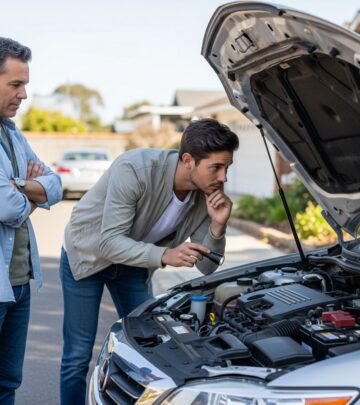
If purchasing a used vehicle from out of state, obtain a pre-purchase inspection (PPI) from a qualified mechanic. While photographs and video provide visual information, only a professional inspection reveals hidden mechanical, electrical, and structural issues. An experienced technician will examine the electrical system, inspect for leaks and hidden damage, and test drive the vehicle to evaluate handling and performance. This modest investment—typically an hour or two at standard shop rates—prevents catastrophic financial surprises after you’ve committed to the purchase and transportation.
Transporting Your Vehicle Home
Once you’ve completed the purchase, you face a practical challenge: getting the vehicle to your home state. You have two primary options. If the distance is manageable, you may legally drive the vehicle home using temporary registration obtained during the sales transaction. This approach costs nothing but requires a comfortable driving distance. Alternatively, professional auto shipping services transport the vehicle while you travel separately. Factor shipping costs into your overall purchase calculation to determine if the deal still provides financial advantages.
Post-Purchase Registration and Compliance
Upon returning home with your new vehicle, several final steps complete the process. You must perform any emissions testing and safety inspections required by your state. Obtain your permanent registration and title documents. Secure appropriate insurance coverage meeting your state’s minimum requirements. Finally, pay the applicable sales tax as part of your registration process.
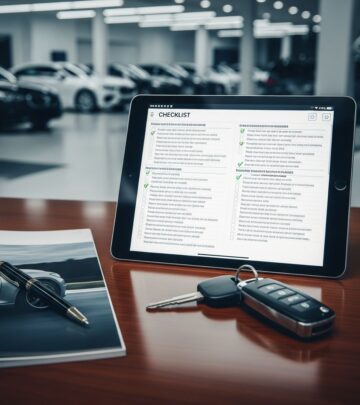
Essential Pre-Purchase Checklist
- Define your specific vehicle requirements, desired features, and realistic budget before beginning your search
- Obtain vehicle history reports for all serious candidates to identify red flags and title issues
- Confirm emissions compliance with your state’s environmental standards
- Request multiple photographs and video walkarounds from sellers
- Contact your local DMV regarding specific documentation and inspection requirements
- Arrange pre-purchase inspections for all used vehicles from qualified mechanics
- Review all sales contracts, title documents, and disclosures for accuracy before signing
- Verify the total out-the-door price from dealerships, not just the sticker price
- Confirm whether the seller will handle title transfers or if you must manage this independently
- Calculate total costs including sales tax, transportation, and inspections when evaluating financial advantages
Frequently Asked Questions
Can I purchase any vehicle and bring it to my home state?
Most vehicles can be purchased and transported across state lines, but emissions compliance is the primary limitation. Some vehicles certified only for California or other states with stringent emissions standards cannot be registered elsewhere. Always verify compliance before purchasing.
What happens if I buy a vehicle in a state with lower sales tax?
You will pay your home state’s sales tax rate during registration, regardless of where you purchase the vehicle. The state where you register the car, not where you buy it, determines your tax obligation.
Is purchasing a car out of state always cheaper?
Not necessarily. While some regional price variations exist and dealers may offer promotions, you must factor in transportation costs, potential inspection fees, and your own travel expenses. Sometimes these additional costs eliminate the price advantage of buying out of state.
What documentation do I need when purchasing from a private seller in another state?
You’ll need the signed title or manufacturer’s certificate of origin, proof of insurance, a temporary registration application to drive the vehicle home, and proof of any required safety or emissions inspections. Your local DMV can provide a complete checklist for your specific state.
How can I minimize risk when purchasing a vehicle I haven’t seen in person?
Request extensive photographs and video walkarounds, obtain a vehicle history report, arrange a professional pre-purchase inspection, and establish clear communication with the seller about the vehicle’s condition and history. Never commit to a purchase without these protections.
Moving Forward with Confidence
Purchasing a vehicle across state lines need not be intimidating. By understanding the regulatory landscape, conducting thorough research, and following established procedures, you can expand your vehicle options beyond your immediate market and potentially secure a better deal. The key lies in patience, diligence, and refusing to rush the process. Treat out-of-state purchases as you would any significant financial decision: verify every detail, understand all costs, and ensure the vehicle meets your genuine needs before committing your resources. With proper planning and attention to these guidelines, your interstate vehicle purchase can be a rewarding experience that yields exactly the vehicle you want at a price that makes financial sense.
References
- Buying a Car From Out of State — Kelley Blue Book. https://www.kbb.com/car-advice/buying-a-car-from-out-of-state/
- How to Buy a Car Out of State — Carfax. https://www.carfax.com/buying/buying-out-of-state
- Buying a Car Out of State — Edmunds. https://www.edmunds.com/car-buying/should-i-buy-an-out-of-state-car.html
- Buying a Car in Another State: What to Know — NerdWallet. https://www.nerdwallet.com/auto-loans/learn/buying-car-out-of-state
- Buying a Car Out of State: Everything You Need To Know — Car and Driver. https://www.caranddriver.com/auto-loans/a32758521/buying-a-car-out-of-state/
- Eight Tips for Buying a Car Out of State — Capital One Auto Navigator. https://www.capitalone.com/cars/learn/getting-a-good-deal/eight-tips-for-buying-a-car-out-of-state/1432
Similar Articles








Read full bio of medha deb