Purchase Money Loan: Definition, Types & Benefits
Complete guide to purchase money loans: understand seller financing, types, pros and cons.

Understanding Purchase Money Loans
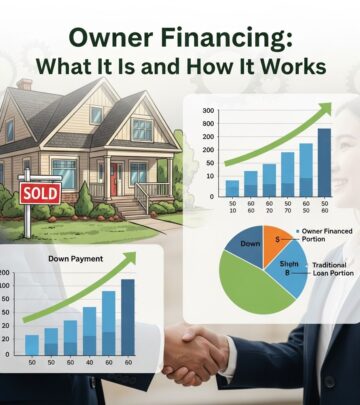
A purchase money loan, also known as seller financing or owner financing, is a financing arrangement where the property seller extends credit directly to the buyer to help finance the purchase of real estate. Instead of obtaining a traditional mortgage from a bank or financial institution, the buyer borrows money from the seller and makes payments directly to them over an agreed-upon period. This alternative financing method has become increasingly popular for buyers who face challenges qualifying for conventional bank mortgages due to credit issues, income instability, or other financial circumstances.
In a purchase money loan arrangement, the seller acts as the lender and plays a crucial role in determining the loan terms. The seller sets the down payment amount, interest rate, repayment period, and other loan conditions based on their needs and the buyer’s financial situation. Both parties execute a promissory note detailing the loan terms, and the transaction is typically recorded with the county to protect both parties’ interests. The seller usually retains the deed or a security interest in the property until the loan is fully repaid.
How Purchase Money Loans Work
The mechanics of a purchase money loan differ significantly from traditional mortgage lending. When a buyer pursues seller financing, they work directly with the property owner to negotiate terms rather than going through a bank’s standardized qualification process. The seller, acting as the financier, accepts a down payment from the buyer and provides financing for the remaining balance.
The buyer receives immediate possession of the property and begins making regular payments to the seller, typically on a monthly basis. These payments are structured similarly to traditional mortgages, with both principal and interest components. The loan agreement is documented through a formal financing instrument that outlines all terms and conditions, including the interest rate, payment schedule, balloon payment provisions (if applicable), and consequences of default.
One distinguishing feature of purchase money loans is the seller’s retention of certain rights to the property. Until the loan is fully paid off, the seller typically holds the deed or maintains a mortgage lien on the property as security. This arrangement protects the seller’s interests and gives them legal recourse if the buyer fails to make payments. Once the buyer completes all payments, the seller transfers the deed to the buyer, and the property ownership is fully transferred.
Types of Purchase Money Loans
Purchase money loans come in various forms, each designed to meet different circumstances and preferences of buyers and sellers.
Land Contracts
A land contract, also known as a contract for deed, is one of the most straightforward forms of seller financing. In this arrangement, the buyer takes immediate possession of the property and makes installment payments directly to the seller. Land contracts are typically structured with relatively short terms—often five years or less—and frequently conclude with a balloon payment that covers a substantial lump sum owed at the end of the agreement. This structure allows buyers to occupy and use the property while building equity through regular payments, with the expectation that they will refinance into a traditional mortgage before the balloon payment comes due.
Lease-Purchase Agreements
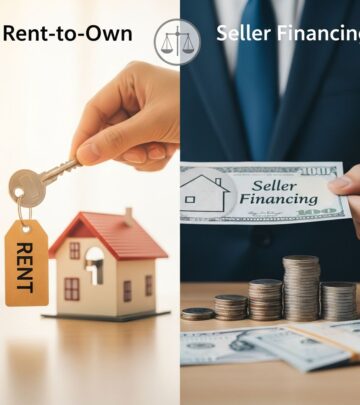
A lease-purchase agreement combines elements of both rental and purchase arrangements. The buyer leases the property from the seller while simultaneously committing to purchase it at a predetermined future date. The buyer typically pays an option fee for the exclusive right to buy the property and often contributes additional monthly payments that apply toward the future down payment. This arrangement provides buyers time to improve their financial situation and credit profile before formally obtaining financing. If the buyer cannot secure traditional financing within the agreed timeframe, they typically forfeit the option fee and any monthly contributions made toward the purchase.
Lease-Option Agreements
Similar to lease-purchase agreements, lease-option agreements give buyers the option to purchase the property but without the obligation to do so. The buyer leases the property and pays an option fee for the right to purchase it later, but can choose not to exercise that right. This provides greater flexibility for buyers who are uncertain about their ability to secure financing or commit to the purchase within a specific timeframe.
Assumable Mortgages
In some cases, buyers can assume an existing mortgage from a previous owner, which can function similarly to a purchase money loan arrangement. With an assumable mortgage, the buyer takes over the seller’s existing loan obligations, potentially at a lower interest rate than current market rates. However, buyers must typically qualify with the lender before assuming the mortgage. Assumable mortgages are particularly common with government-backed loans such as FHA, VA, and USDA mortgages.
Hard Money Loans
Hard money loans represent another alternative financing option, though they differ from traditional seller financing. These loans come from private investors who focus primarily on the property value rather than the borrower’s credit history or income qualification. Hard money loans are typically short-term and carry significantly higher interest rates than conventional mortgages. While these loans are commonly used for commercial properties, they can also serve buyers who anticipate improving their creditworthiness within a short timeframe, allowing them to refinance into traditional financing before the hard money loan matures.
Who Benefits from Purchase Money Loans
Purchase money loans serve specific buyer and seller populations who benefit from this alternative financing structure. Buyers most commonly turn to seller financing when they face obstacles obtaining traditional bank mortgages. These obstacles may include a recent bankruptcy, damaged credit history, high debt-to-income ratios, unstable employment history, or insufficient down payment savings. Rather than waiting years to rebuild credit or save additional funds, these buyers can potentially qualify for seller financing with more flexible underwriting criteria.
Self-employed individuals and those with non-traditional income sources often find seller financing more accessible than conventional mortgages, which typically require extensive documentation and proof of stable employment. First-time homebuyers with limited savings for down payments may also benefit from a seller’s willingness to negotiate flexible down payment requirements.
Sellers benefit from purchase money loans by accessing additional buyer pool, potentially commanding higher interest rates than traditional lending, and establishing ongoing cash flow through regular loan payments. In certain market conditions or with unique properties, sellers may find that offering financing increases their negotiating power and helps them sell properties that might otherwise languish on the market.
Advantages of Purchase Money Loans
Purchase money loans offer several compelling benefits for buyers seeking alternative financing paths.
Flexible Down Payment Requirements
Sellers can customize down payment requirements based on individual circumstances, often accepting significantly lower down payments than banks typically require. This flexibility allows buyers who haven’t accumulated substantial savings to still achieve homeownership. Rather than requiring the traditional 20% down payment, sellers may accept 5%, 10%, or even less depending on the overall transaction structure and the buyer’s creditworthiness.
Expedited Access to Homeownership
Purchase money loans can significantly accelerate the homebuying timeline for qualified buyers. Without the need to navigate traditional mortgage underwriting, which can take 30-45 days or longer, buyers and sellers can often complete transactions more quickly. This faster timeline appeals to buyers who need housing urgently or who face difficulty qualifying for conventional financing.
Potentially Lower Closing Costs
Seller-financed transactions may involve lower closing costs compared to traditional mortgages, as they bypass certain lender fees, underwriting charges, and third-party service fees typically associated with bank mortgages. This cost savings can represent a significant financial advantage for buyers with limited funds.
Flexible Qualification Standards
Purchase money loans often employ more flexible qualification criteria than traditional lenders. Rather than strict debt-to-income ratio calculations, credit score minimums, and extensive income verification, sellers may be willing to work with buyers based on overall financial stability, assets, and the transaction specifics. This flexibility creates pathways to homeownership for borrowers who might otherwise be rejected by conventional lenders.
Relationship-Based Negotiations
Direct negotiation between buyer and seller allows for creative problem-solving and customized solutions not possible in traditional lending relationships. Sellers may be motivated by factors beyond pure financial return, such as ensuring a suitable buyer for their property or facilitating a family transaction.
Disadvantages and Risks of Purchase Money Loans
While purchase money loans offer benefits, they also present significant risks and drawbacks that buyers should carefully consider.
Higher Interest Rates
Sellers typically charge higher interest rates on purchase money loans than traditional banks, reflecting the increased risk they assume by not relying on professional loan underwriting and servicing. These elevated rates translate to substantially higher monthly payments and greater total interest costs over the loan’s life. A buyer might secure a bank mortgage at 7% but face a seller-financed loan at 10% or higher, significantly increasing their long-term borrowing costs.
Balloon Payments
Many purchase money loans include substantial balloon payments due at the end of the loan term. These lump sum obligations—potentially tens of thousands of dollars—can catch borrowers unprepared if they haven’t secured refinancing into a traditional mortgage. Buyers who cannot refinance or cannot afford the balloon payment when due face default and potential foreclosure.
Foreclosure Risk
Purchase money loans carry foreclosure risk similar to traditional mortgages. If a buyer fails to maintain payments or violates other loan terms, the seller can initiate foreclosure proceedings to recover the property and outstanding balance. The foreclosure process can damage the buyer’s credit and result in loss of the property and equity already accumulated.
Delayed Full Ownership
Until the purchase money loan is completely paid off, the buyer does not possess full legal ownership of the property. The seller retains the deed or holds a mortgage lien, limiting the buyer’s ability to refinance, obtain home equity loans, or make major modifications without seller consent. This limited ownership status creates long-term complications.
Seller Default Risk
Buyers face the risk that sellers may default on their own mortgage obligations or lien positions. If a seller who has already received their purchase money loan defaults on their own debts, the property could be subject to foreclosure by the seller’s lenders, jeopardizing the buyer’s equity and occupancy rights.
Limited Buyer Protections
Purchase money loans operate with fewer regulatory protections than traditional mortgages. Truth-in-Lending Act disclosures and other consumer protections applicable to institutional lenders may not apply to private seller financing, leaving buyers with less recourse if disputes arise.
Real-World Example
Consider a practical scenario to illustrate how purchase money loans function. A homebuyer identifies a $450,000 property they wish to purchase. They have accumulated a $100,000 down payment and maintain a good income, but underwent a bankruptcy two years ago and cannot qualify for a traditional mortgage due to credit restrictions imposed by most banks requiring a 7-year waiting period post-bankruptcy.
Rather than waiting several more years for bankruptcy to age off their credit report, the buyer negotiates with the seller. The seller agrees to provide purchase money financing for the remaining $350,000 at an 8.5% interest rate over a five-year term, structured with a balloon payment of $200,000 due at the loan’s end. The buyer’s monthly payments would be approximately $1,850, including principal, interest, and taxes/insurance.
By structuring the loan this way, the seller receives immediate equity while maintaining security through the property deed. The buyer achieves homeownership and begins building equity through monthly payments. Within five years, the buyer’s bankruptcy ages further, credit improves, and the buyer has accumulated substantial equity. When the balloon payment approaches, the buyer qualifies for a traditional refinance mortgage at a lower interest rate, pays off the seller’s loan, and transitions to conventional financing with better terms. The seller receives their full payout, and the buyer achieves traditional mortgage status and full property ownership.
Tax and Legal Considerations
Purchase money loans involve important tax and legal implications that both buyers and sellers should understand. Sellers must report interest income received from buyer payments for tax purposes. Buyers may be able to deduct mortgage interest paid on purchase money loans in certain circumstances, though they should consult tax professionals regarding their specific situations. Legal documentation is critical—both parties should ensure proper promissory notes, security agreements, and deed recordings occur to establish clear rights and remedies in case of disputes or default.
Is a Purchase Money Loan Right for You?
Purchase money loans represent viable alternatives for specific buyer circumstances. These loans work best for borrowers who face temporary barriers to traditional financing but have reasonable prospects for credit improvement or income stabilization. Buyers should realistically assess their ability to meet seller-imposed terms, including potentially higher interest rates and balloon payments. If refinancing is contemplated, buyers should actively work on credit improvement and income documentation throughout the purchase money loan period to ensure they can qualify for traditional financing when needed.
Sellers should carefully evaluate buyer qualifications, property value, and market conditions before offering financing. Consulting with attorneys to ensure proper documentation and legal standing is essential for protecting seller interests.
Frequently Asked Questions
Q: What is the main difference between a purchase money loan and a traditional mortgage?
A: The primary difference is the lender. With traditional mortgages, banks provide financing and typically hold the deed. With purchase money loans, the seller provides financing and retains the deed or a mortgage lien until the loan is paid off. Purchase money loans also typically feature higher interest rates, lower documentation requirements, and more flexible qualification criteria.
Q: Can I get a purchase money loan with bad credit?
A: Yes, purchase money loans are often designed for buyers with credit challenges. Since sellers evaluate creditworthiness differently than banks—often considering overall financial stability and assets—buyers with damaged credit histories may qualify for seller financing when traditional mortgages are unavailable.
Q: What happens if I cannot pay the balloon payment when it’s due?
A: If you cannot pay the balloon payment, you have limited options. You can attempt to refinance into a traditional mortgage, negotiate an extension or modification with the seller, or face default and potential foreclosure. This is why planning for balloon payments well in advance is critical.
Q: Do I own the house during a purchase money loan?
A: You possess the property and live in it, but legal ownership is limited until the loan is paid off. The seller retains the deed or a mortgage lien as security. Once you complete all payments, full ownership transfers to you.
Q: Are purchase money loans common?
A: Purchase money loans represent a smaller percentage of all real estate transactions but remain common in certain markets and circumstances, particularly when buyers cannot qualify for traditional financing or when sellers seek to expand their buyer pool.
Q: Should I hire an attorney for a purchase money loan?
A: Yes, hiring an attorney is highly recommended for both buyers and sellers. Legal professionals ensure proper documentation, protect rights, clarify obligations, and help prevent disputes or complications that could arise from informal arrangements.
References
- Purchase-Money Mortgage: Definition and Example — SoFi Learning. 2024. https://www.sofi.com/learn/content/purchase-money-mortgage/
- What is a Purchase-Money Mortgage? — Rocket Mortgage Learning Center. 2024. https://www.rocketmortgage.com/learn/purchase-money-mortgage
- LII Wex Purchase Money Mortgage — Cornell Law School Legal Information Institute. 2024. https://www.law.cornell.edu/wex/purchase_money_mortgage
Similar Articles








Read full bio of medha deb