Pumping at Work: A Guide for Breastfeeding Moms
Essential tips for breastfeeding mothers to successfully pump at work while saving money and maintaining milk supply.
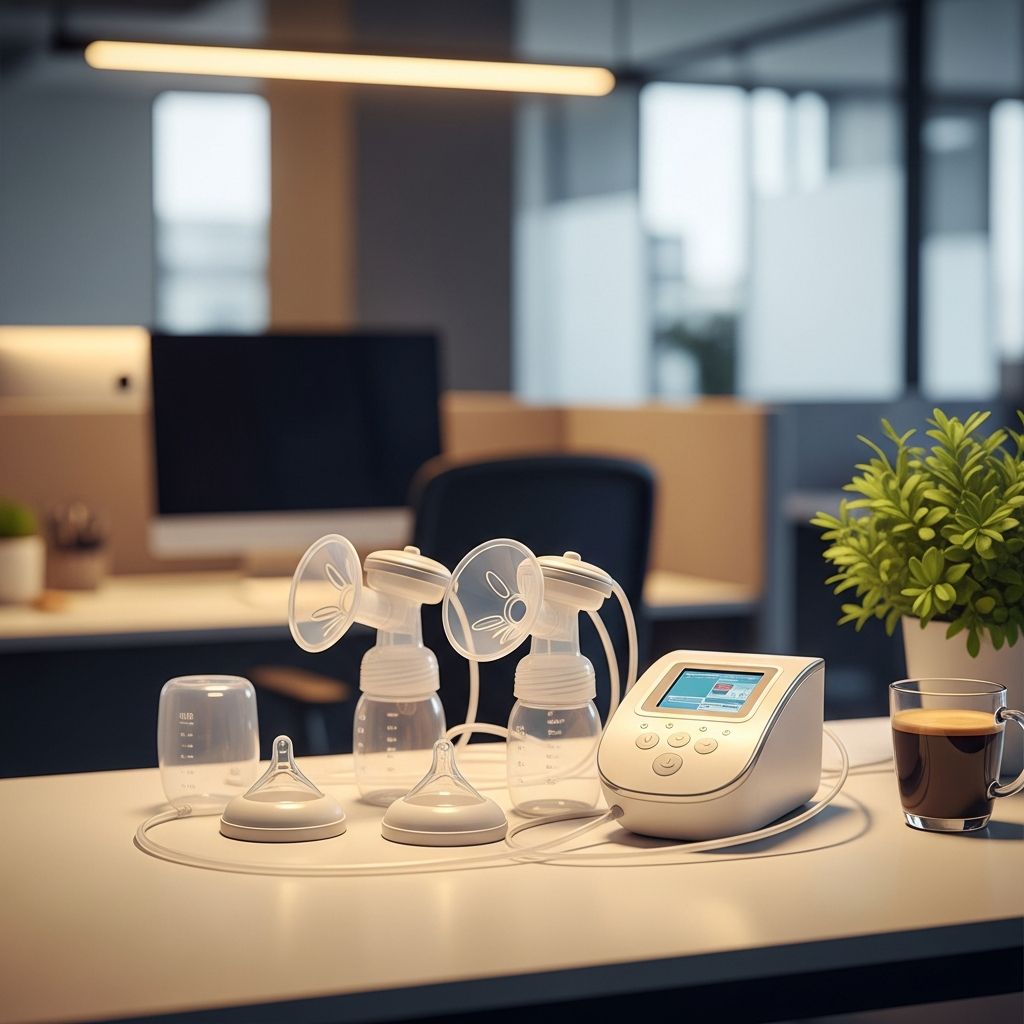
Returning to work while breastfeeding presents unique challenges, but with proper planning and knowledge of your rights, you can continue providing breast milk for your baby. This comprehensive guide covers everything from legal protections and essential equipment to building a milk stash and troubleshooting common issues, helping working moms save money and maintain their milk supply effectively.
Your Rights as a Pumping Mom
Understanding your legal rights is the first step to successfully pumping at work. The Fair Labor Standards Act (FLSA), amended by the PUMP for Nursing Mothers Act, requires most employers to provide reasonable break time and a private, non-bathroom space for expressing milk for up to one year after your child’s birth.
- Federal Protections: Employers must allow break time each time you need to pump, typically every 2-3 hours. The space must be functional, shielded from view, and free from intrusion.
- Exceptions: Small employers (under 50 employees) may be exempt if compliance causes undue hardship, but many states have stronger laws.
- State Variations: States like California and New York extend protections beyond one year or to smaller employers. Check your state’s labor department for specifics.
Communicate early with your employer or HR. Provide a doctor’s note if needed, and request accommodations in writing. Many companies now offer lactation rooms with pumps, refrigerators, and even support from lactation consultants.
Choosing the Right Breast Pump
Investing in a reliable breast pump is crucial. Hospital-grade pumps are powerful but expensive; personal-use double electric pumps offer a balance of efficiency and affordability.
| Pump Type | Pros | Cons | Cost Range |
|---|---|---|---|
| Hospital-Grade (Rental) | High suction, durable for frequent use | Bulky, rental fees ($30-70/month) | $1-2/day rental |
| Double Electric Personal | Fast (15-min sessions), portable | Requires electricity, $200-400 | $200-400 |
| Manual | Cheap, portable, no batteries | Slower, tiring for both sides | $20-60 |
| Wearable | Hands-free, discreet | Expensive, may leak | $300-500 |
Insurance often covers one pump per pregnancy under the Affordable Care Act. Popular affordable options include Medela Pump In Style, Spectra S1/S2 (known for strong suction and rechargeable battery), and budget picks like Momcozy wearables. To save money, buy used from reputable sellers (sanitize thoroughly) or rent from hospitals.
Building a Pumping Schedule
Mimic your baby’s feeding rhythm to maintain supply. Aim for 8-12 sessions per 24 hours, including nights initially.
- At Home (Pre-Return): Pump after feedings to build a freezer stash. Store in 2-4 oz bags labeled with dates.
- First Week Back: Pump every 2-3 hours, even if it means shorter breaks. Power pumping (10-min pump, 10-min rest, repeat for an hour) simulates cluster feeding.
- Sample Schedule:
| Time | Activity |
|---|---|
| 7 AM | Pump before leaving home |
| 10 AM | Morning break pump (15 mins) |
| 12:30 PM | Lunch pump (15-20 mins) |
| 3 PM | Afternoon break pump |
| 5:30 PM | Pump before/after commute |
| Evening/Night | Nurse baby + comfort pumps |
Track output with apps like Milk Stash or Baby Tracker. Expect 3-5 oz per session total from both breasts once established.
Essential Pumping Gear Checklist
Save money by prioritizing must-haves and DIY solutions.
- Essentials: Pump, flanges (size properly to avoid pain), milk storage bags (buy in bulk), insulated cooler bag with ice packs.
- Storage: Dedicated fridge shelf or mini-fridge in lactation room. Frozen milk lasts 6-12 months.
- Cleaning: Boil parts daily or use microwave bags. Affordable kits under $20.
- Comfort Items: Nipple cream (Lanolin), hands-free bra ($30), pump cover for privacy.
- Budget Hack: Use slow cooker liners as cheap trash bags for used flanges.
Transport milk safely: Keep cold until pickup. Thawed milk good for 24 hours in fridge.
Maintaining Your Milk Supply
Dropping supply is common; proactive steps help.
- Hydration & Nutrition: Drink 100 oz water daily; eat oatmeal, fenugreek, or lactation cookies.
- Power Pumping: Evening sessions to boost prolactin.
- Skin-to-Skin: Nurse baby immediately after work.
- Supplements: Blessed thistle, moringa (consult doctor).
- Rest: Nap when baby naps; stress tanks supply.
Signs of low supply: Fewer wet diapers, baby fussy. See a lactation consultant (often covered by insurance).
Navigating Workplace Challenges
Not all workplaces are supportive; strategies include:
- Talking to Boss: Frame as productivity booster (happier mom = better work).
- Lactation Pods: Companies like Target offer Mamava pods.
- Remote Work: Pump during meetings with noise-canceling.
- Colleagues: Educate discreetly; use “taking a call” excuse if needed.
- Storage Guidelines: Fresh: 4 days fridge; Frozen: 6 months deep freezer.
- Thawing: Fridge overnight; never microwave.
- Rotation: FIFO (first in, first out).
- Insurance Pump: Free via Aeroflow or Edgepark.
- Thrift Flanges: Facebook Marketplace ($10 vs $25 new).
- Bulk Bags: Amazon Subscribe & Save.
- Work Perks: Ask for lactation reimbursement.
- Providing Reasonable Break Time for Nursing Mothers. — U.S. Department of Labor. 2023-12-13. https://www.dol.gov/agencies/whd/nursing-mothers
- PUMP for Nursing Mothers Act. — U.S. Department of Labor. 2024-04-01. https://www.dol.gov/agencies/whd/pump
- Breastfeeding and Returning to Work. — Centers for Disease Control and Prevention (CDC). 2024-09-15. https://www.cdc.gov/breastfeeding/php/business-case/returning-to-work.html
- Academy of Breastfeeding Medicine Protocol. — Academy of Breastfeeding Medicine. 2023-05-20. https://doi.org/10.1089/bfm.2023.29242
- Workplace Breastfeeding Support. — U.S. Department of Health and Human Services. 2025-01-10. https://www.womenshealth.gov/breastfeeding/breastfeeding-home-work-and-public/breastfeeding-and-going-back-work
Traveling? Ship milk via UPS with dry ice or pump and dump if stash sufficient (not ideal).
Building and Using a Milk Stash
Aim for 100+ oz freezer stash before return.
Wean gradually: Drop one session/week after 6 months.
Cost-Saving Tips for Pumping Moms
Breastfeeding saves $1,200+ yearly on formula.
Frequently Asked Questions (FAQs)
Do I get paid for pumping breaks?
Breaks are unpaid unless overlapping with paid break time. Shorten lunch if needed.
What if my employer refuses space?
Contact U.S. Department of Labor Wage and Hour Division for enforcement.
Can I pump in my car?
Legal but uncomfortable/cold; not private enough for most workplaces.
How long should I pump each session?
15-20 minutes, or until milk stops flowing + 2 minutes.
What if I leak through clothes?
Disposable pads ($5/pack); dark tops or pumping tees.
Success Stories from Working Moms
Many moms pump exclusively for 6-12 months. “Spectra S2 changed my life—quiet and powerful,” says one. Another: “Freezer stash gave peace of mind.”
With preparation, pumping at work supports your bond and baby’s health while advancing your career.
References








Read full bio of Sneha Tete