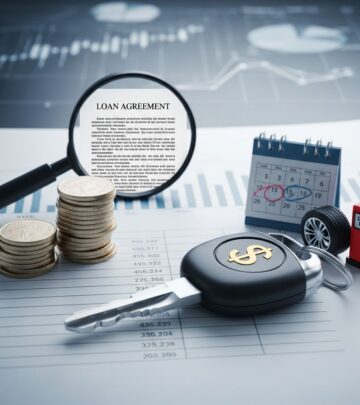
Protecting Yourself from Predatory Auto Financing
Learn to identify deceptive lending practices and safeguard your finances

The process of securing financing for a vehicle can be overwhelming, especially when navigating complex loan terms, varying interest rates, and unfamiliar lenders. Unfortunately, this complexity creates an environment where dishonest dealerships and predatory financial institutions can exploit unsuspecting consumers. Understanding the tactics employed by scammers and recognizing warning signs before they affect your finances is essential for making informed borrowing decisions.
The Reality of Automotive Finance Fraud
Fraudulent practices in the automotive lending industry affect thousands of consumers annually. These schemes range from straightforward fee extraction to sophisticated manipulation of loan terms and conditions. The Federal Trade Commission has documented numerous cases where borrowers discovered they had been victimized only after committing to substantial financial obligations. Predatory lenders typically target specific demographics, including first-time buyers, individuals with limited credit history, and those rebuilding their credit after financial difficulties.
The common thread connecting most automotive financing schemes is deception. Scammers use confusing terminology, rush borrowers through documentation, employ high-pressure sales tactics, and deliberately obscure crucial loan details. Recognizing these patterns empowers consumers to take protective action.
Early Warning Indicators of Fraudulent Schemes
Unsolicited Direct Contact
One of the earliest warning signs appears before you even visit a dealership. Scammers frequently initiate contact through emails, phone calls, or text messages claiming you have been preapproved for financing or qualify for special promotional offers. These communications often arrive unexpectedly and may direct you to fraudulent websites designed to mimic legitimate lenders or dealership sites. When contacted proactively about automotive loans, exercise caution. Legitimate financial institutions typically do not solicit new customers with unsolicited financing offers, particularly those promising unusually favorable terms.
Missing or Suspicious Contact Documentation
A legitimate lender maintains transparent communication channels and provides verifiable business information. If a company offering automotive financing cannot provide a physical business address, operational phone number, or other standard contact details on their website, this represents a significant red flag. Scam operations deliberately avoid creating legitimate paper trails or identifiable business locations that might facilitate consumer complaints or regulatory investigation.
Payment Method Irregularities
How a lender requests payment reveals much about their legitimacy. Upfront fees demanded before loan processing begins, especially when the lender insists on overseas bank transfers, gift cards, or wire transfers, indicate fraudulent intent. Additionally, if a lender requests you deposit loan payments directly into their personal account rather than using official payment processing systems, this represents a major deception indicator. Legitimate financial institutions maintain standardized payment protocols and never require unusual transfer methods for loan origination fees.
Common Deceptive Financing Arrangements
The Yo-Yo Financing Trap
Among the most prevalent automotive financing scams is yo-yo financing, also called spot delivery fraud. In this scenario, a dealership allows you to drive away in a vehicle before financing has been completely approved and finalized in writing. Days or weeks later, the dealership contacts you claiming the financing fell through. They then pressure you into accepting a significantly more expensive loan with a higher interest rate or demand you return the vehicle immediately. This places borrowers in an impossible position: either accept unfavorable terms retroactively or surrender the vehicle they have begun using and may have already invested in insurance and registration.
Protection against yo-yo financing requires refusing to take possession of any vehicle until your complete loan agreement has been finalized, documented in writing, and signed by all parties. Insist on clarity regarding whether financing terms are final or conditional before leaving the dealership.
Bait-and-Switch Interest Rate Manipulation
Deceptive dealerships frequently advertise exceptionally low interest rates or monthly payments to attract customers. Upon arrival at the dealership and after you have invested time, the sales team informs you that you do not qualify for the advertised rate. They then present significantly less favorable terms, claiming these are your only available options. By this point, many consumers have become emotionally invested in the vehicle and feel trapped into accepting worse terms than originally promoted.
Securing preapproval from a bank or credit union before dealership shopping eliminates this disadvantage. With preapproval documentation, you know precisely which terms you qualify for, making dealership claims about your ineligibility immediately apparent and often challengeable.
Financing Institutions Targeting Subprime Borrowers
Buy-here-pay-here dealerships operate under a specific business model targeting individuals with limited credit options. While not inherently fraudulent, these operations frequently impose extremely high interest rates and provide minimal consumer protections compared to traditional lenders. Furthermore, these dealerships typically do not report timely payments to credit reporting agencies, denying borrowers the opportunity to rebuild credit history through demonstrated reliability.
If you must utilize buy-here-pay-here financing, request comprehensive written disclosure of all loan terms, including the annual percentage rate (APR) and total repayment cost. Dealerships unwilling to provide these details or discouraging questions about terms should be avoided entirely.
Hidden Costs and Contract Manipulation
Payment Packing and Hidden Add-Ons
Lenders sometimes incorporate unnecessary products into loan agreements without explicit disclosure or itemization. These additions, called payment packing, might include extended warranties, service contracts, gap insurance, or other protections you never requested or authorized. The lender simply increases your monthly payment to account for these additions while obscuring their presence in loan documentation.
Combat this practice by demanding a detailed breakdown of every component included in your loan agreement. Decline any add-ons you do not specifically want. Never allow sales representatives to rush you through contract review; take whatever time necessary to understand each element before signing.
Negative Equity Concealment
When trading in a vehicle on which you still owe money, problems arise if the trade-in value falls below your remaining loan balance. Some dealerships respond to this negative equity situation by rolling the unpaid balance into your new loan without clear explanation. This practice increases your total debt and may leave you underwater on the new vehicle from the beginning of ownership.
Before trading in your current vehicle, determine its exact payoff amount and research its market value. During negotiations, explicitly ask whether any negative equity is being incorporated into your new loan, and ensure all details appear clearly in your written contract.
Refinancing and Third-Party Fraud Schemes
Predatory Refinancing Services
A particularly troubling scam targets existing auto loan holders. Third-party refinancing companies promise substantially lower monthly payments but demand upfront enrollment fees, typically ranging from several hundred to thousands of dollars. These scammers often instruct borrowers to stop making regular payments to their lender and instead send payments to the refinancing company, claiming they will handle transmission to the original lender.
In reality, these payments never reach the original lender. Borrowers then discover late payment notices, damaged credit, and additional fees accumulating on their account. The scam company disappears with the collected fees once victims recognize the fraud, leaving borrowers in far worse financial condition than before.
Legitimate refinancing services do not require upfront fees before completing refinancing. They work directly with your current lender without requesting payment redirection. If considering refinancing, work exclusively with established financial institutions rather than specialized refinancing companies offering guaranteed results.
Pressure Tactics and Psychological Manipulation
Artificial Urgency and Manufactured Competition
High-pressure sales environments create conditions where consumers make poor financial decisions. Salespeople may claim financing offers expire at the end of business, that another customer is interested in the same vehicle, or that current promotional rates will never be available again. These manufactured deadlines and false scarcity create artificial urgency designed to bypass your careful consideration of terms.
Reputable dealerships respect customers who need time to review contracts and understand loan terms. If a sales environment feels pressurized or you are discouraged from thorough document review, walk away. No legitimate business transaction should feel rushed or coercive.
Protective Strategies and Best Practices
Pre-Shopping Financial Preparation
Before engaging with any dealership or lender, gather essential financial information. Obtain your credit report and score directly from credit reporting agencies. This prevents scammers from claiming you have a lower credit score than actually recorded to justify inflated interest rates. Research current market interest rates for borrowers with your credit profile to identify unrealistic rate offers. Get preapproved for financing through a bank or credit union to establish baseline terms you definitely qualify for.
Documentation and Verification Protocol
Request written confirmation of all terms before committing to any loan. Do not agree to blank fields in contracts or incomplete agreements requiring later modification. Verify that all promised terms from verbal negotiations appear identically in written documentation. Keep copies of every document you sign and require the dealership or lender to provide you with complete copies of your loan agreement, promissory note, and all related paperwork.
Third-Party Involvement
Consider bringing a trusted friend or family member with financial knowledge to dealership negotiations. A second perspective can identify questionable practices and serve as a witness to verbal promises. Additionally, consult with an independent mechanic before purchasing any vehicle, particularly from private sellers or high-risk dealerships.
Recognizing Vehicle-Specific Fraud Indicators
Beyond financing fraud, vehicle condition misrepresentation frequently accompanies financial scams. If a vehicle’s actual condition substantially differs from seller descriptions and photographs, this indicates intentional deception. Sellers refusing to permit test drives, avoiding direct questions about vehicle history, or lacking proper documentation such as title and registration represent additional warning signs. Always perform thorough vehicle inspection before committing to purchase, and never proceed without complete documentation of the vehicle’s history and ownership status.
Reporting and Recovery Resources
If you suspect you have become a victim of auto loan fraud, report the incident to your state’s consumer protection agency and the Federal Trade Commission immediately. Document all communications, agreements, and payments. These reports help regulatory agencies identify patterns of fraud and can lead to enforcement action against repeat offenders. Depending on the specific fraud circumstances, you may have options to recover funds or void fraudulent agreements through small claims court or civil litigation.
Key Takeaways for Safe Auto Financing
- Never drive away from a dealership in a vehicle until financing is completely finalized and documented in writing with signatures from all parties
- Obtain preapproval from a traditional lender before shopping to establish your actual qualifying terms
- Avoid providing personal financial information in response to unsolicited loan offers via email, phone, or text
- Demand complete documentation of all loan terms, including APR, total repayment cost, and every added fee or service
- Take time to review all contracts thoroughly and refuse to sign under time pressure
- Know your credit score and vehicle value before entering negotiations
- Ask explicit questions about negative equity, add-ons, and financing status rather than assuming terms explained verbally
- Work only with lenders maintaining verifiable business locations, phone numbers, and professional communication channels
- Report suspected fraud to the FTC and state consumer protection agencies
Frequently Asked Questions
What is yo-yo financing?
Yo-yo financing occurs when dealerships allow customers to leave with vehicles before financing approval is finalized. Days or weeks later, dealers claim financing fell through and demand retroactive acceptance of worse terms or immediate vehicle return.
How can I verify a lender is legitimate?
Legitimate lenders maintain physical business addresses, published phone numbers, professional websites with transparent contact information, and standardized business licensing. Verify these details independently rather than relying on contact information provided by the lender themselves.
What should I do if a dealer pressures me to sign incomplete contracts?
Refuse to sign any document with blank fields. Walk away from dealerships employing this practice, as it represents intentional fraud preparation. Legitimate transactions never require signing incomplete agreements.
Can I cancel a loan agreement after signing?
Depending on your jurisdiction and specific circumstances, cooling-off periods or rescission rights may apply. Consult an attorney immediately if you discover you signed a fraudulent agreement.
References
- How to Identify Online Auto Loan Scams — Carfect. https://carfect.com/identify-online-auto-loan-scams/
- What Are Possible Red Flags or Signs of a Scam When Buying a Car? — Neil for the People. https://neilforthepeople.com/signs-of-a-scam-when-buying-a-car/
- What Is the Most Common Auto Loan Scam? — SoFi. https://www.sofi.com/learn/content/auto-loan-scam/
- 8 Car Loan Scams and Red Flags to Look Out For — Experian. https://www.experian.com/blogs/ask-experian/car-loan-scams-and-red-flags/
- Auto Loan Refinancing Scams — Federal Trade Commission Consumer Advice. https://consumer.ftc.gov/articles/auto-loan-refinancing-scams
Similar Articles








Read full bio of medha deb