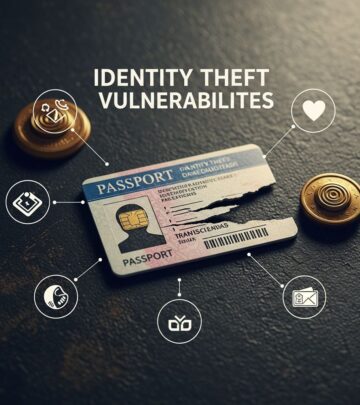
Protecting Your SSN: Essential Steps To Prevent Identity Theft
Essential strategies to secure your Social Security number and prevent costly identity fraud in today's digital world.

Your Social Security number (SSN) serves as a critical identifier for financial, governmental, and personal transactions across the United States. However, this unique nine-digit code makes it a prime target for identity thieves who can exploit it to open fraudulent accounts, file bogus tax returns, or drain resources. With data breaches and phishing attacks on the rise, proactive measures are essential to minimize risks. This guide outlines comprehensive strategies drawn from official recommendations to keep your SSN secure, detect potential compromises early, and recover swiftly if theft occurs.
Understanding the High Stakes of SSN Exposure
A compromised SSN can lead to severe consequences, including unauthorized loans, drained bank accounts, and damaged credit scores that linger for years. Thieves obtain SSNs through lost wallets, discarded documents, corporate hacks, or deceptive communications. Unlike passwords, SSNs cannot be changed easily, amplifying the need for vigilance. Official agencies emphasize that while total prevention is impossible, layered defenses significantly reduce vulnerability.
Common acquisition methods include physical theft of cards or papers, digital breaches at institutions holding your data, and social engineering tactics like fake calls or texts demanding your number. Recognizing these pathways empowers individuals to fortify their defenses systematically.
Core Habits for Daily SSN Security
Building a routine of caution forms the foundation of protection. Start by never carrying your physical Social Security card unless absolutely required for a specific purpose, such as initial employment verification. Memorize the number if possible and store the card in a locked safe or secure home location away from prying eyes.
- Limit verbal disclosures: When asked for your SSN, inquire about the necessity, intended use, and alternatives. Refuse politely if it’s not essential, as many entities now use other identifiers.
- Secure physical documents: Before discarding any paperwork displaying your SSN—such as tax forms, medical bills, or paystubs—shred them using a cross-cut shredder to render information irretrievable.
- Digital hygiene: Avoid emailing or texting your SSN unencrypted. If transmission is unavoidable, use secure portals with end-to-end encryption provided by trusted organizations.
These practices, endorsed by federal guidelines, prevent opportunistic theft from trash bins or casual conversations.
Fortifying Digital Defenses Against SSN Theft
In an era of constant connectivity, online threats pose the greatest danger to SSNs. Phishing emails, smishing texts, and vishing calls masquerade as legitimate entities like banks or government offices to extract your number. Always verify unsolicited requests independently using official contact details, never those provided in the suspicious message.
Enhance device and account security with these measures:
- Deploy robust antivirus software with real-time scanning and anti-phishing capabilities.
- Enable firewalls, keep operating systems updated with security patches, and use multi-factor authentication (MFA) wherever available.
- Create complex, unique passwords for financial and personal accounts, managed via a reputable password vault.
Regularly review your credit reports from Equifax, Experian, and TransUnion—available free annually—to spot unauthorized activity. Additionally, access your Social Security earnings statement yearly through the SSA portal to confirm no fraudulent wages are reported under your number.
Responding to Suspected SSN Compromise
If you suspect exposure, act decisively to limit damage. First, place a credit freeze with all three major bureaus, which blocks new account openings without your explicit lift. This free service surpasses fraud alerts in strength, as it requires identity proof for any access.
| Action | Credit Bureaus | Contact Method | Effect |
|---|---|---|---|
| Credit Freeze | Equifax, Experian, TransUnion | Online/Phone/Mail | Prevents new credit pulls |
| Fraud Alert | Any one (notifies others) | Phone/Online | Requires ID verification for applications |
| Police Report | Local Law Enforcement | In-person/Phone | Creates official record |
File an identity theft report with the Federal Trade Commission (FTC) at IdentityTheft.gov, which generates a recovery plan and serves as supporting documentation for creditors. Contact the SSA if electronic access concerns arise; they offer a ‘Block Electronic Access’ option to restrict automated changes to your record.
Leveraging Official Tools and Services
Government resources provide powerful aids. Create a ‘my Social Security’ account at SSA.gov to monitor benefits and block imposters from creating fraudulent profiles in your name. The IRS advises scrutinizing tax transcripts for unusual filings and protecting PII during interactions.
Consider identity protection services for advanced monitoring, such as dark web scans for your SSN or instant alerts on credit inquiries. While not a substitute for personal vigilance, they offer restoration support during incidents.
Organizational Responsibilities in SSN Handling
Institutions play a key role too. Businesses and universities must minimize SSN collection, encrypt storage, restrict access, and notify breaches promptly. Individuals should demand transparency: Why is your SSN needed? What safeguards are in place? Opt for providers adhering to strict privacy standards.
Long-Term Strategies for SSN Resilience
Beyond immediate tactics, cultivate awareness through education. Teach family members—especially vulnerable elders—about scam red flags like urgent demands or poor grammar in communications. Schedule quarterly security audits: update passwords, scan for malware, and check statements.
Advocate for systemic change by supporting legislation limiting SSN use as default identifiers. In the interim, treat your SSN as crown jewels: rare exposure, ironclad storage, and relentless monitoring.
Frequently Asked Questions
Can I change my Social Security number if it’s stolen?
Rarely; the SSA grants new numbers only in extreme, documented cases of ongoing harm after other remedies fail.
How often should I check my credit report?
At least annually for free, or weekly via services if at high risk.
What if I receive a suspicious call asking for my SSN?
Hang up and contact the organization directly using verified numbers. Never provide info to unsolicited contacts.
Is a credit freeze permanent?
No; you can temporarily lift it online for specific transactions.
Do identity theft services guarantee protection?
No service is foolproof, but they enhance detection and recovery.
References
- How to Protect Yourself from Social Security Number Identity Theft — Equifax. 2023. https://www.equifax.com/personal/education/identity-theft/articles/-/learn/social-security-number-identity-theft/
- Identity protection tips — Internal Revenue Service (IRS). 2025-01-15. https://www.irs.gov/identity-theft-fraud-scams/identity-protection-tips
- How You Can Help Us Protect Your Social Security Number and Keep Your Information Safe — Social Security Administration (SSA). 2024. https://www.ssa.gov/pubs/EN-05-10220.pdf
- Social Security Numbers — University of Florida Privacy Office. 2024-06-10. https://privacy.ufl.edu/laws-and-regulations/social-security-numbers-
- What to Do If Someone Has Your Social Security Number — Allstate. 2024-09-20. https://www.allstate.com/resources/identity-protection/what-if-someone-has-your-ssn
Similar Articles








Read full bio of Sneha Tete