Protecting Your Credit Card: Expert Fraud Prevention Guide
Essential strategies to safeguard your credit card from fraud, theft, and digital threats in today's fast-paced world.
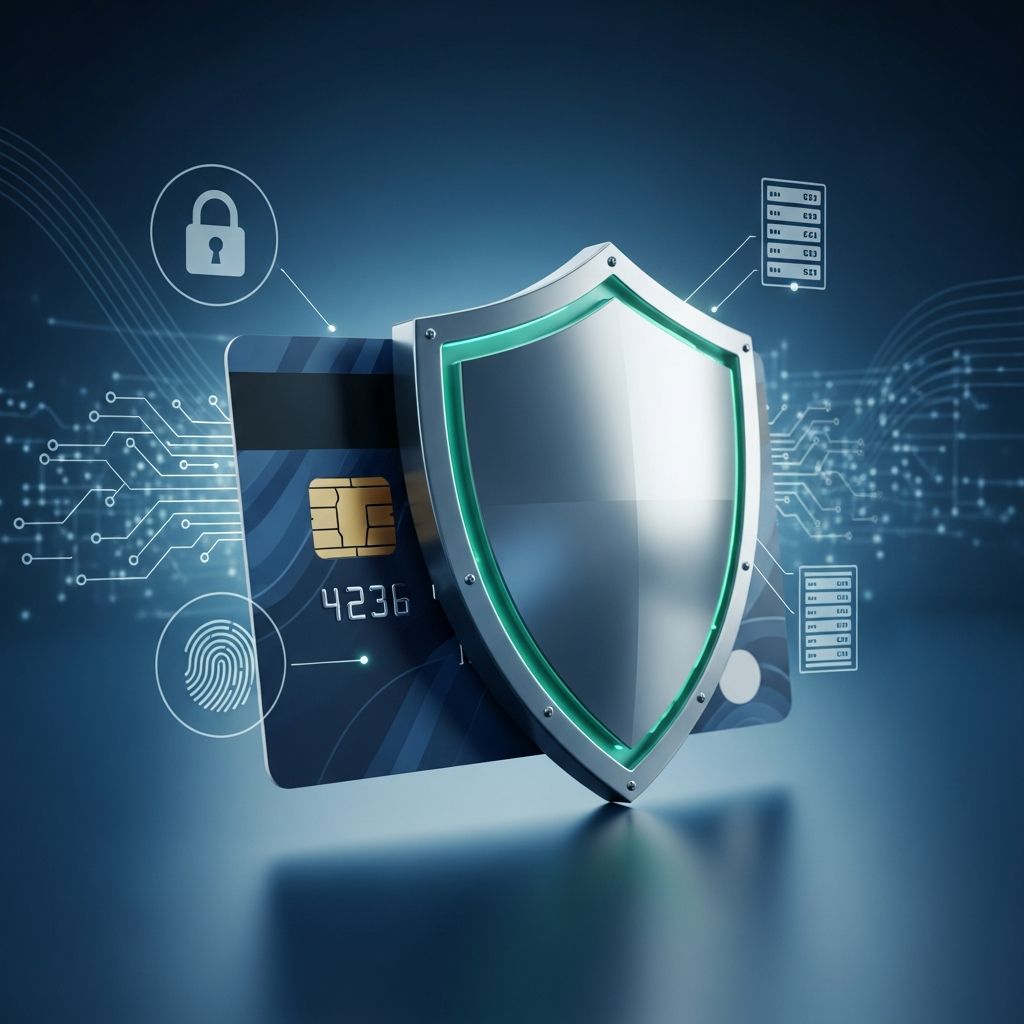
Your credit card is a gateway to convenience, but it also attracts sophisticated criminals. From physical skimmers at ATMs to digital phishing schemes, threats abound. This guide equips you with actionable strategies to minimize risks, detect issues early, and respond effectively, drawing on best practices from financial security experts.
Understanding Modern Credit Card Threats
Credit card fraud evolves rapidly, exploiting both physical and digital vulnerabilities. Common attacks include device-based theft, social engineering, and large-scale data compromises. Recognizing these helps you stay one step ahead.
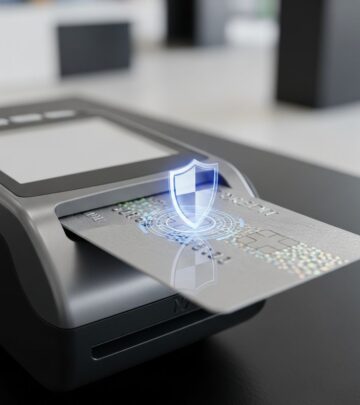
- Skimming Devices: Criminals attach illegal readers to ATMs, gas pumps, or POS terminals to capture magnetic stripe or chip data. Shimmers, thinner variants, target EMV chips.
- Phishing and Vishing: Fraudsters pose as banks via email, calls, or texts, tricking you into sharing details. These impersonate trusted entities to build false credibility.
- Data Breaches: Hackers infiltrate retailers or processors, exposing card records despite safeguards like tokenization.
- Card-Not-Present (CNP) Fraud: Stolen numbers fuel online buys without the physical card, evading easy detection.
- E-Skimming: Malicious code on websites steals data during checkout, mimicking physical skimmers.
According to financial reports, these methods account for billions in annual losses globally. Awareness is your first defense.
Fortifying Physical Card Use
In-person transactions demand vigilance. Criminals thrive in low-oversight environments like unattended kiosks.
Choosing Secure Payment Terminals: Opt for indoor ATMs in banks or well-lit stores with cameras. Tug on card readers to check for tampering—loose or mismatched parts signal skimmers. High-traffic spots deter criminals due to visibility.
Protecting Your Inputs: Always cup your hand over keypads when entering PINs. This thwarts shoulder surfing and hidden cameras.
Use chip-enabled or contactless payments preferentially. Chips create unique transaction codes, unlike static magnetic stripes. Contactless (NFC) taps further reduce exposure time.
| Payment Method | Security Level | Why It Works |
|---|---|---|
| Magnetic Stripe | Low | Static data easily cloned |
| Chip (EMV) | High | Dynamic codes per transaction |
| Contactless (NFC) | High | Tokenized data, no swipe needed |
Card Storage and Disposal: Limit cards carried to essentials. Use RFID-blocking sleeves or wallets to block wireless scans. Shred expired cards by slicing chips and stripes. Never lend cards casually—retain sight during swipes.
Mastering Online and Mobile Transactions
Digital commerce amplifies risks, as CNP fraud dominates e-commerce losses. Adopt these protocols for safer surfing.
- Verify Site Security: Confirm HTTPS and padlock icons before entering data. Avoid typing details on unfamiliar pages.
- Steer Clear of Public Networks: Public Wi-Fi invites interception. Deploy VPNs for encryption if unavoidable.
- Leverage Digital Wallets: Services like Apple Pay or Google Pay tokenize cards, sending one-time codes instead of numbers.
- Virtual Cards and No-Save Policies: Use issuer-provided virtual numbers for single-use shopping. Never store details on merchant sites.
- Mobile App Discipline: Download only from official stores. Enable biometrics (fingerprint/face ID) and update apps/devices promptly.
For mobile, treat your phone as a vault: Avoid unsecured note apps for card storage and activate remote wipe features.
Building Impenetrable Digital Defenses
Weak credentials fuel 80% of breaches. Elevate your online hygiene with these layers.
Password Mastery: Craft 12+ character passphrases mixing symbols, numbers, and unrelated words. Shun personal data like birthdays. Password managers generate/store uniques per site, curbing reuse.
Multi-Factor Authentication (MFA): Pair passwords with apps, SMS, or biometrics. Even stolen credentials hit a second wall. Emerging passkeys tie logins to devices sans passwords.
Software Vigilance: Auto-update browsers/OS to patch exploits blocking e-skimming. Install reputable antivirus; enable firewalls.
Proactive Monitoring and Alerts
Detection beats prevention alone. Routine checks catch anomalies swiftly.
- Daily/Weekly Reviews: Log into apps for real-time transaction views. Flag even $1 tests.
- Custom Alerts: Set issuer notifications for purchases over thresholds, foreign use, or new merchants.
- Credit Bureau Checks: Pull free annual reports from Equifax, Experian, TransUnion. Dispute errors promptly.
- Monitoring Services: Optional paid tools scan dark web leaks and flag risks.
Update contact info with issuers for rapid alerts via text/email.
Immediate Response to Suspicion
Time is critical post-incident. U.S. laws cap liability at $50 if reported promptly.
- Contact Issuer: Call 24/7 fraud lines to freeze/dispute.
- Report to Authorities: File FTC complaints at IdentityTheft.gov; notify police for theft[general knowledge].
- Freeze Credit: Halt new accounts via bureaus.
- Replace Cards: Request new numbers/PINs.
Act within 60 days of statements for max protection.
Frequently Asked Questions (FAQs)
What should I do if I spot a suspicious charge?
Report it immediately to your issuer via app/phone. Most offer zero-liability policies.
Is using debit safer than credit?
No—credit shields bank funds during disputes.
How often should I check my statements?
Weekly online; monthly full reviews.
Do VPNs fully protect online buys?
They encrypt traffic but pair with HTTPS/digital wallets.
What if my card is skimmed abroad?
Contact issuer collect; many have global support[general].
Implementing these habits transforms vulnerability into resilience. Consistent application across physical, digital realms ensures your financial security.
References
- How to Prevent Credit Card Fraud: Online Shopping and General Tips — FRSecure. 2023. https://frsecure.com/blog/preventing-credit-card-fraud/
- 12 Tips on Credit Card Safety 101 — BankUnited. 2024. https://www.bankunited.com/resource-corner/credit-card-safety-101
- 10 tips to prevent credit card fraud and keep your card safe — Fidelity. 2025. https://www.fidelity.com/learning-center/personal-finance/10-credit-card-security-tips
- Six Simple Rules for Safe Credit Card Handling — Acumera. 2022-11-28. https://www.acumera.com/blog/network-security/six-simple-rules-for-safe-credit-card-handling/
- Credit Card Safety Tips — Polam Federal Credit Union. 2024. https://polamfcu.com/blog/credit-card-safety-tips/
Similar Articles








Read full bio of medha deb