Protect Yourself After Your Checkbook Is Stolen
Essential steps to secure your finances after checkbook theft and prevent fraud.
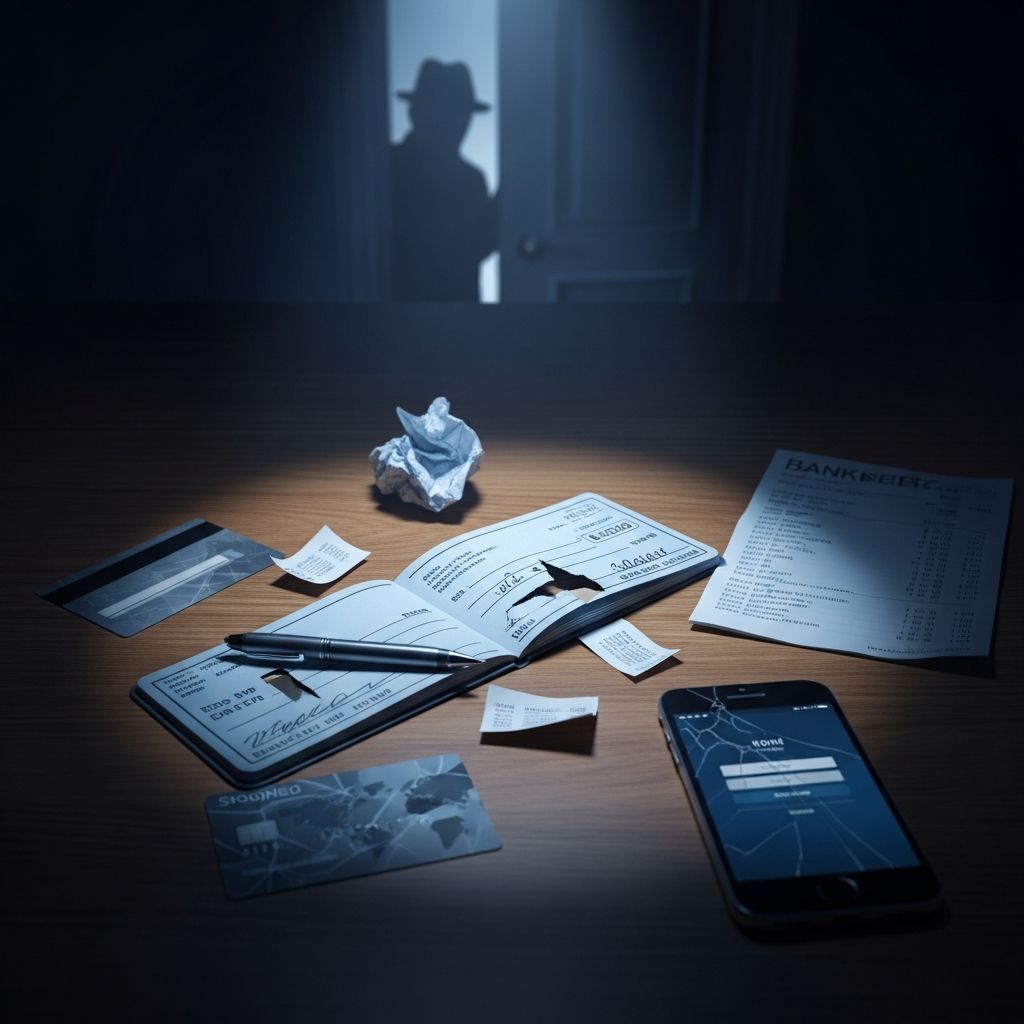
How to Protect Yourself After Your Checkbook Is Stolen
Discovering that your checkbook has been stolen can be alarming and stressful. However, taking immediate and strategic action can significantly minimize potential damage to your finances and personal information. When facing this situation, understanding the proper steps to take is crucial to protecting your assets and credit. By acting quickly and methodically, you can substantially reduce the risk of unauthorized transactions and identity theft.
Immediate Actions to Take When Your Checkbook Is Stolen
The first few hours after discovering your checkbook is missing are critical. Time is your most valuable asset in preventing fraudulent check activity. The sooner you respond, the better your chances of stopping criminals before they cash stolen checks.
Contact Your Bank Right Away
Your first priority should be calling your bank’s fraud department immediately. When you contact your financial institution, provide them with specific information about when you discovered the theft and which checks might be missing. Request that your bank place a stop payment order on the missing checks. This action prevents the checks from clearing your account even if someone attempts to cash them. Your bank can also place a fraud alert on your account and monitor it for suspicious activity. Many banks have dedicated fraud departments available 24/7, so don’t hesitate to call outside regular business hours.
Obtain Your Check Numbers
Provide your bank with the check numbers of the stolen checks. If you have records of which checks were in your checkbook when it went missing, this information is invaluable. Your bank can use these numbers to monitor your account and flag any attempts to cash those specific checks. If you don’t have the exact numbers, describe approximately how many checks were missing and their general range.
Request Account Monitoring
Ask your bank to implement enhanced monitoring on your checking account. Many financial institutions offer this service, which involves closer scrutiny of transactions and alerts for any unusual activity. This extra layer of protection can help catch fraudulent checks before they cause significant damage.
Understand Your Legal Protections
State and federal laws provide significant protection for victims of check fraud. Understanding your rights can help you navigate the recovery process more effectively.
Forged Signature Protection
If someone forges your signature on a stolen check, state law generally protects you from liability for that fraudulent transaction. Your bank is required to investigate and typically must credit your account for the unauthorized amount. This protection applies as long as you can demonstrate you did not authorize the check. Document everything and provide your bank with any evidence of the theft.
Blank Check Vulnerability
If the stolen checks were blank or partially blank, your legal protections are more limited. You generally cannot recover funds if someone fills in their own name and amount on a blank check you signed. This is why secure storage and monitoring of your checkbook is so important. Never leave signed blank checks unattended.
Electronic Transfer Protections
If stolen checks are processed as electronic transfers through the Automated Clearing House (ACH) system, federal law provides additional protections beyond what applies to standard check processing. These enhanced protections can work in your favor during the recovery process.
Monitor Your Bank and Credit Accounts
Vigilant monitoring is essential after your checkbook is stolen. Fraudsters often attempt multiple transactions, and catching these early can save you significant money and stress.
Review Bank Statements Regularly
Check your bank statements daily for at least the first few weeks after the theft, and continue regular monitoring for several months. Look for checks you don’t recognize, unusual transactions, or suspicious activity. Many banks provide online banking access that allows you to monitor transactions in real-time. Set up transaction alerts to receive notifications about activity on your account immediately.
Verify Check Images
When reviewing your statements, take advantage of your bank’s check image feature if available. Examine images of cleared checks to verify that the payee information hasn’t been altered and that your signature wasn’t forged. Look for signs of check washing, such as altered amounts or recipient names that appear suspicious. If you spot any discrepancies, report them to your bank immediately.
Maintain a Check Register
Keep detailed records of all checks you issue, including the check number, payee, date, and amount. Compare this information against your bank statements to identify any checks that cleared without your authorization. This documentation provides evidence if you need to dispute fraudulent transactions with your bank.
Address Credit and Identity Theft Concerns
Check theft often goes hand-in-hand with identity theft, as criminals gain access to your personal information. Taking preventive steps to protect your credit is crucial.
Contact Credit Bureaus
Reach out to the three major credit bureaus1Equifax, Equifax, Experian, and TransUnion1to request a fraud alert on your credit file. This alert notifies potential creditors that you may be a victim of identity theft and requires them to verify your identity before opening new accounts in your name. A fraud alert typically lasts for one year and is free to request.
Consider a Credit Freeze
For more comprehensive protection, consider placing a credit freeze on your credit reports. This prevents anyone from accessing your credit without your explicit permission, making it much harder for criminals to open fraudulent accounts. While a freeze may require additional steps when you want to apply for credit yourself, the security benefit is substantial.
Request a Credit Report
Request a free credit report from each of the three major credit bureaus and review them carefully for any accounts or inquiries you don’t recognize. Look for signs that someone has attempted to open credit in your name. If you find suspicious activity, report it to the credit bureau and file a dispute. Consider placing a security freeze or extended fraud alert if you discover unauthorized accounts.
Report the Theft to Authorities
Filing official reports creates a paper trail and may help authorities investigate and prosecute the perpetrators.
Local Police Report
Contact your local police department and file a formal report about the checkbook theft. Provide them with details about when you discovered the theft, what information is in the checkbook, and any circumstances surrounding the loss. Request a copy of the police report, as you may need it when disputing charges or communicating with your bank.
Postal Inspection Service
If you suspect the checks were stolen from the mail, contact the U.S. Postal Inspection Service. They investigate mail theft and check fraud and can provide valuable resources and guidance. If checks were stolen from collection boxes or mail carriers, the Postal Inspection Service takes these matters seriously and may be able to assist in your case.
Federal Trade Commission Report
File a report with the Federal Trade Commission through IdentityTheft.gov. This creates an official record of the identity theft and provides you with a personalized recovery plan. The FTC uses this information to identify patterns and investigate widespread fraud schemes. Your report also helps law enforcement agencies track criminal activity.
Dispute Fraudulent Transactions
If criminals do manage to cash stolen checks or open fraudulent accounts using information from your checkbook, take immediate action to dispute these transactions.
Contact Your Bank’s Fraud Department
Report any fraudulent checks or unauthorized transactions to your bank’s fraud department as soon as you discover them. Provide specific details about each fraudulent transaction, including the check number, amount, date cleared, and any other relevant information. Your bank will investigate and typically credit your account if the transaction is confirmed as fraudulent.
Dispute Credit Card and Utility Accounts
If criminals have used your information to open credit cards, utility accounts, or other services, contact the fraud departments of each creditor. Dispute the unauthorized charges and request that the accounts be closed. This prevents criminals from continuing to use accounts fraudulently and stops additional charges from accumulating.
Document Everything
Keep detailed records of all communications regarding the theft and fraudulent transactions. Save copies of police reports, credit bureau correspondence, bank statements, and any other relevant documentation. This paper trail is valuable evidence if you need to pursue the matter further or if questions arise during the investigation.
Prevent Future Check Theft
While recovering from a checkbook theft is important, preventing future incidents is equally critical. Implement these protective measures going forward.
Use Secure Writing Instruments
When writing checks, use black gel pens rather than ballpoint pens. The pigments in gel pens seep into the check paper, making it significantly harder for criminals to chemically “wash” the check and remove the information. Gel pen ink is much more resistant to the solvents that criminals commonly use.
Mail Checks Securely
Never leave outgoing checks in your curbside mailbox or other unsecured locations. Instead, deposit them in secure USPS collection boxes or directly at the post office. Timing is also important—deposit checks close to the last mail pickup time to minimize how long they sit in collection boxes where they might be vulnerable to theft.
Store Your Checkbook Safely
Keep your checkbook in a secure location, such as a safe or locked drawer. Don’t carry more checks than necessary, and keep them separate from your wallet. Never leave your checkbook unattended in your car, at work, or in other public places.
Use Electronic Payments When Possible
The best defense against check fraud is to minimize your reliance on paper checks altogether. Most regular monthly payments can be made online from your checking account without fees. For sending money to individuals, consider digital payment methods like Zelle, peer-to-peer payment apps, or direct bank transfers. Electronic payments offer superior security features, including encryption and transaction verification, that physical checks cannot match.
Monitor Your Mail
Retrieve mail from your mailbox promptly to reduce the window of opportunity for theft. If you’re traveling, request that the USPS hold your mail until you return or ask a trusted neighbor to retrieve it daily. Consider signing up for USPS Informed Delivery, a free service that sends you photos of incoming mail, allowing you to track when checks should arrive.
Shred Sensitive Documents
When you no longer need checks or documents containing your banking information, shred them securely rather than throwing them in the trash. Dumpster diving is a common technique used by identity thieves to obtain personal and financial information.
Frequently Asked Questions
Q: How long does it take for a bank to investigate check fraud?
A: Banks typically complete their investigation within 10 business days, though complex cases may take longer. Provisional credits are often issued while the investigation is underway, and the credit becomes permanent once fraud is confirmed.
Q: Can I get my money back if a stolen check is cashed?
A: Yes, if someone forges your signature on a stolen check, state law protects you, and your bank must investigate and credit your account. However, if the check was blank and someone filled it in, recovery is more difficult.
Q: Should I close my checking account after theft?
A: Consult with your bank about whether closing the account is necessary. In many cases, placing a stop payment order and implementing fraud alerts is sufficient, and closing your account may complicate bill payments and direct deposits.
Q: What is check washing and how can I prevent it?
A: Check washing is a technique where thieves use chemicals to remove information from checks and rewrite them. Using gel pens, mailing checks securely, and monitoring your account help prevent this fraud method.
Q: How often should I review my credit report after checkbook theft?
A: Review your credit report immediately, and then check it again three to six months after the theft. Continue monitoring for unauthorized accounts or inquiries for at least one year.
References
- 3 Ways to Help Protect Yourself From Check Fraud — Charles Schwab. 2024. https://www.schwab.com/learn/story/ways-to-help-protect-yourself-from-check-fraud
- I wrote a check, but it was stolen and cashed by the thief. What can I do? — Consumer Financial Protection Bureau. 2024. https://www.consumerfinance.gov/ask-cfpb/i-wrote-a-check-but-it-was-stolen-and-cashed-by-the-thief-what-can-i-do-en-991/
- How to Avoid Check Theft — Penn State Extension. 2024. https://extension.psu.edu/how-to-avoid-check-theft/
- Understanding and Preventing Check Fraud — F&M Bank. 2024. https://www.fmbanknow.com/understanding-and-preventing-check-fraud-a-guide-from-fm-bank/
- Protect Yourself from Check Fraud — First National Bank of Pandora. 2024. https://www.e-fnb.com/check-fraud/
- Essential tips for preventing check fraud — U.S. Bank. 2024. https://www.usbank.com/financialiq/manage-your-household/protect-your-assets/essential-tips-for-preventing-check-fraud.html
- Check Washing — United States Postal Inspection Service. 2024. https://www.uspis.gov/news/scam-article/check-washing
Similar Articles








Read full bio of Sneha Tete