19 Free or Cheap Tips to Protect Your Home from Storms, Floods
Storm-proof your home on a budget with these 19 free or low-cost strategies to shield against wind, rain, and flooding damage.

Storms and floods can strike without warning, causing significant damage to homes and leading to costly repairs. The good news is that storm-proofing your home doesn’t always have to cost a fortune. With some planning and low-cost measures, you can significantly reduce the risk of wind, rain, and water damage. This guide outlines
19 free or cheap tips
drawn from expert recommendations to help you fortify your property against severe weather. Whether you’re preparing for hurricanes, heavy rains, or flash floods, these strategies focus on prevention using everyday items and simple DIY methods.According to the Federal Emergency Management Agency (FEMA), proactive steps like clearing debris and securing loose items can prevent up to 80% of common storm-related damages in many cases. By implementing these tips before the next big storm hits, you’ll not only protect your home but also save thousands in potential repair costs.
Why Storm-Proofing Matters Now More Than Ever
Climate patterns are shifting, with increased frequency and intensity of storms reported across the U.S. In 2023 alone, severe weather events caused over $90 billion in damages, per NOAA data. Homes in flood-prone areas or coastal regions face the highest risks, but inland properties aren’t immune to high winds and flash flooding. Starting with free actions like yard cleanup sets the foundation for more involved protections.
1. Clear Your Gutters and Downspouts
Clogged gutters are a leading cause of water damage during storms. Leaves, twigs, and debris accumulate, causing overflow that soaks siding, foundations, and interiors.
Free tip:
Climb a ladder (safely) and remove buildup using gloves and a garden trowel. For downspouts, flush them with a garden hose. Do this twice a year or after fall leaf drop. This simple maintenance prevents thousands in water intrusion costs.2. Trim Overhanging Tree Branches
Heavy winds turn branches into projectiles that can shatter windows or puncture roofs.
Cheap method:
Use pruning shears or a pole saw (under $20 at hardware stores) to cut branches extending over your roof or near power lines. Hire a pro only if branches are large—otherwise, DIY in under an hour. Aim for branches within 10 feet of your home.3. Secure Outdoor Furniture and Decor
Patio chairs, grills, and planters become hazards in gusty winds.
Free action:
Bring lightweight items indoors or into a garage. For heavier pieces like tables, tie them down with bungee cords or rope to fixed structures like deck railings. Stack and cover with tarps secured by bricks. This prevents dents, broken windows, and neighbor disputes.4. Install Storm Shutters on a Budget
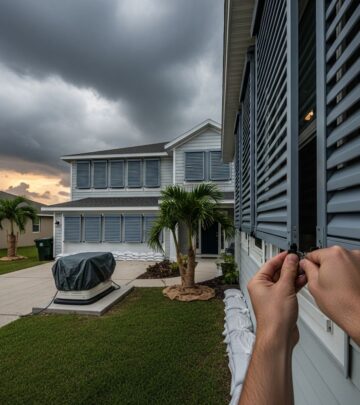
Plywood is the cheapest window protection. Measure windows ahead and cut plywood sheets (1/2-inch thick marine-grade recommended) to fit snugly. Store them labeled. During storms, screw them into predrilled frames. Cost: $1-2 per square foot. Alternatives include foam boards or adhesive plastic sheeting for under $50 total.
- Pro tip: Use 2×4 furring strips on the outside for extra strength.
- Practice installation before storm season.
5. Reinforce Garage Doors
Garage doors often fail first in high winds, creating entry points for rain and debris.
DIY fix:
Brace with horizontal 2x4s across the door, secured with braces or a kit ($30-50). Check manufacturer instructions for wind-rated reinforcements. This can withstand 100+ mph gusts.6. Seal Windows and Doors
Drafts and leaks worsen during storms.
Cheap seals:
Apply self-adhesive weatherstripping ($10 roll) around frames. Use caulk for cracks and silicone sealant for gaps. For doors, add door sweeps. Test with a wet finger or incense smoke to find leaks.7. Elevate Outdoor Electrical Outlets
Floodwater shorts plugs and appliances.
Free/cheap:
Use outlet caps or covers ($5 pack). For permanent fix, install GFCI-protected elevated boxes (under $20 each). Turn off breakers during floods.8. Build Sandbag Barriers
Sandbags are classic flood defense. Fill poly bags (buy 100 for $40) with dirt/sand from your yard—free filler. Stack in pyramid shape around doors, 2-3 layers high. Alternatives: Water-filled tubes or plastic sheeting trenches. Practice stacking for efficiency.
| Method | Cost | Effectiveness |
|---|---|---|
| Sandbags | $0.40 each | High for 2-3 ft water |
| Water Tubes | $2 each | Medium, easier fill |
| Trenching | Free | Low, diverts water |
9. Clear Drains and Culverts Near Your Property
Blocked street drains cause backyard pooling.
Community effort:
Shovel debris from curbside grates. Report persistent clogs to city services—free. Keeps water flowing away from foundations.10. Stock Up on Plastic Sheeting and Tarps
For roof leaks or broken windows.
Prep kit:
Buy heavy-duty tarps ($10-20) and tuck tape. Post-storm, cover damaged areas immediately to prevent interior flooding. Staple or nail securely.11. Anchor Your Shed or Outbuildings
Loose structures fly in winds.
DIY anchors:
Use concrete blocks and straps ($15). Drive rebar stakes through base corners into ground. Check local codes.12. Protect Your AC Unit
Outdoor condensers are wind magnets.
Simple shield:
Build plywood enclosure or strap unit to base. Cover with tarp during storms. Post-event, clean debris promptly.13. Mulch Around Foundation
Prevents soil erosion and water splashback.
Cheap:
Spread 2-3 inches of free wood chips from local arborists or buy bags ($4 each). Keeps foundation dry.14. Install Door Board-Ups
Like windows, brace exterior doors with plywood or 2×4 crossbars. Drill pilot holes for quick install.
15. Check Roof Vents and Flashing
Seal with roofing cement ($8 tube). Cover ridge vents with mesh screens to block debris.
16. Landscape for Water Diversion
**Free redesign:** Slope soil away from house, dig shallow swales. Plant water-absorbing shrubs downhill.
17. Gather Emergency Supplies Early
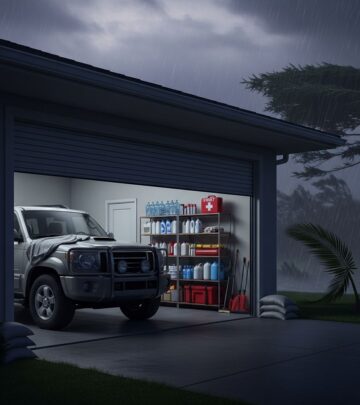
No-storm prep: Water (1 gal/person/day), nonperishables, flashlight, batteries, radio, meds. Assemble kit for $50 or less using pantry staples.
18. Know Your Flood Zone and Elevation
Use FEMA maps (free online) to assess risk. Elevate valuables on blocks if prone.
19. Post-Storm Cleanup Plan
Wear gloves, boots; avoid downed lines. Document damage for insurance. Dry interiors within 48 hours to prevent mold.
Frequently Asked Questions (FAQs)
What are the cheapest ways to flood-proof my home?
The most budget-friendly options include clearing gutters, using sandbags, and weatherstripping— all under $50 total with high impact.
How much do plywood shutters cost for an average home?
For 10 windows, expect $100-200 in materials, reusable for years.
Can renters storm-proof their homes?
Yes, focus on portable fixes like sandbags, tarps, and indoor prep with landlord permission for semi-permanent changes.
What’s the first step before any storm?
Clear your yard of all loose items to eliminate flying debris risks.
Do these tips work for non-hurricane storms?
Absolutely—effective against thunderstorms, tornadoes, and heavy rains nationwide.
References
- Flood-Resilient Homes: Practical Steps for Protection — Federal Emergency Management Agency (FEMA). 2024-06-15. https://www.fema.gov/emergency-managers/risk-management/building-science/flood-resistant-provisions
- Hurricane Preparedness: Wind and Flood Mitigation — National Oceanic and Atmospheric Administration (NOAA). 2025-03-10. https://www.noaa.gov/hurricanes-preparedness
- Technical Bulletin 10-01: Flood Damage-Resistant Materials — U.S. Department of Homeland Security/FEMA. 2023-11-01. https://www.fema.gov/sites/default/files/2020-07/technical-bulletin-10-01.pdf
- Billion-Dollar Weather and Climate Disasters — National Centers for Environmental Information (NCEI), NOAA. 2025-01-08. https://www.ncei.noaa.gov/access/billions/state-summary/US
- Homeowner’s Guide to Retrofitting: Six Ways to Protect Your House from Flooding — University of North Carolina at Chapel Hill (FEMA P-312). 2022-09-20. https://hazards.colorado.edu/wp-content/uploads/2022/06/FEMA_P-312_2nd_edition.pdf
Similar Articles








Read full bio of medha deb