Large Employers: 5 Benefits And 4 Drawbacks To Consider
Explore the key advantages like robust benefits and stability alongside challenges such as bureaucracy in working for major corporations.
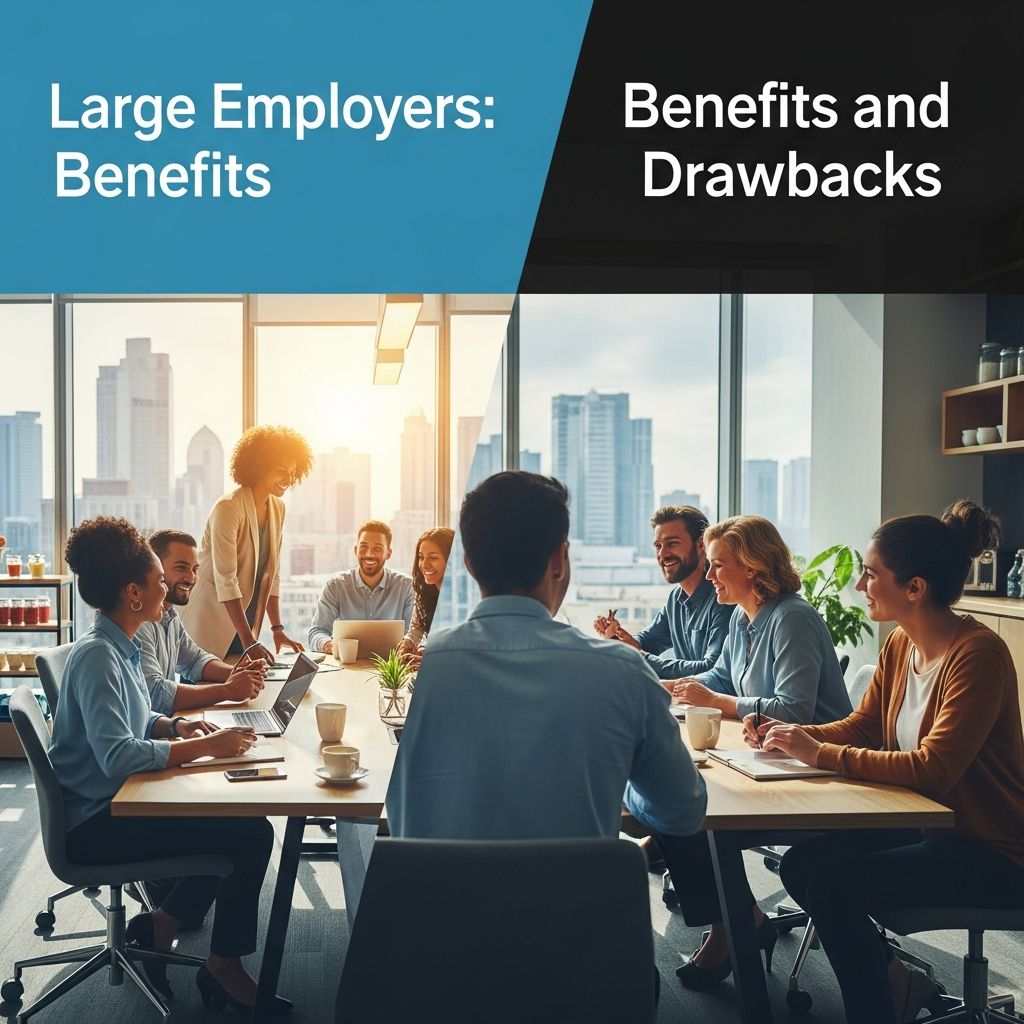
Large employers, often defined as corporations with thousands of employees and global reach, provide distinct workplace experiences compared to smaller firms. These organizations offer structured environments with substantial resources, but they also present unique hurdles for workers seeking rapid growth or personal impact.
Key Advantages of Joining a Major Corporation
Corporations with extensive operations excel in delivering employee value through scale-driven perks and opportunities. Their size enables investments that smaller entities cannot match.
Superior Compensation Packages
Major companies leverage their financial strength to provide higher base salaries, performance bonuses, and incentives. Employees in skilled positions, such as network professionals, frequently receive above-average pay along with variable compensation tied to results. This structure supports financial planning and long-term wealth building.
- Competitive salaries benchmarked against industry standards.
- Bonuses linked to individual or team achievements.
- Equity options or stock grants in publicly traded firms.
Comprehensive Benefits and Perks
Large employers negotiate favorable terms with vendors due to their employee volume, resulting in generous health plans, dental coverage, and vision care at reduced costs. Additional amenities often include 401(k) matching, on-site facilities like gyms or cafeterias, and remote work stipends.
| Benefit Type | Typical Offering in Large Firms |
|---|---|
| Health Insurance | Multiple plans with low premiums and high coverage limits |
| Retirement | 401(k) with employer match up to 6% |
| Wellness | On-site gyms, childcare, tuition reimbursement |
| Flexibility | Remote stipends, flexible hours |
Enhanced Job Security and Stability
The scale of large companies provides a buffer against economic downturns. Firms delivering essential services rarely resort to widespread layoffs, offering peace of mind for employees with families or long-term commitments. Established brands also carry reputational weight on resumes.
Abundant Professional Development Resources
Internal training programs, workshops, and conferences abound, allowing skill enhancement without external costs. Employees can transition between departments, gaining diverse experience while staying within the organization.
- Structured leadership tracks and mentorship programs.
- Access to global networks for collaboration.
- Tuition assistance for advanced degrees.
Broad Networking Opportunities
Working alongside industry leaders and diverse teams fosters connections that propel careers. Large talent pools enable exposure to varied perspectives, aiding future job searches or promotions.
Significant Challenges in Corporate Environments
Despite the attractions, large employers’ complexity introduces friction that can hinder personal fulfillment and efficiency.
Bureaucratic Hurdles and Slow Decision-Making
Multi-layered hierarchies demand approvals through chains of command, delaying projects and stifling agility. Rigid policies prioritize stability over innovation, making these firms risk-averse.
Impersonal Culture and Limited Recognition
In vast workforces, individual contributions often go unnoticed amid competition for visibility. Management feels distant, reducing the sense of belonging compared to tighter-knit teams. Standing out requires navigating politics rather than pure merit.
Restricted Role Flexibility and Innovation
Specialized positions limit cross-functional exposure, narrowing skill sets. Creativity suffers under standardized procedures, frustrating those who thrive on autonomy.
| Challenge | Impact on Employees |
|---|---|
| Bureaucracy | Delayed initiatives and frustration |
| Impersonal Dynamics | Reduced motivation and visibility |
| Specialization | Limited broad experience |
| Competition | Stressful internal rivalries |
Slower Career Progression
While paths exist, advancement demands patience due to seniority-based systems. High competition means promotions are scarce, potentially leading to stagnation.
Strategic Considerations for Career Decisions
Choosing a large employer suits those prioritizing stability and resources over speed and impact. Early-career professionals benefit from foundational training, while mid-level workers value perks for work-life balance.
Assess personal goals: If financial security and structured growth appeal, large firms deliver. For entrepreneurial spirits, the constraints may outweigh benefits.
Long-Term Career Implications
Time in a large company builds credentials, but prolonged stays risk typecasting. Strategic moves to smaller firms later can leverage gained expertise for leadership roles.
Frequently Asked Questions
Do large companies always pay more?
Generally yes, due to resources, but total compensation varies by role and location. Bonuses and equity can significantly boost earnings.
Is job security guaranteed in big firms?
No firm is immune, but large ones weather recessions better owing to diversification.
Can I advance quickly in a corporation?
Progression is structured but competitive; standout performance and networking accelerate it.
Are perks worth the bureaucracy?
Depends on priorities—stability seekers find value, innovators may not.
How does culture differ from small companies?
Large firms offer formality and scale; small ones provide intimacy and agility.
Final Thoughts on Aligning Choices with Goals
Weighing large employers requires balancing tangible gains against intangible costs. Research specific companies via Glassdoor reviews and employee networks to gauge fit. Ultimately, the best choice aligns with your values, risk tolerance, and aspirations.
References
- Size Matters, pros and cons of large Vs. large employers — Buysiderec. 2023. https://buysiderec.com/resources/insight-post-title-copy-2
- Pros and Cons of Working for a Small vs. Large Company — Pascoe Workforce Solutions. 2024-01-15. https://www.pascoeworkforcesolutions.com/pros-and-cons-of-working-for-a-small-vs-large-company/
- Working for a large company vs small company: pros and cons — BetterUp. 2023-05-10. https://www.betterup.com/blog/benefits-of-working-for-a-large-company-vs-small-company
- Pros & Cons: Working for Large Companies vs Small Businesses — FlexJobs. 2024. https://www.flexjobs.com/blog/post/pros-cons-working-large-companies-v2
- Job Hunting 101: Advantages and Disadvantages of Working for Large or Small Companies — Execs Allied. 2023-08-20. https://www.execsallied.com/job-hunting-101-advantages-and-disadvantages-of-working-for-large-or-small-companies/
- Pros and Cons of Working for Big Corporations vs SMBs in Network — Franklin Fitch. 2024-02-01. https://www.franklinfitch.com/us/resources/blog/pros-and-cons-of-working-for-big-corporations-vs-smbs-in-network/
Similar Articles








Read full bio of Sneha Tete