Pros and Cons of Consolidating Your Debt
Explore the advantages and disadvantages of debt consolidation to decide if it's right for you.

Managing multiple monthly debt bills with different due dates and payment amounts can feel overwhelming and strain your budget. Debt consolidation, where you combine multiple debts into a single payment, can make the process easier and potentially save you money. However, this debt management strategy isn’t the right move for everyone. Understanding the advantages and disadvantages of debt consolidation is crucial before making a decision that could significantly impact your financial future.
What Is Debt Consolidation?
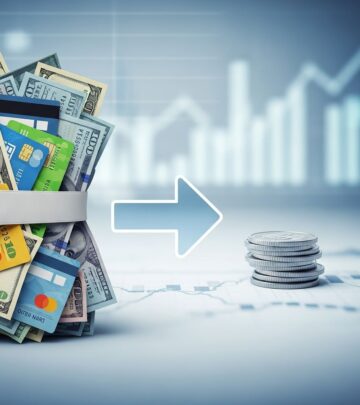
Debt consolidation involves taking out a new loan or credit line to pay off existing debts, combining multiple obligations into one manageable payment. This strategy can involve personal loans, balance transfer credit cards, home equity loans, or lines of credit. The goal is typically to secure a lower interest rate, reduce your monthly payment, or simplify your financial obligations. By consolidating your debts, you’re essentially replacing multiple creditors with a single lender, streamlining your repayment process.
Pros of Debt Consolidation
Simplify Your Monthly Payments
One of the most compelling advantages of debt consolidation is the simplification of your finances. Remembering to pay all your bills on time can be challenging when you’re juggling multiple debt payments every month with different due dates and amounts. Rolling all—or most—of your debts into a single payment can help you stay organized and avoid late or missed payments. This unified approach reduces the cognitive load of managing finances and decreases the likelihood of accidentally missing a payment deadline, which could damage your credit score.
Save Money on Interest and Pay Off Debt Faster
The best debt consolidation loans can enable you to get out of debt faster by freeing up more cash to pay down what you owe. If you secure a lower interest rate through consolidation, more of your money will go toward the loan principal each month rather than interest charges. This allows you to save money overall and pay your debts down more quickly. For example, if you’re paying 18% interest on a credit card balance but can consolidate at 7%, the difference in interest costs can be substantial over time.
Reduce Monthly Spending on Debt
If you need to free up money to improve your monthly cash flow, debt consolidation can help with that too. By replacing high-interest debt with a lower-interest loan, you can take the monthly savings from the reduced interest and use that to pay other bills or build an emergency fund. You may even be able to get approved for a consolidation loan with a relatively low interest rate and a longer repayment term, further reducing your monthly spending on debt. However, there’s an important tradeoff to consider: while your monthly payment might be lower, you’re not technically “saving” money because the longer loan term means you will pay more in interest over the life of the loan.
Improve Your Credit Score Over Time
When you first take out a debt consolidation loan, your credit score is likely to dip slightly since you’re applying for a new loan and potentially closing existing accounts. But that drop should be short-lived. As you make on-time payments on the new loan and reduce your overall debt, your credit score should improve. Demonstrating consistent payment history and lowering your credit utilization ratio are both positive signals to credit bureaus. Over time, responsible management of your consolidation loan can significantly boost your creditworthiness.
Bring Past-Due Accounts Current
If you have past-due accounts, consolidation can help you bring them current by paying off the delinquent balances in full. This is particularly valuable if you’ve fallen behind on payments and want to rehabilitate your credit. By addressing these past-due accounts through consolidation, you eliminate the ongoing negative impact of delinquency on your credit report and can start fresh with a single, manageable payment.
Cons of Debt Consolidation
Upfront Fees and Costs
There are upfront costs associated with debt consolidation because lenders charge fees for originating the credit or transferring balances. Balance transfer credit cards typically charge between 3% to 5% of the debt being transferred, and debt consolidation loans and home equity loans also have varying origination fees. These fees can add thousands of dollars to your total debt burden before you even begin paying down the principal. Before consolidating, calculate whether the interest savings will outweigh these upfront costs.
Interest Rates May Not Be Favorable
Many benefits of debt consolidation hinge on getting a lower interest rate compared to the rates on your existing debts. But that might not be possible, especially if you have fair or poor credit. For this reason, debt consolidation is a strategy best-suited for borrowers with strong credit scores. Borrowers with lower credit scores might get a loan offer with a better APR than high-interest credit cards but still higher than other debts you might have, such as a car loan. If you can’t secure a favorable interest rate, you may not realize the savings you anticipated, making consolidation less attractive.
Risk of Falling Deeper Into Debt
Debt consolidation only works if you’re able to pay off the new loan on time. If you’re still accruing debt—especially high-interest debt like credit card charges—taking out a new loan or credit line is a significant risk. You could end up even further in debt and worse off financially than before consolidation. If your debt consolidation loan is backed by your home equity, you could even risk losing your home if you fail to make payments. Additionally, if consolidation frees up credit card balances, the temptation to accumulate new debt on those cards could undermine your entire consolidation strategy.
Your Credit Could Suffer if You Miss Payments
In some instances, consolidating debt can increase your monthly payment instead of lowering it, particularly if you’re currently paying just the minimum amount due on your credit cards. If your new monthly payment is unaffordable, missing even a single payment by 30 days can damage your credit score considerably. The negative impact of missed payments on a consolidation loan can be severe, potentially undoing any credit score improvements you’ve made through on-time payments.
You May Not Qualify for a Favorable Offer
Getting approved for a debt consolidation loan with favorable terms requires meeting lender requirements, which typically include a decent credit score, stable income, and a manageable debt-to-income ratio. If you don’t meet these criteria, you may not qualify for consolidation at all, or you might only qualify for unfavorable terms that don’t provide the benefits you’re seeking. This is particularly problematic if you’re consolidating because you’re struggling financially.
When Is Debt Consolidation a Good Idea?
Debt consolidation could be a wise move in several situations. First, if you have high-interest debt, such as high-rate credit card or loan debt, and can qualify for a lower-rate loan to repay those balances, it could save you significant money. Second, if you have good or excellent credit, this could increase your chances of getting approved and help you secure a lower rate. Third, if tracking several monthly payments is overwhelming and you want to combine them into a single, easy-to-manage payment, consolidation offers substantial convenience. Finally, if you can afford the new monthly payment, especially if you’ve only been making minimum payments on credit cards, you should ensure the consolidation payment is sustainable before applying.
When Debt Consolidation Might Not Be Right for You
Consolidating your debt likely won’t solve your problem if you’ve built up a lot of debt because you’re spending more than you’re earning. In this scenario, debt consolidation will just kick the debt down the road until you take steps to change your spending or earning habits. Additionally, if you’re already behind on payments or have significant unsecured debt and feel that getting out of debt is a bigger priority than protecting your credit, debt relief options might be more appropriate than consolidation.
Your motivation is also critical. If you’re confident that you can stick to your debt repayment plan, which includes avoiding adding more debt while you work to pay off what you owe, consolidation can be a great fit. However, if you’re uncertain about your ability to remain motivated and don’t have plans to change your spending habits, consider addressing those behavioral issues first before pursuing consolidation.
Comparing Your Options
| Factor | Debt Consolidation | Debt Relief |
|---|---|---|
| Best For | Managing multiple payments with decent credit | Significant unsecured debt and avoiding bankruptcy |
| Credit Impact | Initial dip, then improvement with on-time payments | Significant negative impact on credit score |
| Timeline | Varies based on loan term | Can be faster but involves negotiation |
| Costs | Origination fees, potential interest savings | Settlement fees, potential tax liability |
| Payment Obligation | Legal obligation to repay full amount | Negotiated settlement amounts |
Key Considerations Before Consolidating
Before pursuing debt consolidation, it’s essential to understand why you accumulated your debts in the first place. If you’re spending more than you’re earning on a regular basis, taking out another loan won’t solve the underlying problem. Take time to evaluate your budget, identify spending leaks, and develop a realistic plan for avoiding future debt accumulation. Debt consolidation is a tool to help manage existing debt more efficiently, not a magic solution to eliminate it entirely.
Calculate the total cost of consolidation by factoring in origination fees, the interest rate offered, the repayment term, and any other costs. Compare this to the total cost of your current debts if you continued paying them individually. Only proceed with consolidation if the math clearly demonstrates savings. Also, ensure you have the discipline to avoid reopening closed credit card accounts or accumulating new debt while paying off the consolidation loan.
Frequently Asked Questions
Q: Will debt consolidation hurt my credit score?
A: Yes, initially. When you apply for a consolidation loan, your credit score will likely dip slightly due to the hard inquiry and new account. However, this impact is typically temporary. As you make on-time payments and reduce your overall debt, your score should improve over time. The key is maintaining consistent, on-time payments on your consolidation loan.
Q: Can I consolidate any type of debt?
A: Most personal debts can be consolidated, including credit card balances, personal loans, medical bills, and sometimes student loans. However, secured debts like mortgages are typically not consolidated through traditional consolidation methods. Always check with your lender about which debts are eligible for consolidation.
Q: What’s the difference between a balance transfer and a debt consolidation loan?
A: A balance transfer moves credit card debt to a new card with a lower interest rate, typically offering an introductory 0% APR period. A debt consolidation loan provides a lump sum to pay off multiple debts, resulting in a single monthly payment. Balance transfers work best for credit card debt only, while consolidation loans can address multiple debt types.
Q: How long does debt consolidation take?
A: The application process typically takes 1-7 days, depending on the lender. Once approved and funded, your lender pays off your existing debts immediately. Your repayment timeline then depends on your chosen loan term, which could range from 2-7 years or more.
Q: Is debt consolidation the same as debt settlement?
A: No. Debt consolidation involves taking out a new loan to pay off existing debts in full. Debt settlement negotiates with creditors to pay less than what you owe. Settlement typically damages your credit more severely and has tax implications, but it can be appropriate if you’re unable to repay your full debt.
Q: Can I consolidate debt if I have poor credit?
A: It’s more challenging but possible. You may face higher interest rates, larger origination fees, or require a co-signer. Consider improving your credit score first, or explore credit unions and online lenders that work with borrowers with fair or poor credit. However, if rates aren’t favorable, you might want to wait or consider alternative options.
References
- Pros and Cons of Debt Consolidation — Experian. Accessed November 2025. https://www.experian.com/blogs/ask-experian/pros-and-cons-of-debt-consolidation/
- Pros and Cons of Consolidating Your Debt — Money. Accessed November 2025. https://money.com/pros-cons-debt-consolidation/
- What Is Debt Consolidation and How Does It Work? — Money. Accessed November 2025. https://money.com/understanding-debt-consolidation/
- Debt Consolidation vs. Debt Relief: Which Is Right for You? — Money. Accessed November 2025. https://money.com/debt-consolidation-vs-debt-relief/
- How Does Debt Consolidation Affect Your Credit? — Money. Accessed November 2025. https://money.com/how-debt-consolidation-affects-credit/
Similar Articles








Read full bio of Sneha Tete