Pros and Cons of Buying a House on a Slab
Complete guide to slab foundations: weighing advantages and disadvantages for homebuyers.
When purchasing a home, one of the most important decisions involves understanding the foundation type. A concrete slab foundation is a popular choice in many regions, particularly warmer climates. Unlike homes built with basements or crawl spaces, slab foundations involve pouring a thick layer of concrete directly on the ground to serve as both the foundation and the floor of the home. This approach has become increasingly common in recent decades, offering both significant advantages and notable disadvantages for homebuyers. Understanding these factors is essential for making an informed decision about whether a slab foundation home is the right choice for you.
What is a Slab Foundation?
A slab foundation, also known as a concrete slab or slab-on-grade, is constructed by pouring a thick, reinforced concrete pad directly onto the ground. This slab serves as the foundation and floor system of the entire structure. The concrete typically ranges from four to six inches thick and is often reinforced with rebar or wire mesh to provide additional strength and durability. In many cases, plumbing lines, electrical conduits, and sometimes HVAC ducts are embedded within the concrete itself before it is poured. This integrated approach differs substantially from other foundation types like basements or crawl spaces, which create accessible spaces beneath the home.
The Advantages of Slab Foundations
Cost-Effectiveness
One of the most compelling reasons homebuyers choose slab foundations is their affordability. Slab foundations are significantly cheaper to install compared to other foundation types. As of recent market data, monolithic slab foundations cost approximately $4 to $5 per square foot, whereas crawl spaces average around $7 per square foot and basements can reach as high as $18 per square foot. This cost differential means homebuyers can save 30% to 70% on foundation construction costs by choosing a slab. The reduced expense comes from minimal excavation requirements, less labor involvement, and fewer materials needed compared to more complex foundation systems. For budget-conscious buyers, this substantial savings on the foundation alone can make a significant difference in the overall project cost or home purchase price.
Quick Installation Timeline
Slab foundations are remarkably fast to construct compared to alternative foundation types. The actual concrete pouring process takes only a few hours, though the curing and drying period requires several days before construction can proceed. Despite this drying time, the overall installation timeline remains substantially faster than excavating and constructing crawl space foundations or basement foundations, which require extensive site preparation, concrete wall construction, and additional structural work. This quicker installation means builders can proceed more rapidly with the rest of the home construction, potentially reducing overall project timelines and associated costs.
Durability and Longevity
Concrete slab foundations are renowned for their strength and durability when properly maintained. Most concrete foundations, including slabs, can last between 50 and 100 years with appropriate maintenance. The monolithic nature of slab construction means there is less concrete in contact with soil compared to other foundation types, and there is no risk of cracks developing in foundation walls in the same way they might in crawl space or basement foundations. Because the slab sits directly on the ground without the air spaces present in crawl spaces, it experiences fewer freeze-thaw cycles in northern climates and maintains greater structural integrity over extended periods.
Low Maintenance Requirements
Slab foundations require significantly less maintenance than crawl spaces, which are prone to moisture issues, mold growth, and pest infestations. Because there is no underhome space where moisture can accumulate or where rodents and insects can nest, homeowners avoid many common maintenance problems. The absence of foundation walls means there are no wall cracks to monitor or repair, and the lack of access areas eliminates the need for regular inspections of structural components underneath the home. This reduced maintenance translates directly into lower long-term costs for homeowners.
Pest Resistance
Homes built on concrete slabs are inherently less susceptible to pest infestations compared to homes with basements or crawl spaces. Termites and other wood-destroying insects cannot access the structure as easily because there is no accessible underhome space where they can establish colonies. The absence of exposed wood and the direct contact between concrete and soil create an environment that is less hospitable to common household pests. This advantage translates into reduced pest control expenses and fewer concerns about structural damage from insect activity.
Energy Efficiency
Concrete slab foundations enhance home energy efficiency in multiple ways. Since the slab sits directly on the ground with no air space beneath, homeowners do not need to condition “wasted space” underneath the home. The concrete absorbs and retains heat effectively, helping to stabilize indoor temperatures and reduce the energy required for heating and cooling. This thermal mass property means that homes with properly insulated slab foundations typically experience lower utility bills compared to homes with crawl spaces, particularly uninsulated ones. The energy savings accumulate over years of home ownership, making the initial cost-effectiveness even more attractive from a long-term financial perspective.
Accessibility and Design
Unlike homes built on basements or crawl spaces that require steps or significant grade changes at entry points, slab foundation homes sit closer to or level with the ground. This characteristic dramatically reduces or eliminates the number of steps needed to access the home, making these properties more accessible for elderly residents, people with mobility challenges, or anyone preferring single-floor living without elevation changes. The ground-level entry also improves the aesthetic appeal for many homeowners and facilitates easier movement of large furniture and appliances into the home.
The Disadvantages of Slab Foundations
Limited Access to Utilities
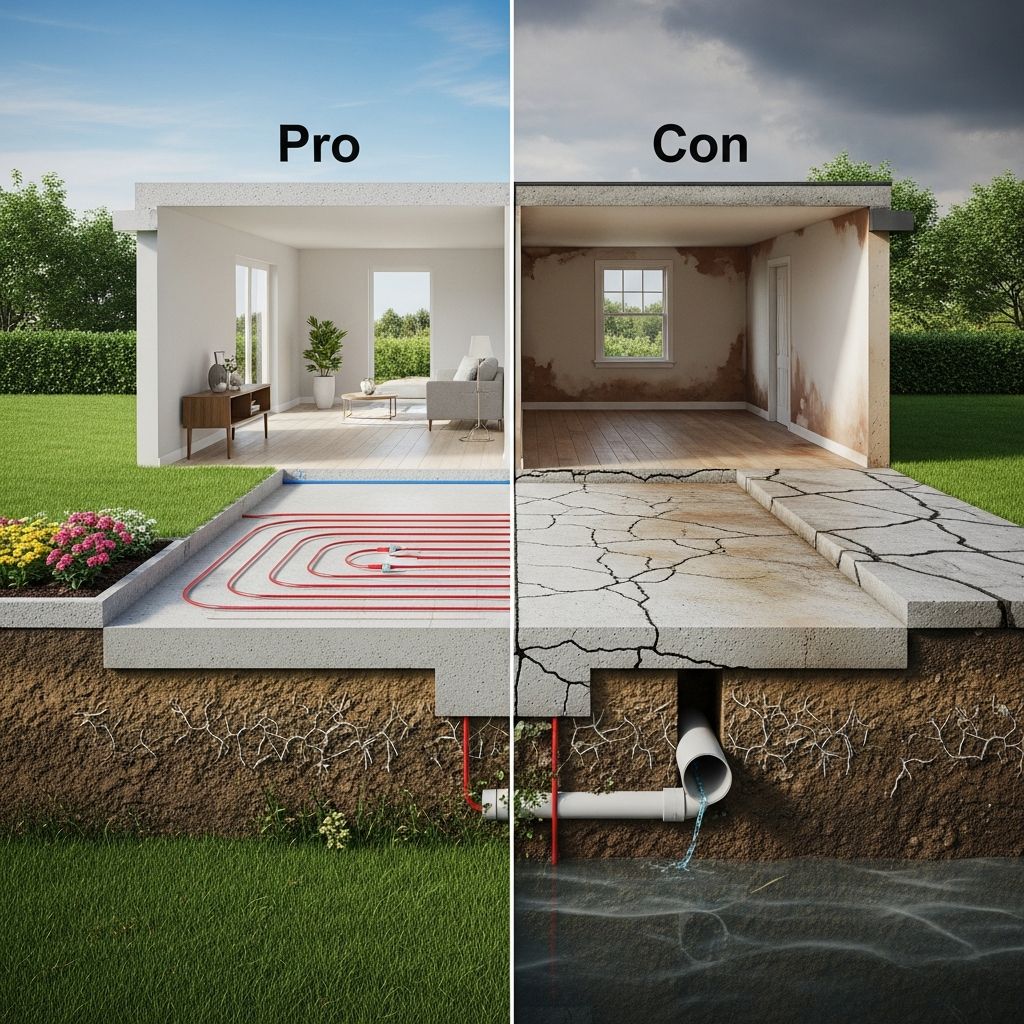
The primary disadvantage of slab foundations is the difficulty in accessing plumbing, electrical systems, and HVAC components that are embedded within the concrete. When repairs or modifications become necessary, contractors may need to break through the slab, which is disruptive, expensive, and time-consuming. A small plumbing leak or electrical problem that would require minimal intervention in a home with a crawl space could necessitate significant concrete cutting and removal in a slab foundation home. Modernizing utilities in an older slab home can be particularly expensive and complicated, potentially requiring extensive reconstruction work.
Cracking and Structural Concerns
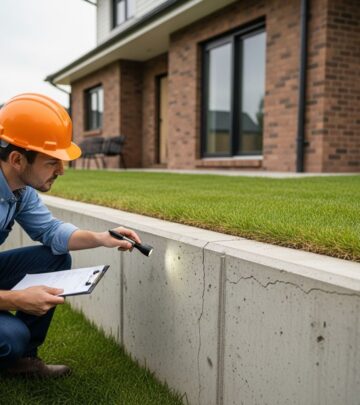
While concrete is durable, it is susceptible to cracking due to soil shifts, extreme temperature fluctuations, or settling issues. Once a crack develops in a concrete slab, repair can be costly and complicated. Small hairline cracks may be merely cosmetic, but larger cracks can indicate serious structural problems or water intrusion issues. Repairing significant cracks often requires concrete cutting, injection of repair materials, or in severe cases, partial slab replacement. The potential for expensive repairs is a significant concern for homebuyers, particularly in areas with problematic soil conditions or extreme climate variations.
Not Ideal for All Climates
Slab foundations are not optimal in all geographic locations. In areas with deep frost lines, particularly in northern regions, slab foundations may be unsuitable without special construction considerations and additional expense. Regions prone to earthquakes, flooding, or areas with high water tables present challenges for slab construction. In flood-prone areas, slab foundations offer no protection and can be damaged by water intrusion and structural compromise. Before choosing a slab foundation, homebuyers should consult with local engineers and contractors about whether slab construction is appropriate for their specific building lot and local climate conditions.
Difficult Foundation Inspections
Because slab foundations sit directly on the ground with no accessible space beneath, foundation inspections are more difficult and often more expensive than inspections of homes with crawl spaces. Foundation contractors and inspectors cannot easily access components to assess structural integrity, identify potential problems, or perform preventive evaluations. This limited access makes early detection of developing issues more challenging and may result in problems going unnoticed until they become serious and expensive.
Physical Comfort Considerations
Some homeowners find that living on a slab foundation can be harder on joints and bones due to the hard, unyielding surface beneath the home. The lack of any cushioning between the concrete floor and living spaces can contribute to discomfort, particularly for individuals with arthritis or other joint conditions. Additionally, slab homes are typically limited to single-story construction, which restricts design options and may not appeal to homebuyers who prefer multi-level living spaces.
Resale Value Implications
In regions where basements or crawl spaces are the market norm, choosing a slab foundation can negatively impact resale value. Buyer preferences vary significantly by geographic location, with many northern regions strongly preferring basements and crawl spaces. In the upper Midwest, for example, approximately 84% of homes have basements, whereas in Texas, Louisiana, and Oklahoma, less than 1% of homes feature basements, with slab foundations being the dominant standard. When selling a home in a market where slabs are uncommon, buyers may view the property less favorably, potentially reducing its market value and limiting the pool of potential purchasers.
Regional and Environmental Considerations
The appropriateness of a slab foundation depends heavily on regional factors and soil conditions. In warmer climates where frost lines are shallow, slab foundations are an excellent choice. Similarly, in areas with sandy soils, such as desert regions, or where bedrock lies close to the surface, slab construction is often the preferred option. However, in areas with high water tables or those prone to flooding, slab foundations present challenges. Before purchasing a home with a slab foundation or selecting this option for new construction, it is essential to consult with local real estate professionals, contractors, and engineers about what foundation types are most appropriate for your specific location and soil conditions.
Comparing Slab Foundations to Alternatives
| Feature | Slab Foundation | Crawl Space | Basement |
|---|---|---|---|
| Installation Cost | $4-$5/sq ft | ~$7/sq ft | ~$18/sq ft |
| Installation Time | Fast (days) | Moderate (weeks) | Slow (months) |
| Energy Efficiency | High (with insulation) | Moderate | Moderate |
| Utility Access | Difficult/Expensive | Easy | Easy |
| Maintenance Needs | Low | Moderate-High | Moderate |
| Pest Resistance | Excellent | Poor | Poor |
| Storage Space | None | Available | Extensive |
| Best Climate | Warm regions | Varied | Cold regions |
Frequently Asked Questions About Slab Foundations
Q: How long do slab foundations typically last?
A: With proper maintenance, concrete slab foundations can last between 50 and 100 years. Regular inspections and prompt repairs of any cracks or damage help extend the lifespan and maintain structural integrity throughout the foundation’s life.
Q: Can plumbing problems be fixed in a slab foundation home?
A: Yes, but repairs can be costly and invasive. Plumbing repairs may require cutting through the concrete slab to access embedded pipes. In some cases, homeowners can reroute plumbing outside the slab or use trenchless repair methods to minimize disruption.
Q: Are slab foundations suitable for cold climates?
A: Slab foundations are generally better suited to warmer climates where the frost line is shallow. In cold regions with deep frost lines, basements or crawl spaces are typically preferred to prevent frost heave issues and structural damage.
Q: What causes cracks in concrete slab foundations?
A: Common causes include soil settling, extreme temperature fluctuations, poor soil conditions, and structural shifts. Earthquakes, flooding, and inadequate compaction of soil before pouring can also contribute to cracking.
Q: Do slab foundation homes have more pest problems?
A: No, quite the opposite. Slab foundation homes are actually more resistant to pest infestations because there is no accessible underhome space where termites and other pests can nest and cause damage.
Q: Can you add a basement or crawl space to an existing slab foundation home?
A: It is technically possible but extremely expensive and impractical. The process would require breaking up the existing slab, excavating beneath the home, and constructing new foundation walls—making it generally unfeasible for most homeowners.
Q: How do I know if a slab foundation is right for my area?
A: Consult with local contractors, real estate agents, and engineers familiar with your region’s soil conditions, climate, and building practices. They can advise whether slab foundations are common and suitable for your specific location.
Making Your Decision
Choosing whether to buy a home with a slab foundation requires careful consideration of both advantages and disadvantages in the context of your specific situation, location, and preferences. Slab foundations offer compelling benefits including lower costs, quick installation, excellent pest resistance, strong durability, and energy efficiency. These advantages make them an attractive choice for budget-conscious buyers in appropriate climates.
However, the disadvantages are equally important to weigh. Limited access to utilities, potential cracking, climate restrictions, and possible resale value implications require serious thought. In markets where slab foundations are uncommon or where climate conditions are unsuitable, these drawbacks may outweigh the cost savings.
The key to making the right decision involves understanding your local market, consulting with qualified professionals, and honestly assessing your priorities regarding cost, maintenance, accessibility, and long-term resale potential. With thorough research and professional guidance, you can determine whether a slab foundation home aligns with your needs and investment goals.
References
- Buying A House On A Concrete Slab: Advantages And Disadvantages — Emerald Group Real Estate. 2024-10-16. https://emeraldgroupre.com/blog/2024/10/16/buying-a-house-on-a-concrete-slab-advantages-and-disadvantages
- Slab vs. Crawl Space Foundation: What’s Right for My Home? — Angi. 2024. https://www.angi.com/articles/slab-vs-crawl-space-foundations.htm
- The Pros and Cons of Slab Foundations: What You Need to Know — The Plan Collection. 2020. https://www.theplancollection.com/blog/pros-cons-slab-foundations
Similar Articles








Read full bio of Sneha Tete