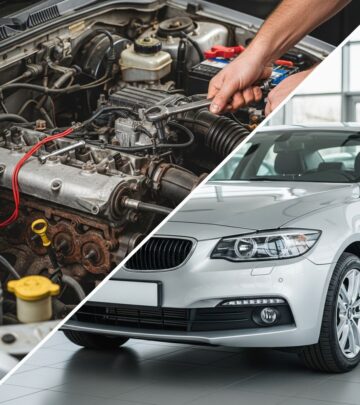
Aftermarket Car Parts: 4 Pros, 4 Cons To Consider
Explore the advantages and disadvantages of aftermarket car parts to make informed repair decisions.
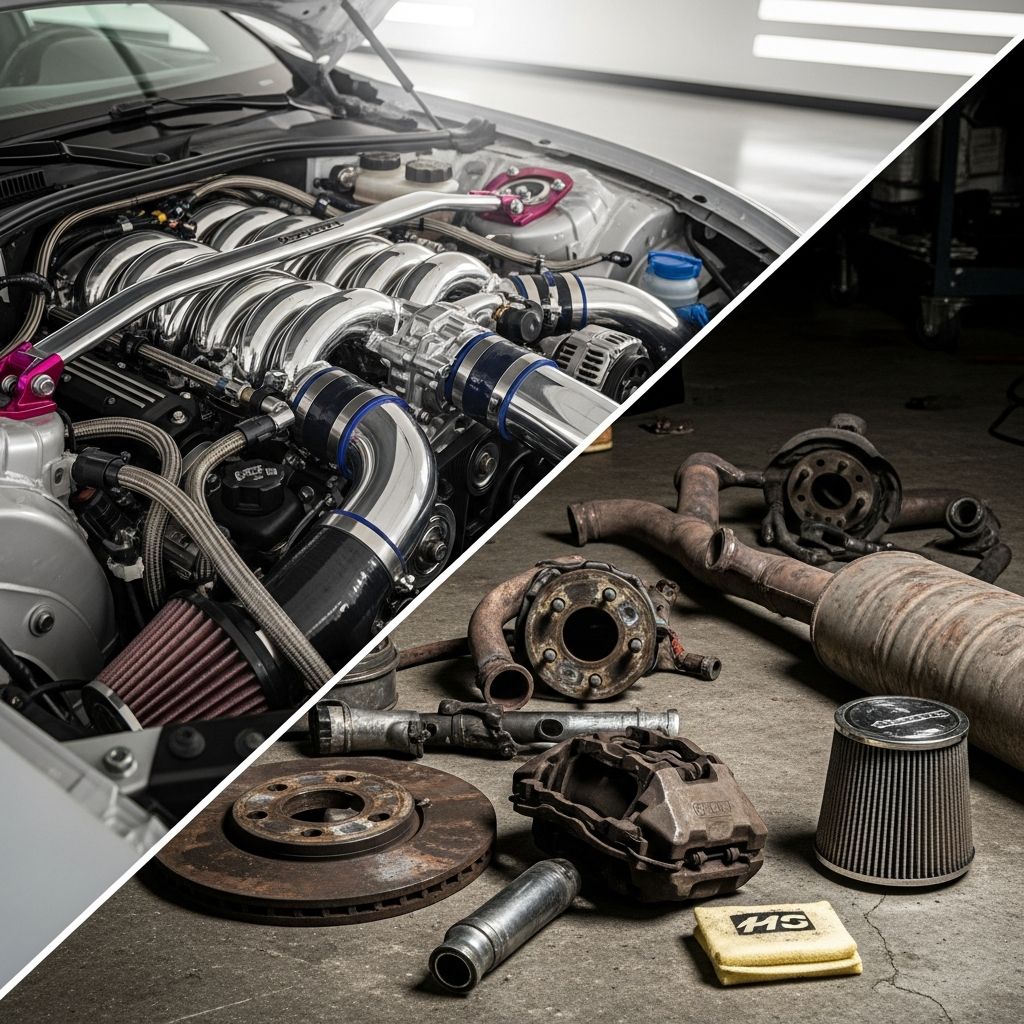
Pros and Cons of Aftermarket Car Parts: A Comprehensive Guide
When your vehicle needs repairs or maintenance, one of the most significant decisions you’ll face is choosing between Original Equipment Manufacturer (OEM) parts and aftermarket alternatives. Aftermarket parts are components produced by third-party manufacturers rather than the vehicle’s original manufacturer. While these parts can offer substantial cost savings, they come with their own set of advantages and disadvantages that car owners should carefully consider. Understanding the pros and cons of aftermarket car parts will help you make an informed decision that aligns with your budget, vehicle needs, and long-term maintenance goals.
Understanding Aftermarket Car Parts
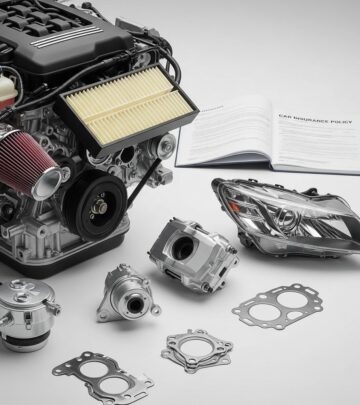
Aftermarket parts are produced by manufacturers other than the original equipment manufacturer of your vehicle. These parts are designed to fit and function like OEM parts but are created independently. The aftermarket automotive industry is vast and diverse, encompassing everything from brake pads and air filters to body panels and suspension components. Understanding what aftermarket parts are and how they differ from OEM alternatives is essential for making smart purchasing decisions for your vehicle.
The Advantages of Aftermarket Car Parts
Cost-Effectiveness
One of the most compelling reasons car owners choose aftermarket parts is the significant cost savings. Aftermarket parts can cost 20 to 50% less than comparable OEM parts in many cases. This price difference exists because multiple manufacturers can produce the same component, creating competition that drives prices down. For budget-conscious vehicle owners, this cost advantage can translate to substantial savings, particularly on major repairs or routine maintenance tasks. The affordability of aftermarket parts makes vehicle ownership more economical, especially for those driving older vehicles that may require frequent repairs.
Wide Variety and Availability
The aftermarket parts industry offers an enormous selection of options for almost any vehicle component. This variety means you can choose from different brands, quality levels, and price points to find the option that best suits your needs and budget. Additionally, aftermarket parts are often more readily available than OEM parts, which can sometimes be delayed or difficult to source, particularly for older or discontinued vehicle models. Most auto parts retailers stock extensive inventories of aftermarket components, making it easier and faster to obtain the parts you need.
Performance Enhancement Opportunities
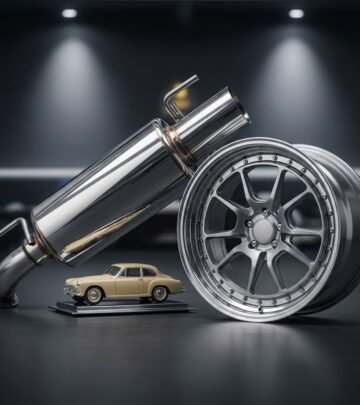
Beyond basic repairs, many aftermarket manufacturers offer performance upgrades and customization options that surpass OEM capabilities. For example, aftermarket air filters, exhaust systems, and brake pads can increase horsepower, improve fuel efficiency, and enhance overall vehicle performance. This flexibility allows car owners to not only repair their vehicles but also upgrade them with improved components that may deliver better results than factory-standard parts. Whether you’re looking for modest improvements or significant performance enhancements, the aftermarket industry provides numerous options.
Reverse-Engineering Excellence
Some aftermarket manufacturers specialize in reverse-engineering OEM parts, creating components that actually exceed original manufacturer specifications. These carefully engineered aftermarket parts can offer superior quality and durability compared to factory standards, providing excellent value for conscientious vehicle owners. When sourced from reputable manufacturers, these engineered parts can deliver performance and longevity that rivals or surpasses OEM alternatives while maintaining cost advantages.
The Disadvantages of Aftermarket Car Parts
Quality Variability and Inconsistency
The most significant drawback of aftermarket parts is the inconsistency in quality across different manufacturers and product lines. While some high-end aftermarket brands meet or exceed OEM standards for longevity and performance, others may cut corners on materials or manufacturing processes. The quality of aftermarket parts can vary dramatically, making it essential to research specific manufacturers and brands before making purchasing decisions. This variability means that a low-cost aftermarket part might not provide the same durability or reliability as either an OEM part or a high-quality aftermarket alternative from a reputable brand.
Fit and Compatibility Concerns
Aftermarket parts may not always fit as precisely as OEM components, potentially leading to installation challenges or long-term durability issues. Fit problems can arise with body panels, which may not align perfectly with your vehicle’s frame. Poor fit can result in additional adjustments or modifications during installation, increasing labor costs and complicating the repair process. For critical collision repairs, this imprecision can be particularly problematic, as improper fit may affect vehicle safety features and crash protection.
Warranty and Coverage Issues
Not all aftermarket parts include warranties, and those that do often provide less comprehensive coverage than OEM warranties. Many budget-focused aftermarket products come with limited or no warranty protection, increasing your risk if the part fails prematurely. This lack of warranty protection means you may bear the full cost of replacement and installation if an aftermarket part proves defective or fails unexpectedly. When evaluating aftermarket options, carefully review warranty terms and consider whether the cost savings justify the reduced protection.
Potential Safety Concerns
For critical vehicle components like brakes, steering systems, and collision-related parts, using aftermarket alternatives can pose safety risks if the parts don’t meet rigorous safety standards. Body panels, for instance, may lack the same rust protection and crumple zones designed into OEM components, potentially compromising crash safety performance. When it comes to your vehicle’s structural integrity and safety systems, the potential consequences of inferior aftermarket parts can outweigh the cost savings.
When to Choose Aftermarket Parts
Older and Out-of-Warranty Vehicles
Aftermarket parts are an excellent choice for older vehicles or those no longer covered by manufacturer warranty. For vehicles that have aged beyond their factory warranty period, the cost savings offered by aftermarket parts make economic sense, especially for routine maintenance and non-critical repairs. Since factory coverage is no longer available anyway, the reduced warranty protection of aftermarket parts becomes less concerning, and the financial benefits become more attractive.
Routine Maintenance Items
For routine maintenance components like oil filters, air filters, brake pads, and serpentine belts, aftermarket parts often perform just as well as OEM alternatives at significantly lower prices. These consumable parts wear out regularly and benefit from the cost advantages that aftermarket options provide. High-quality aftermarket brands deliver reliable performance for these items without the dealership markup, making them ideal choices for budget-conscious maintenance.
Customization and Upgrades
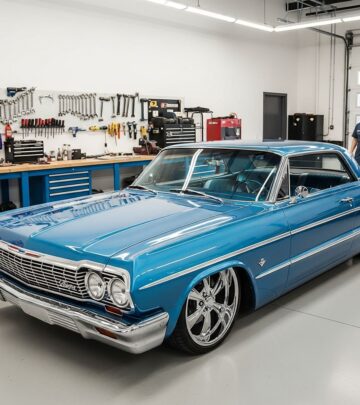
When adding enhancements or customizations to your vehicle—such as upgraded sound systems, backup cameras, alloy wheels, or performance components—aftermarket parts can save money while increasing your vehicle’s value. These non-critical upgrades are perfect opportunities to leverage the variety and cost-effectiveness of the aftermarket industry without compromising safety or reliability.
When to Choose OEM Parts
Collision Repairs
For collision damage repairs, OEM parts are generally recommended as the better choice. Body panels and structural components specifically engineered by manufacturers ensure proper fit, alignment, and safety features. OEM parts maintain the vehicle’s original specifications for crumple zones and structural integrity, which are essential for crash protection and safety.
Critical Safety Components
Parts directly related to vehicle safety—including brake systems, steering components, and suspension elements—should typically utilize OEM parts to ensure optimal safety and reliability. The precision engineering and rigorous testing that OEM parts undergo provide assurance that these critical components will perform as intended.
Warranty Coverage Importance
When warranty coverage is important to you, OEM parts typically offer more comprehensive protection and manufacturer backing than most aftermarket alternatives. If you prefer peace of mind and protection against premature failure, the warranty benefits of OEM parts may justify their higher cost.
Making the Right Choice for Your Vehicle
Selecting between OEM and aftermarket parts requires careful consideration of several factors. Your decision should depend on your budget, the type of repair needed, your vehicle’s age, and your preferences regarding quality and performance. For routine maintenance and non-critical repairs on older vehicles, aftermarket parts from reputable manufacturers often provide excellent value. However, for safety-critical components, collision repairs, and newer vehicles where warranty coverage matters, OEM parts remain the superior choice.
The key to successfully using aftermarket parts is thorough research and brand selection. Stick with trusted aftermarket manufacturers known for quality and reliability rather than choosing solely based on price. Many reputable aftermarket brands deliver reliable performance comparable to or exceeding OEM standards. Reading reviews, consulting with experienced mechanics, and verifying that parts are specifically designed for your vehicle’s make and model will help ensure you make informed decisions.
Quality Comparison: Aftermarket vs. OEM
| Factor | Aftermarket Parts | OEM Parts |
|---|---|---|
| Cost | 20-50% less expensive | Premium pricing |
| Quality Consistency | Varies by manufacturer | Consistent standards |
| Warranty | Limited or none | Comprehensive |
| Fit Precision | May require adjustments | Perfect factory fit |
| Availability | Widely available | May have delays |
| Performance Options | Enhanced options available | Standard specifications |
Frequently Asked Questions About Aftermarket Car Parts
Q: Are aftermarket parts as good as OEM parts?
A: Quality varies significantly among aftermarket manufacturers. Some high-end aftermarket brands meet or exceed OEM standards, while budget options may compromise on durability. Research specific manufacturers and brands to ensure you’re choosing quality components.
Q: Can I use aftermarket parts for my warranty-covered vehicle?
A: Using aftermarket parts on a warranty-covered vehicle may void certain aspects of your warranty. Consult your manufacturer’s warranty terms before using aftermarket components on newer vehicles still under factory warranty.
Q: Are aftermarket brakes and safety parts safe to use?
A: For safety-critical components like brakes and steering, it’s generally recommended to use OEM parts to ensure they meet rigorous safety standards. If choosing aftermarket safety parts, select from reputable manufacturers with proven track records.
Q: How much can I save by using aftermarket parts?
A: Aftermarket parts typically cost 20 to 50% less than OEM alternatives, though savings vary depending on the specific part and manufacturer. Routine maintenance items often offer the greatest savings potential.
Q: Should I use aftermarket parts for collision repairs?
A: For collision repairs, OEM parts are generally preferable as they ensure proper fit, safety features, and structural integrity. Aftermarket body panels may not align perfectly and could compromise safety.
Q: What brands offer reliable aftermarket parts?
A: Reputable aftermarket brands like Duralast offer rigorously tested components that deliver reliable performance. Research specific manufacturers, read reviews, and verify parts are designed for your vehicle’s make and model.
Q: Can aftermarket parts improve vehicle performance?
A: Yes, many aftermarket parts offer performance enhancements. Aftermarket air filters, exhaust systems, and other components can increase horsepower and improve fuel efficiency compared to OEM alternatives.
References
- The Pros & Cons of OEM, Aftermarket, and Used Auto Body Parts — Conestoga Collision. 2025. https://conestogacollision.com/the-pros-cons-of-oem-aftermarket-and-used-auto-body-parts-2/
- OEM vs. Aftermarket Car Parts: What’s the Best Choice for Your Vehicle — AutoZone. 2025. https://www.autozone.com/diy/trustworthy-advice/oem-vs-aftermarket-car-parts
- The Pros and Cons of Aftermarket Car Parts — LeSueur Car Company. 2023. https://www.usedvwaudi.com/blog/2023/03/13/the-pros-and-cons-of-aftermarket-car-parts
- Original Equipment Manufacturer or Aftermarket Parts — Marlow Ford. 2025. https://www.marlowford.com/blog-oem-vs-generic-auto-parts-luray-va.htm
- Aftermarket Versus Manufacturer Car Parts — Edmunds. 2025. https://www.edmunds.com/car-maintenance/aftermarket-versus-manufacturer-car-parts.html
Similar Articles








Read full bio of Sneha Tete