Personal Loans: 6 Pros And 6 Cons To Consider
Uncover the key advantages and disadvantages of personal loans to make informed borrowing decisions for your financial needs.

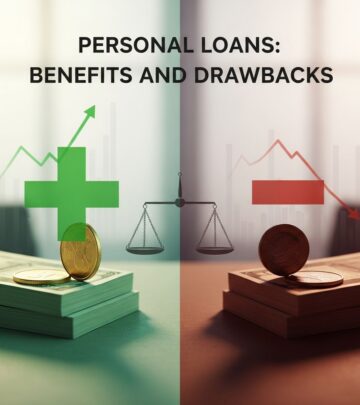
Personal loans can be a powerful financial tool for covering unexpected expenses, consolidating debt, or funding major purchases. However, they come with both significant advantages and notable drawbacks that borrowers must carefully weigh. This article breaks down the key pros and cons of personal loans, drawing from current market data and expert insights to help you decide if this borrowing option is right for you.
Understanding Personal Loans
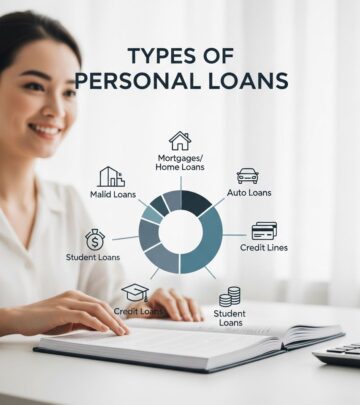
Personal loans are unsecured loans typically ranging from $1,000 to $50,000, with repayment terms of 12 to 60 months. Unlike secured loans such as mortgages or auto loans, personal loans do not require collateral, making them accessible for a variety of uses. Lenders evaluate eligibility based on credit score, income, and debt-to-income (DTI) ratio, with average APRs in 2026 ranging from 6.49% to 17.99% depending on the borrower’s profile.
According to Federal Reserve data referenced in industry analyses, personal loan rates are often about half those of credit cards, making them attractive for debt consolidation or large expenses. However, not all borrowers qualify for the best rates, and terms vary widely by lender.
Pros of Personal Loans
Personal loans offer several compelling benefits, particularly for those with good credit and stable income. Here are the primary advantages:
- Lower Interest Rates Than Credit Cards: Personal loans typically feature APRs significantly lower than credit cards. For instance, average personal loan rates for 24-month terms are roughly half the credit card average. A $10,000 credit card debt at 20% APR paid at $300/month takes over four years and costs $4,718 in interest, versus just over three years and $1,764 in interest on a 10% personal loan.
- Fixed Payments and Predictable Budgeting: With fixed interest rates and set monthly payments, personal loans provide budgeting certainty. This contrasts with variable-rate credit cards where payments can fluctuate.
- Flexible Use of Funds: Borrowers can use personal loans for almost any purpose, from debt consolidation and home improvements to medical bills or weddings. This versatility makes them ideal for significant, one-time expenses.[10]
- Quick Funding and Simple Process: Approval and funding often occur within days, faster than many secured loans. No collateral requirement simplifies qualification compared to home equity or auto loans.
- Debt Consolidation Benefits: Combining multiple high-interest debts into one lower-rate personal loan reduces overall interest costs and simplifies payments. Lenders like Upgrade even offer direct creditor payments.
- No Collateral Risk: As unsecured loans, there’s no danger of losing assets like a home or car if you default.
Cons of Personal Loans
Despite their appeal, personal loans have drawbacks that can lead to financial strain if not managed properly. Key disadvantages include:
- Potentially High Interest Rates for Poor Credit: Borrowers with scores below 600-700 face APRs up to 36% or higher, making loans expensive. Lenders specialize by credit tier, so mismatched applications lead to denials or poor terms.
- Origination and Other Fees: Many lenders charge 1-8% origination fees deducted upfront, plus late fees ($25-$29) and prepayment penalties in rare cases (e.g., 1% at U.S. Bank in year one).
- Credit Score Impact: Applications trigger hard inquiries, temporarily lowering scores by 5-10 points. High DTI post-loan can further hurt credit utilization.
- No Prequalification at Some Lenders: Without soft-pull options, you risk credit dings without rate quotes, as with U.S. Bank.
- Temptation for Unnecessary Borrowing: Easy access can lead to overborrowing, increasing DTI beyond 36-43% lender thresholds and straining budgets.
- Limited Access for Bad Credit: Those with poor credit may need cosigners or face high rates, and some lenders require existing accounts (e.g., Citi: 12 months).
Personal Loans vs. Other Financing Options
To contextualize, compare personal loans to alternatives:
| Option | Pros | Cons | Best For |
|---|---|---|---|
| Personal Loan | Lower rates, fixed payments, flexible use | Fees, credit checks | Debt consolidation, large purchases |
| Credit Card | Flexibility, rewards | High variable APRs (20%+) | Small, ongoing expenses |
| Home Equity Loan | Low rates, tax-deductible interest | Risks home, slower process | Homeowners with equity |
| 0% Intro APR Card | No interest initially | High rates post-promo, limits | Short-term financing |
Personal loans shine for unsecured, mid-sized needs but may not suit everyone.
Who Should Consider a Personal Loan?
Ideal candidates have credit scores above 670, DTI under 36%, and stable income. Examples: consolidating $10k+ credit card debt or funding $5k-$25k home repairs. Avoid if you have poor credit without a cosigner or can use savings.
Calculate affordability: For a $10,000 loan at 10% APR over 36 months, expect ~$332/month. Ensure this fits your budget without exceeding DTI limits.
Tips for Getting the Best Personal Loan
- Shop multiple lenders: Compare APRs, fees, and terms from 3-5 offers.
- Prequalify where possible to avoid hard inquiries.
- Improve credit: Pay down debt to boost score and lower DTI.
- Consider joint applications for better rates.
- Opt for autopay discounts (e.g., Citi).
- Avoid if DTI >43%; focus on emergency funds instead.
Frequently Asked Questions (FAQs)
What credit score is needed for a personal loan?
Minimums range from 600-700 for mainstream lenders; excellent credit (740+) unlocks the best rates.
Are personal loans safe and legitimate?
Yes, from reputable lenders. Verify licensing, read reviews, and avoid upfront fees to dodge scams.
Can I get a personal loan with bad credit?
Possible with cosigners or bad-credit specialists, but expect higher APRs. Build credit first for better terms.[10]
Do personal loans build credit?
Yes, on-time payments improve scores; missed ones harm them.
What’s the average personal loan interest rate in 2026?
Rates start at 6.49% for top tiers, averaging 10-12% overall.
Final Thoughts on Personal Loans
Personal loans offer accessible, flexible financing with lower rates than alternatives for qualified borrowers, but high costs for others underscore the need for careful evaluation. Always calculate total costs and ensure repayments align with your budget to avoid debt traps.
References
- U.S. Bank Personal Loan Review 2025 — MoneyRates. 2025. https://www.moneyrates.com/reviews/us-bank-reviews.htm
- Best Personal Loan Rates of 2026 Compared — MoneyRates. 2026-01. https://www.moneyrates.com/personal-loan-rates.htm
- Is a Personal Loan Right for You? Exploring the Key Benefits — MoneyRates. 2025. https://www.moneyrates.com/personal-loans/is-a-personal-loan-right-for-you.htm
- Are Personal Loans Safe? Are They Legitimate? — MoneyRates. 2025. https://www.moneyrates.com/personal-finance/are-personal-loans-safe-and-legit.htm
- Advantages & Drawbacks of Personal Loans — MoneyRates. 2025. https://www.moneyrates.com/personal-loans/pros-and-cons-of-personal-loans.htm
Similar Articles








Read full bio of Sneha Tete