Property Taxes and Your Mortgage Payment
Discover how property taxes integrate into monthly mortgage payments through escrow accounts and what homeowners need to know for smooth financial planning.
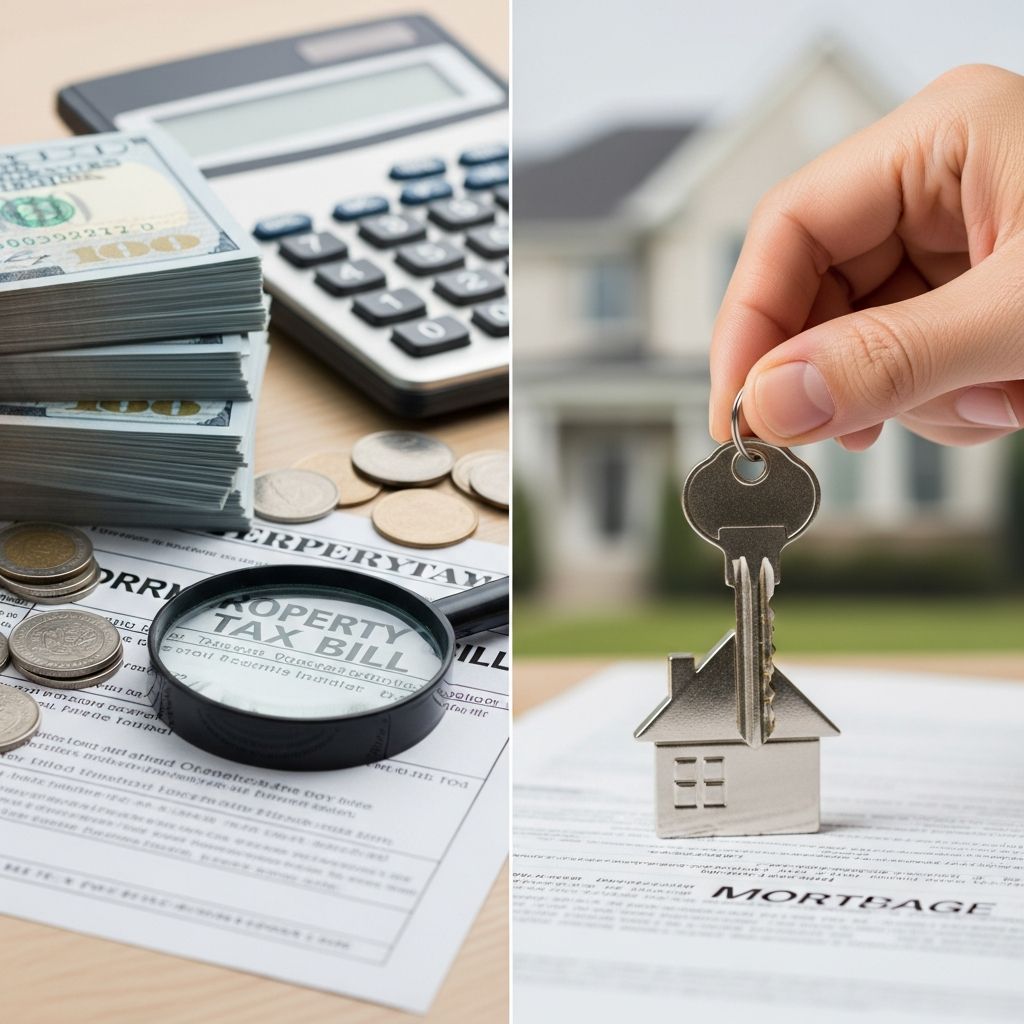
Property taxes form a key component of homeownership expenses, and for many borrowers, they are bundled into monthly mortgage payments via an escrow system. This setup allows lenders to collect funds gradually, ensuring timely tax payments to local authorities and avoiding large lump-sum obligations.
Understanding the Role of Escrow in Mortgage Payments
An escrow account acts as a holding repository managed by your lender for specific home-related costs. Each month, alongside principal and interest, you contribute a portion toward taxes and insurance. Lenders estimate the annual tax liability based on property assessments and divide it by 12, incorporating this into your total payment.
This mechanism simplifies budgeting by spreading costs evenly. For instance, if your yearly property tax is $3,600, approximately $300 goes into escrow monthly. The lender then disburses the full amount when bills arrive, typically annually or semiannually.
Key Components of a Standard Monthly Mortgage Payment
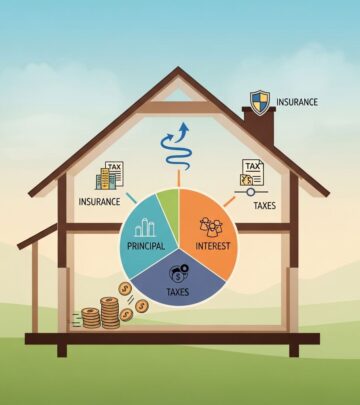
Most mortgage payments follow the PITI framework: Principal, Interest, Taxes, and Insurance. Principal reduces your loan balance, while interest covers the borrowing cost. Taxes and insurance, handled through escrow, protect the lender’s investment by keeping the property compliant with local requirements.
- Principal: Direct reduction of loan amount.
- Interest: Cost of borrowing, calculated on remaining balance.
- Taxes: Local government levies funding public services like schools and roads.
- Insurance: Homeowners policy covering damage or liability.
Additional items like private mortgage insurance (PMI) may apply for down payments under 20%, or HOA fees in community settings.
When Are Property Taxes Included in Your Mortgage?
Inclusion depends on loan type and lender policies. FHA and VA loans mandate escrow for taxes and insurance. Conventional loans often require it for down payments below 20%, but waivers are possible with higher equity or strong credit.
| Loan Type | Escrow Requirement | Typical Inclusion |
|---|---|---|
| FHA/VA | Mandatory | Always |
| Conventional (<20% down) | Usually required | Yes |
| Conventional (≥20% down) | Often waivable | Optional |
Review your loan estimate and closing disclosure to confirm. An initial escrow analysis at closing projects the first year’s contributions, including any prepaid taxes.
Scenarios Where Taxes Are Paid Separately
Not all mortgages include taxes. If escrow is waived—common with 20%+ down payments or refinances—your payment covers only principal and interest. You handle taxes directly, often in lump sums matching local schedules.
Advantages include investment potential on saved funds and payment flexibility. However, risks involve missed deadlines leading to penalties or liens. Some areas offer installment plans, but discipline is crucial.
How Lenders Calculate and Adjust Escrow Amounts
Lenders base estimates on recent tax bills or assessments. They maintain a cushion—up to two months’ worth—to cover increases. Annual escrow analyses review actual vs. projected payments.
Shortages prompt higher future payments or one-time catch-ups. Surpluses yield refunds, typically within 30 days. Notify your servicer of assessment changes promptly to recalibrate.
Property Tax Basics: Assessments and Rates
Taxes reflect a property’s assessed value multiplied by the local millage rate. Assessments aim to mirror market value, updated periodically via appraisals or sales data. Rates vary widely: urban areas might exceed 2%, while rural spots stay under 1%.
- Assessed Value: Local government’s valuation for tax purposes.
- Millage Rate: Tax per $1,000 of assessed value.
- Exemptions: Homestead, senior, or veteran discounts reduce bills.
Appeals are possible if you dispute the assessment, potentially lowering future taxes.
Budgeting for Taxes in Your Overall Homeownership Costs
Incorporate taxes into affordability calculations. Online estimators often omit them, understating true payments. Aim for PITI under 28-36% of income. Track local rates via county websites for accurate projections.
Post-closing, monitor statements for escrow breakdowns. Tools like spreadsheets help forecast changes from reassessments or rate hikes.
Escrow Waivers: Pros, Cons, and Eligibility
Waiving escrow requires lender approval, often needing 20% equity and on-time payments. Pros: Lower monthly outlay, interest-earning savings. Cons: Self-management risk, potential qualification issues for future loans.
Lenders charge fees (0.25-1% of loan) for waivers, offsetting some savings. Reinstation occurs if equity drops or payments falter.
Handling Tax Changes and Escrow Adjustments
Reassessments or millage shifts trigger reviews. If taxes rise 10%, monthly escrow might increase $50+. Lenders must notify 30-60 days ahead. Dispute errors with tax authorities before servicer adjustments.
Refunds average $200-500 yearly for overages. Use them wisely or request application to principal.
Impact on Mortgage Approval and Payments
Higher taxes elevate debt-to-income ratios, affecting qualification. Lenders project full PITI. Shop lenders comparing escrow-inclusive quotes.
Frequently Asked Questions
Can I remove escrow after closing?
Yes, with sufficient equity (typically 20-25%) and good payment history. Submit a waiver request; fees apply.
What if I pay off my mortgage?
Escrow ends; you pay taxes directly thereafter. Plan monthly savings equivalent.
Do all lenders require escrow for taxes?
No, but federally backed loans do. Conventional varies by down payment.
How do I check my escrow balance?
Review annual statements or contact your servicer. Monthly statements show activity.
What happens if taxes aren’t paid?
Penalties accrue, potentially leading to liens or foreclosure. Escrow prevents this.
Strategies for Minimizing Property Tax Burdens
Claim exemptions early. Appeal assessments annually if values exceed comps. Prepay if rates drop, or bundle with solar incentives. Stay informed on local ballot measures affecting rates.
For direct payers, automate transfers matching due dates. High-yield savings build cushions against hikes.
References
- Are property taxes included in mortgage? What to know — Better.com. 2023. https://better.com/content/are-property-taxes-included-in-mortgage
- Are Property Taxes Included in Mortgage Payments? — DSLD Mortgage. 2023. https://www.dsldmortgage.com/blog/are-property-taxes-included-in-mortgage-payments/
- Are Property Taxes Included in a Mortgage? – Experian — Experian. 2023-10-01. https://www.experian.com/blogs/ask-experian/are-property-taxes-included-in-mortgage/
- Are Property Taxes Included In Your Mortgage? – Reliance Financial — Reliance Financial. 2023. https://reliancefinancial.com/are-property-taxes-included-in-your-mortgage/
- Are Property Taxes Included in Mortgage Payments? – SoFi — SoFi. 2023. https://www.sofi.com/learn/content/are-property-taxes-included-in-mortgage-payments/
- Are Property Taxes Included in Mortgage Payments? – SmartAsset — SmartAsset. 2023. https://smartasset.com/mortgage/property-taxes-included-in-mortgage-payments
Similar Articles








Read full bio of medha deb