Understanding Property Surveys in Home Purchases
Master the essentials of property surveys and protect your investment
What Exactly Is a Property Survey?
A property survey is a comprehensive professional assessment of land that documents boundaries, physical features, and any structures present on a parcel. Licensed surveyors use specialized equipment and techniques to create an accurate map of your property, establishing where your land ends and neighboring properties begin. This detailed mapping process has become an essential component of modern real estate transactions, particularly when mortgage financing is involved.
The survey goes far beyond simply drawing boundary lines. It identifies easements (legal rights others may have to use portions of your land), encroachments (when structures from neighboring properties extend onto your lot), utility locations, and compliance with local zoning regulations. For homebuyers, this documentation provides critical peace of mind that they understand exactly what they’re purchasing.
Why Property Surveys Matter in Real Estate Transactions
Property surveys serve multiple critical functions in the home-buying process. Most importantly, they protect both the buyer’s financial investment and the lender’s collateral by confirming that the property described in the deed matches what actually exists on the ground.
- Boundary Verification: Surveys eliminate ambiguity about where your property lines exist, preventing future disputes with neighbors about fence placement, landscaping, or expansion plans
- Easement Identification: The survey reveals any legal rights others hold on your property, such as utility companies needing access to underground cables or shared driveway rights
- Encroachment Detection: If a neighbor’s fence, shed, or other structure extends onto your property, a survey will identify this issue before closing
- Lender Confidence: Most mortgage lenders require surveys to ensure the property they’re financing meets their standards and poses no unusual risks
- Construction Planning: For homeowners considering renovations or additions, surveys confirm where building can legally occur
- Title Assurance: The survey becomes part of your property records and can help resolve future legal questions about ownership boundaries
Different Types of Surveys Available
Not all property surveys are identical. The specific type needed depends on your transaction type and lender requirements. Understanding these distinctions helps you obtain precisely what you need without unnecessary expense.
Boundary Surveys
The most fundamental survey type, boundary surveys establish the perimeter of your property and identify any encroachments or easements. These surveys provide the essential information needed for most residential transactions and form the foundation for other survey types.
Mortgage Surveys
Specifically designed for lender requirements, mortgage surveys verify property boundaries and confirm that structures on the property comply with local building and zoning codes. Many mortgage lenders accept this type as meeting their requirements without needing more expensive alternatives. The cost typically ranges from $1,500 to $4,500 depending on property size and complexity.
Topographic Surveys
These specialized surveys map terrain features including elevation changes, contours, and natural characteristics. Topographic surveys become essential when construction or significant development is planned, as they help with drainage planning and foundation design.
Flood Elevation Certificates
Properties in flood-prone areas require this specialized survey, which assesses the property’s elevation relative to FEMA flood zone maps. This information directly impacts flood insurance requirements and costs, making it crucial for properties in designated flood zones.
Monumentation and As-Built Surveys
Monumentation surveys specifically address fence installation and property marker placement. As-built surveys determine not just boundaries but also where improvements like driveways and sidewalks can legally be constructed.
Who Pays for and Orders the Survey?
Understanding responsibility for the survey is essential for budgeting and timeline management. In the majority of residential real estate transactions, the homebuyer bears both the responsibility for ordering and the cost of the survey.
The Buyer’s Role
Because the buyer has the greatest financial stake in the transaction, they typically arrange and pay for the survey. Buyers often initiate this as part of their due diligence process, alongside home inspections and other property evaluations. The buyer’s real estate agent frequently assists in coordinating the survey, but the buyer remains responsible for ensuring it’s completed.
Potential Variations by Location and Contract
While the buyer typically pays, local practices and contract negotiations can shift this responsibility. In some jurisdictions, the seller may agree to pay as a concession, particularly if property boundaries are uncertain and the seller wants to present clear information to multiple potential buyers. Additionally, certain title companies or attorneys may coordinate the survey on behalf of the buyer in some regions.
Lender Involvement
Some mortgage lenders directly require a survey and may arrange it themselves, though the cost still typically passes to the buyer through closing costs. Occasionally, lenders will accept a previously completed survey instead of requiring a new one, which can save buyers significant expense.
The Property Survey Process Explained
Understanding what surveyors actually do helps you appreciate the value of this service. The survey process involves multiple stages, from initial research through final documentation.
Research and Preparation Phase
Before visiting the property, surveyors conduct extensive research into property records, including previous surveys, deeds, maps, and the property’s legal history. This background work is crucial because it establishes the legal boundaries that should exist on the ground.
On-Site Fieldwork
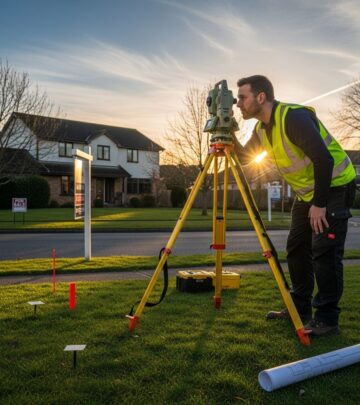
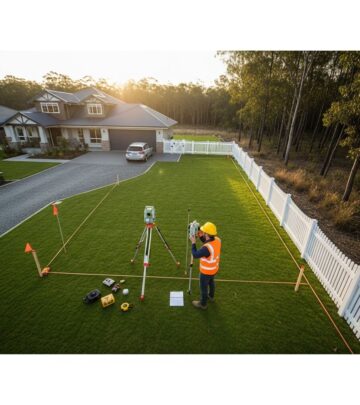
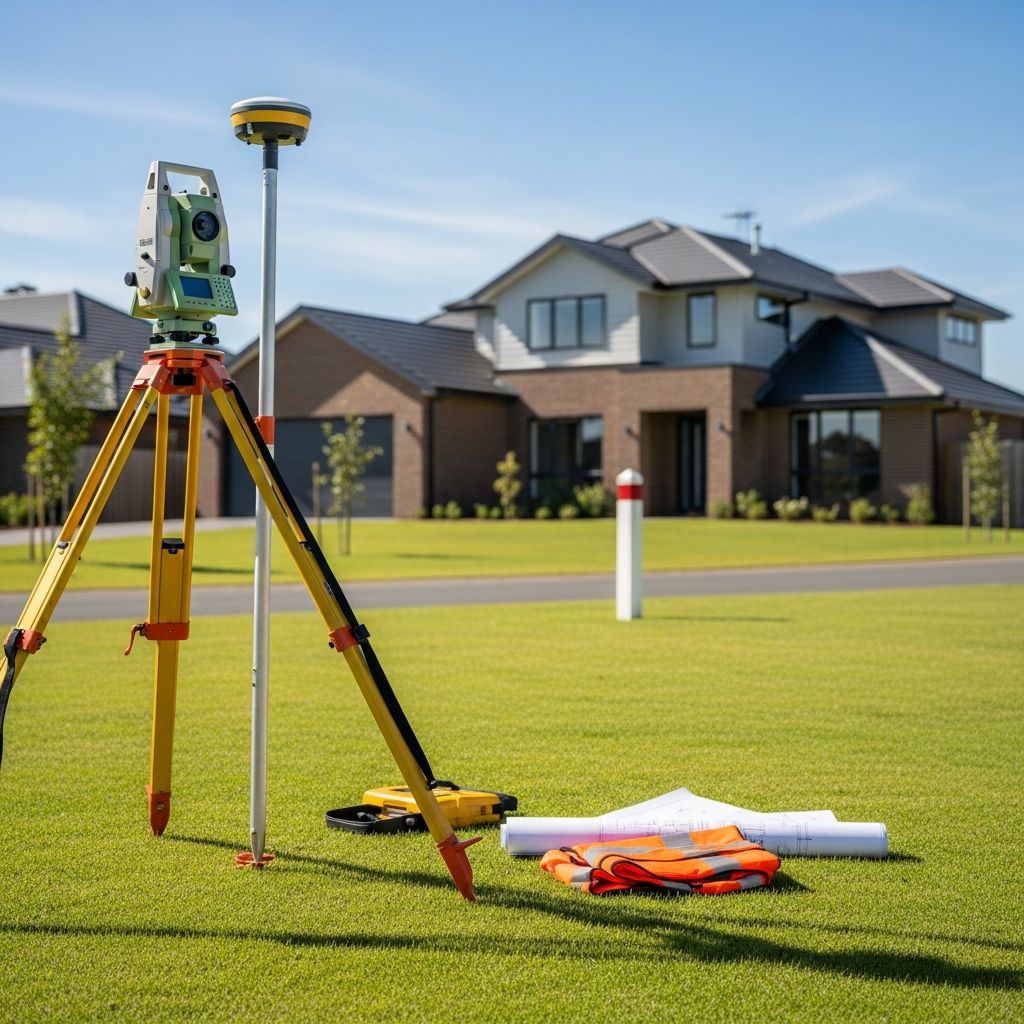
Using specialized equipment, surveyors visit the property to measure and document its features. Modern surveyors employ a combination of traditional and advanced technologies, including total stations that measure angles and distances with high precision, GPS equipment for broader positioning, and laser measuring devices for detailed measurements. These tools collectively create an accurate picture of the property’s actual configuration.
Data Analysis and Documentation
After collecting field data, surveyors analyze their measurements and create detailed maps illustrating property lines, structures, easements, and other significant features. This documentation becomes your official record of the property’s boundaries and characteristics.
When to Schedule Your Survey
Timing matters significantly in the home-buying process. The optimal approach is scheduling your survey immediately after your offer is accepted. This early timing accomplishes several important objectives:
- Any boundary discrepancies or encroachment issues surface well before closing, allowing time to negotiate with the seller or explore solutions
- You’ll have clear information for making a fully informed decision about proceeding with the purchase
- The survey results can be addressed without creating delays near your closing date
- If problems emerge, you have leverage to negotiate repairs, price reductions, or the seller’s assistance in resolving issues
Delaying the survey until late in the purchasing process creates unnecessary pressure and eliminates your opportunity to address issues without threatening your closing timeline.
Survey Costs and Budget Planning
| Survey Type | Typical Cost Range | Common Use Cases |
|---|---|---|
| Boundary Survey | $800-$2,500 | Basic residential transactions, lender requirements |
| Mortgage Survey | $1,500-$4,500 | Mortgage lending requirements, standard home purchases |
| Topographic Survey | $2,000-$5,000+ | Construction projects, significant development, slope considerations |
| Flood Elevation Certificate | $300-$800 | Properties in FEMA-designated flood zones |
Survey costs depend on several variables including property size, accessibility, complexity of boundary history, and your specific location. Urban properties with clear history typically cost less than rural properties with complicated ownership records.
Locating Existing Survey Records
If your property previously had a survey, obtaining a copy costs significantly less than commissioning a new one. Check these sources for existing surveys:
- Previous Owner: Contact the seller or their real estate agent about surveys conducted during recent transactions
- Title Company: The title company or mortgage lender involved in previous transactions may have survey copies on file
- Local Government Records: City or county offices maintain survey records, particularly those conducted for tax assessment, property transfer, or public works projects. Fees may apply for copies.
- Mortgage Documentation: Your previous mortgage documents may include or reference surveys completed for lending purposes
Frequently Asked Questions About Property Surveys
Are property surveys always required when buying a home?
Requirements vary by location and lender. While some jurisdictions and lenders mandate surveys, they’re not universally required everywhere. Many lenders will accept a recent survey from a prior transaction instead of requiring a new one. Always confirm your specific lender’s requirements.
How long does a property survey typically take?
The timeline varies based on property complexity and size, but most residential surveys are completed within one to two weeks from scheduling. Simple, accessible properties may be faster, while complex properties with unclear histories take longer.
What happens if a survey reveals boundary problems?
Discovery of encroachments or boundary disputes allows you to negotiate solutions before closing. Options include negotiating the purchase price downward, requiring the seller to remedy the issue, obtaining insurance for the encroachment, or reconsidering the purchase.
Can I use an old survey instead of getting a new one?
In many cases, lenders will accept a recent survey conducted within the last few years instead of requiring a new survey. However, they typically specify the acceptable age. Always ask your lender about their specific policy.
What’s the difference between a survey and a home inspection?
Home inspections examine the condition of structures and systems on the property. Surveys focus exclusively on boundaries, legal rights, and property lines. Both serve different but equally important purposes in understanding your property.
Protecting Your Real Estate Investment
A property survey represents a small investment that protects a much larger one. By clarifying boundaries, identifying easements, and confirming zoning compliance before closing, surveys prevent costly disputes and unexpected legal complications. Working with qualified surveyors and ordering surveys early in the buying process ensures you have complete information for making confident purchasing decisions.
References
- What Is a Survey in Real Estate? Property Surveys Explained — Land ID. https://id.land/blog/what-is-a-survey-in-real-estate
- Who Orders the Survey When Buying a House? — Clearpoint Services. https://clearpointservices.com/who-orders-the-survey-when-buying-a-house/
- Unveiling the Secrets of Residential Mortgage Surveys: What You Need to Know — Stutts Surveyors. https://www.stuttssurveyors.com/unveiling-the-secrets-of-residential-mortgage-surveys-what-you-need-to-know/
- What Is A Property Survey, And How Do I Get One? — Bankrate. https://www.bankrate.com/real-estate/where-do-i-get-my-property-survey/
- Land survey: What it is, types and cost — Rocket Mortgage. https://www.rocketmortgage.com/learn/land-survey
- How to Get a Property Survey — Experian. https://www.experian.com/blogs/ask-experian/how-to-get-property-survey/
Similar Articles








Read full bio of medha deb