What Is A Property Survey, And How Do I Get One?
Complete guide to property surveys: types, requirements, costs, and how to obtain one for your real estate transaction.
What Is A Property Survey?
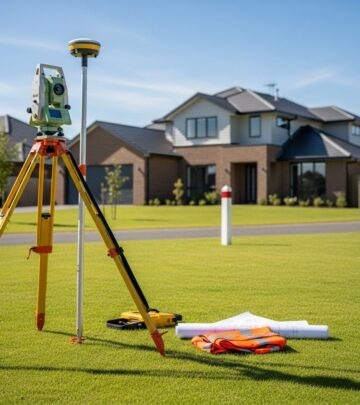
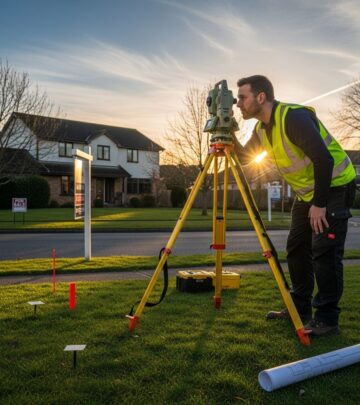
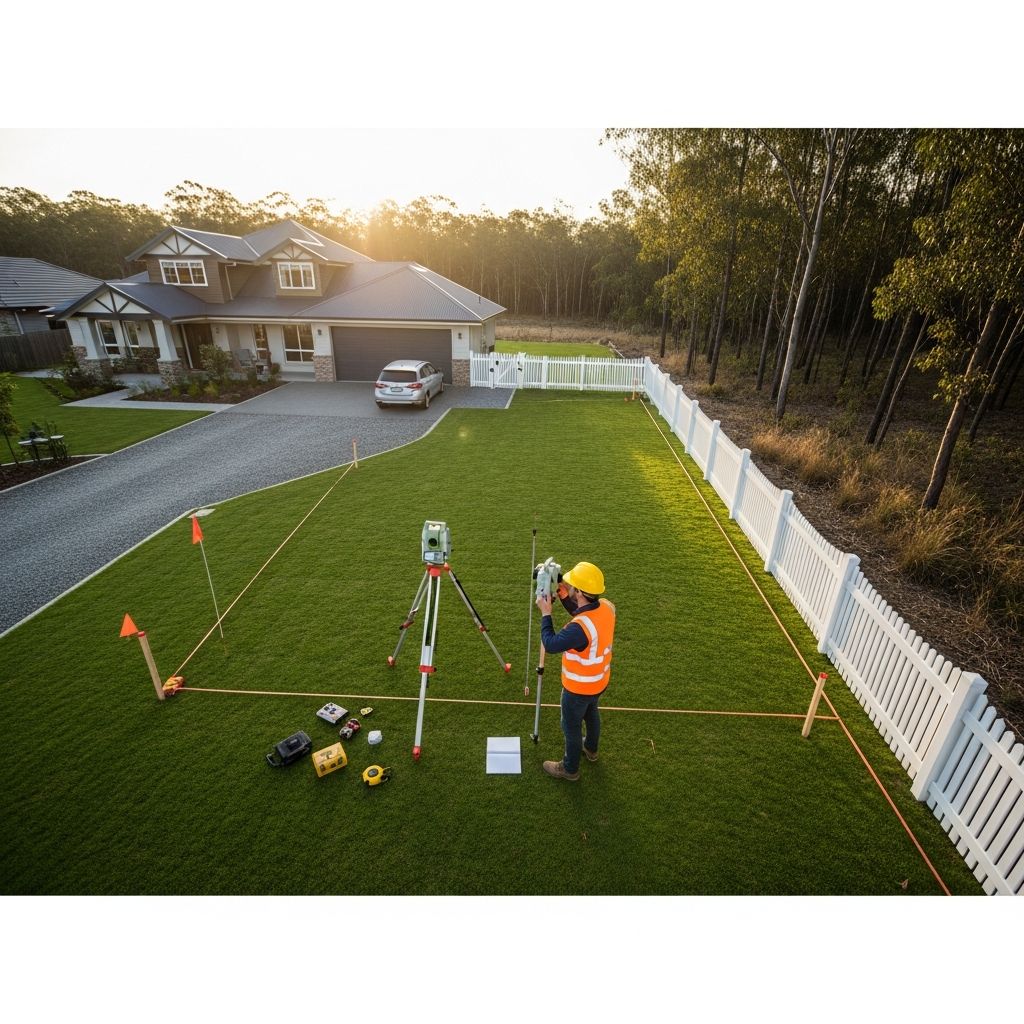
A property survey is a detailed map and legal document that defines your property’s exact boundaries and identifies key features located on the land. Essentially, it answers the fundamental question of real estate ownership: what’s yours and what isn’t. The survey provides precise measurements and locations of structures, improvements, and other significant elements on your property. This document becomes invaluable when buying a home, planning renovations, or resolving boundary disputes with neighbors. A professional surveyor physically visits your property, takes precise measurements, and creates an official record that can be used for legal purposes.
The primary goal of a property survey is establishing precise geographic boundaries and ensuring clear demarcation and understanding of property lines. This precision helps avoid disputes and clarifies what exactly falls within a property’s lines. In legal terms, a property survey is indispensable and a critical reference point for any future transactions or legal disputes. An accurate survey is crucial for maintaining good relationships with neighbors and ensuring that everyone respects the defined boundaries.
Why Property Surveys Matter
Property surveys serve multiple critical functions in real estate transactions and property management. Most importantly, lenders typically require a property survey before your transaction can close. Lenders want to ensure that property boundaries are clearly defined and that there are no legal issues, such as encroachments or disputes, that could impact the property’s value. Without a survey, lenders may not approve the loan, as the survey is a key document in protecting their investment as well as the buyer’s. It helps avoid any unforeseen complications that could arise after closing.
Beyond lender requirements, surveys help identify easements and rights-of-way, which can affect property usage and access. These legal interests in your property, held by others, must be clearly identified to understand any limitations on how you can use your land. Additionally, conducting due diligence through property surveys is important to uncover any hidden issues that might affect the value of the land.
Key Components of Property Surveys
A comprehensive property survey includes several essential elements that provide a complete picture of your property:
- Verification of property boundaries — The exact perimeter lines of your property
- Confirmation of size and location — Precise acreage and geographic positioning
- Location of structures — Buildings, fences, driveways, and other improvements with exact dimensions
- Easements and rights-of-way — Areas where others have legal access or usage rights
- Encroachments — Instances where neighboring structures extend onto your property or vice versa
- Setback requirements — Minimum distances from property lines where structures can be built
The survey should also depict any improvements on neighboring property located within five feet of the common property line. This comprehensive approach ensures complete transparency about what you’re purchasing and any potential issues that could arise.
Types of Property Surveys
Different situations call for different types of surveys. Understanding which type you need depends on your specific circumstances and the purpose of the survey.
Boundary Survey
A boundary survey is ordered by property owners to determine property lines. This survey is required prior to the construction of property improvements to ensure proper placement and avoid encroachments. Boundary surveys establish your property’s exact perimeter and are essential when you plan to make improvements to your property or when disputes arise about where your property ends and your neighbor’s begins.
Mortgage Survey
Mortgage surveys, also called mortgage location surveys, are ordered by title companies and lenders when transferring residential or commercial property. Like as-built surveys, mortgage surveys show property boundaries for an entire property that will be mortgaged. These surveys provide assurance to the title company that what is transferring in the deed is what is transferring in reality. This is the type most commonly required by lenders during the home purchase process.
ALTA Survey
An ALTA (American Land Title Association) survey is typically ordered by title companies, lenders, or attorneys when transferring property, usually in large commercial real estate transactions. Similar to commercial mortgage location surveys, but with much higher accuracy and more detailed information provided, ALTA surveys set the gold standard for commercial property surveys. These comprehensive surveys include all boundary information plus extensive details about utilities, improvements, and other relevant features.
Topographic Survey
A topographic survey, ordered by property owners, establishes land elevations prior to improvements to property. Generally requested by the architect or engineer for design, this survey is vital if you’re planning to build on your property. It provides detailed information about the terrain, slopes, and elevation changes on your land, which is essential for structural planning and determining proper drainage and construction methods.
Monumentation Survey
Monumentation surveys are done if you want to add a fence to your property. These surveys verify the exact location of property corners and boundary markers, ensuring that any new construction, such as fencing, is placed correctly and doesn’t encroach on neighboring properties.
As-Built Survey
As-built surveys determine property lines but also show where improvements or additions can be made, like driveways and sidewalks. These surveys document existing conditions on the property and are particularly useful when planning renovations or additions to ensure compliance with local zoning laws and setback requirements.
Floodplain Survey
Floodplain surveys show flood hazard areas. If your property is located in an area subject to flooding, these surveys identify the 100-year flood plain contour line and indicate the flood zone and map number from the applicable FEMA flood insurance rate map. This information is critical for insurance purposes and understanding potential flood risks.
Construction Survey
Construction surveys are critical during the building phase of any project. These surveys involve staking out locations for planned structures and assessing existing property improvements to ensure compliance with local laws. By identifying the location of utility features, construction surveys help in the effective planning and execution of construction projects. These surveys are essential for construction workers and project managers—not to mention real estate investors—providing a clear roadmap for where new structures and improvements should be placed.
Is A Property Survey Required for Closing?
While having a property survey is not a legal requirement to close on a property, it’s certainly wise. The seller generally doesn’t need to provide one for condos and townhouses, since development plan surveys are almost always already on file. Title insurance can help lessen the need for an up-to-date land survey, though title insurance companies often still require surveys before insuring the property.
However, even if it’s not required by law, a buyer should consider putting a property survey clause in their offer. Obtaining an existing property survey for future reference is important for improvements like fence lines and home additions, as well as revealing encroachments, easements, setbacks, and other important information.
Most lenders require a property survey in order to approve financing. In most cases, a lender may accept a recent boundary survey or a simplified version of it to fulfill the mortgage survey requirement. It’s essential to verify your lender’s specific requirements when beginning the home purchase process.
How Property Surveys Are Conducted
Understanding the survey process helps you know what to expect and how to prepare. A typical property survey follows these general steps:
- The surveyor reviews public records and previous surveys to understand the property’s legal history
- The surveyor visits the property to conduct a physical site inspection
- Using specialized equipment such as GPS technology and measuring tools, the surveyor takes precise measurements
- The surveyor identifies and documents all structures, improvements, easements, and other relevant features
- The surveyor verifies that the location of the property on the ground matches the written legal description
- The surveyor creates a detailed map with all measurements and features clearly marked
- The surveyor provides a signed and sealed drawing, known as a survey, which serves as an official legal document
The exact data collected depends on the type of survey requested and the specific needs of the property owner or lender.
How to Get A Property Survey
Getting a property survey involves several steps and requires finding the right professional for the job.
Hire a Licensed Professional Surveyor
Hiring a professional surveyor ensures that the survey adheres to strict standards, guaranteeing accuracy and reliability. The survey should be prepared by a professional surveyor, duly licensed in your state. Licensing requirements vary by state, so verify that your surveyor holds the appropriate credentials. Professional surveyors have the training, equipment, and expertise necessary to provide accurate measurements and comprehensive property documentation.
Where to Find a Surveyor
There are several ways to find a qualified surveyor:
- Ask your real estate agent for referrals—they typically work with reliable surveyors regularly
- Contact your title company, as they often recommend or require specific surveyors
- Search online directories for licensed surveyors in your area
- Contact your state’s surveying licensing board for a list of qualified professionals
- Ask your lender for recommendations, as they may have preferred vendors
Be Specific About Your Needs
When requesting a property survey, be specific about why you need it. That way, when you get an estimate for the work, it’s accurate in relation to what you need done. Different types of surveys cost different amounts, so clearly communicating your purpose helps ensure accurate pricing and that the surveyor provides exactly what you need. Tell the surveyor whether you’re buying the property, planning improvements, resolving a boundary dispute, or meeting lender requirements.
Property Survey Costs
The cost of a property survey varies based on several factors. Budgeting for survey costs is key, but don’t skimp on quality to save money. Opting for a cheaper service may compromise the accuracy of the survey, which could lead to problems down the road.
Factors that affect survey costs include:
- Property size — Larger properties typically cost more to survey
- Type of survey — Different survey types require varying levels of detail and effort
- Property complexity — Properties with numerous structures or features cost more
- Geographic location — Urban, suburban, or rural locations may have different pricing
- Surveyor experience and credentials — More experienced surveyors may charge higher rates
- Accessibility — Difficult-to-access properties may require additional time and resources
Generally, a basic boundary survey for a residential property might cost anywhere from a few hundred to several thousand dollars, while more complex surveys cost significantly more. Obtain multiple quotes from different surveyors to compare pricing while ensuring quality.
What Your Survey Should Include
As a general guide, you should request that the survey include the following elements:
- The boundaries of the property and the location and dimensions of all improvements located on it
- The street address of improvements located on the property
- The location of walkways, paved areas, driveways, and curb cuts, both on the property and adjacent to the property’s boundary lines
- The 100-year flood plain contour line, if applicable to the property
- The flood zone and map number in which the property is located on the applicable FEMA flood insurance rate map, if applicable
- A statement that the means of access to and from the property is by a specified public roadway
- Information about any easements, rights-of-way, or encroachments affecting the property
The Importance of Accurate Surveys
An accurate survey, coupled with a physical inspection of the property, is by far the best way to determine the location of the boundaries of the property and the location of improvements on the property. It will also show whether the location of the property on the ground is the same as the written legal description.
The survey also adds value to your transactions by providing an additional level of protection. For buyers, a property survey reveals key information about the land, including easements and encroachments that could affect future development plans. Sellers benefit from surveys as they can present accurate property information to potential buyers, enhancing the property’s marketability.
A thorough survey can clarify zoning regulations and land use restrictions, ensuring you adhere to local laws. It can also mitigate boundary disputes by clearly defining property lines, thereby protecting your investment. Furthermore, having an accurate survey is often a prerequisite for obtaining title insurance, which safeguards against potential claims on your property.
Common Issues Identified by Surveys
Failure to procure an accurate survey and to ensure that the title agent “reads” the survey into the owner’s title policy (effectively removing the standard survey exception) can expose the buyer to unforeseen problems. Certain issues that would be identified by an adequate survey include:
- Encroachments where neighboring structures extend onto your property
- Your structures extending onto neighboring properties
- Easements that restrict how you can use portions of your property
- Setback violations that could require costly corrections
- Discrepancies between the legal description and actual property location
- Flood hazard zone placement affecting insurance and development
- Unrecorded improvements or structures on the property
Special Considerations for Different Property Types
For owners of vacant land and homes with acreage, a property survey is a no-brainer, but it can also be a smart move for homes on smaller lots. Commercial property buyers should seriously consider retaining a licensed surveyor to prepare a survey of the real estate being acquired. When acquiring commercial real estate, the stakes are often higher, making a comprehensive survey even more critical.
For developers, surveys are essential to ascertain zoning regulations and land usage, ensuring compliance with local ordinances. When planning a construction project, construction surveys are important for accurately laying out structures according to design specifications.
Frequently Asked Questions
Q: Is a property survey always required to close on a home?
A: No, a property survey is not a legal requirement to close on a property, though mortgage lenders typically require one as a condition of financing. Some states or local jurisdictions may have different requirements.
Q: How long does a property survey take?
A: The time required depends on property size and complexity. A simple residential boundary survey might take a few days to a week, while more complex surveys could take longer.
Q: Can I use an old survey instead of getting a new one?
A: In some cases, lenders may accept a recent boundary survey. However, if significant time has passed or the property has changed, a new survey is advisable.
Q: Who pays for the property survey?
A: Typically, the buyer pays for the survey, though this can be negotiated between buyer and seller as part of the purchase agreement.
Q: What’s the difference between a mortgage survey and an ALTA survey?
A: Mortgage surveys show basic property boundaries for residential properties, while ALTA surveys provide much more detailed information and higher accuracy standards, typically used for commercial properties.
Q: Can encroachments shown on a survey be resolved?
A: Yes, encroachments can sometimes be resolved through agreements with neighbors or legal action. Identifying them early through a survey is crucial for addressing issues before closing.
References
- The Hidden Hero of Real Estate: Why Surveys Are Essential for a Smooth Closing — Supreme Title LLC. 2024. https://supremetitlellc.com/the-hidden-hero-of-real-estate-why-surveys-are-essential-for-a-smooth-closing/
- Property Survey: What It Is, When You Need It & How to Get It — Justin Havre. 2024. https://www.justinhavre.com/blog/what-is-a-property-survey-and-why-do-you-need-one.html
- What Is a Survey in Real Estate? Property Surveys Explained — Land ID. 2024. https://id.land/blog/what-is-a-survey-in-real-estate
- Land Surveys For Real Estate Transactions — Dioptra Geomatics. 2023. https://dioptrageomatics.com/media/cfidtu3o/survey-requirements-for-real-estate-2023.pdf
- Understanding Property Survey Systems in Real Estate — Real Estate School. 2024. https://reschool.com/understanding-property-survey-systems-in-real-estate/
- What Type of Land Survey Do I Need? — MC Steen. 2024. https://mcsteen.com/what-type-of-land-survey-do-i-need/
- What Is A Property Survey, And How Do I Get One? — Bankrate. 2024. https://www.bankrate.com/real-estate/where-do-i-get-my-property-survey/
- The Importance of a Survey When Purchasing Commercial Real Estate — SPSK. September 28, 2022. https://www.spsk.com/the-importance-of-a-survey-when-purchasing-commercial-real-estate
Similar Articles








Read full bio of Sneha Tete