Property Reassessment: Definition, Process, and Implications
Understanding property reassessment: How home valuations are updated and what it means for homeowners.
What Is Property Reassessment?
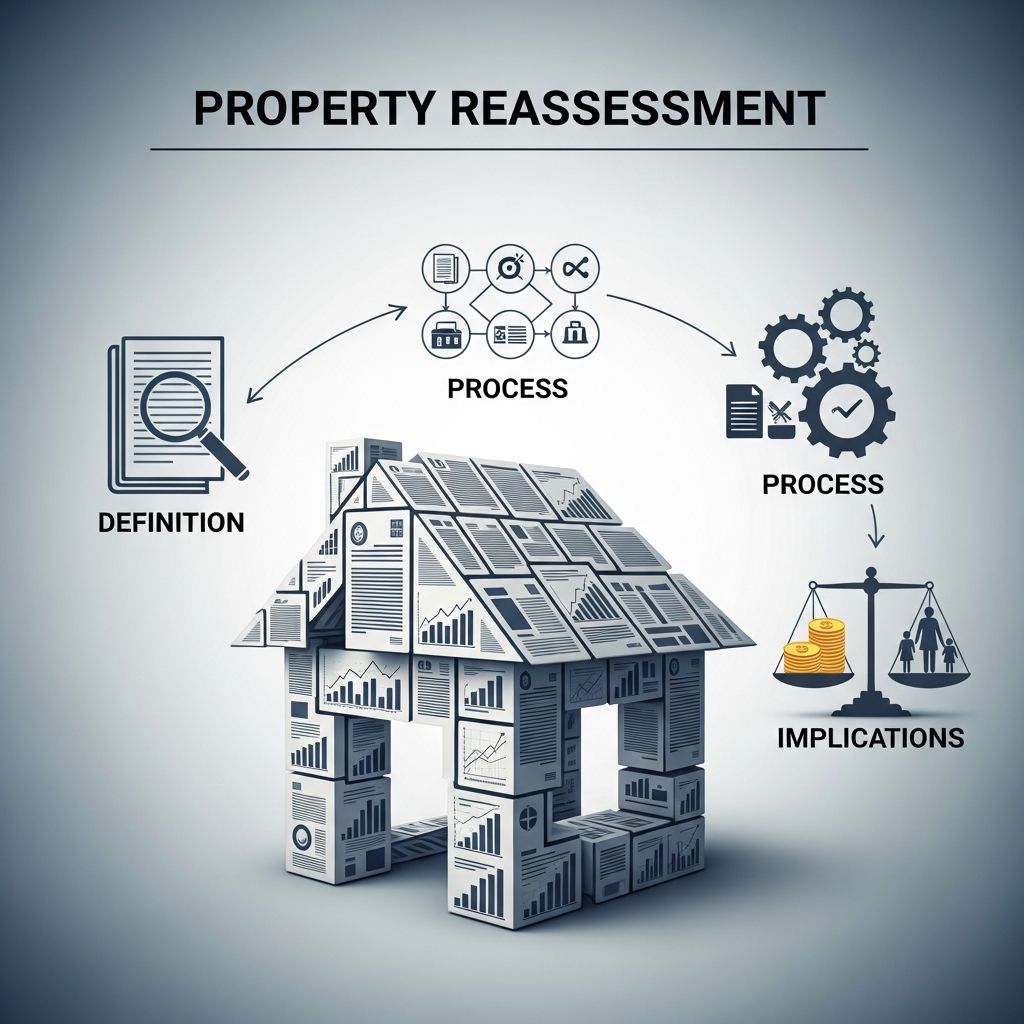
Property reassessment is the periodic reevaluation of a property’s market value by local government assessors or authorized appraisers. This process determines the assessed value used to calculate property taxes owed by homeowners. Unlike appraisals conducted for mortgage lending purposes, reassessments are official government valuations that directly affect the tax obligations of property owners. Most jurisdictions conduct reassessments at regular intervals, ranging from annually to every three to five years, depending on state or local regulations and the local real estate market conditions.
The primary purpose of property reassessment is to ensure that all properties within a tax jurisdiction are valued equitably and that property tax assessments reflect current market conditions. When properties in a neighborhood appreciate significantly or when substantial improvements are made to a property, a reassessment captures these changes and adjusts the tax base accordingly. Conversely, if property values decline due to economic downturns or neighborhood deterioration, a reassessment may result in lower assessed values and reduced tax bills.
How Property Reassessment Works
The Assessment Process
The reassessment process typically begins with the assessor’s office sending notice to property owners that their properties will be reassessed. Assessors use several methods to determine property values, including the market approach (comparing similar recently sold properties), the cost approach (calculating replacement cost minus depreciation), and the income approach (for investment properties, based on rental income potential).
Assessors may conduct physical inspections of properties to verify structural details, improvements, and condition. They gather data from public records, including deed transfers, building permits, and comparable sales. In many modern jurisdictions, computer-assisted mass appraisal (CAMA) systems analyze this data automatically to generate preliminary assessed values.
Notice and Appeal Rights
Property owners typically receive formal notice when a reassessment is completed, showing the new assessed value and how it compares to the previous assessment. Most jurisdictions provide homeowners with the right to appeal or challenge the reassessment if they believe the valuation is inaccurate or unfair. Appeals are usually reviewed by a local assessment appeals board or board of equalization. Homeowners may present evidence such as independent appraisals, repair estimates, or comparable market data to support their appeal.
Impact on Property Taxes
Tax Calculation Fundamentals
Property tax bills are calculated by multiplying the assessed value by the local millage rate (tax rate). If a reassessment increases a property’s assessed value, the resulting property tax will increase proportionally, assuming the tax rate remains constant. For example, if a property’s assessed value increases by 10% and the millage rate is unchanged, the property tax bill will also increase by approximately 10%.
However, some jurisdictions implement tax caps or homestead exemptions that limit how much assessed values or tax bills can increase in a single year. These protections help prevent dramatic tax spikes that could result from significant property appreciation.
Market Conditions and Reassessment Cycles
During periods of rapid property appreciation, reassessments can result in substantial tax increases. Conversely, in declining markets, reassessments may reduce tax burdens. The timing and frequency of reassessments significantly affect how quickly property tax changes reflect market conditions. In some jurisdictions, annual reassessments keep valuations current, while in others, multi-year intervals between reassessments may result in valuations that lag behind actual market changes.
Common Reasons for Reassessment
Scheduled Periodic Reassessments
Many jurisdictions conduct reassessments on a fixed schedule—annually, biennially, or every three to five years—to maintain current and equitable valuations across all properties in the tax district. These cyclical reassessments are routine administrative functions designed to update assessments systematically.
Triggered by Property Changes
Significant alterations to a property often trigger reassessment outside the normal cycle. Major renovations, additions, or improvements that increase square footage or functionality typically result in increased assessments. Conversely, substantial damage or deterioration may prompt a downward reassessment. Construction permits and building inspections create triggers for reassessment in many jurisdictions.
Market-Based Triggers
When a property is sold, many assessors use the sale price as a key indicator of current market value and may adjust the assessed value accordingly. This sales-triggered reassessment ensures that assessment practices reflect actual market transactions within the community.
Strategies for Homeowners
Understanding Your Assessment Notice
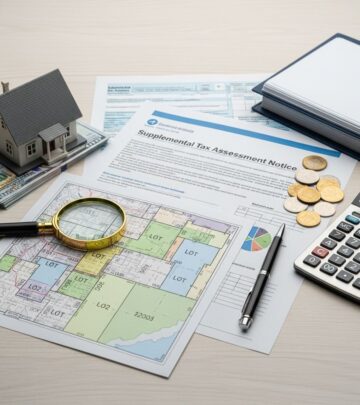
When receiving a reassessment notice, homeowners should carefully review the details, including the property description, assessed value, and calculation methodology. Compare the new assessment to the previous one and consider whether changes in your property or neighborhood justify the adjustment. Research recent comparable sales of similar properties in your area to determine if the assessed value is reasonable.
Preparing for an Appeal
If you believe your reassessment is inaccurate, gather supporting documentation before filing an appeal. Obtain an independent appraisal from a qualified professional; compile photographs showing property condition; collect estimates for needed repairs; document recent comparable sales; and prepare a detailed written explanation of any errors you identified in the assessment.
Timing Considerations
Most jurisdictions have strict deadlines for filing reassessment appeals, often ranging from 30 to 60 days after receiving the notice. Missing these deadlines typically forfeits your right to challenge the assessment for that cycle. Mark appeal deadlines on your calendar immediately upon receiving notice.
Types of Properties and Reassessment Variations
Residential Properties
Single-family homes are typically assessed using comparable market analysis, as recent sales data for similar properties provides reliable valuation benchmarks. Assessments for residential properties generally consider location, size, condition, age, and features such as garages and updated systems.
Commercial and Investment Properties
Commercial and rental properties are often assessed using the income approach, considering the income they generate. The assessor evaluates rental rates, occupancy rates, and expense ratios to determine value. This approach can produce different results than market comparables, particularly when actual rental income differs significantly from what similar properties typically generate.
Agricultural and Special-Use Properties
Many jurisdictions offer special assessment classifications for agricultural land, forestland, or other properties with restricted uses. These typically receive lower assessments based on their current use rather than their potential development value. Maintaining this classification often requires meeting specific criteria and making annual declarations to the assessor’s office.
Frequently Asked Questions
Q: How often do property reassessments occur?
A: Reassessment frequency varies by jurisdiction, ranging from annually to every three to five years. Some areas conduct reassessments only when properties are sold or significantly improved. Check with your local assessor’s office for the specific reassessment schedule in your area.
Q: What can I do if I disagree with my reassessment?
A: Most jurisdictions allow homeowners to appeal reassessments to a local board of assessment appeals or equalization board within a specified period. You can present evidence such as independent appraisals, comparable sales data, or documentation of property condition to support your appeal.
Q: Will my property taxes increase immediately after reassessment?
A: The timing depends on your jurisdiction’s procedures. Some implement new assessments immediately in the next tax year, while others may phase in increases over multiple years. Additionally, some areas have tax cap laws limiting annual increases.
Q: Can I prevent my property from being reassessed?
A: No, property reassessment is a mandatory government function for tax administration purposes. However, you cannot prevent the assessment, you can challenge its accuracy through the appeals process if you believe the valuation is incorrect.
Q: How does reassessment differ from appraisal?
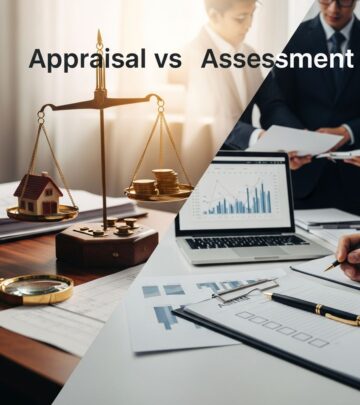
A: Appraisals are typically conducted by independent professionals for lending purposes and determine what a lender will finance. Reassessments are government valuations used for property tax purposes. While both estimate property value, they serve different functions and may use different methodologies.
References
- Property Tax Assessment Standards — International Association of Assessing Officers (IAAO). 2024. https://www.iaao.org/
- Understanding Your Property Tax Assessment — National Association of Counties (NACo). 2024. https://www.naco.org/
- Property Assessment and Tax Administration — Lincoln Institute of Land Policy. 2023. https://www.lincolninst.edu/
- Tax Assessment Appeal Process Guide — State Assessors Association Federation. 2024. https://www.iaao.org/
- Real Property Tax Administration — U.S. Department of Housing and Urban Development. 2024. https://www.hud.gov/
Similar Articles








Read full bio of medha deb