Property Manager Roles: Essential Guide For Investors
Discover the essential duties of property managers and how they maximize your real estate investment returns while minimizing owner hassles.

Property managers serve as vital partners for real estate investors, handling the intricate daily operations of rental properties to ensure smooth functionality and profitability. These professionals manage everything from tenant interactions to financial tracking, allowing owners to focus on growth rather than routine tasks.
Core Functions of a Property Manager
At the heart of property management lies a set of fundamental duties that keep properties occupied, maintained, and compliant. Property managers act as the on-site authority, bridging the gap between owners and tenants while safeguarding asset value.
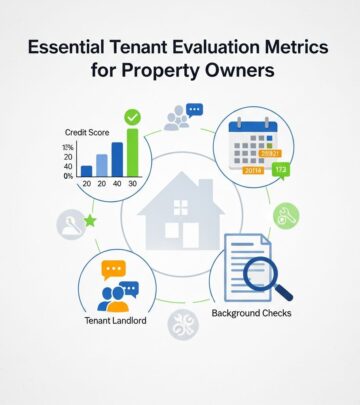
- Tenant Acquisition and Screening: They market vacant units through listings, virtual tours, and networks to attract quality renters. Rigorous screening involves credit checks, employment verification, and reference calls to select reliable occupants.
- Lease Administration: Drafting, negotiating, and enforcing lease agreements ensures clear terms on rent, rules, and responsibilities. This includes renewals and handling early terminations.
- Rent Management: Establishing competitive rental rates based on market analysis, collecting payments via online portals, and pursuing late fees or collections when needed.
These core functions prevent vacancies and cash flow disruptions, directly impacting investment returns.
Day-to-Day Operational Oversight
Property managers immerse themselves in the property’s routine, responding to issues in real time to maintain habitability and tenant satisfaction. Their proactive approach minimizes long-term costs.
For residential properties, this means coordinating emergency fixes like plumbing leaks or appliance failures. In commercial settings, they oversee larger-scale operations such as HVAC systems and common area upkeep.
| Task | Residential Focus | Commercial Focus |
|---|---|---|
| Daily Inspections | Apartment walkthroughs for wear and tear | Office space audits for safety compliance |
| Emergency Response | Lockouts, minor repairs | System outages, security breaches |
| Vendor Coordination | Local handymen, cleaners | Specialized contractors, landscapers |
This structured oversight ensures properties remain competitive and appealing to high-caliber tenants.
Financial Stewardship and Reporting
Effective financial management distinguishes top-tier property managers. They prepare budgets, track expenses, and generate reports that provide owners with clear insights into performance metrics.
- Budgeting: Forecasting annual costs for maintenance, utilities, and reserves.
- Expense Tracking: Paying bills for taxes, insurance, and vendors while seeking cost efficiencies.
- Profitability Analysis: Reviewing occupancy rates, rental income, and ROI to recommend adjustments.
Monthly statements detail inflows, outflows, and variances, empowering owners with data-driven decisions. For instance, they might advise on rent hikes aligned with inflation or local demand surges.
Maintenance and Vendor Management Strategies
Preserving property condition demands strategic maintenance planning. Property managers schedule preventive services like roof inspections or pest control to avert costly breakdowns.
They build rosters of trusted vendors, negotiating rates and verifying insurance. When repairs arise, bids are solicited for transparency, ensuring quality without overages.
In seasonal climates, tasks expand to snow removal or gutter cleaning, protecting structural integrity year-round.
Navigating Tenant Relations Effectively
Strong tenant relationships foster renewals and positive referrals. Managers handle communications, from welcome orientations to dispute resolutions, promoting harmony.
Common challenges include noise complaints or unauthorized modifications. Skilled managers mediate fairly, documenting interactions for legal protection.
For diverse portfolios, cultural sensitivity and anti-discrimination training are paramount, aligning with fair housing standards.
Legal Compliance and Risk Mitigation
Staying abreast of evolving regulations is non-negotiable. Property managers enforce habitability laws, ADA accessibility, and zoning rules to shield owners from liabilities.
They manage security deposits per state guidelines, conduct move-in/move-out inspections, and initiate evictions only as a last resort, following due process.
Insurance coordination ensures coverage gaps are closed, while safety protocols like fire drills keep properties audit-ready.
Marketing and Vacancy Prevention Tactics
Minimizing downtime is key to revenue stability. Managers deploy digital marketing—social media, listing sites, and SEO-optimized ads—to showcase properties.
Virtual staging and professional photography highlight features, accelerating leasing. Post-turnover make-readies prepare units swiftly for new occupants.
Distinctions: Residential vs. Commercial Management
While overlapping, residential and commercial management diverge in scale and complexity.
| Aspect | Residential | Commercial |
|---|---|---|
| Lease Lengths | Typically 12 months | 3-10 years, with escalations |
| Maintenance Scope | Individual units | Building-wide systems |
| Tenant Mix | Families, individuals | Businesses, multiple parties |
| Financials | Monthly rents | Triple net leases, CAM fees |
Commercial roles often involve triple-net leases where tenants cover taxes, insurance, and maintenance, shifting more burden to occupants.
Choosing the Right Property Management Partner
Owners should evaluate candidates on licensing, experience, tech adoption (e.g., property software), and fee structures—typically 8-12% of rents plus leasing fees.
References and performance metrics like occupancy rates reveal reliability. Contracts should outline services, termination clauses, and reporting frequency.
Cost-Benefit Analysis for Hiring Managers
Though fees apply, benefits accrue via higher occupancy, reduced vacancies, and legal safeguards. Self-management suits hands-on owners with few units; scaling demands professionals.
ROI calculations factor saved time, avoided fines, and premium rents from well-managed properties.
Emerging Trends in Property Management
Technology reshapes the field: apps for rent payments, AI-driven maintenance predictions, and virtual inspections streamline operations. Sustainability pushes green certifications, appealing to eco-conscious tenants.
Post-pandemic, touchless entry and health protocols have become standard, enhancing appeal.
Frequently Asked Questions
What qualifications do property managers need?
Most states require licensing after coursework and exams; certifications like CPM add credibility. Experience in real estate or customer service is essential.
How much do property managers charge?
Fees range from 8-12% of monthly rents, plus one month’s rent for leasing and renewal charges. Flat fees apply for smaller portfolios.
Can owners self-manage effectively?
Possible for local owners with 1-3 properties, but pros excel in compliance and scalability for larger holdings.
What software tools do managers use?
Platforms like AppFolio, Buildium, or Yardi handle accounting, tenant portals, and analytics.
How do managers handle emergencies?
24/7 on-call systems dispatch vendors; owners receive immediate updates and cost approvals.
Key Takeaways for Real Estate Investors
Property managers transform passive investments into high performers by expertly juggling operations, finances, and relations. Selecting a competent firm unlocks property potential while owners pursue new opportunities.
References
- What does a property manager do? — Rocket Mortgage. 2023. https://www.rocketmortgage.com/learn/what-does-a-property-manager-do
- Commercial Real Estate Property Manager Responsibilities — NAI Global. 2024-01-15. https://www.naiglobal.com/news/commercial-real-estate-property-manager-responsibilities-what-owners-and-investors-should-know/
- Job Description – Property Manager — Pace Properties. 2022. https://www.paceproperties.com/mm/files/Job%20Description%20-%20Property%20Manager.pdf
- 10 Common Property Manager Responsibilities — Mashvisor. 2023-05-10. https://www.mashvisor.com/blog/common-property-manager-responsibilities/
- Property Manager Job Description — NEAHMA. 2021. https://www.neahma.org/wp-content/uploads/Property-Manager-Job-Description.pdf
Similar Articles








Read full bio of Sneha Tete