Property Management Essentials: 5 Core Duties For Owners
Master the fundamentals of property management to protect your investment and maximize returns with expert insights on key duties and strategies.

Property management involves overseeing residential or commercial real estate to ensure smooth operations, tenant satisfaction, and financial viability for owners. Professionals in this field handle everything from daily upkeep to strategic planning, allowing owners to focus on growth rather than minutiae.
Defining the Scope of Property Management
At its heart, property management is the professional administration of real estate assets. This service extends to single-family homes, apartment complexes, and even community associations like HOAs. Managers act as intermediaries, bridging owners’ investment goals with tenants’ living needs. Their work preserves property value through proactive care and compliance with regulations.
Owners benefit by delegating time-intensive tasks, while tenants enjoy reliable services. In competitive markets, effective management differentiates properties, boosting occupancy rates and rental income. Key elements include operational oversight, financial stewardship, and risk mitigation.
Core Duties of Property Managers
Property managers juggle diverse responsibilities to keep properties thriving. These duties form the backbone of successful real estate investments.
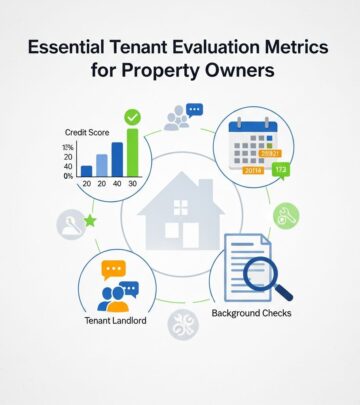
- Tenant Acquisition and Screening: Advertising vacancies, reviewing applications, conducting background checks, and selecting reliable renters to minimize turnover.
- Rent Collection and Pricing: Establishing competitive rates based on market analysis, pursuing late payments, and adjusting fees seasonally.
- Maintenance Coordination: Addressing repairs promptly, scheduling preventive checks, and managing vendor relationships for quality work.
- Financial Tracking: Preparing budgets, monitoring expenses, and generating reports for owners on income, costs, and profitability.
- Compliance Monitoring: Ensuring adherence to local housing laws, safety codes, and fair housing standards to avoid penalties.
These tasks demand organizational skills and industry knowledge, often supported by software for efficiency.
Financial Responsibilities in Property Oversight
Managing finances is pivotal, as it directly impacts profitability. Property managers develop budgets that balance routine costs with reserves for major repairs. They track rental income, utility bills, and vendor payments to maintain cash flow.
Owners retain ultimate accountability for mortgage payments, taxes, and insurance premiums, but managers facilitate by preparing documents and reminders. Detailed records of all transactions aid tax preparation and audits, providing transparency that builds owner trust.
| Financial Task | Manager Role | Owner Role |
|---|---|---|
| Rent Setting | Market research and adjustments | Approve rates and policies |
| Expense Tracking | Daily monitoring and reporting | Review statements |
| Tax Filings | Gather records | Ensure payments |
| Budgeting | Create annual plans | Fund reserves |
This division ensures fiscal health while leveraging managerial expertise.
Maintenance Strategies for Long-Term Value
Preventive maintenance prevents costly breakdowns, extending asset life. Managers inspect systems like HVAC, plumbing, and roofing regularly, coordinating seasonal tasks such as gutter cleaning or pest control.
Corrective actions follow tenant reports, with tools centralizing work orders for swift resolution. Vendor networks provide vetted contractors, controlling costs through competitive bidding. Data analytics from management software predict issues, shifting from reactive to proactive care.
- Quarterly inspections of common areas and units.
- Annual reviews of structural integrity.
- Emergency protocols for rapid response.
Such diligence enhances tenant retention and property appeal.
Navigating Tenant Relationships Effectively
Strong tenant relations drive occupancy and referrals. Managers serve as the primary contact, resolving complaints, enforcing lease terms, and fostering community. Screening processes verify credit, employment, and references to select low-risk occupants.
Lease management includes move-in orientations, periodic renewals, and eviction handling when needed, always per legal guidelines. Clear communication about rules—like pet policies or parking—prevents disputes while respecting fair housing laws.
In HOAs, managers mediate between residents and boards, upholding covenants for harmonious living.
Legal and Regulatory Compliance Essentials
Compliance safeguards against lawsuits and fines. Managers stay updated on federal HUD standards, state landlord-tenant laws, and local ordinances. This covers habitability requirements, anti-discrimination policies, and safety inspections.
Insurance coordination ensures coverage for liabilities, while records document adherence. In multi-unit settings, accessibility features and fire codes demand vigilant oversight. Non-compliance risks vacancy or legal action, underscoring the manager’s role in risk management.
Property Management in Different Settings
Single-Family Rentals
For individual homes, focus lies on tenant-specific maintenance and personalized service. Marketing targets families or professionals via online platforms.
Apartment Complexes
Scale amplifies needs: bulk vendor deals, amenity management (pools, gyms), and high-volume tenant turnover.
HOA Communities
Managers oversee shared spaces, collect dues, and enforce rules. Homeowners handle personal units, but common areas fall under professional purview.
Technology’s Role in Modern Property Management
Digital tools revolutionize operations. Platforms automate rent collection, track maintenance via apps, and generate analytics dashboards. Owners access portals for real-time updates, enhancing transparency.
AI-driven pricing adjusts rents dynamically, while IoT sensors flag issues early. These innovations cut costs by 20-30% through efficiency gains.
Choosing the Right Property Management Partner
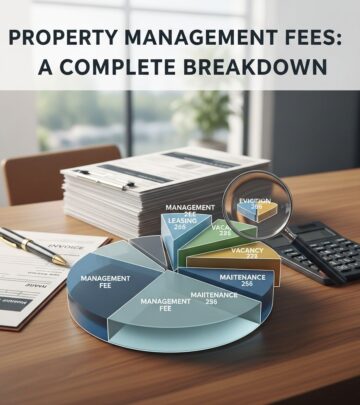
Select firms with proven track records, local expertise, and transparent fees (typically 8-12% of rent). Review references, software capabilities, and compliance history. Contracts should outline duties clearly, with performance metrics.
DIY management suits hands-on owners, but professionals excel for absentee landlords or portfolios.
Benefits and ROI of Professional Management
Hiring experts yields higher occupancy (95%+), faster repairs, and legal protection. Studies show managed properties appreciate faster due to upkeep. Owners save time, reducing stress while enjoying passive income streams.
Frequently Asked Questions
What qualifications should a property manager have?
Look for licensing where required, real estate experience, and certifications like NARPM. Strong communication and financial acumen are key.
How much do property managers charge?
Fees range from 8-12% of monthly rent, plus setup or leasing commissions. Compare value against savings in vacancies and repairs.
Can owners manage their own properties?
Yes, with time and knowledge. Tools like apps simplify tasks, but scale often necessitates pros.
What happens during tenant evictions?
Managers follow legal processes: notices, court filings, and sheriff enforcement, ensuring compliance throughout.
How do managers handle emergencies?
24/7 protocols prioritize safety, with on-call vendors for immediate action.
Future Trends in Property Management
Sustainability drives green retrofits, like solar installations. Remote monitoring via smart tech expands, while data analytics refines tenant matching. Post-pandemic, contactless services and health protocols persist.
Owners adapting to these trends future-proof investments amid evolving markets.
References
- Common Duties & Responsibilities of a Property Owner & Manager — BFP Management Inc. 2023. https://bfpminc.com/investor-guide/top-12-responsibilities-of-property-managers-and-owners/
- Who’s Job? Property Manager vs Homeowner — AMI HOA. 2024. https://amihoa.com/hoa-helpful-tips/whos-job-property-manager-vs-homeowner/
- A Beginner’s Guide to Property Management for Homeowners — Association Management Center. 2024. https://assocmc.com/beginner-guide-property-management/
- What is a Property Manager’s Main Responsibility to their Owners? — Property Meld. 2023. https://propertymeld.com/what-is-a-property-managers-main-responsibility-to-their-owners/
- What does a property manager do? — Rocket Mortgage. 2025. https://www.rocketmortgage.com/learn/what-does-a-property-manager-do
- Property Management Responsibilities, Part 1 — Navigate Housing. 2024. https://www.navigatehousing.com/tuesday-tip-whose-job-is-it/
Similar Articles








Read full bio of medha deb