Property Liens: Essential Guide For Buyers, Sellers, Owners
Discover what property liens mean for homeowners, from definitions and types to removal strategies and impacts on real estate transactions.
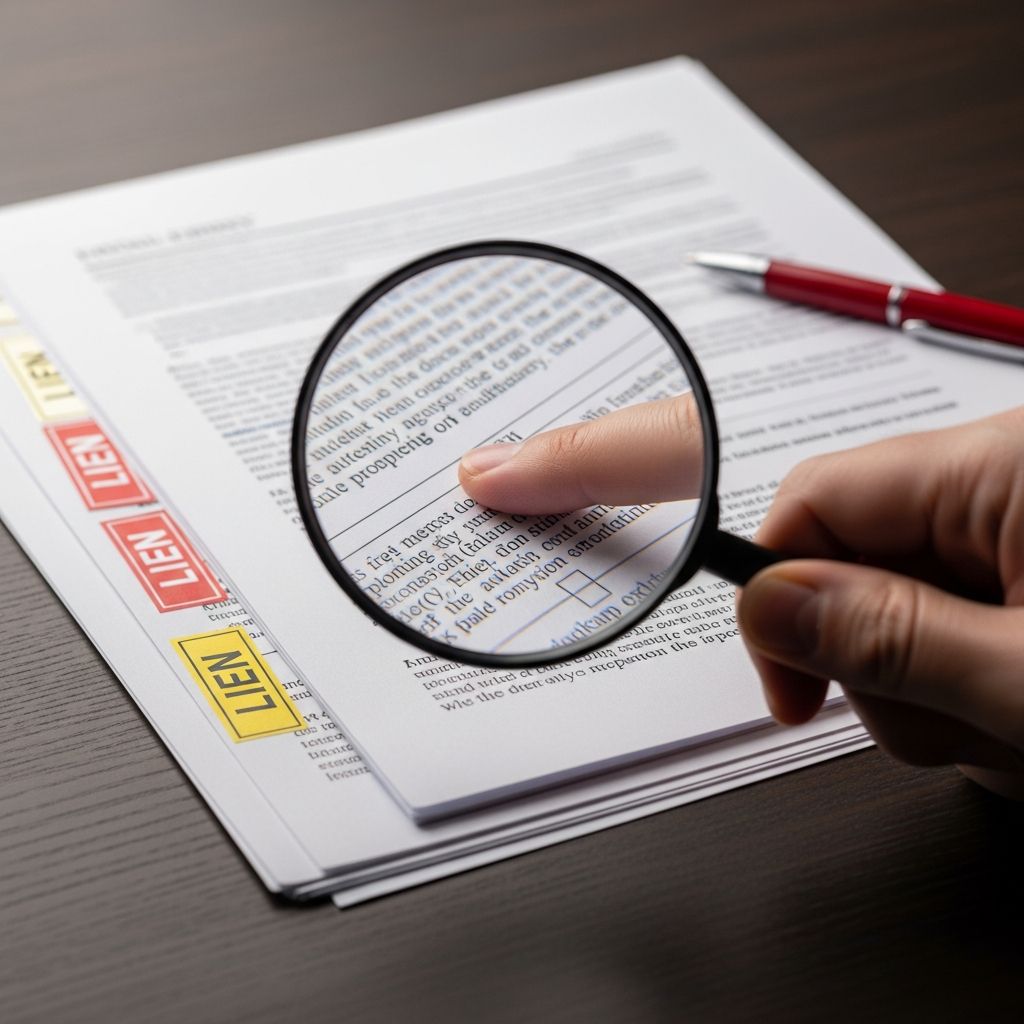
Property liens represent legal encumbrances on real estate that secure debts owed to creditors, impacting owners’ abilities to transfer or finance their holdings freely. Understanding these mechanisms is crucial for anyone involved in real estate transactions, as they can complicate sales, refinances, or even daily ownership rights.
Defining a Property Lien
A property lien establishes a creditor’s legal right to a specific asset, typically real estate, until an outstanding obligation is fulfilled. This claim is publicly recorded, alerting potential buyers, lenders, and other parties to the existing debt tied to the property. Unlike outright ownership transfer, a lien acts as collateral, allowing the creditor to pursue recovery through legal means if necessary.
Liens arise from various unpaid obligations, ranging from loans to taxes or services rendered. They attach to the property title, creating a cloud that must be addressed before clear ownership can be conveyed. In essence, they prioritize the creditor’s interests over the owner’s full control.
Key Classifications of Liens
Property liens fall into distinct categories based on their origin and scope, helping stakeholders assess risks and priorities.
Voluntary versus Involuntary Liens
Voluntary liens occur with the property owner’s consent, most notably through mortgage agreements where borrowers pledge their home as security for financing. Home equity loans similarly create voluntary encumbrances. Conversely, involuntary liens impose without agreement, triggered by defaults on taxes, court judgments, or contractor payments.
- Voluntary: Mortgages and consensual loans – owner-initiated for funding.
- Involuntary: Tax authorities or courts act unilaterally upon non-payment.
General versus Specific Liens
General liens grant creditors access to multiple assets owned by the debtor, such as IRS claims spanning various properties. Specific liens, however, target only the property linked to the debt, like a mortgage confined to one home. This distinction influences recovery strategies and foreclosure risks.
| Type | Description | Examples | Scope |
|---|---|---|---|
| General | Affects all debtor assets | IRS tax liens | Broad |
| Specific | Limited to one property | Mortgage liens | Targeted |
Common Types of Property Liens
Several lien varieties commonly appear on property records, each with unique filing processes and implications.
Mortgage Liens
The most familiar type, mortgage liens secure home loans by giving lenders first claim on the property until repayment. Upon full payment, the lien releases, clearing the title. These are voluntary and rank high in priority during sales.
Tax Liens
Government entities file tax liens for unpaid property, state, or federal taxes, often holding super-priority status. Local property tax liens can supersede even mortgages, potentially leading to forced sales if ignored.
Mechanic’s or Contractor Liens
These protect workers and suppliers unpaid for improvements to the property, filed through courts against the specific real estate involved. Timely notices are required, and they can halt sales until settled.
Judgment Liens
Resulting from civil court victories, judgment liens attach to properties when debtors lose lawsuits over unpaid obligations. They persist for statutory periods, varying by state, and apply to both real and personal assets.
Other Notable Liens
Assessment liens cover unpaid HOA or community fees, while estate tax liens address inheritance taxes. Each type demands prompt attention to avoid escalation.
How Liens Impact Property Transactions
Liens significantly hinder property dealings by clouding title, deterring buyers and financiers. Sellers must disclose them, and unresolved liens can derail closings or reduce sale proceeds.
During refinances, multiple liens establish a priority order based on filing dates – first in time typically first in right. Buyers conduct title searches to uncover liens, often requiring seller resolutions via escrow funds.
- Cannot sell without payoff or buyer assumption (rare).
- Refinancing blocked until senior liens cleared.
- Potential foreclosure by aggressive lienholders.
Steps to Identify Liens on Your Property
Proactive checks via county recorder offices or title companies reveal liens through public records searches. Online portals in many jurisdictions provide preliminary access, but professional title reports offer comprehensive reviews.
Real estate agents and lenders routinely perform these during transactions, but owners should monitor periodically, especially post-renovations or legal disputes.
Strategies for Resolving and Removing Liens
Clearing liens restores full title control, essential for transactions.
- Negotiate payoff: Settle debts directly with creditors for release documents.
- Dispute validity: Challenge improper liens in court if errors exist.
- Refinance or sell: Use proceeds to satisfy liens in priority order.
- Statute of limitations: Some expire naturally if not enforced.
Post-resolution, file satisfactions with the recorder to update records. Professional assistance from attorneys accelerates processes.
Preventing Liens from Forming
Avoidance begins with timely payments on mortgages, taxes, and contractor invoices. Contracts should specify payment terms, and owners verify lien waivers from service providers. Regular title monitoring and escrow services during sales further mitigate risks.
Legal Priorities and Foreclosure Risks
Lien priority dictates payout sequences in foreclosures or sales. Tax liens often lead, followed by mortgages, then junior liens. Unpaid senior liens can trigger property seizures, underscoring resolution urgency.
FAQs on Property Liens
What happens if I ignore a lien?
Ignored liens may lead to foreclosure, forced sales, or credit damage, prioritizing creditor recovery.
Can I sell a house with a lien?
Yes, but proceeds pay liens first; negotiate payoffs or short sales if underwater.
How long do liens last?
Durations vary: mortgages until paid, judgments 5-20 years by state, renewable.
Do liens affect credit scores?
Indirectly via underlying debts; public records may influence lender decisions.
Who performs title searches for liens?
Title companies, attorneys, or county offices during transactions.
Navigating Liens as a Buyer
Purchasers demand lien-free titles via insurance policies protecting against post-sale claims. Contingencies in offers allow exits if liens surface. Educated buyers request preliminary reports early.
In investment scenarios, liens offer opportunities like discounted purchases assuming debts, but risks abound without expertise.
References
- Property Lien: Definition, How It Works, and Types — MREI. 2023. https://www.mrei.co.uk/post/property-lien-definition-how-it-works-and-types
- Lien on Property: What Real Estate Agents Should Know — National Association of Realtors. 2024. https://www.nar.realtor/residential-real-estate/lien-on-property
- What is a lien and how does it work? — Rocket Mortgage. 2025-01-15. https://www.rocketmortgage.com/learn/lien
- Lien on a Property: What You Need to Know — Chase. 2024-06-10. https://www.chase.com/personal/mortgage/education/buying-a-home/lien-on-property
- lien | Wex | US Law — Legal Information Institute, Cornell Law School. 2025. https://www.law.cornell.edu/wex/lien
- What is a Lien and How Does It Work? — Experian. 2024-11-20. https://www.experian.com/blogs/ask-experian/what-is-a-lien/
- What Is a Lien on Your Property? — Nolo. 2024. https://www.nolo.com/legal-encyclopedia/what-property-lien.html
Similar Articles








Read full bio of Sneha Tete