Property Lien: Definition, Types, and Legal Implications
Understand property liens: how they work, their types, and impact on real estate transactions and ownership rights.

What Is a Property Lien?
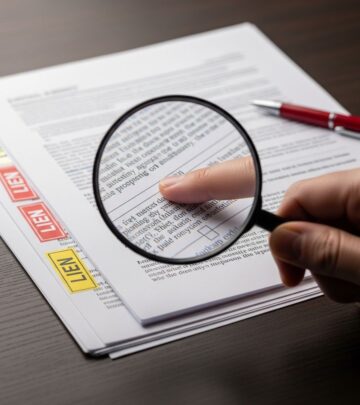
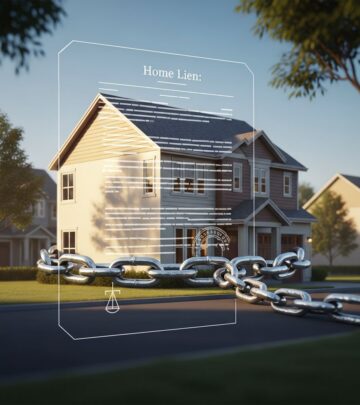
A property lien is a legal claim placed on real estate by a creditor as security for an unpaid debt. It serves as an official notice that a property owner owes money to a creditor and grants the lienholder—often a lender, contractor, tax authority, or other creditor—the right to take legal action against the property if the debt remains unsatisfied. Once a lien is recorded in public records, it becomes notice to potential buyers, lenders, and other interested parties that the property has an outstanding obligation attached to it.
The primary purpose of a lien is to protect the creditor’s interests and serve as a collection tool. When a property owner fails to fulfill their financial obligations, the lienholder can pursue legal remedies, including forcing the sale of the property to recover the unpaid debt. Understanding property liens is crucial for anyone involved in real estate transactions, property management, or borrowing money secured by real property.
How Property Liens Work
The mechanics of a property lien involve several key steps. When a creditor places a lien on a property, they file a document with the local government or county recorder’s office. This filing creates a public record that encumbers the property, meaning any future transactions involving the property must account for the lien.
The lien essentially gives the creditor a legal interest in the property. If the property owner attempts to sell the property, the lienholder typically must be paid from the sale proceeds before the owner receives any money. Similarly, if the owner tries to refinance the property or obtain additional financing, lenders will discover the lien during title searches and may refuse to proceed until the lien is satisfied.
In cases where the debt remains unpaid for an extended period, particularly with tax or mortgage liens, the lienholder may initiate foreclosure proceedings. This legal process allows the creditor to force the sale of the property at auction to recover the debt. The priority of the lien—which lien gets paid first if multiple liens exist—is determined by the order of filing, with first liens taking priority over junior liens.
Types of Property Liens
Property liens come in various forms, each with distinct characteristics, priority levels, and legal implications. Understanding these different types is essential for property owners and investors.
Voluntary Liens
A voluntary lien is one that both parties explicitly agree to as part of a contractual arrangement. The most common example is a mortgage lien. When a borrower takes out a home loan, they sign documentation that allows the lender to place a lien on the property as collateral. The borrower voluntarily accepts this lien in exchange for receiving the loan funds. The lien remains in place until the mortgage is fully repaid. Voluntary liens also include home equity lines of credit and other secured loans where the borrower knowingly pledges their property as collateral.
Mortgage Liens
A mortgage lien is one of the most common types of property liens. When a property owner borrows money to purchase a home or refinance an existing mortgage, the lender places a lien on the property. This lien secures the lender’s interest and gives them the right to foreclose if the borrower defaults on loan payments. Mortgage liens typically take priority over most other liens on the property, making them a first lien in most cases.
Tax Liens
Government agencies can place tax liens on properties when owners fail to pay property taxes or federal income taxes. Tax liens are involuntary and take precedence over many other liens. State and federal tax authorities have the power to enforce these liens aggressively, potentially leading to foreclosure and forced sale of the property. Tax liens can attach to all property owned by the delinquent taxpayer and typically have superior priority status due to government authority.
Mechanic’s Liens
Contractors, subcontractors, and suppliers who perform work or provide materials for property improvements but haven’t been paid can file a mechanic’s lien, also known as a construction lien. This lien gives these service providers legal recourse against the property if they don’t receive payment. Mechanic’s liens can significantly complicate property sales and refinancing, as title companies and lenders require evidence that all construction-related debts have been satisfied.
Judgment Liens
A judgment lien arises after a court rules in favor of a creditor, typically following a lawsuit for unpaid debts. The court grants the creditor the right to claim the debtor’s property to satisfy the judgment. Judgment liens can result from various types of lawsuits, including credit card debt, personal loans, or other legal disputes. These liens are involuntary and binding once issued by the court.
HOA and Condo Liens
Homeowners’ associations and condominium associations can place liens on properties when owners fail to pay HOA or condo fees. While these liens can prevent homeowners from selling their property until the debt is settled, they typically don’t put the home at risk of foreclosure in the same manner as tax or mortgage liens. However, they still create significant encumbrances on the property title.
Other Notable Liens
Additional lien types include landlord’s liens for unpaid rent, municipal liens for public improvements that benefit specific properties, and statutory liens that arise by force of law in specific circumstances. Each type has unique characteristics and legal standing within the property’s priority structure.
Impact on Property Ownership and Transactions
While a lien doesn’t remove ownership from the property owner, it significantly limits their control over the property. A liened property becomes difficult to sell or refinance because potential buyers and lenders typically will not proceed with transactions involving encumbered properties. This creates substantial complications for owners who need to access their property’s equity or transfer ownership.
The presence of a lien on a property must be disclosed during any sale or refinancing process. Title companies conducting title searches will identify any recorded liens, and these must be resolved before closing. If liens aren’t satisfied at closing, the transaction cannot proceed. This requirement protects buyers from inheriting the seller’s debts but also means sellers must use sale proceeds to pay off liens before receiving any funds.
For property owners seeking home equity loans or lines of credit, existing liens present additional obstacles. Lenders conducting underwriting will review all recorded liens against the property. If junior liens exist—liens with lower priority than the proposed new loan—lenders may require that these be paid off and released before approving the new loan. This reduces the homeowner’s borrowing capacity and complicates the financial planning process.
Voluntary Versus Involuntary Liens
Understanding the distinction between voluntary and involuntary liens is critical. Voluntary liens result from agreements entered into by the property owner, such as mortgages or home equity loans. The owner knowingly accepts these liens as a condition of receiving credit.
Involuntary liens, by contrast, are imposed without the property owner’s consent. These include tax liens, judgment liens, mechanic’s liens for unpaid construction work, and HOA liens for delinquent fees. Involuntary liens typically result from the property owner’s failure to meet financial obligations or comply with legal requirements. These liens can be particularly damaging because they often take priority over voluntary liens and may lead to more aggressive collection efforts, including foreclosure.
Priority and Lien Position
When multiple liens attach to the same property, their priority determines which creditors get paid first if the property is sold. Generally, liens are prioritized based on the order in which they were recorded, with earlier filings taking priority. A first lien or first position lien has the highest priority and is paid first from sale proceeds. Second mortgages, junior liens, and other subordinate liens are paid after senior liens are satisfied.
This priority structure is crucial for understanding the real financial implications of liens. A property owner might owe $300,000 on a first mortgage, $50,000 on a home equity line of credit (second lien), and $10,000 in property taxes (tax lien with superior priority). If the property sells for $320,000, the priority determines who receives payment. Tax liens often have superior priority regardless of recording order, which is why tax authorities are highly motivated to enforce their liens.
Resolving Property Liens
Property owners facing liens have several options for resolution. The most straightforward approach is to pay off the debt in full, which causes the lienholder to release the lien. Once released, the lien no longer encumbers the property, and it can typically be removed from public records.
For those unable to pay the full amount immediately, negotiating with the lienholder may result in a settlement for less than the full debt, a payment plan, or other arrangements. Some creditors are willing to accept partial payment if it resolves the matter more quickly than pursuing foreclosure.
Property owners can also attempt to refinance existing loans, potentially using proceeds to pay off liens. However, as discussed earlier, many lenders won’t refinance properties with existing liens until those liens are satisfied or subordinated. Selling the property and using sale proceeds to pay off liens is another option, though this requires finding a buyer willing to deal with the lien and timing the sale appropriately.
In some cases, property owners may dispute liens they believe are invalid or incorrectly recorded. Legal action to contest a lien requires demonstrating that the lien was improperly filed, that the underlying debt was paid, or that the lien violates applicable law. This process typically requires legal assistance and can be time-consuming and expensive.
Protecting Your Property Investment
Property owners can take several steps to protect themselves from liens. Regularly monitoring the property’s title through title searches can alert owners to any liens that have been filed. Prompt attention to bills, loan payments, and tax obligations prevents involuntary liens from being placed on the property in the first place.
Before purchasing property, thorough title searches and inspections should identify any existing liens. Title insurance protects owners against certain defects in title, including undisclosed liens, though standard owner’s policies typically don’t cover liens placed after the purchase date. Understanding the distinction between different types of liens and their priorities helps owners make informed decisions about property transactions.
For contractors and service providers, filing mechanic’s liens properly and within statutory timeframes protects their interests. Property owners can reduce their risk by paying all contractors and suppliers promptly and obtaining lien waivers before making final payments.
Frequently Asked Questions
Q: Can I sell my property if there is a lien on it?
A: Technically yes, but the lien must typically be satisfied from the sale proceeds before you receive any money. Most buyers and title companies require that all liens be cleared before closing. In some cases, you may negotiate with the lienholder to accept payment from sale proceeds at closing.
Q: What is the difference between a lien and a mortgage?
A: A mortgage is a specific type of lien. When you obtain a mortgage loan, the lender places a lien on your property as security for the loan. A mortgage involves both a debt instrument and a lien, whereas not all liens result from mortgages—some arise from tax obligations, court judgments, or unpaid services.
Q: How long does a lien stay on my property?
A: The duration varies by lien type and jurisdiction. Mortgage liens remain until the loan is paid off. Tax liens can last many years and may be renewed. Judgment liens typically last 7-10 years but may be renewable. Mechanic’s liens are generally valid for several years. You can remove a lien by paying the underlying debt or, in some cases, through legal proceedings.
Q: Can a lien affect my credit score?
A: Yes, liens can negatively impact your credit score, particularly involuntary liens like tax or judgment liens. These appear on credit reports and signal to creditors that you have unpaid obligations, making it more difficult to obtain new credit at favorable terms.
Q: What should I do if I discover an invalid lien on my property?
A: Document the issue and contact the lienholder to dispute the lien. Request that they provide proof of the underlying debt or correct the error. If they refuse, you may need to file a legal action to contest the lien. Consulting with a real estate attorney is advisable in these situations.
Q: Can a lien be placed on my property without my knowledge?
A: Yes, involuntary liens such as tax liens, judgment liens, and mechanic’s liens can be filed without your knowledge. This is why regular title monitoring and prompt payment of obligations is important. You should receive notice of most liens, but discovery may not occur immediately after filing.
References
- Uniform Commercial Code Article 9: Secured Transactions — National Conference of Commissioners on Uniform State Laws. 2022. https://www.uniformlaw.org/committees/community-home?community_id=15
- Property Rights and Liens: A Comprehensive Overview — American Bar Association, Real Property, Trust and Estate Law Section. 2023. https://www.americanbar.org/groups/real_property_trust_estate/
- Federal Tax Liens and Property Rights — Internal Revenue Service (IRS). 2024. https://www.irs.gov/businesses/small-businesses-self-employed/federal-tax-liens
- State Mechanic’s Lien Laws: Statutory Requirements and Procedures — National Association of Surety Bond Producers. 2023. https://www.nasbp.org/
- Residential Mortgage Lending Standards and Lien Priority — Federal Reserve Board. 2024. https://www.federalreserve.gov/
Similar Articles








Read full bio of medha deb