Property Encumbrances: Essential Guide For Homebuyers
Discover how property encumbrances affect home buying, ownership, and equity, and learn strategies to navigate liens, easements, and restrictions effectively.

Property encumbrances represent legal claims or restrictions on a home’s title that can limit its use, transferability, or value. These issues, ranging from unpaid debts to shared access rights, must be identified early to avoid complications in purchasing, financing, or selling a property.
Defining Encumbrances and Their Core Impact
Encumbrances are any rights or interests held by parties other than the property owner that burden the title. They do not transfer ownership but can cloud title, potentially blocking sales or loans until resolved. Common in real estate transactions, they arise from financial obligations, governmental rules, or neighbor agreements.
Financial encumbrances like mortgages or liens prioritize creditor claims during foreclosure. Non-financial ones, such as easements, allow specific uses without ownership transfer. Homeowners must address these to maintain clear title and equity buildup, as unresolved issues can lead to legal disputes or diminished property value.
Financial Encumbrances: Liens and Mortgages Explained
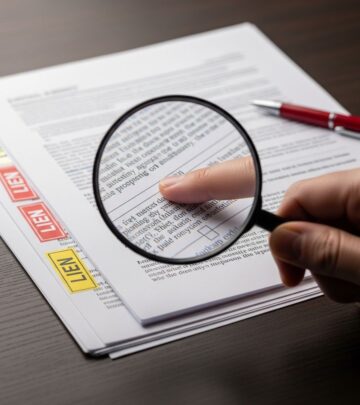
Liens are the most prevalent financial encumbrances, securing debts against the property. A mortgage lien, placed by lenders, remains until the loan is paid. Mechanic’s liens from unpaid contractors or tax liens from delinquent property taxes also encumber titles.
These must be cleared before selling, often through payoff at closing. Buyers use title searches to detect them; lenders require title insurance to protect against undiscovered liens. Property taxes, typically escrowed in mortgage payments, average 0.75% to 1.5% of assessed value annually, with escrow adding roughly $400 monthly for a $4,800 yearly bill.
- Voluntary liens: Mortgages or home equity loans created by the owner.
- Involuntary liens: Tax liens or judgment liens from court rulings.
- Equitable liens: Implied claims, like vendor liens for unpaid purchase balances.
Failure to pay property taxes triggers liens by local governments, enforceable via foreclosure. Homeowners insurance, averaging $1,500 yearly in 2025, covers damages but not liens, emphasizing separate budgeting.
Non-Financial Encumbrances: Easements and Rights-of-Way
Easements grant usage rights to others without ownership transfer. Common types include:
- Appurtenant easements: Benefit adjacent properties, like a shared driveway, binding successors.
- Gross easements: Personal to the holder, such as utility companies accessing lines.
- Prescriptive easements: Gained via long-term use, akin to adverse possession.
These restrict full control; a utility easement prohibits building over buried lines. Detected via surveys and title reports, they rarely derail sales but require disclosure. Neighbors with access easements can sue for interference, impacting resale.
Covenants, Conditions, and Restrictions (CC&Rs)
CC&Rs are private rules in deeds or HOAs limiting property use, like paint colors or fence heights. Enforced by neighbors or associations, violations lead to fines or liens.
HOA fees, averaging $250 monthly, fund maintenance but add encumbrances via bylaws. Buyers review CC&Rs pre-purchase; non-compliance risks forced corrections. These enhance neighborhood value but curb freedoms, with total ownership costs including $250 monthly maintenance (1% rule).
| Encumbrance Type | Impact on Owner | Resolution Method |
|---|---|---|
| Liens | Blocks sale/loan | Payoff at closing |
| Easements | Limits land use | Accept or negotiate |
| CC&Rs | Usage restrictions | Compliance or waiver |
Uncovering Encumbrances During Purchase
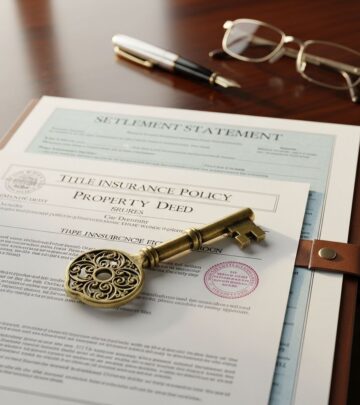
Title searches by attorneys or companies review public records for liens, easements, and judgments. Surveys map physical encumbrances like encroachments. Preliminary title reports outline issues pre-closing.
Escrow smooths resolution, holding funds until clearances. Title insurance, from commitment to final policy, protects against hidden defects. Buyers budget 1-2% of price for these, plus closing costs like appraisals ($400-600).
Utility easements appear in plats; tax liens via county records. Proactive checks prevent post-purchase surprises, vital as mortgage payments exclude these—total monthly for a $300k home: $2,825 including taxes ($400), insurance ($125), utilities ($300), HOA ($250), maintenance ($250).
Managing and Resolving Title Clouds
Payoff statements clear financial liens. Quiet title actions litigate disputes. Easement terminations require agreement or abandonment proof.
HOA compliance avoids superliens prioritizing fees. Regular title monitoring post-purchase detects new issues. Home warranties cover repairs, easing maintenance burdens beyond encumbrances.
- Review annual tax statements.
- Audit credit for judgments.
- Update insurance for coverage gaps.
Encumbrances’ Effect on Property Value and Financing
Heavy encumbrances deter buyers, lowering offers. Lenders appraise considering restrictions; easements may reduce value 5-10%. Clear titles boost equity, enabling refinancing.
Tax benefits include deductible interest on $750k debt and $10k SALT (property taxes). Fixed mortgages stabilize payments, but encumbrances complicate equity access.
Legal Ramifications of Ignoring Encumbrances
Unresolved liens invite foreclosure. Easement violations spur injunctions. CC&R breaches yield fines or liens. Disclosure laws mandate revealing known issues, with nondisclosure risking lawsuits.
Foreclosure from tax liens averages 6-24 months, wiping junior liens. Homeowners build reserves for surprises, targeting 3-6 months expenses.
Strategies for Clear Title Homeownership
Pre-buy: Full title search, survey, insurance. Budget comprehensively: Mortgage + taxes + insurance + HOA + 1% maintenance. Automate escrow for taxes/insurance.
Post-buy: Annual reviews, maintenance logs, HOA engagement. Selling: Updated title report accelerates closings.
Frequently Asked Questions
What is a property encumbrance?
A claim or restriction on title limiting rights, like liens or easements.
Do encumbrances transfer with the property?
Most do, except personal ones like gross easements.
How to remove a lien?
Pay the debt and record release.
Are HOA rules encumbrances?
Yes, via recorded CC&Rs creating equitable servitudes.
Does title insurance cover all encumbrances?
Post-policy ones no; it protects against pre-policy defects.
References
- Ready to buy a home? — Consumer Financial Protection Bureau. 2023. https://www.consumerfinance.gov/consumer-tools/mortgages/ready-to-buy-a-home/
- Additional Financial Home Buying Obligations — Peoples Bank. 2025. https://financialtips.bankatpeoples.com/home-ownership/buying-a-home/article/additional-financial-home-buying-obligations
- Homeowners Insurance Information — Insurance Information Institute. 2025. https://www.iii.org/
- Tax Cuts and Jobs Act — U.S. Internal Revenue Service. 2017 (ongoing). https://www.irs.gov/taxtopics/tc503
- Achieving Financial Stability Through Homeownership — Town of Westborough, MA. 2020. https://www.town.westborough.ma.us/DocumentCenter/View/709/Achieving-Financial-Stability-Through-Homeownership-PDF
- Pros & Cons of Home Ownership — InCharge Debt Solutions. 2024. https://www.incharge.org/housing/homebuyer-education/homeownership-guide/advantages-and-disadvantages-of-owning-a-home/
Similar Articles








Read full bio of medha deb