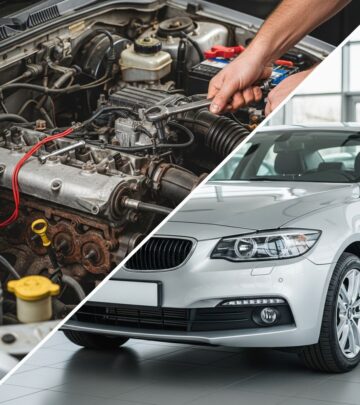
Professional Car Paint Job vs DIY: Cost & Quality
Compare professional and DIY car painting: costs, quality, and which option suits your needs best.
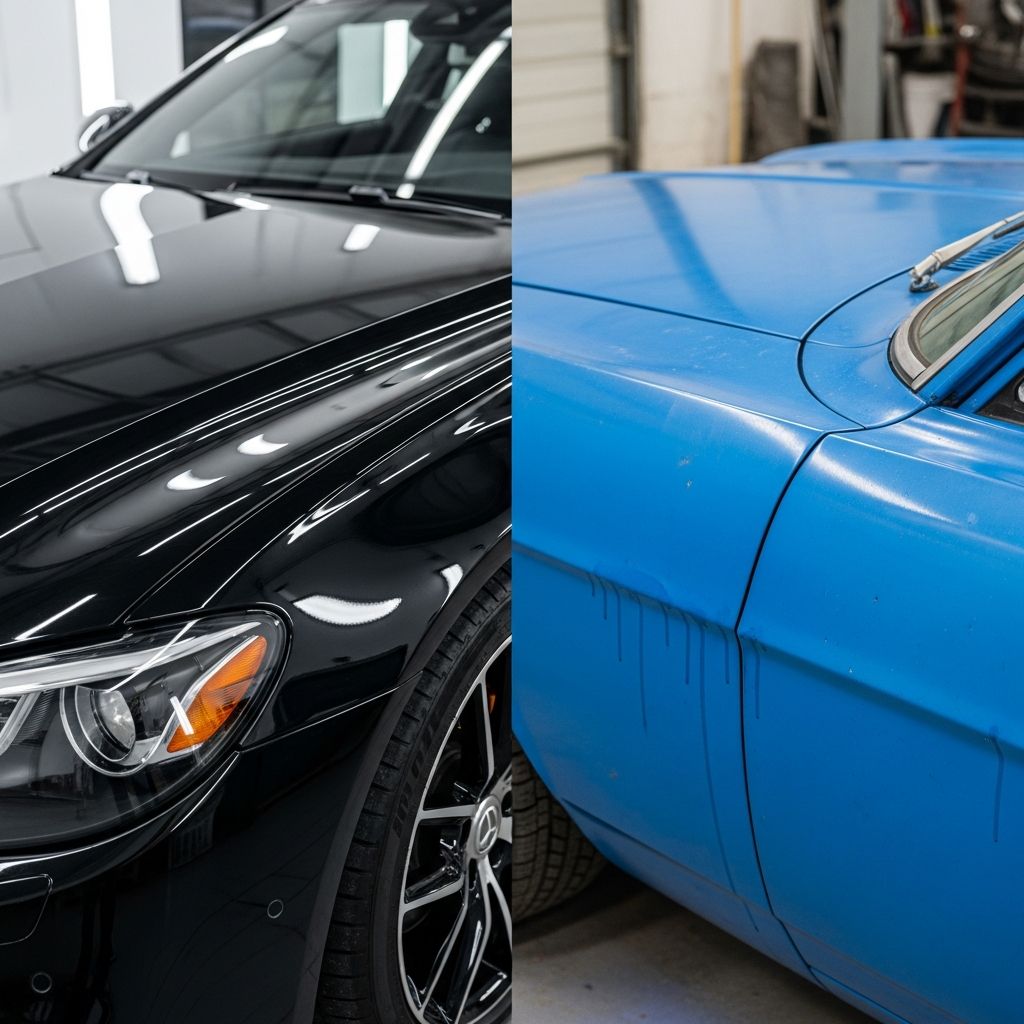
Professional Car Paint Job vs. DIY: Understanding the Real Costs and Quality
When your vehicle’s paint begins to show signs of wear, fading, or damage, you face a significant decision: invest in a professional paint job or tackle it yourself. While the allure of saving money through a DIY approach might seem attractive at first glance, the reality of car painting is far more nuanced. Understanding the true costs, quality differences, and practical considerations between these two options is essential for making a decision that aligns with your budget, skill level, and vehicle care priorities.
Understanding the Scope of Professional Paint Jobs
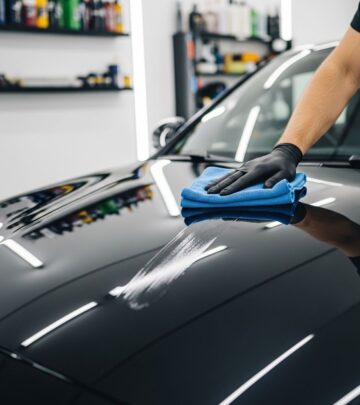
Professional car painting represents a comprehensive service that extends far beyond simply applying paint to your vehicle’s exterior. Certified automotive painters bring years of training, specialized equipment, and quality materials to deliver results that significantly exceed amateur efforts. The process involves multiple stages, from initial surface preparation through final protective coating application.
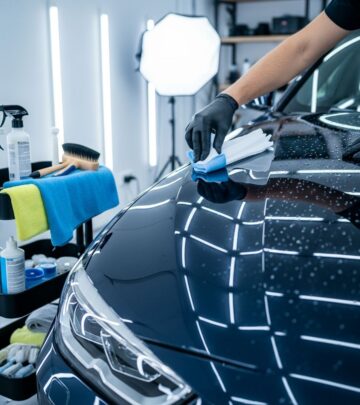
Professional paint shops operate in environmentally controlled facilities designed to maintain optimal conditions during the painting and drying process. These controlled spaces prevent dust, debris, and moisture contamination that could compromise the finish quality. The painters themselves undergo extensive training in color matching, spray techniques, and surface preparation methods that directly impact the final appearance and longevity of the paint job.
Breaking Down Professional Paint Job Costs
Professional car painting costs vary significantly based on several factors, and understanding this pricing structure helps you evaluate whether the investment justifies the expense. The average cost to paint a car ranges from $300 to more than $20,000, depending primarily on the quality level you’re seeking.
Basic Paint Jobs
Basic paint jobs represent the most economical professional option, typically costing between $300 and $1,500. These jobs include a single-coat application with minimal surface preparation and no protective finish. Non-visible areas such as the underside of the hood or inside door frames are usually left in their original condition. Basic paint jobs offer a straightforward solution for those on tight budgets, though they typically come with shorter lifespans and limited warranties.
Mid-Grade Paint Jobs
Mid-grade paint jobs represent the sweet spot for many vehicle owners, ranging from $1,000 to $4,500 in cost. These services include thorough surface preparation, higher-quality paint materials, multiple coats, and a protective clearcoat finish. The preparation work is more extensive than basic jobs, addressing minor imperfections and ensuring proper paint adhesion. This option provides substantially better appearance and durability compared to basic alternatives, making it ideal for family vehicles requiring standard repaints.
High-End Paint Jobs
Premium paint jobs range from $5,000 to $20,000 or beyond, representing the highest quality professional option available. These comprehensive services include sanding the vehicle down to bare metal, applying multiple coats of premium or specialty paint, and finishing with advanced urethane or ceramic protective coatings. High-end jobs often incorporate custom designs, metallic or pearlescent finishes, and meticulous attention to detail that creates showroom-quality results with exceptional durability and aesthetic appeal.
The True Cost of DIY Car Painting
Many people approach DIY car painting with the belief that it represents a significant cost savings opportunity. The reality, however, tells a different story. While basic DIY paint supplies might cost $100 to $1,000, this figure often dramatically underestimates the true investment required. The hidden costs of DIY painting frequently surprise those who haven’t completed such a project before.
Equipment Expenses
Professional-quality results require specialized equipment that represents a substantial financial outlay. Paint spray guns alone can cost several hundred dollars for quality models. An air compressor capable of supplying consistent pressure for spray painting typically ranges from $200 to $1,000 or more depending on horsepower and tank capacity. A proper paint booth or enclosed workspace, while optional, costs thousands of dollars and remains necessary for preventing contamination. Protective equipment, including respirators, suits, and gloves, adds additional expenses to the project.
Material Quality and Quantity
Achieving professional-looking results requires high-quality paint materials, yet budget constraints often force DIY painters toward lower-grade alternatives. Professional painters access premium paints specifically formulated for durability and longevity, while DIY painters frequently substitute cheaper options that offer inferior protection and shorter lifespans. Multiple coats of paint become necessary to achieve an even finish, significantly increasing material consumption beyond initial estimates.
Time Investment and Learning Curve
The time commitment required for DIY car painting extends far beyond the actual painting phase. Proper surface preparation—including washing, sanding, masking, and priming—demands meticulous attention and often requires 20-40 hours or more depending on the vehicle’s condition and size. The learning curve for mastering proper spray techniques, paint application methods, and achieving uniform coverage represents another substantial hidden cost in terms of time and potential mistakes.
Quality Comparison: Professional vs. DIY Results
The quality difference between professional and DIY paint jobs becomes immediately apparent upon close inspection. Professional painters possess the expertise, equipment, and experience necessary to deliver flawless finishes that enhance vehicle appearance and value, while DIY attempts frequently fall short of these standards.
Surface Preparation
Professional shops invest considerable time in proper surface preparation, which directly determines the quality of the final finish. This includes thorough cleaning, sanding to the appropriate smoothness level, addressing rust or corrosion, and applying primer where necessary. DIY painters often underestimate the importance of this phase, leading to paint adhesion problems, uneven coverage, and premature failure.
Color Matching and Uniformity
Professional color matching technology ensures that new paint seamlessly blends with existing vehicle colors, creating a uniform and polished appearance. This precision proves difficult to achieve through DIY methods without specialized spectrophotometer equipment. Variations in spray angle, distance, and technique often result in noticeable color mismatches or uneven coverage.
Finish Quality and Longevity
Professional paint jobs benefit from controlled application environments, multiple protective coats, and premium materials formulated for maximum durability. These factors combine to create finishes that resist chipping, fading, and environmental damage for many years. DIY paint jobs, typically lacking these advantages, frequently require repainting within a few years.
Cost-Benefit Analysis and Long-Term Value
| Factor | DIY Paint Job | Professional Paint Job |
|---|---|---|
| Initial Material Cost | $100–$1,000 | $300–$20,000+ |
| Equipment Investment | $500–$3,000+ | Included in service |
| Time Required | 40–100+ hours | Professional timeline |
| Finish Quality | Variable/Often Below Standard | High-Quality Guaranteed |
| Durability | 3–5 years average | 7–15+ years average |
| Warranty Coverage | None | Typically 3–5 years |
| Resale Value Impact | May decrease value | Increases or maintains value |
While the initial cost of professional auto painting may seem higher due to labor costs and high-quality materials, the long-term value proposition often favors professional service. When calculating true cost over time, professional paint jobs frequently prove more economical than DIY alternatives, particularly when factoring in potential mistakes, equipment investments, and the need for eventual repainting.
Challenges and Considerations for DIY Painters
Attempting a car paint job without professional training presents numerous challenges that go beyond the surface level. Understanding these obstacles helps explain why professionals consistently deliver superior results.
Lack of Professional Results
Achieving professional-grade results in auto painting requires skill and experience developed over years of practice. It extends far beyond simply applying coats of paint; it involves understanding proper spray techniques, ensuring even coverage, achieving correct paint adhesion, and delivering a flawless finish. Mistakes made during the DIY process often prove costly to correct, potentially negating any initial savings that motivated the DIY approach.
Environmental Control Issues
Professional paint shops maintain environmentally controlled spaces that prevent dust and debris contamination during drying—something most DIY painters lack access to. Without this control, paint jobs become compromised by environmental factors, resulting in subpar finishes with visible imperfections.
Preparation and Application Complexity
Meticulous preparation—sanding, priming, taping, and masking—must precede any actual painting work. Multiple coats become necessary to achieve even coverage, with each coat requiring careful application and proper drying time between applications. This labor-intensive process demands attention to detail that many amateur painters underestimate.
When DIY Painting Might Make Sense
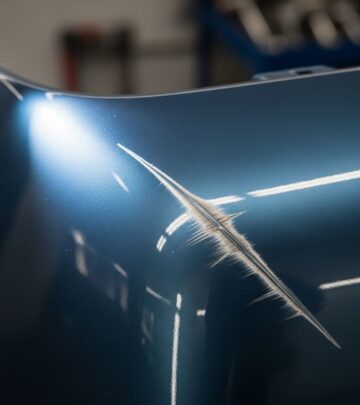
While professional painting generally offers superior value, certain scenarios might justify DIY attempts. Small touch-ups or repairing minor scratches and chips could represent appropriate DIY projects if you already possess basic equipment. Vehicles with minimal or no resale value might be candidates for DIY experimentation, as the downside of poor results proves less financially significant. Additionally, if you possess genuine interest in developing automotive painting skills and have time to invest in learning, a DIY project could serve educational purposes alongside practical needs.
Professional Painting: The Experience Factor
Professional automotive painters bring invaluable experience that proves difficult to replicate without extensive practice. They’ve worked on countless vehicles, each presenting unique challenges and requiring tailored solutions. This experience enables them to anticipate potential obstacles, adapt techniques to specific situations, and deliver consistently excellent results regardless of vehicle type or condition. Professional painters understand how different paint types interact with various substrates, how environmental conditions affect application, and how to troubleshoot problems when they arise.
Material Quality and Equipment Advantages
Professional auto painting shops utilize top-grade paint and specialized equipment that significantly impacts final results. Their access to high-quality materials ensures long-lasting finishes with precise color matching. Advanced spray guns, precision sanding tools, and other specialized equipment enable meticulous preparation and application that produces the flawless finishes distinguishing professional work from amateur attempts. Professional-grade materials are specifically formulated for durability and longevity, providing superior protection compared to consumer-grade alternatives.
Alternative Options: Car Wrapping
An emerging alternative to traditional painting involves vinyl wrapping, which offers distinct advantages and disadvantages. Basic vinyl wraps typically cost between $500 and $5,000, often proving more affordable than professional paint jobs, particularly for those seeking temporary or unique appearances. Wraps offer easier removal and replacement compared to paint, making them attractive for those who enjoy changing their vehicle’s appearance. However, wraps lack the permanence and resale value benefits of quality paint jobs, making them better suited for short-term aesthetic changes rather than long-term vehicle maintenance.
Frequently Asked Questions
Q: How long does a professional paint job typically last?
A: Professional paint jobs typically last 7–15 years or longer, depending on paint quality, environmental conditions, and vehicle maintenance. Premium paint jobs with advanced protective coatings can last significantly longer than basic applications.
Q: What’s included in a professional paint job?
A: Professional paint jobs typically include surface preparation, primer application, multiple coats of quality paint, and protective clearcoat finishing. Higher-tier services may include sanding to bare metal and custom design work.
Q: Can I get a quality paint job at the lower end of the price range?
A: Basic paint jobs ($300–$1,500) provide acceptable results for budget-conscious buyers, though they typically offer shorter lifespans and more limited warranties compared to mid-grade or premium options.
Q: Does a DIY paint job affect my vehicle’s resale value?
A: Yes, amateur paint jobs typically negatively impact resale value, as potential buyers recognize subprofessional quality. Professional paint jobs maintain or increase vehicle value, making them a better long-term investment.
Q: What warranty coverage comes with professional paint jobs?
A: Most professional paint jobs include 3–5 year warranties covering defects in materials and workmanship, providing protection and peace of mind that DIY projects cannot offer.
Q: Is vinyl wrapping a good alternative to painting?
A: Vinyl wrapping offers a more affordable temporary solution ($500–$5,000) compared to painting, but lacks the permanence and resale value benefits of quality paint jobs. It works well for temporary appearance changes rather than permanent vehicle maintenance.
Making Your Decision: Professional or DIY?
Choosing between professional and DIY car painting ultimately depends on your specific circumstances, budget constraints, skill level, and vehicle priorities. For most vehicle owners, professional painting represents superior value when considering quality, durability, warranty coverage, and long-term resale value. The initial cost premium reflects genuine advantages in materials, equipment, expertise, and controlled working conditions that deliver results exceeding DIY capabilities.
DIY painting makes sense only in limited circumstances where the vehicle has minimal resale value, you possess genuine skill and equipment, and you have substantial time available for the project. For anyone seeking to maintain or enhance their vehicle’s appearance and value, professional painting remains the recommended choice despite higher upfront costs.
References
- Why Professional Auto Painting Beats DIY in Quality and Cost — Ken Rocha Collision. 2024-02-06. https://www.kenrochacollision.com/blog/auto-paint-services/trust-the-pros-why-professional-auto-painting-beats-diy-in-quality-and-cost
- How Much Does It Cost To Paint a Car? — AAA Automotive. https://www.aaa.com/autorepair/articles/how-much-does-it-cost-to-paint-a-car
- How Much Does It Cost to Paint a Car? — Kelley Blue Book. https://www.kbb.com/car-advice/cost-to-paint-car/
Similar Articles








Read full bio of medha deb