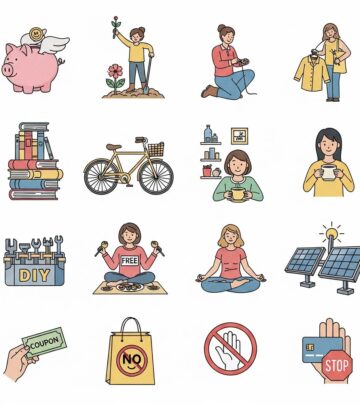
35 Productive Things To Do Instead Of Spending Money
Discover 35 productive, money-free activities that boost your finances, improve your life, and make your free time truly intentional.

When boredom hits, it is tempting to go shopping, order takeout, or spend money just to feel better. But your free time can become a powerful tool for building wealth, improving your mindset, and making progress on your goals without spending a dime. This guide walks you through 35 productive things to do instead of spending money, inspired by the structure of the Clever Girl Finance article, and adds practical tips to help you take action right away.
Why Choose Productive Activities Over Spending?
Every time you choose a productive activity instead of an impulse purchase, you reduce the risk of financial stress and move closer to long-term stability. Research shows that even small, consistent changes in savings and spending habits can significantly impact your financial security over time, especially when combined with compound interest and reduced debt.
Beyond money, productive use of free time can improve your mental well-being, help you learn new skills, and increase your sense of control over life.
Productive Money & Goal-Focused Activities
These activities help you directly improve your financial situation and clarify your long-term goals, all without spending more money.
1. Update Your Budget
Ask yourself: when was the last time you reviewed your budget? Income changes, bills go up or down, and your goals evolve. Updating your budget keeps you in control.
- Review all income sources and fixed expenses.
- Adjust variable categories like groceries, gas, and entertainment.
- Recalculate how much you can allocate to savings and debt payments.
- Look for at least one category you can cut or trim this month.
A realistic, updated budget helps you avoid overdrafts, late fees, and paycheck-to-paycheck stress while directing more money toward your priorities.
2. Revisit Your Financial Goals
Financial goals are your personal roadmap. They remind you why you are working hard and why cutting back on spending matters.
- List your current short-, medium-, and long-term goals (e.g., build a 3-month emergency fund, pay off credit card debt, save for a home).
- Decide if any goals need to be added, removed, or reordered.
- Make your goals specific, measurable, and time-bound (for example, “Save $3,000 for emergencies in 12 months”).
- Write them down and keep them somewhere visible, such as your fridge or planner.
Writing goals down significantly increases your likelihood of achieving them because it reinforces commitment and focus.
3. Listen to a Personal Finance or Growth Podcast
Podcasts can turn chores, walks, or commutes into mini coaching sessions. Choose shows focused on money management, side hustles, career growth, or mindset.
- Create a playlist of episodes about budgeting, paying off debt, or investing basics.
- Take quick notes on ideas you want to try, like new saving strategies.
- Pause the episode to reflect on how each tip applies to your life.
This keeps your motivation high and reminds you that other people are on similar journeys.
4. Create a Vision Board
A vision board is a visual representation of your goals and dreams. It can cover all areas of your life: money, career, health, relationships, travel, and lifestyle.
- Gather old magazines, printouts, or use a free digital tool to collect images.
- Include pictures that reflect your ideal financial life (debt-free, savings milestones, dream home).
- Add words and phrases like “freedom,” “security,” or “abundance.”
- Place your board where you will see it daily to stay inspired.
Seeing your goals visually every day can help keep your behavior aligned with what you truly want.
5. Start a Side Hustle
One of the most productive things you can do instead of spending money is to create new income. A side hustle can increase your savings rate, speed up debt payoff, and build skills that might grow into a full-time business.
- Identify skills you already have: writing, design, tutoring, caregiving, organizing, or tech support.
- Consider service-based ideas first (low start-up cost), such as:
- Freelance writing or editing
- Virtual assistance or social media management
- Babysitting, pet sitting, or dog walking
- Online tutoring or teaching language skills
Choose something you enjoy so you are more likely to stick with it and avoid burnout.
6. Review Your Bills and Subscriptions
Many people pay for subscriptions and services they barely use. Spend time combing through your checking and credit card statements for recurring charges.
- List every subscription (streaming, apps, memberships, software).
- Cancel anything you have not used in the last 30–60 days.
- Call providers (internet, phone, insurance) to negotiate better rates.
- Set calendar reminders for trial periods so you can cancel on time.
7. Create a Meal Planner
Meal planning cuts food waste, reduces last-minute takeout, and makes evenings smoother.
- Start with what you already have in your pantry, fridge, and freezer.
- Plan 3–7 dinners around those ingredients.
- Create a grocery list that matches your plan and stick to it.
- Include at least one super-simple meal for busy nights.
| Day | Planned Dinner | Notes |
|---|---|---|
| Monday | Vegetable stir-fry with rice | Use frozen veggies on hand |
| Wednesday | Bean chili | Cook once, eat twice (leftovers) |
| Friday | Homemade pizza | Fun family activity, cheaper than takeout |
8. Organize Your Financial Documents
Cluttered financial paperwork makes it harder to stay on top of your money.
- Gather bank statements, bills, tax records, and insurance documents.
- Sort them into clearly labeled folders (physical or digital).
- Shred anything you no longer need that contains personal information.
- Create a simple checklist of what to keep each year (e.g., tax returns, major purchase receipts).
9. Read a Book
Reading is one of the most productive and calming ways to spend time without spending money, especially if you use the library or free e-books.
- Choose books on personal finance, career growth, self-development, or entrepreneurship.
- Take notes on key ideas and write one action step you will take from each book.
- Swap books with friends to keep the cost at zero.
10. Make a Quarterly Goals List
Big yearly goals can feel overwhelming. Breaking them into quarterly goals makes progress feel achievable.
- Start with a yearly goal (e.g., save $10,000).
- Divide it into four quarterly milestones (e.g., $2,500 every three months).
- Then break each quarter into monthly and weekly action steps.
- Review your progress at the end of each quarter and adjust as needed.
Productive Personal Growth & Learning Activities
These ideas help you improve your skills, mindset, and well-being without spending money.
11. Start Journaling
Journaling is a powerful, low-cost way to process thoughts, track progress, and uncover patterns in your behavior.
- Write about your money story, fears, and goals.
- Record daily wins, even tiny ones (like making coffee at home).
- Use prompts such as “What does financial freedom mean to me?”
12. Practice Gratitude
Gratitude practices are linked with greater happiness and reduced stress.
- Each day, list three things you are grateful for.
- Include non-material blessings like health, friendships, or progress on a goal.
- Revisit your list when you feel tempted to spend out of boredom or comparison.
13. Declutter Your Home
Decluttering can make your space calmer and help you realize how much you already own, which often reduces the urge to buy more.
- Focus on one small area at a time (a drawer, a shelf, a closet).
- Sort items into keep, donate, recycle, or sell piles.
- Set aside sellable items to list later on local marketplaces.
14. Learn a New Skill
Improving your skills can boost your earning potential and confidence.
- Pick a skill that aligns with your career or side hustle, such as Excel, coding, writing, public speaking, or design.
- Use free tutorials from libraries, universities, or official training platforms.
- Set a simple goal like “Practice 20 minutes a day for 30 days.”
15. Take a Free Course
Free online courses make it possible to learn high-value skills from home.
- Look for classes in digital marketing, data analysis, career development, or personal growth from reputable providers or universities.
- Create a study schedule and treat your course like a real class.
- Apply what you learn immediately, even in small projects.
16. Practice a Hobby You Already Have
Instead of buying new supplies, revisit hobbies you have neglected.
- Use materials you already own—yarn, paints, instruments, or tools.
- Set a mini-challenge, like finishing a half-completed project.
- Hobbies can reduce stress and offer a meaningful alternative to shopping.
17. Exercise for Free
Physical activity improves mood, energy, and health, which in turn supports better decision-making and productivity.
- Take a brisk walk, run, or bike ride in your neighborhood.
- Use free workout videos for strength, yoga, or stretching.
- Set small goals, like 20 minutes of movement a day.
Productive Home & Life Organization Activities
These activities help you organize your life, reduce stress, and often reveal hidden ways to save money.
18. Deep Clean a Room
Deep cleaning costs nothing but time and can make your home feel brand new.
- Choose one room: kitchen, bathroom, bedroom, or workspace.
- Wipe surfaces, clean windows, and vacuum or mop floors.
- Rearrange furniture for a fresh layout using what you already own.
19. Create a Home Maintenance Checklist
Proactive maintenance can prevent expensive repairs later.
- List tasks like changing air filters, checking smoke detectors, and cleaning drains.
- Assign them monthly, quarterly, or yearly.
- Set reminders in your phone or planner.
20. Plan a No-Spend Day or No-Spend Weekend
No-spend challenges help you become more aware of habits and triggers.
- Choose one day (or weekend) where you will not spend any extra money.
- Prepare in advance by planning meals and free activities.
- Track how you feel and what you learn about your spending patterns.
21. Inventory Your Pantry, Closet, and Supplies
Knowing what you already have prevents duplicate purchases and helps you use items before they expire.
- Make lists of pantry staples, cleaning supplies, and toiletries.
- Plan meals and outfits around what is already in your home.
- Note anything that is truly needed, not just wanted.
22. Batch Prep Meals or Ingredients
Batch cooking saves time, money, and energy on busy days.
- Cook a large batch of grains, beans, or roasted vegetables.
- Freeze portions for later to avoid takeout.
- Label containers with dates and contents.
23. Organize Your Digital Life
Digital clutter can be as overwhelming as physical clutter.
- Delete unused apps, old downloads, and duplicate photos.
- Organize files into clearly labeled folders.
- Unsubscribe from marketing emails that tempt you to shop.
Productive Money-Saving & Earning Activities
These tasks can free up extra cash or help you bring in more income over time.
24. Review Your Credit Report
Checking your credit report helps you spot errors and understand where you stand before applying for loans or cards.
- Access your reports from the major bureaus through official channels.
- Look for incorrect accounts or late payments.
- Dispute any errors you find using the instructions on the report.
25. Build or Review Your Debt Payoff Plan
A clear debt strategy can reduce interest costs and shorten the time it takes to become debt-free.
- List all debts with balances, interest rates, and minimum payments.
- Choose a method: debt snowball (smallest balance first) or debt avalanche (highest interest rate first).
- Find at least one expense to cut and redirect that amount to your priority debt.
26. Plan Your Savings Buckets
Separate savings “buckets” make it easier to stay organized and motivated.
- Decide on categories like emergency fund, travel, car repair, or home down payment.
- Assign a target amount and deadline for each.
- Automate transfers, even small ones, into these buckets each month.
27. Research Low-Cost Investing Basics
Understanding the basics of investing helps you make more informed, long-term decisions about building wealth.
- Learn about retirement accounts, index funds, and the power of compounding.
- Focus on reputable educational resources and official guides.
- Write down questions to ask a professional if you decide to seek advice.
28. Take a Free Course (Career or Money Skills)
Combine productivity and financial growth by taking a course related to your current job or a better-paying field.
- Focus on topics that can lead to a raise, promotion, or new opportunity.
- Create a mini project to showcase your new skills.
- Add completed courses and projects to your resume or portfolio.
29. Update Your Resume and LinkedIn Profile
A strong resume and online profile can open doors to higher income opportunities.
- Add recent achievements, quantifiable results, and new certifications.
- Highlight transferable skills such as communication, problem-solving, and leadership.
- Ask a trusted friend or mentor to review and provide feedback.
30. Network Intentionally
Networking does not have to involve expensive events. You can strengthen your network for free.
- Send a friendly check-in message to former colleagues or classmates.
- Offer value first—share an article, idea, or encouragement.
- Join free professional groups or virtual events hosted by libraries or nonprofits.
31. Start Couponing and Cashback Strategies
Smart couponing and using legitimate cashback programs can lower your everyday costs.
- Digitally clip coupons to your grocery store loyalty card.
- Compare unit prices instead of just sale prices.
- Use cashback or reward programs that you can manage responsibly without overspending.
32. Plan Frugal Fun
Fun does not have to be expensive. Planning low-cost or free activities makes it easier to stick to a budget.
- Movie night at home with borrowed DVDs or library streaming.
- Game night, picnics, hiking, or exploring local parks.
- Swap nights with friends: book swaps, clothing swaps, or recipe exchanges.
33. Create a Future Spending Wishlist
A wishlist gives your spending structure and prevents impulse buys.
- Write down items you want instead of buying them immediately.
- Assign a priority and estimated cost for each item.
- Revisit the list monthly; often, you will find that some wants fade.
34. Schedule Regular Money Check-Ins
Short, consistent money check-ins help you catch issues early and stay aligned with your goals.
- Pick a weekly time to review your accounts, budget, and progress.
- Celebrate wins, like sticking to a no-spend day or reducing a bill.
- Adjust your plan based on what is working and what is not.
35. Create a Personal Development Plan
A personal development plan ties everything together by aligning your learning, finances, and lifestyle with your long-term vision.
- Define where you want to be in 1, 3, and 5 years.
- Choose 3–5 focus areas: money, career, health, relationships, or creativity.
- List specific actions you will take in each area over the next 90 days.
Frequently Asked Questions (FAQs)
Q: How do I stop spending money when I am bored?
Start by planning a list of productive, no-cost activities in advance. When boredom hits, choose something from the list—like updating your budget, reading, exercising, or decluttering—before you open any shopping apps or sites. Removing saved cards from stores and unsubscribing from promotional emails also reduces temptation.
Q: Which productive activity should I start with if I feel overwhelmed?
Pick the smallest, simplest task that moves your financial life forward—such as checking your account balances or writing down three financial goals. Once you complete that small action, it becomes easier to tackle bigger tasks like creating a full budget or debt payoff plan.
Q: How often should I update my budget and financial goals?
Update your budget at least monthly and any time your income or expenses change. Review your financial goals every few months or at least once a year to make sure they still match your priorities and life situation.
Q: Can these productive activities really make a difference to my finances?
Yes. Consistently avoiding impulse spending, reviewing bills, planning meals, and increasing your income—even by small amounts—can significantly improve your financial stability over time, especially when combined with saving and investing strategies.
Q: Do I have to do all 35 activities?
No. Think of this list as a menu, not a checklist. Choose 3–5 ideas that fit your personality, schedule, and current financial goals. As those become habits, you can add more over time.
References
- Consumer Credit Reports: What You Should Know — U.S. Federal Trade Commission. 2023-04-01. https://www.consumer.ftc.gov/articles/consumer-reports-what-you-should-know
- How America Saves 2023 — Vanguard. 2023-06-15. https://institutional.vanguard.com/en-us/insights/research/how-america-saves
- Gratitude and Well-Being: A Review and Theoretical Integration — Emmons, R. A., & Mishra, A., in Oxford Handbook of Positive Psychology. 2019-01-01. https://doi.org/10.1093/oxfordhb/9780199396511.013.35
- Goal Setting and Task Performance: 35 Years Later — Locke, E. A., & Latham, G. P., Organizational Behavior and Human Decision Processes. 2002-01-01. https://doi.org/10.1006/obhd.2001.2965
Similar Articles








Read full bio of medha deb