Probate Court: Definition, Process, and Legal Procedures
Understanding probate court: How estates are settled and property distributed after death.

What Is Probate Court?
Probate court is a specialized judicial proceeding that handles the legal and financial affairs of deceased individuals. It serves as the formal mechanism through which a person’s will is validated, their estate is inventoried, debts and taxes are paid, and remaining assets are distributed to beneficiaries according to the terms of the will or state law. This court process provides oversight and legal authority to ensure that the deceased’s wishes are honored and that all interested parties—including heirs, beneficiaries, and creditors—are protected.
The probate court system exists in virtually every state in the United States, though the specific procedures, timelines, and requirements vary by jurisdiction. The court where probate proceedings are filed is typically located in the county where the deceased person (known as the decedent) resided at the time of their death. Probate courts handle various responsibilities including appointing a personal representative (executor or administrator), validating the will, managing asset inventories, overseeing debt payments, and authorizing final distribution of estate property.
Understanding Probate Court Jurisdiction
Probate court jurisdiction is determined by where the decedent lived at the time of death. Generally, you must file probate proceedings in the county probate court of the state where the deceased person had their primary residence. Some states have multiple courts with probate authority, and the specific court may depend on factors such as estate value or county court structure.
It’s important to note that not all property requires probate court involvement. Assets held in trusts, property with designated beneficiaries (such as life insurance policies or retirement accounts), jointly owned property with survivorship rights, and certain other assets pass directly to beneficiaries outside the probate process. However, property titled solely in the decedent’s name typically must go through probate court.
The Probate Process: Step-by-Step Overview
The probate process involves multiple stages that can extend from several months to over a year, depending on the complexity of the estate and the court’s schedule. Understanding each step helps executors and beneficiaries navigate the proceedings more effectively.
Step 1: Filing the Probate Petition
The probate process begins when someone files a petition with the probate court requesting that the will be recognized and validated. In California, this involves submitting Form DE-111 (the Petition for Probate) along with the original will, death certificate, and other required documentation to the superior court in the county where the deceased resided. The petition formally requests that the court appoint an executor or administrator to oversee the estate. While typically the executor named in the will files this petition, any heir or beneficiary with legal standing can initiate the probate process. Filing generally takes 2-4 weeks to process.
Step 2: Publishing Notice and Scheduling the Hearing
After the petition is filed, the court requires that notice of the probate proceeding be published in a local newspaper and mailed to all known heirs and beneficiaries. This notification period allows interested parties to object to the petition or challenge the validity of the will. State laws typically require publication in a newspaper of record multiple times to ensure potential creditors and other interested parties receive adequate notice. This step usually takes 3-8 weeks, depending on the court’s schedule and publication requirements.
Step 3: The First Probate Hearing
At the first probate hearing, the judge reviews the petition and determines whether to appoint the proposed executor or administrator. The primary purposes of this hearing are to validate the will’s authenticity and to formally appoint the personal representative who will manage the estate’s affairs. The court may require witnesses to the will to provide declarations or affidavits confirming the document’s validity. If there are no objections and the petition is in order, the court approves the appointment and officially opens the probate case. This step typically occurs 4-6 weeks after filing, though timing varies based on court availability.
Step 4: Posting Bond
In some cases, the court may require the personal representative to post a bond—a form of insurance that protects the estate and its beneficiaries. The bond amount is typically calculated based on the estate’s value and serves as a guarantee that the executor will perform their duties faithfully and lawfully. If a bond is required, this can delay the process by 2-4 weeks while the executor arranges for the bond through a bonding company.
Step 5: Gathering and Inventorying Assets
Once appointed, the personal representative takes legal control of the estate’s assets and begins the process of identifying, collecting, and inventorying all property subject to probate. This includes bank accounts, real estate, vehicles, investments, stocks, bonds, personal property, and other valuables. The executor must locate and secure all relevant financial documents and property titles. This inventory phase typically takes 1-3 months, depending on the complexity and number of assets involved.
Step 6: Appraising Estate Assets
The personal representative must complete Form DE-160 (Inventory and Appraisal) and DE-161 (Attachment) for California estates. Cash and liquid assets may be appraised by the representative themselves, but all other assets—including real estate, vehicles, and valuables—must be professionally appraised by a court-appointed probate referee. This appraisal establishes the property’s fair market value as of the date of death and becomes part of the public record. Asset appraisal typically takes 1-4 months to complete.
Step 7: Notifying Creditors and Handling Claims
The executor must publish and send a Notice to Creditors (typically Form DE-157) to inform potential creditors that probate proceedings have begun. Under state law, creditors generally have a limited timeframe—typically four months after letters testamentary are issued or sixty days after the notice is mailed—to file claims against the estate. The executor reviews each claim, approves valid debts, and rejects invalid ones. The court may need to resolve disputes over claimed debts. This phase typically takes 1-3 months.
Step 8: Paying Debts and Taxes
The executor is responsible for paying all valid debts, funeral expenses, administrative costs, and legal fees from the estate’s assets. This includes filing and paying the decedent’s final income tax return and any estate taxes owed. Priority is given to secured debts, administrative expenses, and taxes before distributions are made to beneficiaries. This step typically overlaps with other phases and takes 1-2 months.
Step 9: The Second Probate Hearing and Final Distribution
At the second probate hearing, also known as the Judgment of Final Distribution, the court reviews the executor’s accounting and distribution plan. The executor presents a detailed accounting showing all assets, debts paid, expenses incurred, and proposed distribution to beneficiaries. The court verifies that all obligations have been met and that the personal representative has handled everything correctly with appropriate documentation. If the court is satisfied that all probate requirements have been fulfilled, it approves the distribution plan.
Step 10: Distributing Assets and Closing the Estate
Once the court approves the final distribution, the executor distributes the remaining estate assets to beneficiaries according to the will’s terms or state intestacy law. The executor then files final documents with the court requesting discharge from their responsibilities. When the judge formally discharges the executor, the probate estate is legally closed, signifying successful completion of the administration process.
Key Probate Court Responsibilities
Probate courts perform several critical functions in the estate settlement process:
- Validating the Will: The court examines the will to ensure it meets all legal requirements and is the decedent’s true final wishes.
- Appointing the Personal Representative: The court formally appoints an executor or administrator to manage the estate, or selects one based on state law if no executor is named.
- Protecting Creditor Rights: The court ensures that creditors receive notice of probate proceedings and that legitimate debts are paid before distributions to beneficiaries.
- Overseeing Asset Management: The court supervises the inventory, appraisal, and accounting of all estate assets.
- Resolving Disputes: The court has authority to resolve conflicts between beneficiaries, disputes over debts, or challenges to the will’s validity.
- Authorizing Distribution: The court approves the final distribution plan and ensures assets are distributed according to the will or state law.
The Role of the Personal Representative
The personal representative (executor or administrator) serves as the estate’s legal representative and is responsible for multiple duties. These include filing required court documents, notifying interested parties, gathering and protecting assets, arranging professional appraisals, managing estate finances, paying debts and taxes, maintaining detailed records, and presenting accounting information to the court. The personal representative must act in the estate’s best interest and is accountable to both the court and beneficiaries for their actions. Many executors work with attorneys to ensure they fulfill all legal requirements correctly.
Timeline and Duration of Probate
The entire probate process typically takes several months to over a year. Simple estates with minimal assets and no disputes may be resolved in 6-9 months, while complex estates with significant assets, multiple beneficiaries, or contested issues can take 18 months or longer. Court schedules, the estate’s complexity, the number of assets requiring appraisal, creditor claim periods, and any disputes all affect the overall timeline. Most probate courts work with estate representatives to move matters along efficiently while ensuring all legal requirements are met.
Probate vs. Non-Probate Assets
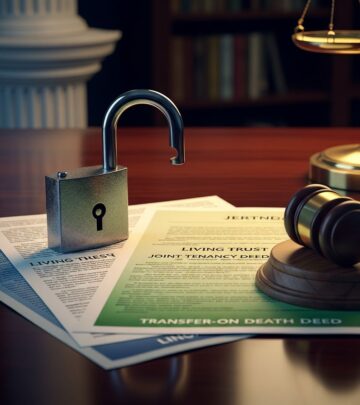
Not all property passes through probate court. Assets with designated beneficiaries, such as life insurance policies, retirement accounts (IRAs, 401(k)s), and transfer-on-death accounts, pass directly to named beneficiaries outside probate. Joint property with survivorship rights automatically passes to the surviving co-owner. Property held in living trusts is managed by the trustee and distributed according to trust terms without court involvement. Only property titled solely in the decedent’s name at death generally requires probate court proceedings. Understanding which assets are probate and non-probate assets is important for estate planning.
Common Probate Court Issues and Disputes
Probate proceedings can encounter various complications. Will contests challenge the document’s validity, authenticity, or the testator’s capacity. Disputes among beneficiaries may arise over interpretation of terms or distribution disagreements. Creditor claims can be disputed if deemed invalid. Questions about asset valuation may require court resolution. Some beneficiaries may challenge the executor’s conduct or decisions. Tax issues can complicate estate settlement. Most disputes are resolved through negotiation, mediation, or court decision during the probate process.
How to Reduce or Avoid Probate
Estate planning strategies can minimize probate involvement. Creating a revocable living trust allows property to be transferred outside probate court while maintaining control during life. Designating beneficiaries on retirement accounts and life insurance policies ensures these assets pass directly to named individuals. Holding property as joint tenants with survivorship rights allows automatic transfer at death. In some states, small estates under a certain value can use simplified probate procedures. Gifting property during life can reduce estate size. Consulting with an estate planning attorney helps determine the best strategies for individual circumstances.
Frequently Asked Questions
Q: What happens if someone dies without a will?
A: If there is no will, probate court still supervises the estate settlement. The court applies state intestacy laws to determine how property is distributed, typically prioritizing spouses, children, parents, and other relatives in a statutory order. The court will appoint an administrator to oversee the process.
Q: Can an executor be removed from probate court?
A: Yes, probate court can remove an executor for cause, such as mismanagement of assets, failure to fulfill duties, conflict of interest, or misconduct. Beneficiaries or other interested parties can petition the court to remove an executor, and the judge may replace them with an alternative executor or administrator.
Q: How much does probate court cost?
A: Probate costs include court filing fees, executor fees, attorney fees, appraisal fees, and bond premiums. Costs vary significantly by state, estate size, and complexity. Some states allow fees to be a percentage of estate value, while others use flat rates or hourly charges. Costs can range from a few hundred dollars for small estates to several thousand dollars for larger ones.
Q: Can probate court decisions be appealed?
A: Yes, probate court decisions can typically be appealed to a higher court. Grounds for appeal include legal errors, procedural violations, or challenges to the court’s interpretation of the will or law. Appeals must generally be filed within a specific timeframe, often 30-60 days after the decision.
Q: What is the difference between an executor and an administrator?
A: An executor is specifically named in a will to manage the estate, while an administrator is appointed by probate court when there is no will or the named executor cannot serve. Both roles involve the same responsibilities for managing and distributing the estate under court supervision.
Q: How are probate court records accessed?
A: Probate court records are generally public documents available through the court’s clerk’s office. You can typically access records in person, by mail, or online through the court’s website. Some sensitive information may be restricted, but basic case information, documents filed, and court orders are usually accessible to the public.
References
- The 12 stages of the probate process in California — ClearEstate. 2024. https://www.clearestate.com/en-us/blog/probate-process-california
- How to Probate a Decedent’s Estate — Superior Court of California County of Santa Clara. 2024. https://santaclara.courts.ca.gov/self-help/self-help-topics/self-help-probate/self-help-probate-property-transfers/about-probate-how
- The Probate Process: Four Simple Steps — LegalZoom. 2024. https://www.legalzoom.com/articles/the-probate-process-four-simple-steps
- Guide to property after someone dies – California Courts Self-Help — California Courts. 2024. https://selfhelp.courts.ca.gov/probate
- How to Probate a Will in California: a Step-by-Step Guide — Cunningham Legal. 2024. https://www.cunninghamlegal.com/california-legal-services/how-to-do-probate-in-california-on-your-own-or-with-legal-help/
- The Probate Process: 6 Simple Steps if You’re the Executor — ARAG Legal. 2024. https://www.araglegal.com/member/learning-center/topics/planning-your-legacy/six-steps-of-probate-process
- How does probate work? Your guide to the probate process — FreeWill. 2024. https://www.freewill.com/learn/guide-to-probate-process
Similar Articles








Read full bio of Sneha Tete