Pro Forma Invoice: Definition, Purpose, and How to Create
Complete guide to pro forma invoices: understand their purpose, uses, and how to create them effectively.
Understanding Pro Forma Invoices: A Comprehensive Guide
In the world of business transactions, clarity and transparency are essential to maintaining strong client relationships and ensuring smooth operations. One critical document that facilitates this clarity is the pro forma invoice. Whether you’re engaged in international trade, freelance services, or general commerce, understanding how to properly use and create pro forma invoices can significantly streamline your business processes and prevent costly misunderstandings.
A pro forma invoice is a preliminary sales document that serves as an estimate or quote sent to clients before the actual delivery of goods or services. Unlike a commercial invoice, which is issued after a transaction is complete, a pro forma invoice represents an agreement in principle about what will be delivered, at what price, and under what terms. It’s essentially a formal proposal that outlines all the details a buyer needs to know before making a final purchasing decision.
What Is a Pro Forma Invoice?
At its core, a pro forma invoice is a detailed estimate that sets clear expectations between a seller and buyer. It functions as a binding agreement in terms of conveying intentions, though it is not legally binding in the traditional sense. When you send a pro forma invoice to a client, you’re essentially saying, “Here’s what I plan to provide, here’s how much it will cost, and here are the terms under which this transaction will occur.”
The term “pro forma” itself derives from Latin, meaning “for the sake of form.” This reflects the document’s primary purpose: to establish a formal framework for a transaction before it officially takes place. For businesses operating in international markets, pro forma invoices are particularly valuable because they facilitate clear communication across language and regulatory barriers.
Think of a pro forma invoice as a professional handshake before the main contract. It keeps all parties aligned and prevents the confusion that often arises when expectations aren’t properly communicated upfront. Both the seller and buyer can review the document, discuss any concerns, and make adjustments before committing to the actual transaction.
Key Purposes and Uses of Pro Forma Invoices
Pro forma invoices serve multiple important functions in business operations. Understanding these purposes helps explain why they remain an essential tool in commerce despite the digital age.
Customs and International Trade Compliance: One of the most significant uses of pro forma invoices is in international shipping and customs clearance. These documents declare the value of goods for customs purposes, making it easier for customs officials to assess duties and verify shipment contents. When goods cross international borders, customs authorities require documentation that clearly states what’s being shipped and its declared value.
Preliminary Documentation: Pro forma invoices are issued when a seller doesn’t have all the details needed to create a final commercial invoice. This might occur when the exact delivery date is uncertain, quantities might change, or certain specifications need finalization. Rather than waiting for perfect information, the pro forma invoice provides a working framework that can be updated as more details become available.
Internal Purchase Approvals: Clients frequently use pro forma invoices to obtain internal approval for purchases. In many organizations, purchases must be authorized before commitment. A pro forma invoice provides the documentation needed for these internal approvals, including itemized costs, shipping, taxes, and payment terms. Once approved internally, the client can then confirm the order with confidence.
Project Scoping and Pricing Transparency: For service-based businesses, pro forma invoices clarify the project scope, deliverables, timeline, and associated costs. This prevents scope creep and ensures both parties understand exactly what work will be performed and what compensation is expected.
Essential Elements of a Pro Forma Invoice
Creating an effective pro forma invoice requires including specific information that leaves no room for ambiguity. Here’s a comprehensive checklist of elements that should appear on every pro forma invoice:
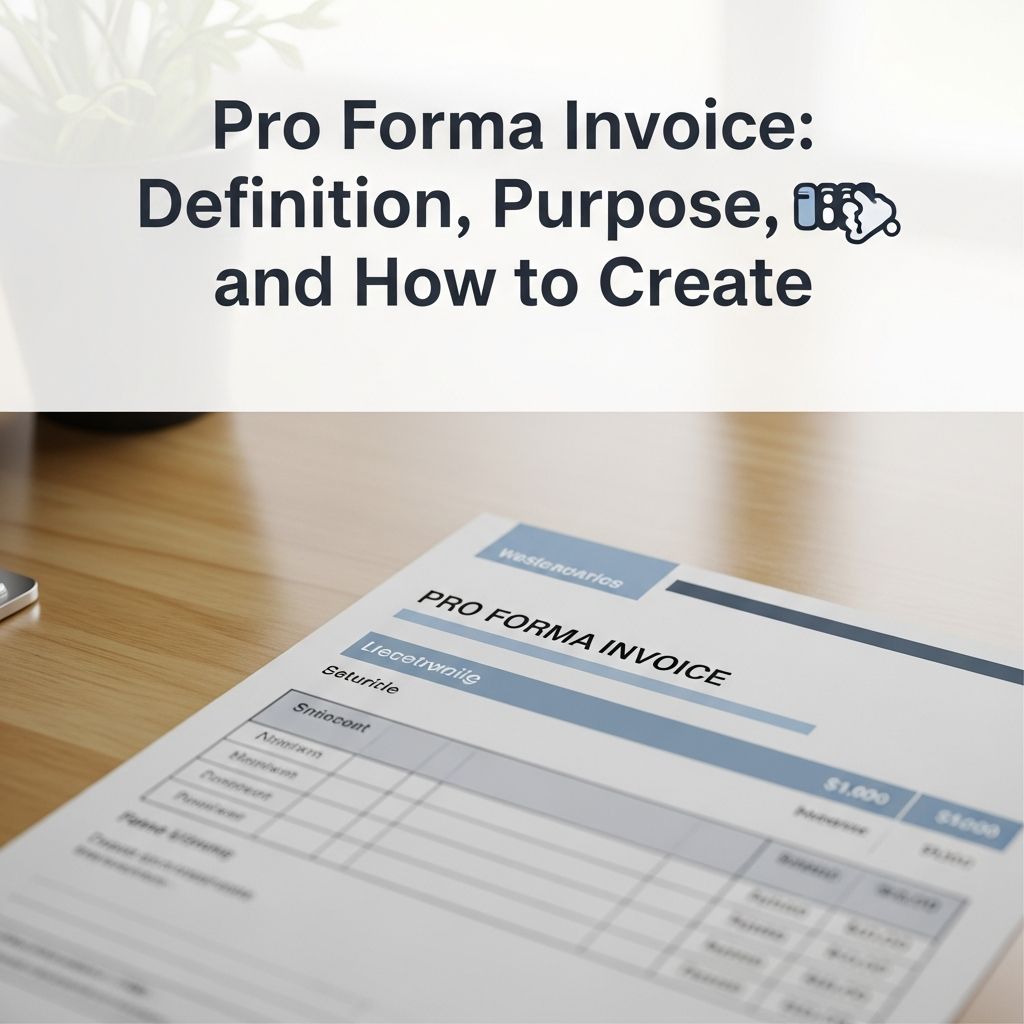
Header and Identification: The document must clearly display “Pro Forma Invoice” in prominent letters at the top. This distinguishes it from commercial invoices and sets proper expectations about the document’s preliminary nature. Below this, include a unique pro forma invoice number and the date of issue.
Business Information: Include your company’s complete details: legal business name, physical address, email address, phone number, and website if applicable. This allows the client to verify your legitimacy and contact you easily with questions.
Client Details: Record the client’s full legal name, billing address, shipping address (if different), and contact information. For international transactions, include country codes and any applicable tax identification numbers.
Itemized Description of Goods or Services: This is the heart of the pro forma invoice. For each item or service, provide a detailed description, the quantity being supplied, the unit price, and the total line item cost. Include any relevant SKUs, model numbers, or service codes that help identify exactly what’s being provided.
Financial Breakdown: Display the subtotal of all items, then itemize all additional costs including applicable taxes, shipping fees, insurance, handling charges, and any discounts offered. Show the final total amount due in clearly legible format.
Payment Terms and Conditions: Specify when payment is due (for example, “Net 30” or “Due upon receipt”), accepted payment methods, and any penalties for late payment. If deposits are required, state the deposit amount and when it’s due.
Delivery Details: Include the expected delivery date, shipping method, and destination. For international shipments, specify whether the price is FOB (Free on Board), CIF (Cost, Insurance, and Freight), or other relevant Incoterms.
Special Notes and Disclaimers: Include any important information such as warranty terms, return policies, or conditions that apply to the transaction. If the quote has an expiration date, clearly state it.
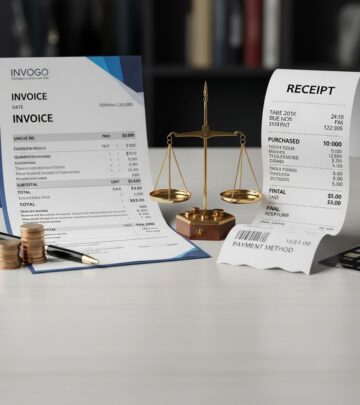
Pro Forma Invoice vs. Commercial Invoice: Key Differences
While pro forma invoices and commercial invoices may appear similar at first glance, they serve distinctly different purposes and have important legal and accounting implications.
| Aspect | Pro Forma Invoice | Commercial Invoice |
|---|---|---|
| When Issued | Before delivery or service completion | After delivery or service completion |
| Legally Binding | Not legally binding; represents an estimate | Legally binding; constitutes a formal demand for payment |
| Used for Accounting | Cannot be used for accounting or tax purposes | Used for accounting, tax reporting, and financial records |
| Primary Purpose | Estimate, quote, or preliminary agreement | Payment request and documentation of completed transaction |
| Customs Use | Can be used to declare value for customs | Official document for customs clearance |
| Flexibility | Can be revised based on negotiation | Fixed documentation of what was actually delivered |
Both documents typically contain similar formatting, including business logos, contact information, billing addresses, descriptions of goods or services, and itemized costs. However, a pro forma invoice must be clearly labeled as such to avoid confusion with a commercial invoice.
The most critical distinction is that a commercial invoice represents an actual transaction that has occurred, while a pro forma invoice represents an anticipated transaction. No sale has officially occurred when you send a pro forma invoice; the buyer hasn’t purchased anything yet, and you haven’t delivered anything. This is why pro forma invoices cannot be used for accounting purposes or included in your official financial records.
Legal Status and Accounting Implications
One of the most important characteristics of a pro forma invoice is that it is not legally binding. This status has significant implications for how it should be treated in your business operations. Since it’s sent before goods or services are provided, it functions more like an estimate or quote than a true invoice.
Because a pro forma invoice is not legally binding, either party can modify terms, prices, or quantities before the actual transaction occurs. If the buyer has second thoughts or finds a better price elsewhere, they can negotiate or decline without contractual consequences. Conversely, if your costs change significantly before fulfilling the order, you have the right to revise the terms.
For accounting purposes, pro forma invoices should not be recorded as revenue or entered into your accounts receivable system. Recording a pro forma invoice as a sale before delivery would misrepresent your actual financial position. Only when you issue the commercial invoice after delivering goods or completing services should you record the transaction in your accounting system.
Best Practices for Creating and Sending Pro Forma Invoices
Prioritize Transparency and Detail: Include all costs upfront without hidden fees. Break down unit prices, quantities, subtotals, shipping costs, taxes, and any additional charges. If dealing with international clients, always state the currency clearly. This transparency builds trust and prevents unpleasant surprises when the client reviews payment obligations. Clients appreciate knowing exactly what they’re paying for and why.
Maintain Accuracy and Professionalism: Before sending any pro forma invoice, thoroughly review all details. Verify client names and addresses, double-check all calculations, confirm prices are current, and proofread for spelling and grammar errors. Even minor errors can undermine your credibility and suggest carelessness. A clean, error-free document signals professionalism and reliability.
Communicate Proactively: After sending a pro forma invoice, follow up with the client to ensure they received it and to answer any questions. Attach supporting documentation that the buyer or customs authorities might need. Maintain clear communication throughout the process, whether the client accepts the proposal, requests modifications, or needs additional information.
Secure Your Information: Send pro forma invoices through secure channels to protect sensitive business and client information. Email is generally acceptable, but for large transactions or sensitive information, consider encrypted methods or secure file transfer services.
Keep Comprehensive Records: Maintain copies of every pro forma invoice you issue, including dates sent, client information, and amounts quoted. These records help you track your sales pipeline, resolve any disputes that might arise, and maintain organized business documentation. They’re particularly valuable if a client later disputes what was promised.
Pro Forma Invoices in International Trade
In international commerce, pro forma invoices are particularly essential. They serve as preliminary documentation for customs purposes, allowing customs agents to assess potential duties and verify shipment contents before the goods arrive. This facilitates smoother customs clearance and can accelerate international shipments.
When dealing with international clients, pro forma invoices should clearly specify the Incoterms (International Commercial Terms) such as FOB, CIF, or DDP. These terms clarify who bears transportation costs and who assumes responsibility for the goods at various points in the shipping process. Clear specification of these terms prevents disputes about costs and liability.
For international transactions, also ensure that currency is clearly stated and consider whether you’ll accept payment in local currency or require payment in your home currency. Exchange rate fluctuations can impact final amounts, so address this explicitly in your pro forma invoice.
Frequently Asked Questions About Pro Forma Invoices
Q: What’s the difference between a pro forma invoice and a quote?
A: While similar, a pro forma invoice is more detailed and formal than a simple quote. A quote might be just a few lines with pricing, while a pro forma invoice includes itemized details, payment terms, delivery dates, and all fees. A pro forma invoice functions more like a preliminary contract, whereas a quote is simply pricing information.
Q: Can I use a pro forma invoice for accounting purposes?
A: No. Pro forma invoices should never be recorded as revenue or entered into your accounting system. They represent anticipated transactions, not completed ones. Only commercial invoices issued after delivery or service completion should be used for accounting and tax purposes.
Q: Is a pro forma invoice required for all international shipments?
A: While not always legally required, pro forma invoices are strongly recommended for international shipments. They facilitate customs clearance, help buyers obtain internal approvals, and provide clear documentation of the transaction’s terms. Many customs authorities specifically request pro forma invoices, especially for new suppliers.
Q: What should I do if a client wants to modify a pro forma invoice after I’ve sent it?
A: Simply send a revised pro forma invoice reflecting the new terms. Since pro forma invoices aren’t legally binding, modifications are straightforward. Number the revised version clearly (for example, “Pro Forma Invoice #001 – Revision 2”) to avoid confusion about which version represents the current agreement.
Q: How long should a pro forma invoice remain valid?
A: This depends on your business and the nature of the transaction. Include an expiration date on your pro forma invoice, typically ranging from 7 to 30 days. This encourages prompt client decision-making and accounts for potential price changes in your costs. State the expiration date clearly so there’s no misunderstanding.
Q: Do I need to collect a deposit against a pro forma invoice?
A: That’s entirely up to you and your business practices. Many businesses collect deposits against pro forma invoices for large orders to secure commitment and cover initial costs. Clearly state any deposit requirements on the pro forma invoice, including the amount and when it’s due.
References
- What is a proforma invoice and how to make one — Bookipi. 2025. https://bookipi.com/bookkeeping/what-is-a-proforma-invoice/
- Pro forma earnings — EBSCO Research Starters. https://www.ebsco.com/research-starters/business-and-management/pro-forma-earnings
- U.S. Securities and Exchange Commission (SEC) Official Website — U.S. Government. https://www.sec.gov/
Similar Articles








Read full bio of medha deb