Private Student Loans: Credit Check Essentials
Unlock the truth about credit checks for private student loans and strategies to qualify even with limited credit history.

Private student loans serve as a vital funding source for higher education when federal options fall short. Unlike government-backed loans, these require a thorough evaluation of your financial profile, primarily through a credit check. This process determines eligibility and influences interest rates significantly.
Understanding the Role of Credit Checks in Private Lending
Private lenders, operating independently of federal regulations, prioritize risk assessment. A credit check reveals your history of managing debts, payment reliability, and overall financial responsibility. This hard inquiry appears on your credit report and can temporarily lower your score, yet it is standard practice for securing favorable terms.
Lenders analyze factors like payment history, outstanding debts, and length of credit history. Strong performance in these areas signals low risk, leading to lower rates and higher approval odds. Borrowers with established profiles often access better deals compared to those with thin files.
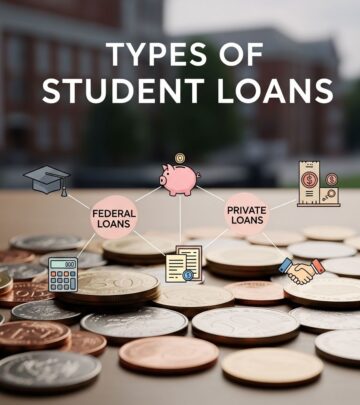
Federal vs. Private Student Loans: Key Differences
Federal loans offer accessibility without credit barriers for most programs. Direct Subsidized and Unsubsidized loans base eligibility on enrollment and need, bypassing credit checks entirely. However, PLUS loans for graduates or parents screen for adverse history like defaults or bankruptcies.
| Aspect | Federal Loans | Private Loans |
|---|---|---|
| Credit Check | Generally no (except PLUS) | Always required |
| Interest Rates | Fixed, government-set | Variable or fixed, credit-based |
| Repayment Options | Multiple forgiveness plans | Lender-specific |
| Cosigner Need | Rarely | Often for students |
This table highlights why private loans demand stronger financial standing but can fill gaps in funding.
Credit Score Benchmarks for Approval
No universal minimum exists, but patterns emerge across lenders. Scores in the mid-600s or above enhance prospects, with 670+ (good credit) unlocking competitive rates. Excellent scores (800+) yield the best terms.
- Poor (300-579): High rejection risk; cosigner essential.
- Fair (580-669): Possible with cosigner; higher rates.
- Good (670-739): Solo approval feasible; decent rates.
- Very Good (740-799): Strong options, lower costs.
- Excellent (800-850): Top-tier terms.
These FICO ranges guide expectations. Lenders weigh your score alongside debt-to-income ratio and income stability.
Navigating Approval with Poor or No Credit
Students often lack robust credit, making solo approval challenging. Lenders view thin histories as risky due to unproven repayment ability. Bad credit, marked by delinquencies or collections, further complicates matters.
Solutions include:
- Partnering with a cosigner—typically a parent with solid credit—who shares repayment duty.
- Targeting lenders like Ascent that factor in academics or future earnings for no-cosigner loans.
- Delaying application to build credit via secured cards or on-time payments.
The Cosigner’s Critical Role and Release Options
A cosigner bolsters applications by lending their superior credit profile. Lenders scrutinize both parties’ histories, often prioritizing the cosigner’s strength. This tandem approach boosts approval and secures better rates.
Post-approval, responsibility is joint until release. Many lenders offer release after 24-48 on-time payments, proving borrower independence. Requirements vary:
| Lender Example | Release After | Additional Criteria |
|---|---|---|
| Generic Bank | 36 payments | Good standing |
| Credit Union | 48 payments | Income verification |
| Specialty Lender | 24 payments | Credit score threshold |
Cosigners should understand risks, including credit damage from defaults.
Beyond Credit: Other Qualification Factors
Credit isn’t sole determinant. Lenders verify:
- Enrollment: Half-time at accredited institutions; some accommodate part-time.
- Age: State minimums, often 18+.
- Income: For non-students or post-grad loans.
- Citizenship: U.S. or eligible non-citizen status.
Shop multiple lenders, as criteria differ. Pre-qualification tools allow soft checks without score impact.
Boosting Your Profile Before Applying
Proactive steps improve outcomes:
- Review reports from Experian, Equifax, TransUnion for errors; dispute inaccuracies.
- Lower utilization below 30%.
- Add positive history with starter credit products.
- Secure steady income if applicable.
These actions can elevate scores in months, yielding substantial savings. For instance, a 50-point boost might cut rates by 2%, saving thousands over a decade.
Risks and Strategic Considerations
Private loans carry variable rates that may rise, unlike federal fixed options. No standard forgiveness exists, heightening default consequences. Borrow only necessities, prioritizing federal aid first via FAFSA.
Compare APRs, fees, and perks like rate discounts for autopay. Understand disbursement directly to schools minimizes misuse.
Alternatives to Traditional Private Loans
- Scholarships and grants: Free money based on merit or need.
- Employer tuition aid.
- State-specific programs with lenient criteria.
- Income-share agreements tying repayment to earnings.
Diversify funding to reduce debt reliance.
Frequently Asked Questions
Do all private student loans need a credit check?
Yes, virtually all involve hard inquiries to assess risk and set terms.
Can I qualify without a cosigner?
Possible with strong credit or lenders evaluating non-credit factors like GPA, but rare for students.
How does a hard check affect my score?
Typically drops 5-10 points temporarily; multiple within 45 days count as one.
What’s better for bad credit: federal or private?
Federal, as most don’t check credit; private demands cosigners or denial.
Can cosigners be released later?
Many lenders allow after consecutive on-time payments and score improvements.
References
- Do Private Student Loans Require a Credit Check? — Experian. 2023-10-01. https://www.experian.com/blogs/ask-experian/do-private-student-loans-require-credit-checks/
- Private Student Loan Requirements: How To Qualify — Bankrate. 2024-05-15. https://www.bankrate.com/loans/student-loans/private-student-loan-requirements/
- Qualifying for Student Loans With Bad Credit — Citizens Bank. 2023-08-20. https://www.citizensbank.com/learning/qualifying-for-student-loans-with-bad-credit.aspx
- Private Student Loan Requirements — College Ave. 2024-02-10. https://www.collegeave.com/articles/how-do-you-qualify-for-private-student-loans/
- What Credit Score Do You Need for a Private Student Loan? — Ascent Funding. 2024-01-12. https://www.ascentfunding.com/blog/what-credit-score-is-needed-for-student-loan/
Similar Articles








Read full bio of Sneha Tete