Private Party Auto Loans: 6-Step Guide For 2026
Discover how private party auto loans work, their benefits, drawbacks, and steps to secure financing for buying from individual sellers.
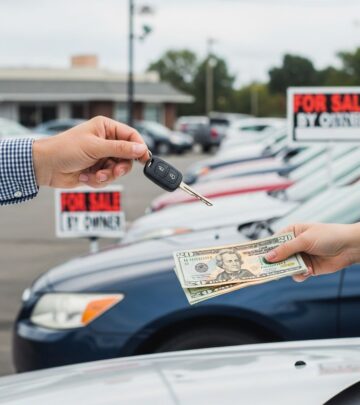
Private party auto loans provide financing for purchasing used vehicles directly from individual owners rather than dealerships. These loans offer access to potentially lower-priced cars but require buyers to manage more of the transaction process independently.
Understanding Private Party Vehicle Financing
Unlike traditional dealer financing, a private party auto loan involves borrowing money from a bank, credit union, or online lender to buy a car from a private seller. This type of loan is secured by the vehicle itself, meaning the lender holds the title until the loan is repaid. Buyers often find these vehicles through online listings, word-of-mouth, or local ads, allowing for unique deals not available at dealerships.
The appeal lies in cost savings; private sales frequently undercut dealer prices by avoiding overhead costs. However, lenders view these transactions as riskier due to limited oversight on vehicle condition and paperwork, leading to stricter eligibility and sometimes higher rates.
Key Advantages of Financing Through Private Sales
- Cost Efficiency: Vehicles from private sellers typically cost 10-20% less than dealer equivalents, stretching your budget further.
- Negotiation Flexibility: Direct dealings allow haggling over price without dealer markups.
- Broader Selection: Access to older models or high-mileage cars not stocked by lots.
- Competitive Rates for Strong Credit: Qualified borrowers may secure rates comparable to dealer loans.
Potential Drawbacks and Risks
- Higher Interest Rates: Due to increased lender risk, APRs can exceed those for dealer purchases by 1-3%.
- Paperwork Burden: Buyers handle title transfers, registration, and taxes solo.
- Limited Lender Availability: Not all institutions offer these loans; credit unions and some banks dominate.
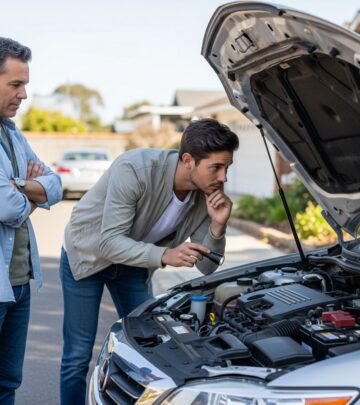
- Vehicle Inspection Challenges: No dealer warranties mean relying on personal or third-party checks.
How the Private Party Loan Process Unfolds Step-by-Step
Securing a private party auto loan demands preparation and coordination. Here’s a breakdown:
- Research and Pre-Approval: Check your credit score and get pre-approved to know your borrowing power. Provide personal details like income and debts early.
- Find the Vehicle: Identify a seller and gather vehicle specifics: make, model, year, mileage, VIN, and purchase price.
- Submit Application: Apply online, by phone, or in-branch with vehicle docs, proof of insurance, and seller payoff info if liened.
- Approval and Funding: Upon approval, funds go directly to the seller, jointly, or to you for endorsement. Lenders pay off existing liens first.
- Complete Transfer: Seller signs title; you insure, register at DMV, and submit title to lender.
- Repayment Begins: Make scheduled payments; maintain full coverage insurance.
Eligibility Criteria and Required Documentation
Lenders assess credit score (typically 660+ for best rates), debt-to-income ratio under 45%, stable income, and vehicle condition. Cars often need to be recent models (e.g., 2017-2026) with mileage caps like 80,000-100,000.
Essential documents include:
- Personal ID, SSN, address, employment/income proof.
- Vehicle VIN, title, registration, bill of sale.
- Payoff quote for seller’s loan, if applicable.
- Proof of insurance.
Comparing Private Party Loans to Other Options
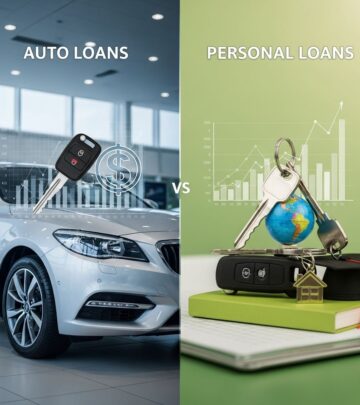
Private party loans differ from dealer and personal loans. Use this table for clarity:
| Feature | Private Party Auto Loan | Dealer Auto Loan | Personal Loan |
|---|---|---|---|
| Purchase Source | Individual seller | Dealership | Any seller |
| Secured by Vehicle? | Yes | Yes | No (unsecured) |
| Rates | 5-10% APR (credit-dependent) | 4-8% APR | 6-36% APR |
| Paperwork Handling | Buyer-managed | Dealer-assisted | Flexible |
| Loan Amount Flexibility | Purchase price only | Includes fees/taxes | Up to approval limit |
Data synthesized from lender trends; rates as of 2026.
Current Rates and Terms in 2026
As Federal Reserve adjustments stabilize, average private party APRs range 6.5-9.5% for good credit, with terms 36-72 months. Shorter terms save interest but raise monthly payments. Credit unions often beat banks on rates.
Tips for a Successful Private Purchase
- Inspect Thoroughly: Hire a mechanic; check Carfax for history.
- Verify Title: Ensure clean, lien-free ownership.
- Negotiate Smartly: Use market data from Kelley Blue Book.
- Shop Lenders: Compare credit unions, banks like PNC.
- Budget Extras: Factor taxes (5-10%), registration ($100-300), insurance hikes.
Alternatives When Private Loans Aren’t Ideal
Cash purchases suit those with savings. Personal loans offer flexibility but higher unsecured rates. Family loans avoid interest but risk relationships. Bad credit? Explore credit-builder options or co-signers.
Frequently Asked Questions
Are private party auto loans harder to get approved?
Yes, fewer lenders offer them, and they scrutinize vehicle details more closely than dealer loans.
Can I use a personal loan for a private car buy?
Absolutely; it’s unsecured and versatile, though rates may be higher without collateral.
What if the seller has a loan on the car?
Your lender pays it off first, disbursing remainder.
Do all states handle title transfers the same?
No; check your DMV for specifics like emissions tests or notary requirements.
Is full insurance required?
Yes, lenders mandate collision, comprehensive, and liability coverage.
Navigating Taxes, Fees, and Long-Term Costs
Private buys trigger sales/use tax based on purchase price (varies by state, e.g., 6-8%). Registration fees add $50-200 annually. Factor insurance premiums, which rise 20-30% for financed cars. Maintenance on older private vehicles can exceed dealer-certified ones, so budget $1,000+ yearly.
To illustrate total ownership costs:
| Cost Type | Estimated Amount |
|---|---|
| Sales Tax (7% on $15,000 car) | $1,050 |
| Registration | $150 |
| Title Transfer | $50 |
| Inspection | $100 |
| Annual Insurance Increase | $400 |
Building Credit and Improving Approval Odds
Boost your score by paying debts on time and reducing utilization below 30%. Pre-approval signals seriousness to sellers. Joint applications with a co-signer help if scores are low.
In 2026, with auto rates cooling post-Fed pauses, timing matters—lock rates amid stability.
Real-World Scenarios for Private Financing
Scenario 1: Budget buyer finds a 2020 sedan for $12,000. Pre-approves at 7.2% APR over 48 months; monthly ~$290. Handles DMV solo, saves $2,000 vs. dealer.
Scenario 2: High-mileage truck at $18,000. Lender caps at 100k miles; buyer pays cash down to qualify.
These highlight customization private sales enable.
References
- Can You Get Car Loans for Private Sales? — Consumers Credit Union. 2025. https://www.consumerscu.org/blog/can-you-get-auto-loans-for-private-sales-consumers-credit-union
- What Is a Private Party Auto Loan? And How to Get One — Experian. 2025-10-15. https://www.experian.com/blogs/ask-experian/what-is-private-party-auto-loan-and-how-to-get-one/
- Best Private-Party Auto Loans in 2026 — LendingTree. 2026-01-20. https://www.lendingtree.com/auto/private-party-auto-loan/
- What Is a Private Party Auto Loan? — SoFi. 2025. https://www.sofi.com/learn/content/private-party-auto-loan/
- What Is A Private Party Auto Loan? — Bankrate. 2025-11-10. https://www.bankrate.com/loans/auto-loans/private-party-auto-loan/
- Buying a Car from a Private Seller — Excite Credit Union. 2025. https://blog.excitecu.org/buying-a-car-from-a-private-seller
Similar Articles








Read full bio of Sneha Tete